Truck Bed Camper: How to Choose Between a Shell, Slide-In Camper, and DIY Setup
Transforming a pickup truck into a mobile living space offers a unique blend of off-road capability and residential comfort. Unlike traditional trailers, a truck bed camper maintains a compact footprint, allowing travelers to access remote campsites that larger RVs cannot reach. Choosing the right configuration involves balancing weight, cost, and necessary amenities. This guide examines the primary options—shells, slide-in campers, and DIY configurations—to help you determine the best fit for your vehicle and travel goals.
Truck Bed Camper Shell Option
A truck bed camper shell, often referred to as a truck cap or topper, is a rigid cover that sits flush with the truck’s cab. This is often the most lightweight and aerodynamic way to begin truck bed camping. These shells are typically constructed from fiberglass or aluminum and provide a secure, weather-proof area for sleeping and gear storage without significantly altering the truck's driving dynamics.
Benefits of a Fiberglass or Aluminum Cap
Fiberglass shells are popular because they can be color-matched to your truck, providing a sleek, integrated appearance. They offer decent insulation and are highly durable against rain and wind. Aluminum shells, while often more utilitarian in appearance, are lighter and frequently feature side-access tool doors. These "windoors" allow you to reach gear at the front of the bed without climbing inside, which is a major convenience during extended trips.
Limitations in Living Space and Headroom
The primary drawback of a standard truck bed camper shell is the lack of vertical space. Most models are cab-high, meaning you cannot sit upright comfortably on a raised bed platform. While "high-rise" toppers exist that add 6 to 10 inches of headroom, they still do not offer enough space for a full kitchen or standing area. This setup is best suited for minimalist travelers who primarily need a dry place to sleep and a secure location for their equipment.
Cost and Installation Efficiency
Camper shells are generally the most affordable hard-sided entry point into truck-based travel. Installation involves clamping the unit to the bed rails, which can be done in under an hour. Because they are relatively light, they have a minimal impact on fuel economy. However, because they lack built-in insulation or furniture, you will need to invest additional time or money into a bed platform and storage bins to make the space livable.
The Professional Slide-In Truck Bed Camper
For those seeking an experience closer to a traditional RV, a slide-in truck bed camper is the most comprehensive solution. These units are self-contained boxes that slide into the truck bed and are secured with tie-downs and turnbuckles. They typically feature an "over-cab" sleeping area, which preserves the floor space in the bed for a dinette, kitchenette, and sometimes a small wet bath.
Hard-Side vs. Pop-Up Slide-In Models
Hard-side campers offer the best insulation and soundproofing, making them ideal for four-season travel or cold-weather hunting trips. They are, however, tall and heavy, which increases wind resistance and raises the vehicle's center of gravity. Pop-up slide-in models feature a lower profile during transit. Once at camp, the roof extends upward to provide standing room. This hybrid design improves fuel efficiency and off-road stability while still offering a full suite of interior amenities.
Amenities: Kitchens, Bathrooms, and Plumbing
Slide-in units usually include integrated systems such as propane heaters, fresh and grey water tanks, and 12V electrical circuits. Higher-end models may feature a "wet bath," which is a combined toilet and shower area. Having these features allows for "boondocking" or camping in remote areas without designated facilities. While these amenities provide significant comfort, they also require regular maintenance, such as winterizing the plumbing and monitoring battery levels.
Weight Considerations and Vehicle Compatibility
The weight of a slide-in unit is its most critical factor. Many full-sized slide-ins are too heavy for half-ton trucks (like the Ford F-150 or Chevy Silverado 1500). Before purchasing, you must verify your truck’s payload capacity, which is the total weight it can safely carry, including passengers, fuel, and the camper itself. Overloading a truck can lead to suspension failure, brake overheating, and dangerous handling characteristics on the highway.
Explore the Truck Bed Tent Camper Alternative
A truck bed tent camper is a specialized tent designed to be pitched directly inside the truck bed. This option is popular among weekend warriors who use their trucks for work during the week and recreation on the weekends. It provides a significant upgrade over ground camping by keeping you off the cold, damp earth and away from crawling insects.
Quick Installation and Seasonal Use
Most truck bed tents use a color-coded pole system that allows for setup in 10 to 15 minutes. They typically feature a floorless design or a heavy-duty bathtub floor that covers the truck bed. This allows you to keep your gear in the bed while the tent is pitched over it. Because they are made of fabric, they are easily stored in a small carry bag when not in use, making them the most space-efficient option for those with limited storage at home.
Weather Resistance Compared to Hard Shells
While high-quality truck bed tent camper models feature rainflies and waterproof coatings, they cannot match the wind resistance or thermal insulation of a hard truck bed camper shell. In high winds, the fabric may flap loudly, and in freezing temperatures, the interior will stay only slightly warmer than the outside air. These are primarily three-season tools intended for spring, summer, and fall use in moderate weather conditions.
Interior Layout and Gear Management
Since a tent occupies the entire bed, you must plan your gear management carefully. Many users utilize a "drawer system" or plastic bins that stay on the bed floor, with a sleeping pad placed on top. Some tents also feature an extended awning that covers the tailgate, providing a shaded porch area for cooking or sitting. This setup is highly versatile but requires more daily effort to set up and take down compared to a permanent hard-sided camper.
Planning a DIY Truck Bed Camping Configuration
Many enthusiasts choose to build their own interior structures within a truck bed camper shell. This allows for total customization based on specific needs, such as storing mountain bikes, surfboards, or professional photography gear. DIY builds often focus on maximizing storage while providing a comfortable sleeping surface.
Building a Sleeping Platform with Storage
The most common DIY project is a wooden sleeping platform. By raising the bed 8 to 12 inches off the floor, you create a large "basement" area for pull-out drawers. This is essential for organized truck bed camping, as it prevents you from having to move your mattress every time you need a tool or a cooking utensil. Most builders use 3/4-inch plywood and 2x4 framing to ensure the platform can support the weight of two adults.
Insulation and Ventilation Fundamentals
A metal truck bed can become a condensation trap at night. To prevent mold and stay warm, DIYers often line the interior of the shell and the bed walls with Reflectix or closed-cell foam insulation. Ventilation is equally important; installing a 12V roof fan or using window screens on the shell’s sliding glass allows for cross-ventilation. Proper airflow is the most effective way to reduce moisture buildup caused by breathing in a small, enclosed space.
Aesthetic and Functional Finishing
The interior of a DIY build can be finished with marine-grade carpet, cedar planking, or durable paint. Adding LED strip lights and 12V outlets at the head of the bed improves the functionality of the space. While a DIY build takes time and manual labor, it results in a rig that is perfectly tailored to your height, gear requirements, and budget, often at a fraction of the cost of a professional slide-in unit.
Manage Power and Appliances in a Truck Camper
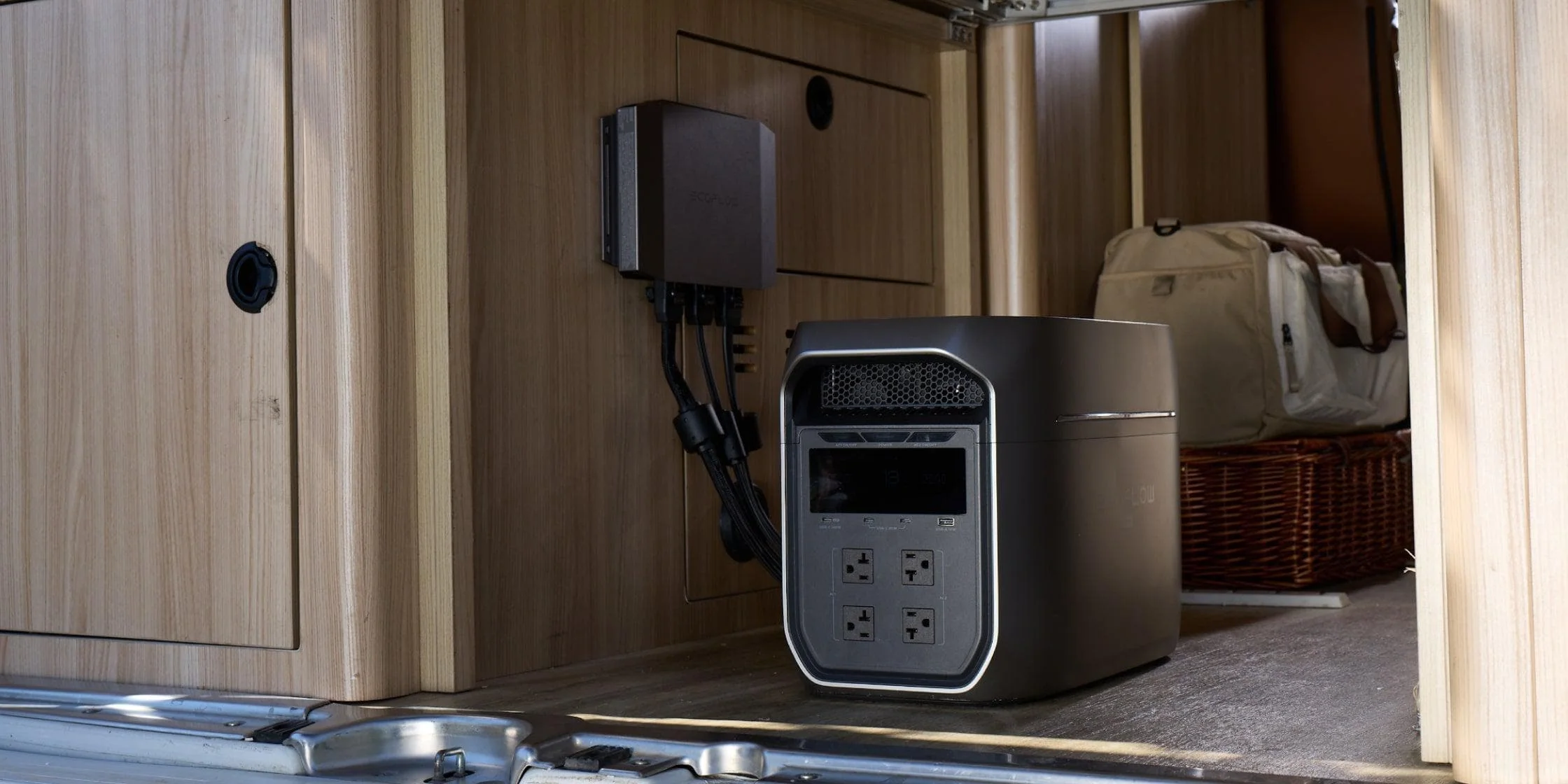
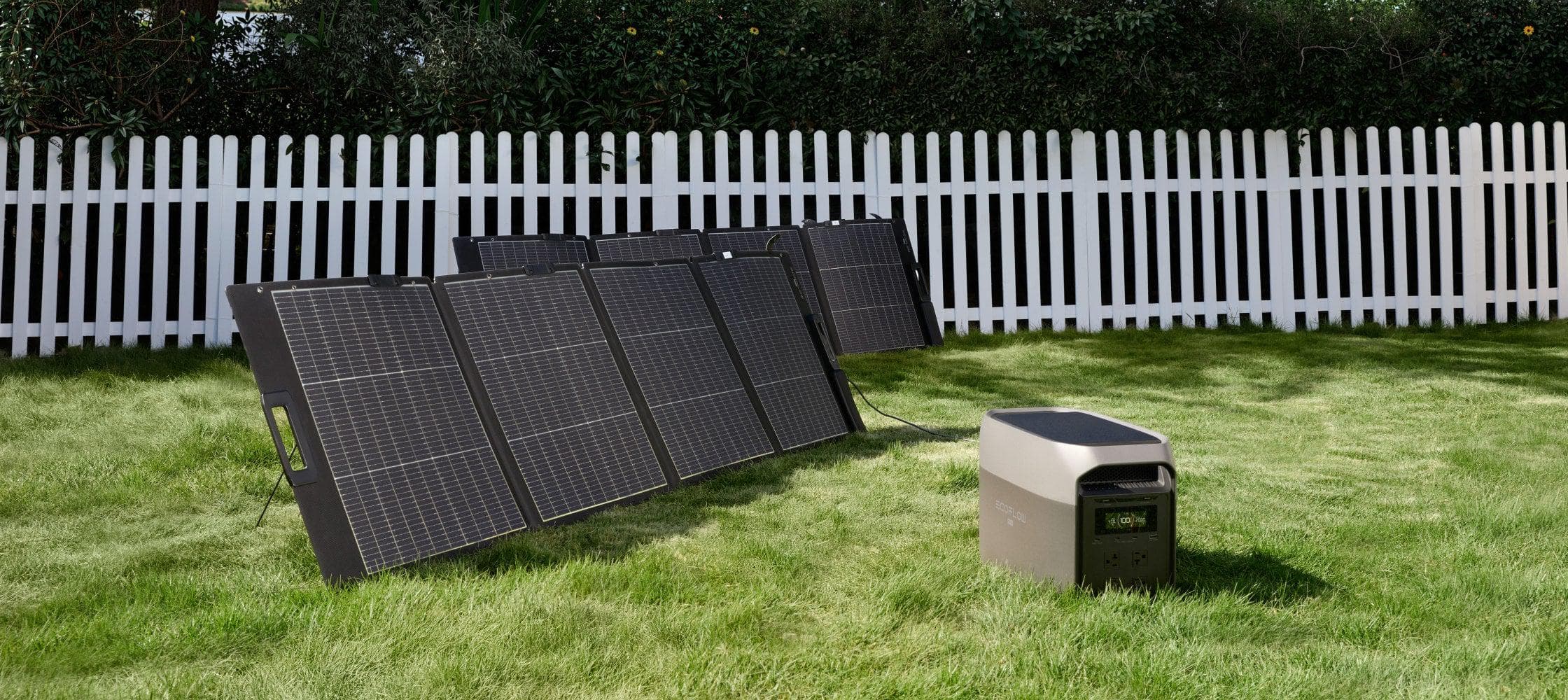
Power is a major concern for modern travelers who need to run lights, charge laptops, or power a portable refrigerator. Because truck batteries are not designed for deep-cycle discharge, a secondary power source is necessary to avoid being stranded with a dead engine battery. When boondocking, the EcoFlow DELTA 3 Max (2048Wh) + 400W Solar Panel provides lightweight, reliable power for heavy-duty appliances like refrigerators and coffee makers, ensuring you stay connected even in remote locations.
Selecting a Portable Power Station
Portable power stations have largely replaced complex DIY dual-battery systems in the truck bed camper world. These units are "all-in-one" boxes that include a battery, an inverter, and various charging ports. They can be charged via the truck’s 12V outlet while driving or via solar panels when parked. This simplifies the electrical setup significantly, as there is no need for complicated wiring or drilling through the truck's cab.
Choosing Efficient 12V Appliances
To maximize your battery life, it is best to use 12V DC appliances whenever possible. A 12V compressor fridge is much more efficient than using an inverter to run a standard AC mini-fridge. Similarly, using 12V fans and LED lights will ensure your power lasts for several days without needing a recharge. Modern portable fridges are particularly useful for truck bed camping, as they eliminate the need for ice and keep food dry and organized.
Monitoring Energy Consumption
Advanced power systems now feature smartphone app integration, allowing you to monitor your battery percentage and input/output wattage from your phone. This is helpful for managing your energy throughout the day. If you see your battery is low and the sun is out, you can deploy your solar panels to top off the unit. This proactive management ensures you always have enough power for nighttime heating or lighting.
Critical Factors: Payload and Truck Dimensions
Before committing to any truck bed camper, you must understand the physical and legal limits of your vehicle. Every truck has a "door jamb sticker" that lists the Gross Vehicle Weight Rating (GVWR) and the maximum payload. Exceeding these numbers is a common mistake that can have serious consequences for your vehicle's longevity and safety.
Calculating Your Vehicle's Payload Capacity
Payload is not just the weight of the camper. It includes the driver, all passengers, a full tank of fuel, and any extra gear like water jugs or recovery boards. If your truck has a payload of 1,500 lbs and your slide-in camper weighs 1,200 lbs dry, you only have 300 lbs left for people and gear. Most users find that they exceed their payload capacity much faster than they anticipate once they add water and food.
Short Bed vs. Long Bed Compatibility
Truck beds typically come in three sizes: short (5.5 ft), standard (6.5 ft), and long (8 ft). A truck bed camper shell must be purchased for your specific bed length and model year to ensure a watertight seal. Slide-in campers are also bed-length specific; putting a long-bed camper in a short-bed truck results in a dangerous amount of weight hanging past the rear axle. Always measure your bed's interior width at the wheel wells to ensure the camper unit will physically fit between them.
Impact on Center of Gravity and Handling
Adding weight to the bed changes how your truck handles corners and brakes. High-profile campers increase "body roll," which can feel unsettling on winding mountain roads. To compensate, many owners install "load-leveling" air springs or heavy-duty sway bars. These modifications do not increase your legal payload, but they do improve the ride quality and stability of the truck when it is carrying a heavy truck bed camper.
Choose Your Camper Setup And Hit The Road
Selecting the right setup for your truck depends on your budget, your vehicle's capabilities, and how much comfort you require on the road. A shell offers a lightweight, minimalist experience, while a slide-in unit provides the functional amenities of a mobile base. For those who want something unique, a DIY build allows for complete creative control. Ready to power your next adventure? Equip your rig with the EcoFlow DELTA 3 Max (2048Wh) + 400W Solar Panel for fast-charging, whisper-quiet energy that supports your off-grid lifestyle.
FAQs
Can I leave a slide-in truck bed camper in my truck permanently?
Yes, you can, but it is not always recommended. Keeping the weight in the bed constantly can wear down your suspension and tires prematurely. It also significantly reduces your fuel economy for daily driving. Most owners use "camper jacks" to remove the unit when it is not in use, allowing them to use their truck as a standard utility vehicle.
Do I need a special license to drive a truck with a camper?
In many regions, a standard driver's license is sufficient for a pickup truck with a slide-in camper. However, you should always check your local regulations, as requirements can vary based on your state or province. You should check your local regulations if the total weight of your vehicle exceeds certain thresholds (usually 10,000 to 26,000 lbs). Regardless of the law, you should practice driving in an empty parking lot to get used to the increased braking distance and height clearances.
Is truck bed camping safe in areas with bears?
While a hard-sided truck bed camper shell or slide-in unit provides significantly more physical isolation and security than a tent, they should not be considered "bear-proof" unless specifically certified. You must still follow strict food storage protocols.
How do I prevent my camper shell from leaking?
You can prevent leaks by using high-quality EPDM rubber bulb seals between the shell and the bed rails. Over time, the clamps securing the shell may loosen due to vibrations, so you should check and tighten them every few months. If a leak develops, using a clear silicone sealant around the windows or third brake light usually solves the problem.
Will a truck bed camper fit a mid-sized truck like a Tacoma?
Yes, there are many shells, tents, and lightweight slide-in campers specifically designed for mid-sized trucks. However, mid-sized trucks have much lower payload capacities than full-sized trucks. You must be extremely careful to choose a "lightweight" or "ultra-light" model to avoid overloading the smaller suspension and braking systems of a mid-sized vehicle.
For press requests or interview opportunities, reach out to our media team
media.na@ecoflow.com