Best States for Off-Grid Living: How to Live Off the Grid in the US
- What Makes a State Good for Off-Grid Living?
- Which States Are Best for Off-Grid Living in 2026?
- How Do Climate and Natural Resources Affect Off-Grid Living?
- What Power and Water Systems Work Best Off the Grid?
- Frequently Asked Questions
- Successful Off-Grid Living Depends on Location, Preparation, and Reliable Energy Systems
Have you been thinking about living off-grid? It’s a choice many more people in the US are making, especially if they’re looking to disconnect from the wider world. The best states for off-grid living all offer …
What Makes a State Good for Off-Grid Living?
Where you live is one of the biggest factors in successfully living off-grid. Not every rural state is automatically ideal. The best locations combine affordability, a helpful regulatory framework, natural resources, and reliable renewable energy potential.
Here’s what to consider:
Land Prices
The cost of land varies massively across the United States. Remember, the less you spend on the land itself, the more you'll have to build cabins, install solar systems, drill wells, and create the infrastructure you need for a good quality of life.
Legal Environment
Building codes, septic regulations, rainwater collection rules, and zoning restrictions all factor into whether you can live the way you want to.
Ideally, you want states that:
Allow rainwater harvesting.
Permit composting toilets and alternative septic systems.
Have relaxed rural zoning.
Support renewable energy installations.
Reliable Water Access
Without dependable water, your off-grid dream may be unreachable.
A good place for off-grid living has a good level of seasonal rainfall, reliable groundwater for wells, legal access to springs, creeks, or water catchment opportunities, and laws that allow rainwater collection.
Reliable Energy Potential
Climate has a huge effect on how much energy you can realistically generate. Solar power is key, but in some places, you can also look toward wind, hydro, or geothermal power generation technology.
Ideal off-grid states offer:
Strong solar production.
Moderate winters.
Wind generation potential.
Sustainable wood resources for heating.
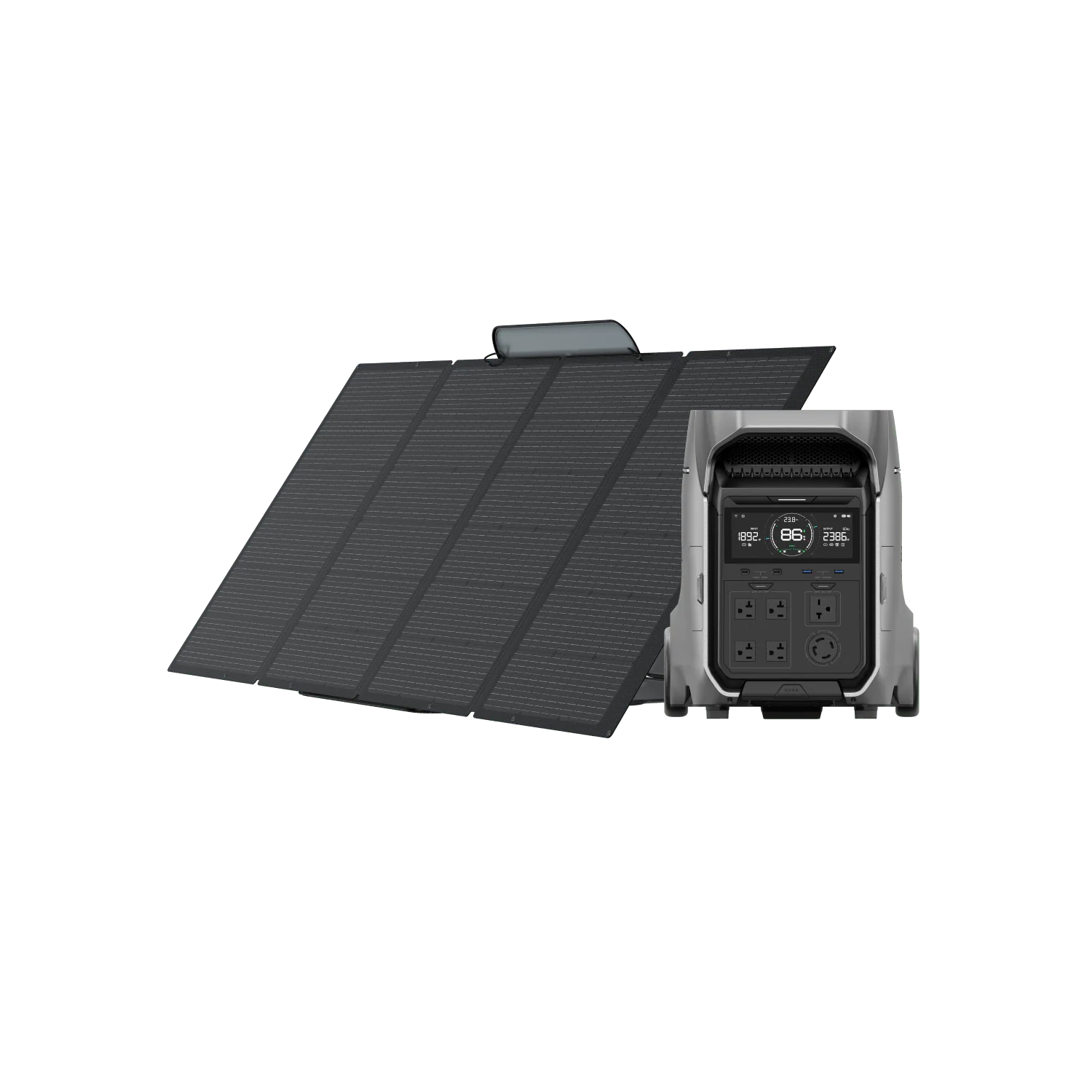
When solar potential is high, a compact solution like the EcoFlow DELTA Pro 3 Solar Generator + 400W Solar Panel bundle can meet most of a property's daily power needs straight out of the box.
Which States Are Best for Off-Grid Living in 2026?
Every state has its pros and cons, and realistically, it's possible to live off-grid in any state in the US with the right technology, knowledge, and preparation. However, a few states stand out above the rest. Generally, this is due to the affordability of land, resources, and legal flexibility that allows you to establish yourself the way you want to.
Here are the best states to look at:
Missouri
Missouri is one of the strongest all-around choices for off-grid living. It has some of the most affordable rural land in the country, combined with a moderate climate and long growing season. Good rainfall means food security and abundant fresh water resources, and the low cost of living means that the things you can't produce for yourself are cheaper to buy than in other places.
Tennessee
Tennessee offers mild winters, plentiful rainfall, and low property taxes. You'll also benefit from a long growing season, forest resources for heating, reliable water access, and a favorable culture around homesteading.
New Mexico
For reliable solar power, New Mexico quite literally shines. The state is one of the sunniest in the union (Albuquerque averages 76% sunshine annually). Additionally, the low population density and cheap rural land make it easy to find places to set yourself up.
The big downfall here is water. Rainfall isn't as reliable here as in some other places, and surface water or groundwater can be hard to access. You'll need to practice good water conservation to live successfully here.
How Do Climate and Natural Resources Affect Off-Grid Living?
The climate will affect almost every aspect of your off-grid life.
In a cold climate, you'll need more energy for heating. Plus, less abundant sunshine means lower solar production.
On the other hand, a hot climate brings new power demands in the form of air conditioning needs. Plus, in places like New Mexico and Arizona, water conservation becomes critical.
The climate also determines what kind of food you can grow. Dry states can be great for homesteading, but they'll require more infrastructure planning to make sure you get the water you need to grow crops.
Finally, you also need to think about the risk of natural disasters. Wildfires, hurricanes, tornadoes, floods, and snow can all threaten your critical infrastructure.
The climate you choose will also shape what kind of solar system you need. When choosing an off-grid solar kit for remote living, you’ll need to size your setup for your location's specific conditions.
What Power and Water Systems Work Best Off the Grid?
Different systems work best in different areas. Often, the right answer is a combination of different systems so that you can harness the strengths of each.
Solar Power
This is the most common off-grid power solution because it works almost everywhere in the US. Solar power works better in places with abundant sunshine, but modern solar technology has made panels efficient enough to work even in Alaska. Solar power also requires very little maintenance once it’s set up.
If you build a cabin, an off-grid solar cabin kit bundles everything you need — panels, battery, inverter, and charge controller — into one straightforward system. The EcoFlow DELTA Pro 3 Solar Generator + 400W Solar Panel bundle is a great consideration: it delivers 4,000W of output, expandable battery storage, and a built-in inverter, making it a practical foundation for a remote cabin or homestead setup.
Backup Power Stations
A backup power station provides flexibility and emergency redundancy. They’re useful for anyone running off solar power, but especially so for people in northern states where sunlight is less abundant and reliable. Storing up energy during sunny periods can help get you through the darker times.
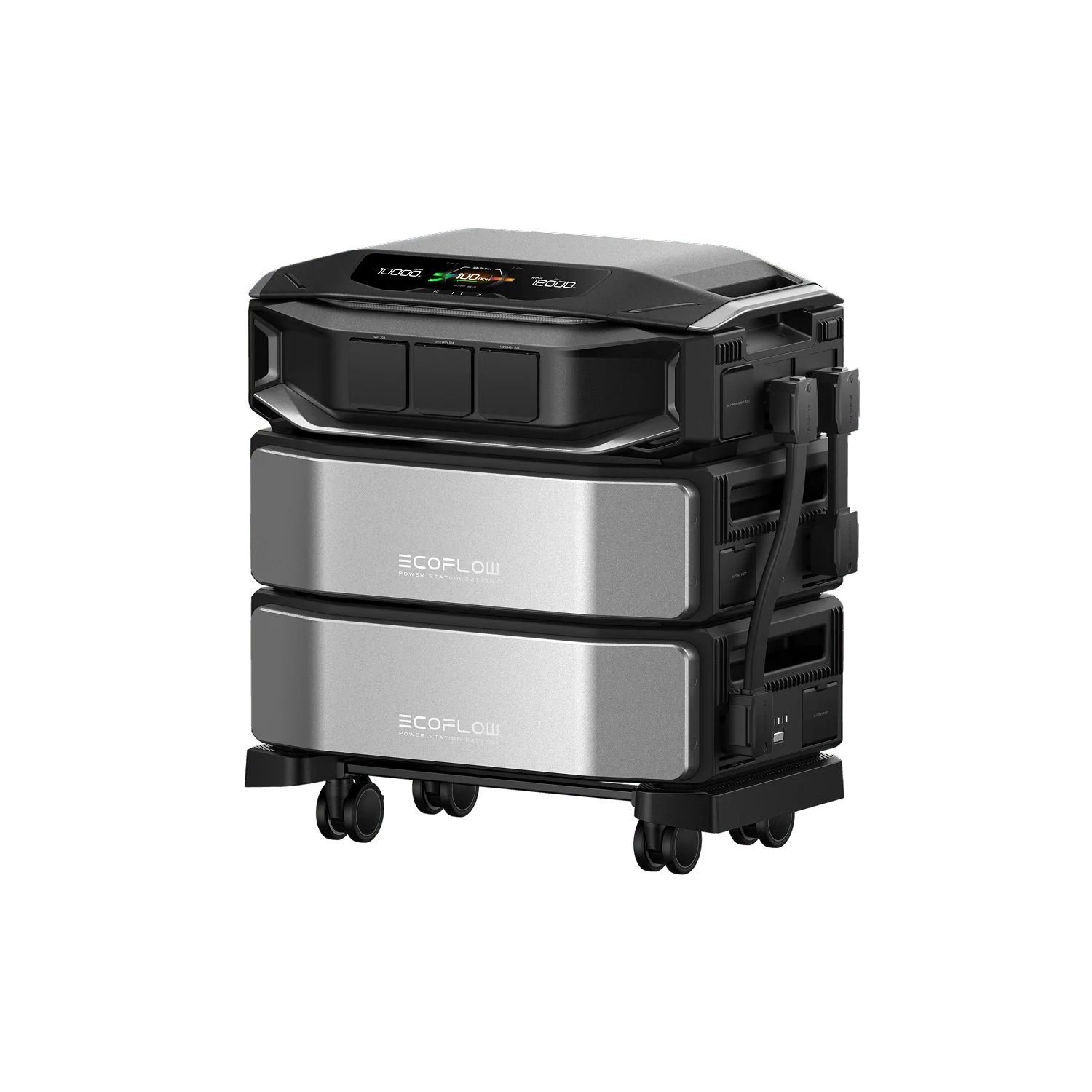
If you need to run heavy appliances year-round, whole-home backup power solutions scale to meet the larger energy demands of a full property. The EcoFlow DELTA Pro Ultra X Whole-Home Backup Power system is built for exactly this, with expandable capacity designed to power an entire off-grid home through extended stretches of low-sun weather.
Water Collection and Filtration
It's always better to have more than one water source. Whether your water comes from wells, rainwater collection, sediment filtration, or nearby surface water, you need to have a reliable source of water before you can even think about living off-grid.
Frequently Asked Questions
What Is the Best State for Off-Grid Living?
Every state has advantages and disadvantages. You need to look at the legal environment around off-grid living as well as the climate and cost of land. In general, though, states like Missouri, Tennessee, Arkansas, and New Mexico rank among the most desirable for off-grid living due to affordability and natural resources.
Is Off-Grid Living Legal Everywhere in the US?
It's legal to live off-grid throughout the US. However, regulations vary not just from one state to another, but also between counties and municipalities. In some places, you’ll find restrictions around composting toilets, rainwater harvesting, and septic systems. Always check the zoning laws and water rights to make sure a chosen location is suitable.
Successful Off-Grid Living Depends on Location, Preparation, and Reliable Energy Systems
Location is crucial when it comes to building an off-grid lifestyle. But it's not just about choosing a state. You need to think about the cost of land, the climate, and the law.
Having the right infrastructure will make or break your off-grid dream. Solar generators, expandable battery storage, portable power stations, and backup energy systems can all make life much more comfortable.
If you want to chart your own path and live off-grid, it's worth taking a look at the power infrastructure you'll need to make it possible. EcoFlow's whole-home generator solutions are designed to meet the full energy demands of off-grid living, from small cabins to large homesteads.
For press requests or interview opportunities, reach out to our media team
media.na@ecoflow.com