9 Off-Grid Communities in the U.S. for Sustainable Living
- What Are Off-Grid Communities and How Do They Work?
- Why People Choose to Live in Off-Grid Communities
- Key Systems That Power Off-Grid Communities
- 9 Off-Grid Communities in the U.S. for Sustainable Living
- Challenges to Consider Before Joining an Off-Grid Community
- How Renewable Energy Supports Off-Grid Community Living
- Tools and Technologies That Make Off-Grid Living Easier Today
- Is an Off-Grid Community Right for You?
- Frequently Asked Questions
- Power Your Off-Grid Lifestyle with the EcoFlow DELTA Series
Off-grid living is about more than simply disconnecting from traditional utilities. It’s about being self-sufficient and living sustainably.
Across the United States, intentional communities are proving that it’s possible to live comfortably while creating your own power, sourcing water, and growing food. From forested eco-villages to desert Earthship communities, each offers a unique approach to sustainable living.
This article explores how these communities work, why people live there, and where you can experience this way of life firsthand.
What Are Off-Grid Communities and How Do They Work?
An off-grid community is where people live without traditional utilities like electricity, water, and sewer. These communities are typically self-sufficient, generating their own renewable energy from solar or wind and storing it in battery systems for use.
They also dig wells for water, install their own septic systems, and often grow food and raise livestock. In some cases, modern setups may include battery-based energy storage systems or portable power stations to help manage and distribute electricity more efficiently.
Why People Choose to Live in Off-Grid Communities
People choose to live in an off-grid community for various reasons, including:
A desire for self-sufficiency, providing for their families more traditionally.
Simpler rules in rural areas, giving people more freedom to create a homestead with farms, livestock, water harvesting systems, and off-grid power.
The potential to reduce costs by eliminating utility bills and growing their own food.
A commitment to a greener, more sustainable lifestyle, living off the land while helping protect air, water, soil, and climate.
Key Systems That Power Off-Grid Communities
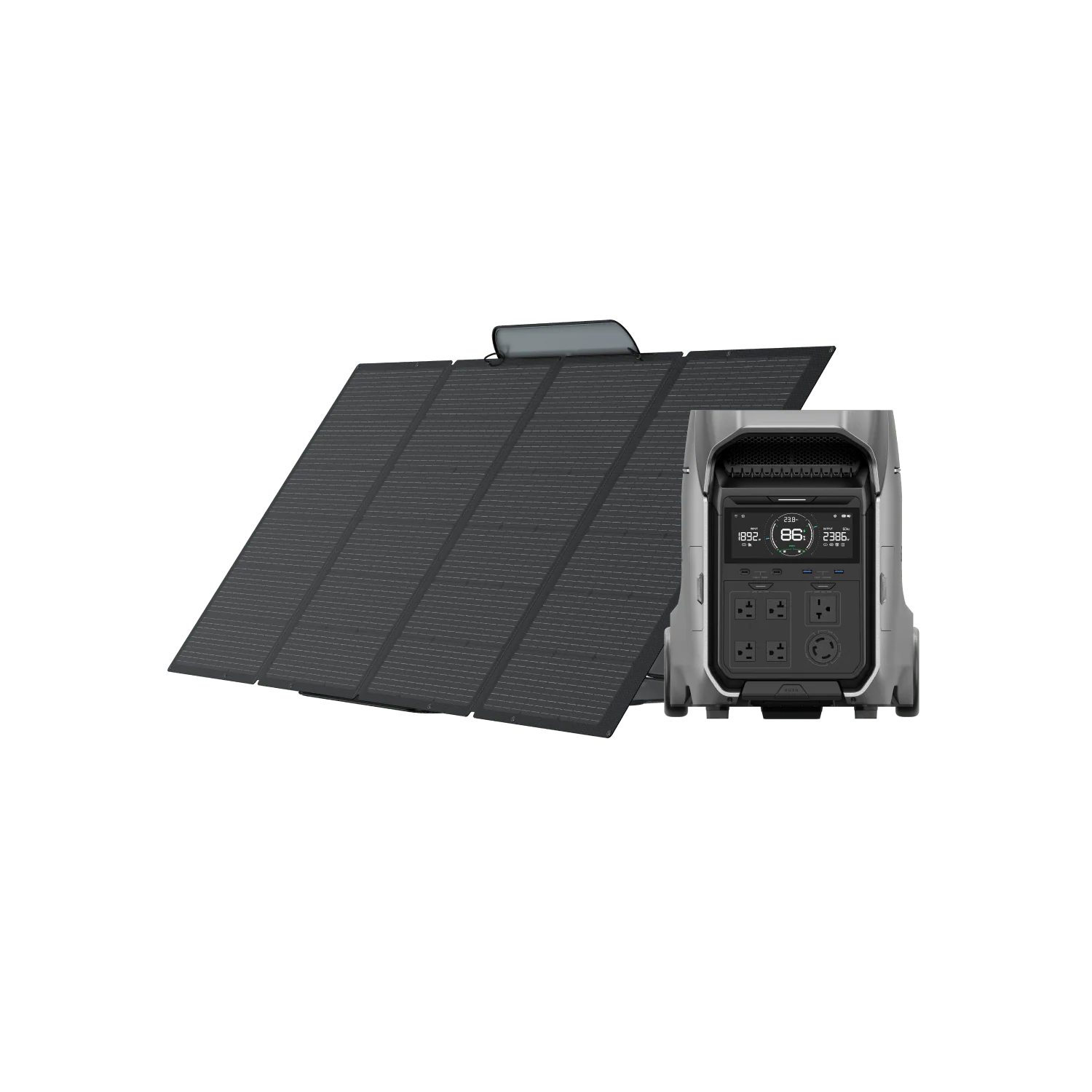
Most off-grid homes use solar power because it’s the most widely available and most affordable power source we now have. You can use systems like the EcoFlow DELTA Pro 3 Solar Generator with solar panels and store energy wherever sunlight is available.
Some communities also use wind, but it’s more expensive and doesn’t work in all locations.
9 Off-Grid Communities in the U.S. for Sustainable Living
Breitenbush — A cohousing community in Oregon on 1,200 acres of forested land.
The Greater World Earthship Community in New Mexico — Made of homes built with recycled materials and off-the-grid utilities.
Earthaven EcoVillage — An intentional community in the North Carolina mountains focused on economic self-sufficiency and ecological sustainability.
Rachel Carson EcoVillage — A cohousing settlement near Pittsburgh with high-efficiency energy use standards and an ecological mission.
Dancing Rabbit EcoVillage in Missouri — An intentional community focused on sustainable living.
Emerald Earth EcoVillage in Oregon — Focuses on renewable energy, zero waste, and sustainable construction.
Twin Oaks is located in Virginia — They use solar energy and internal bartering for organic food, homemade clothing, and furniture.
Emerald Earth Sanctuary in California — A natural-building community disconnected from the grid.
EcoVillage in Ithaca, New York — An energy-efficient cohousing community partially off the grid.
Challenges to Consider Before Joining an Off-Grid Community
Many communities have specific requirements like community service, fees, and waitlists, but these vary greatly from one community to the next. The Foundation for Intentional Community offers lists of communities accepting new members and what’s required.
The other major challenge is preparedness.
Do you know how to grow food, produce energy, or perform repairs?
If you don't, that can be part of the adventure. Get yourself some books on DIY repair, homesteading, and off-grid living.
How Renewable Energy Supports Off-Grid Community Living
Traditionally, the most challenging part of living off the grid was generating your own power. Gas generators are inefficient, loud, and produce toxic emissions.
But modern renewables like solar panels are the most affordable and widely available energy source. Pair that with a whole-home backup power system, which helps ensure a more consistent and reliable power supply.
Tools and Technologies That Make Off-Grid Living Easier Today
Modern technologies and off-grid living essentials (like solar panels and portable power stations) are making it easier than ever to stay powered up but still be disconnected from the grid.
Wi-Fi is another surprisingly helpful tool for sustainable living since you can look up how to do repairs, grow food, and perform other key tasks.
If you plan to grow food, you’ll need the right tools and supplies to get started. Also, while digging a well should solve most water issues, rainwater harvesting and graywater irrigation systems are excellent for stretching limited resources.
Is an Off-Grid Community Right for You?
If you take pride in self-sufficiency and want to live a more sustainable, independent lifestyle, an off-grid community could be a good fit.
Before taking the leap, spend time exploring the community and meeting the people. Most welcome visitors, and you’ll quickly know if it’s a good fit for you.
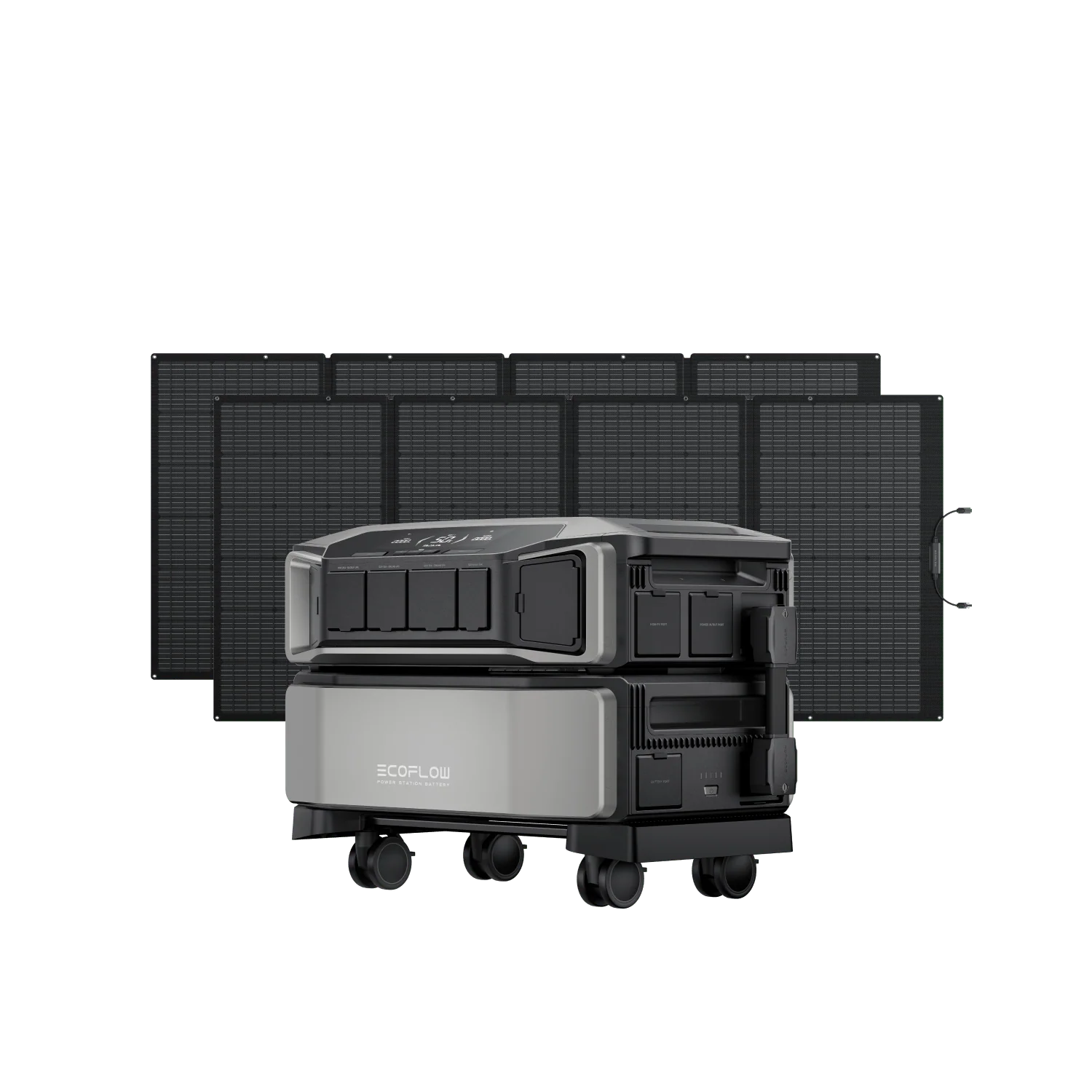
If you’re not ready to fully disconnect, you can still adopt many of the same principles at home. Solutions like solar panels paired with battery storage or portable power stations (such as the EcoFlow DELTA Series) can offer a practical way to reduce reliance on the grid while keeping your everyday home comforts.
Frequently Asked Questions
Is Living Off-Grid Illegal?
No, living off the grid is legal, but different states and counties have varying laws regarding structural safety, water rights, and septic systems that you must follow. Look up the rules in your area.
How Do You Get Electricity If You Live Off-Grid?
People who live disconnected from the grid must generate their own electricity, which is usually done with solar or wind — these are the cheapest and easiest to generate power.
How to Prepare for an Off-Grid Emergency?
Preparing for an off-grid emergency is about being self-sufficient. You must be able to generate your own power with battery backup. You should also have plenty of emergency food, water, supplies, and a first-aid kit.
Power Your Off-Grid Lifestyle with the EcoFlow DELTA Series
Off-grid communities are becoming increasingly popular as we strive for self-sufficiency, sustainability, and a sense of community.
While living off the grid requires preparation, adaptability, and a willingness to learn new skills, it also offers greater control over your resources and a deeper connection to the world around you.
For those exploring this lifestyle, or simply looking to incorporate aspects of it at home, modern energy solutions like solar and battery storage can help the transition. Portable power systems and whole-home power solutions such as the EcoFlow DELTA Series offer a flexible way to generate and store energy, whether you’re fully off-grid or just getting started.
For press requests or interview opportunities, reach out to our media team
media.na@ecoflow.com