Best Return on Investment for Home Improvement: Top Projects That Increase Home Value in the U.S.
- What Is ROI in Home Improvement and Why It Matters
- Top Home Improvement Projects with the Highest ROI
- Home Improvements with Lower ROI (and When to Avoid Them)
- Key Factors That Influence ROI in Home Improvements
- How to Maximize ROI on Your Home Renovation
- When to Invest vs. When to Save on Home Improvements
- Conclusion
- FAQs
Selling a home in the U.S. in 2026 is a different game than it was even two years ago. Buyers have moved past the "gray box" trend and are now hunting for properties that offer two things: emotional character and financial resilience. If you want to move the needle on your home's equity, you have to find the sweet spot between what looks good in a listing photo and what actually lowers the next owner's monthly bills.
What Is ROI in Home Improvement and Why It Matters
Thinking like an investor in 2026 means moving past the "flip" mentality of the 2010s. With total homeowner remodeling spending expected to hit a record $524 billion this year, the market has shifted. It’s no longer about just making a house look new; it's about making it justifiable to a buyer who is more tactical, well-informed, and wary of future costs. Understanding the underlying mechanics of a successful home improvement strategy is essential for protecting your largest financial asset.
Understanding Return on Investment (ROI) in Real Estate
At its core, Return on Investment (ROI) is the percentage of a project's cost that you claw back through an increased resale price. But the math has changed. In 2026, the "average" ROI is seeing a massive split: simple exterior "necessity" projects are frequently breaking the 200% mark, while high-end interior luxury is struggling to hit 50%.
The 100% Club: In today's market, projects like garage door replacements and steel entry doors are essentially "printing money," often returning double or triple their cost.
The "Friction" Filter: Buyers in 2026 are looking to avoid disappointment. A home that needs a new roof or has an aging HVAC system represents "friction." Removing that friction often yields a higher return than adding a luxury feature like a wine cellar.
How Home Improvements Affect Property Value
Upgrades move the needle in two distinct ways, and the most successful renovations hit both:
Hard Value (The Appraisal): This is the "bones" of the house. New windows, updated siding, or energy-efficient insulation. These are the facts that a bank uses to justify a higher loan. In 2026, attic insulation is a sleeper hit, often returning over 100% because it directly lowers the next owner's bills.
Perceived Value (The Love Factor): This is how fast a buyer makes an offer. It's the "olive green" kitchen island or the matte-black hardware. While these don't always add a specific dollar amount to an appraisal, they trigger the bidding wars that drive a final sale price way past the "hard" value.
ROI vs. Personal Enjoyment: Finding the Balance
The biggest mistake homeowners make in 2026 is "over-improving" for their timeline.
The 2-Year Rule: If you’re moving soon, focus on Curb Appeal and Efficiency. Swapping a front door for a steel version (approx. 216% ROI) or deep-cleaning your floors is a better move than a $50k kitchen gut job.
The 10-Year Rule: If this is your "forever-ish" home, prioritize Lifestyle and Infrastructure. This is where personal enjoyment takes the lead. A custom home office or a high-end outdoor deck (returning about 95%) pays for itself in a decade of memories and utility.
Investor Tip: 2026 buyers are rewarding "clarity over cleverness." A house that is clearly well-maintained and energy-efficient will almost always outperform a house with a single "wow" feature and a list of hidden chores.
Top Home Improvement Projects with the Highest ROI
If you’re looking for the biggest bang for your buck, the "heavy hitters" of 2026 are surprisingly practical. We've moved past the era of flashy, over-the-top upgrades; today’s high-ROI projects focus on durability, curb appeal, and energy independence.
Kitchen Remodel: The Heart of High ROI Renovations
They say kitchens sell houses, and in 2026, the data confirms it. But the real surprise this year is that you don't need a $100,000 "gut rehab" to win. In fact, a minor kitchen remodel is currently the only interior project in the U.S. consistently recouping more than its cost, often hitting an average 113% ROI.
Bathroom Remodel: Small Space, Big Impact
In 2026, the bathroom officially transitioned from a "utility room" to a "wellness sanctuary." Buyers are no longer just looking for a clean place to brush their teeth; they are looking for a spa-like retreat that offers a mental reset. While a full-scale primary suite overhaul is expensive, the data shows that mid-range updates.
Curb Appeal Improvements: First Impressions Matter
First impressions aren't just a cliché in 2026; they are a high-performing financial strategy. While interior gut-renovations often struggle to break even, exterior "curb appeal" projects are currently the only category in the U.S. consistently delivering an ROI of 200% or more. In a market where buyers spend hours scrolling through photos before ever booking a tour, the "face" of your home does the heavy lifting.
Energy-Efficient Upgrades: Save Money and Increase Value
As energy costs soar, many sellers are now asking: Do Solar Panels Increase Home Value? In 2026, the data indicates that they do, specifically because utility bills rose by around 7% in 2025 and that trend is continuing. Today’s buyers prioritize homes that reduce costs and stay powered during outages.
While attic insulation still delivers over 100% ROI, the biggest value drivers are now smart energy systems. Homes with integrated storage and smart-ready panels can command a 7%–10% price premium, while also selling faster due to their reliability during grid disruptions.
For a no-construction upgrade, the EcoFlow DELTA Pro 3 Portable Power Station stands out in 2026. This plug-and-play system powers high-demand appliances and helps reduce peak-hour electricity costs. With solar compatibility and expandable capacity, it supports both 120V and 240V applications (configuration-dependent), positioning the home as “future-ready.”
Beyond storage, HVAC electrification delivers around 103% ROI, while smart energy monitoring systems (under $1,200) can reach up to 120% ROI by giving buyers real-time control over energy usage.
Basement or Attic Conversion: Adding Usable Space
In 2026, the demand for usable square footage is the primary driver of home value. With nearly 22% of the U.S. workforce still operating in a remote or hybrid capacity, buyers aren't just looking for "extra rooms"; they are looking for dedicated, functional zones that can serve as quiet offices or private guest suites. Converting your basement or attic is a strategic "within-footprint" play. It is almost always more cost-effective than building an addition, but the two spaces offer very different financial returns.
Outdoor Living Spaces: Decks and Patios
The American backyard has officially graduated from a "patch of grass" to a secondary living room. As housing prices remain high, buyers are looking for properties that feel larger than their interior square footage suggests. An outdoor oasis is a strategic expansion of the home’s footprint. To truly bridge the gap between indoor comfort and outdoor freedom, many 2026 homeowners are using a high-capacity portable power station to run everything from high-end projectors for cinema nights to outdoor office setups, effectively turning a simple deck into a fully functional, electrified living zone. The ROI for these spaces depends heavily on the materials you choose and how well they integrate with the existing house.
| Project | Average ROI |
|---|---|
| Garage Door Replacement | 100%+ |
| Minor Kitchen Remodel | 70-85% |
| Bathroom Remodel | 60-70% |
| Deck Addition | 60-75% |
Home Improvements with Lower ROI (and When to Avoid Them)
Sometimes, the projects we love the most are the ones the market ignores. In 2026, the gap between "lifestyle upgrades" and "financial ROI" has widened significantly as buyers become more selective about maintenance costs and practical layouts.
Luxury Upgrades That Don’t Always Pay Off
A $30,000 built-in espresso machine or a professional grade $20,000 range might be your dream, but most buyers see these as high-maintenance liabilities that are expensive to repair, rarely offering a 1:1 return on the investment.
Over-Personalized Renovations
Converting a spare bedroom into a dedicated yoga studio or a soundproofed podcast room can actually decrease your home’s value, as 2026 buyers heavily favor "flex spaces" that can easily transition from an office to a nursery or guest room.
High-Cost Projects in Low-Value Neighborhoods
If you’re already in the most expensive house on the block, you’ve hit the "appraisal ceiling," where a $50,000 luxury upgrade won't move the needle because the surrounding comparable sales simply can't support the price hike.


Key Factors That Influence ROI in Home Improvements
Why does a kitchen remodel pay off in Austin but maybe not in a rural town? Context is everything. In 2026, real estate is hyper-local, and the value of an upgrade is dictated by what the neighbor’s house already has and what the local climate demands.
| Factor | Impact on ROI |
|---|---|
| Location | Local buyer tastes (e.g., outdoor kitchens in Florida vs. mudrooms in Maine). |
| Market Demand | In a seller's market, even minor upgrades can trigger a bidding war. |
| Quality | Poor DIY work can actually decrease your home's value. |
How to Maximize ROI on Your Home Renovation
To ensure you come out on top in 2026, you need a strategy that prioritizes efficiency and long-term savings. The "flip" mentality has been replaced by a "sustainability" mindset; buyers are now looking for homes that are cheaper to run and safer to live in.
Focus on High-Impact, Cost-Effective Upgrades
In 2026, minor cosmetic updates are yielding some of the highest returns we've seen in a decade. A fresh coat of neutral paint or modern lighting fixtures can offer a massive visual impact for a fraction of the cost of moving walls. Even replacing dated flooring with high-quality, durable materials like luxury vinyl plank or large-format porcelain tile can make a home feel brand new without the high price tag of a full renovation.
Use Energy-Efficient and Sustainable Solutions
When discussing ROI, many homeowners overlook energy independence, but in 2026, it is a primary driver of home value. With utility rates up significantly and extreme weather events becoming more frequent across the U.S., a home that can stay powered when the grid goes down is a high-value asset. This "Resilience ROI" is often the difference between a house that sits on the market and one that sparks a bidding war.
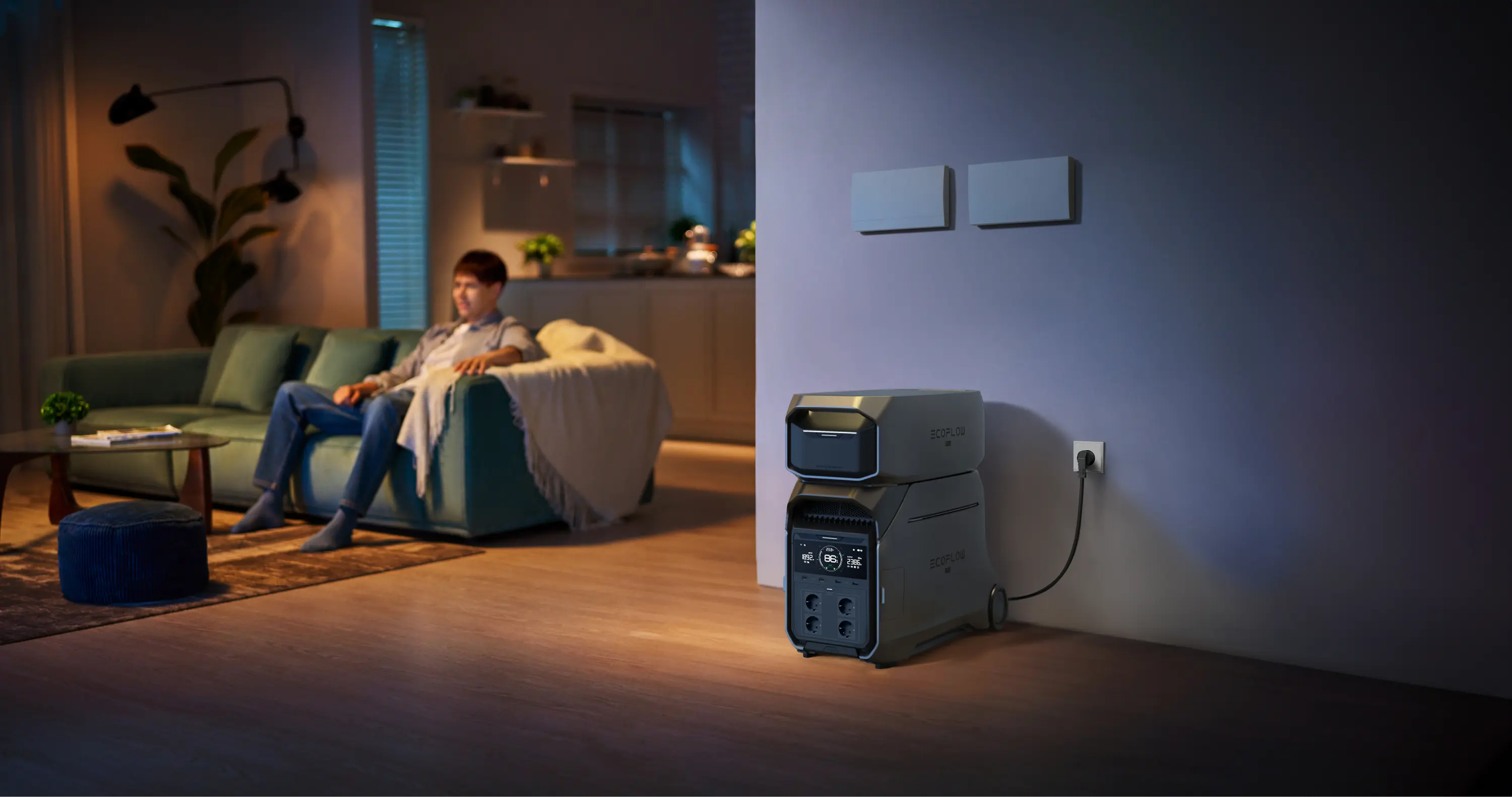
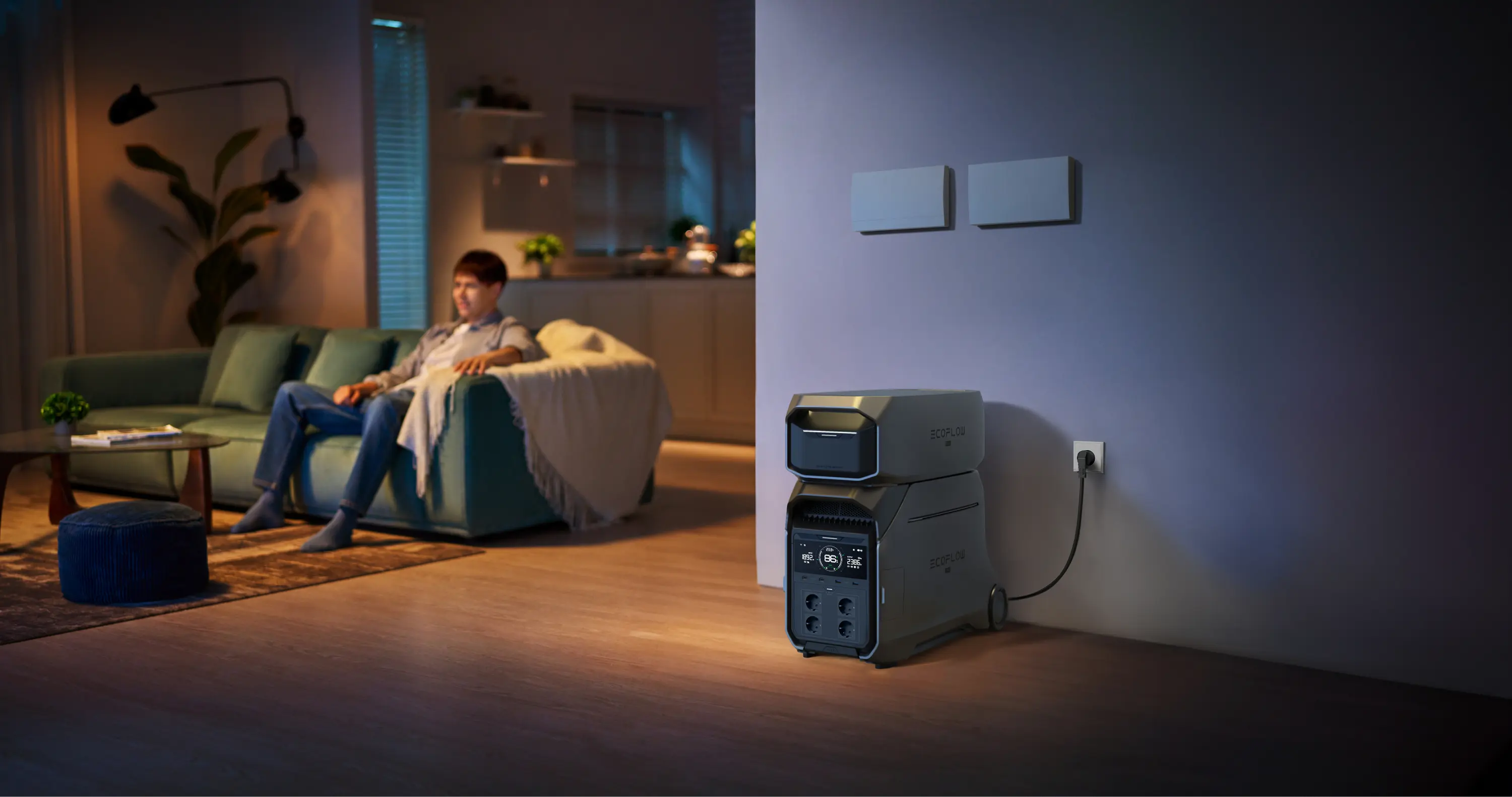
For those aiming for a truly "future-proof" home, a sophisticated system like the EcoFlow DELTA Pro Ultra Whole-Home Backup Power is a savvy investment. This is a whole-home backup and energy management ecosystem designed for the modern age. It integrates seamlessly with existing solar setups to store cheap solar power during the day for use during expensive peak-rate hours at night, potentially saving homeowners thousands of dollars annually. In the 2026 real estate market, a home equipped with an integrated energy storage system like the DELTA Pro Ultra Whole-Home Backup Power stands out as a premium, low-risk property that can command a price premium of 4% to 7%, recovering a substantial portion of the initial cost while providing immediate monthly savings.
When to Invest vs. When to Save on Home Improvements
Deciding whether to pull the trigger on a renovation depends on your "exit strategy." In the 2026 market, with the Federal Reserve holding rates steady after several cuts in 2025, the cost of borrowing has shifted, making your timeline more critical than ever.
Selling Soon vs. Long-Term Living
If the "For Sale" sign is going up in the next 12 months, your goal is to remove "Buyer Friction." In 2026, buyers are financially stretched by the "new normal" of housing prices; they want a home that is move-in ready, which is why smart sellers often do some research on the policy of Energy Efficient Home Improvement Credit to leverage federal incentives that make these upgrades more affordable.
Lipstick and Mascara: Stick to high-impact, low-cost visual refreshes. Neutralize bold rooms with 2026’s top staging colors: "Universal Khaki" (Sherwin-Williams' 2026 pick) or "Cloud Dancer" (Pantone’s airy white). These shades feel "organic" and "expensive" compared to the dated grays of the last decade.
The Power Wash Effect: A deep clean of the siding and driveway costs under $500 but can prevent a buyer from mentally knocking $5,000 off their offer for "exterior maintenance."
Sales Velocity vs. ROI: Some projects, like a new roof, might only have a 65% financial ROI, but in 2026, they have a 100% Sales Velocity impact. Many buyers simply cannot get homeowners' insurance or a mortgage for a house with an aging roof, making this "repair" a prerequisite for a sale.
Financing Your Improvements
How you pay for a project is as important as the renovation itself. In March 2026, with the "Lock-In Effect" keeping many homeowners in place, choosing the right financing tool is a matter of protecting your existing low mortgage rate while accessing the equity you've built. For example, using a HELOC to add a high-capacity solar battery can be a wise move that pays off by increasing the total appraised value while keeping initial costs low.
HELOC (Home Equity Line of Credit): Average HELOC rates have slid to approximately 7.17%, their lowest level in over three years. This variable-rate "safety net" is ideal for staged renovations because you only pay interest on the funds as you draw them for specific project milestones.
Cash-Out Refinance: National average 30-year fixed refinance rates are currently hovering around 6.72%. This path is most strategic for homeowners who bought in 2023 or 2024 at rates above 7.5%, as it allows you to both fund your remodel and lower your overall monthly interest.
The Golden Rule
In the 2026 market, the "Golden Rule" is more than just a catchy phrase; it's a mathematical necessity. With average HELOC rates currently sitting at 7.17% and fixed home equity loans near 7.85%, the cost of borrowing is a significant factor in your final ROI.
Conclusion
Maximizing your home's ROI in 2026 isn't about spending the most money; it's about spending it where it counts. In a market where national price growth has slowed to roughly 1.4%, the "Big Three" (kitchens, curb appeal, and energy resilience) have become the primary drivers of a successful sale.
By integrating smart technology like EcoFlow’s storage solutions alongside classic renovations, you create a home that is not only beautiful but also efficient and secure. In today’s market, where inventory has rebounded by over 7%, and buyers have more choices, these high-performance features are exactly what move a property from "listed" to "sold."
FAQs
1. What home improvement has the highest return on investment?
A garage door replacement is currently the undisputed king of ROI in 2026. National reports show it recouping an average of 194% to 268% of its cost. Because the garage can make up a huge portion of a home's front facade, a modern, insulated door is the ultimate "curb appeal hack" that adds thousands in value for a relatively small $4,000-$5,000 investment.
2. Which home upgrades increase property value the most?
While garage doors have the highest percentage return, minor kitchen and bathroom remodels typically provide the largest increase in actual dollar value added to the home. In 2026, a "minor" kitchen refresh (refacing cabinets and new quartz counters) is recovering about 96% to 113% of its cost. These projects "move the needle" the most because they satisfy the two rooms buyers care about most.
3. Are home improvements worth it before selling a house?
Yes, but only if they are strategic. In the 2026 market, "Value Protection" is key.
Fix the Red Flags: Addressing an aging roof or leaky windows is non-negotiable; many 2026 insurers won't even cover a home with a 15-year-old roof, making it a prerequisite for a sale.
Neutralize: A few thousand dollars spent on "warm neutral" paint and power washing can prevent buyers from mentally knocking $10,000 off their offer for "deferred maintenance."
4. What home renovations should I avoid for ROI purposes?
You should generally avoid over-personalization and high-end luxury in mid-range neighborhoods.
The "Luxury Trap": Upscale primary suites and $150,000 kitchen overhauls are only recouping about 36% to 42% this year.
Niche Rooms: Converted garages, built-in home theaters, or removing a bedroom to create a massive walk-in closet often decrease value because they shrink your potential buyer pool.
Swimming Pools: Unless you are in a high-end Sun Belt market (FL, AZ, TX), a pool is rarely a financial win.
5. Do energy storage systems actually increase home appraisal values?
In 2026, the answer is a resounding yes. With grid instability and rising utility rates, homes with integrated energy storage are commanding a 7% to 10% price premium in markets like California and Texas. While some traditional appraisals are still catching up, the "perceived value" to a buyer, knowing they are protected from blackouts, often results in a much faster sale and a higher final closing price.
For press requests or interview opportunities, reach out to our media team
media.na@ecoflow.com