The 10 Best Places to Go Glamping in 2026
Glamping is evolving into new experiences, and we’re here for it. Glamping in 2026 focuses on luxury while maintaining an effortless vibe. Think plush beds, private bathrooms, curated design aesthetics, surrounded by Mother Nature. You still have fresh air and vast landscapes, sans bugs and sticky showers.
Coffee on the deck in Montana one morning. Camping out under the stars in a glass dome in the West another night. Same concept, just different locations. We’re breaking down some of our favorite spots to glamp throughout the U.S. as well as some logistical tips some folks may not consider when glamping such as power supply and streamlining operations when remote.
What Are the Key Features of Glamping?
Before booking somewhere to visit, it may help to have a better idea of what glamping actually can be. Yes it’s still camping outdoors, just with a slightly altered experience. You still get the views, the silence, the open space. What you also get is a level of comfort you’d come to expect when you’re indoors. So how does that work exactly? Here is what you can expect with a quality glamping setup these days.
Comfortable and Luxury Camping Accommodations
Comfort begins with the basics. A real bed. One you don't "make due" with but enjoy sleeping on. Memory foam, soft layers, pillows that feel like pillows. The difference between sleeping and barely staying awake. Having a dedicated portable power station ensures that even in remote luxury tents, your personal devices and small appliances remain fully charged. Many places will take it a step further these days as well. Providing Heating, A/C, wood stoves depending on location. So when the temps drop to the low 50℉ at night, you don't have to worry.
Unique Structures Such as Tents, Domes, and Treehouses
A big part of glamping is the space itself. It’s no longer just a tent, it’s something designed to feel different. Clear domes let you watch the night sky from your bed, vintage Airstreams bring a mix of retro style and modern comfort, and treehouses range from simple wood builds to sleek, elevated cabins. There’s a bit of novelty to it, but that’s what makes it memorable. It feels less about the place rather than the unforgettable experience.
Nature-Immersed Locations and Scenic Settings
Where these places are set up matters just as much as how they’re built. Most glamping sites sit in what feels like “front row” nature, coastal cliffs, desert rock formations, or quiet forest pockets. The view people would hike for miles now it’s right in front of your doorstep. You don’t need to go far to feel it. Step outside, and you’re already there, open space, fresh air, and trails within reach. For those planning to explore the West, learning how to power your glamping adventure in the Southwest is crucial for staying connected in desert landscapes. It keeps the experience simple, which is really the whole point.
Eco-Friendly and Sustainable Tourism Experiences
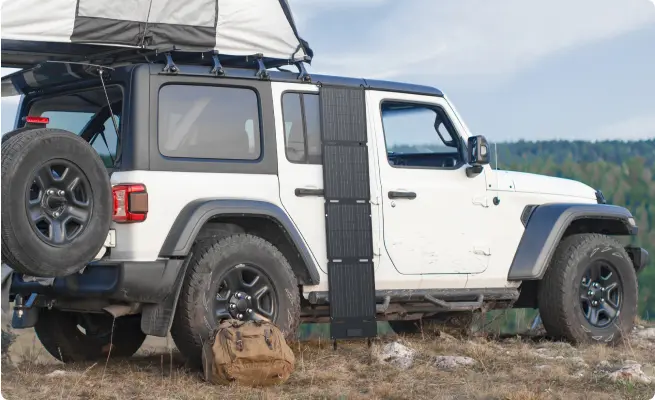
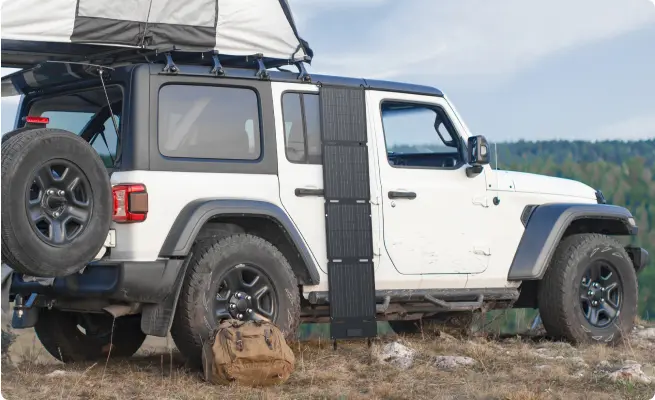
Sustainability has become part of the experience, not just a feature. More glamping sites are built around low impact travel, using biodegradable products, reduced waste systems, and renewable energy where possible. “Leave no trace” isn’t just something people say anymore, it’s something you actually notice during your stay. If you’re spending a few days off grid, power becomes one of those small things that matters more than expected. Phones, lights, maybe a portable fridge, it adds up quickly.
That’s why a simple solar setup makes sense for this kind of trip. EcoFlow Solar Panels (ranging from 60W to 400W) are designed for exactly this, foldable, waterproof, and easy to set up near your tent or vehicle. Once they’re out, they quietly handle the basics, so you don’t have to think about it. It keeps things running without taking away from the whole point of being out there.
What Are the Best Places to Go Glamping in 2026?
There’s no shortage of beautiful places across the U.S., but some stays stand out for how they combine setting, comfort, and overall experience. These are the ones people keep coming back to, or at least keep talking about after the trip.
1. The Resort at Paws Up – Greenough, Montana
This is one of the well known places among campers in the U.S. Set on a large working cattle ranch, Paws Up combines wide open Montana scenery with safari-style tents that feel fully set up from the moment you arrive. There’s even a team on-site to handle the details, things like managing the fire or setting up your space, so you can just settle in and enjoy it.
2. Under Canvas Acadia – Bar Harbor, Maine
Set just outside Acadia National Park, this spot keeps things simple and scenic. The location does most of the work here, open water views, quiet surroundings, and easy access to the park. Early mornings are the highlight. You step out with a cup of coffee, and the light comes up over the coastline. No rush, no noise, just a slow start to the day.
3. Conestoga Ranch Glamping Resort – Garden City, Utah
Such a glamping resort leans into a more distinctive setup. You stay in covered wagons inspired by early pioneer travel, but the inside feels nothing like it, soft bedding, clean finishes, and a setup that’s actually comfortable for a full night’s sleep. Bear Lake is one of the places that stands out in Conestoga ranch resort, it’s not hard to get lost by the water and enjoy the kind of relaxation you have signed up for.
4. AutoCamp Yosemite – Midpines, California
AutoCamp Yosemite is about both the location and design. You’re just minutes from the park entrance, but the stay itself feels more like a boutique setup. The Airstreams are clean, modern, and well thought out, and the tent suites give you a bit more space while keeping that outdoor feel.
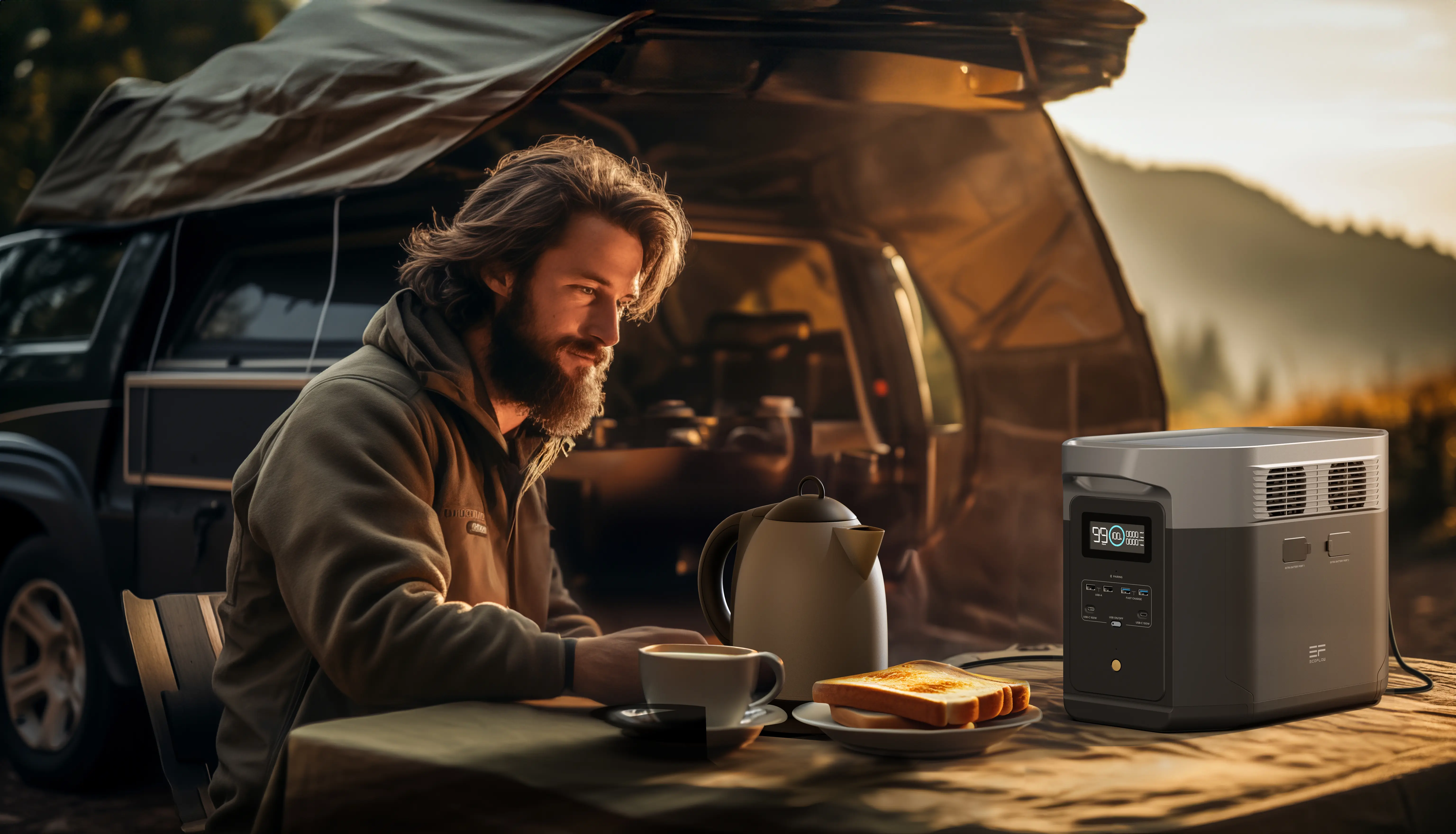
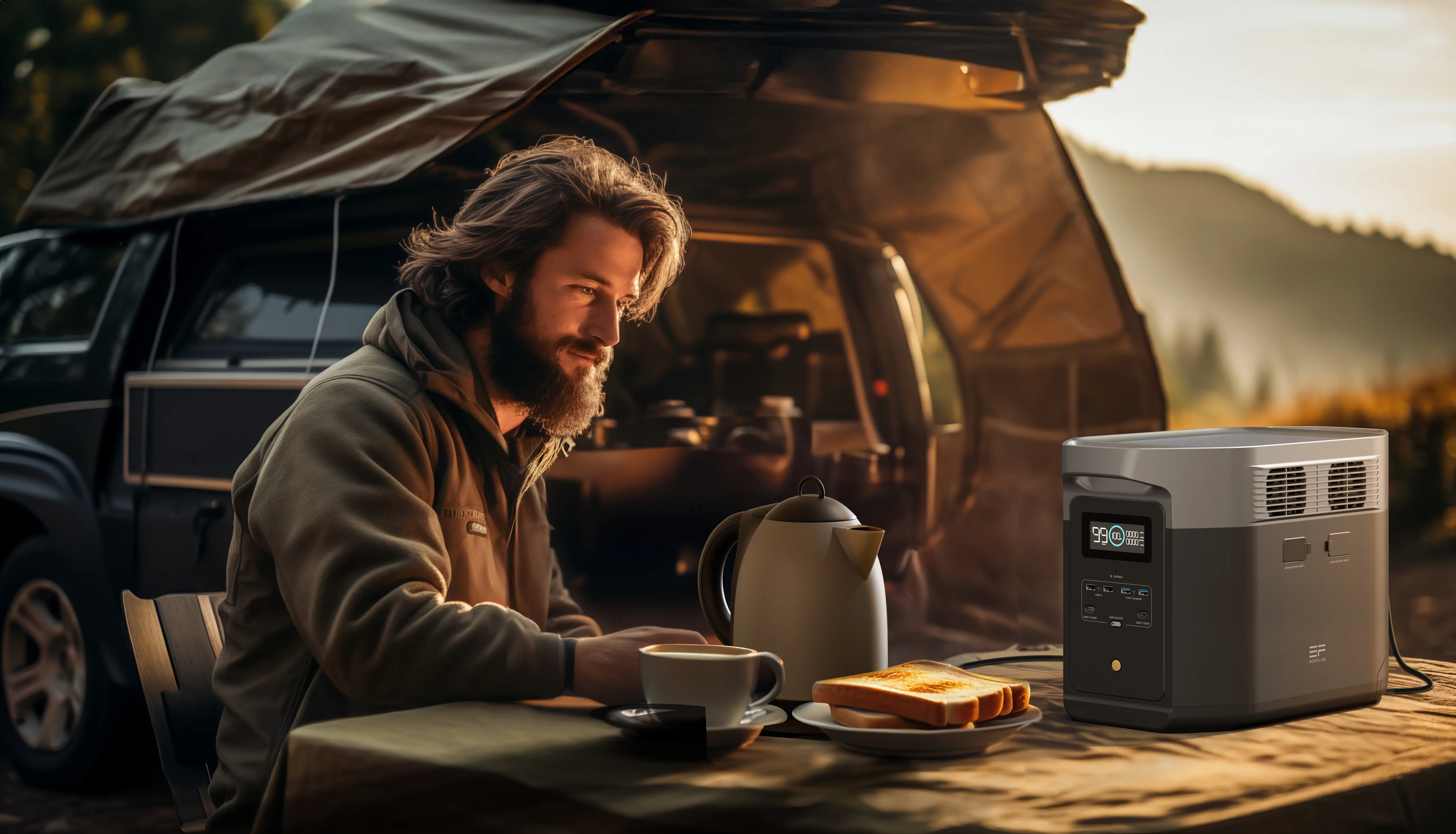
One thing you’ll notice pretty quickly, power gets limited once everything’s plugged in. Phones, cameras, maybe a small fridge, lights at night, it adds up faster than expected. That’s where having a portable power station actually helps. Something like the EcoFlow DELTA 2 Max Portable Power Station gives you enough capacity to run essentials for a couple of days without juggling outlets. You can keep things charged, make coffee in the morning, even open a laptop if needed, all without overthinking it. It keeps the stay smooth, which matters when everything else around you already feels dialed in.
5. Under Canvas Zion – Springdale, Utah
It’s located right against Zion’s sandstone cliffs, this place feels close to everything without being overwhelming. The setting stands out right away, warm tones, open space, and views that shift throughout the day. Even with the desert climate, the tents stay surprisingly comfortable because of smart cooling design. At night, it’s a different experience. The sky clears out, and the stars take over, quiet, wide, and hard to look away from.
6. Westgate River Ranch Resort – Polk County, Florida
The westgate river ranch offers a different pace compared to the usual mountain or desert stays. Set on a working ranch in central Florida, Westgate mixes outdoor activities with a more relaxed, comfortable setup. You can stay in teepees or cabins, both designed to feel easy and accessible rather than rugged. There’s also a bit of local character here, things like weekend rodeos and ranch-style experiences. It’s simple, but that’s part of what makes it wonderful.
7. Under Canvas Yellowstone – West Yellowstone, Montana
This one keeps things straightforward, location does most of the work. You’re just minutes from Yellowstone’s west entrance, which makes early starts a lot easier. Spend the day exploring geysers and trails, then come back to a quiet, low key setup at night. It’s simple, but that’s exactly why it works, easy access during the day, and a calm place to reset after.
8. Terramor Outdoor Resort – Bar Harbor, Maine
Terramor leans a bit more toward a resort style setup. There’s a central lodge, a pool, and access to gear rentals, which makes it easier to plan your day without bringing everything yourself. It feels more structured compared to other glamping spots, but in a good way. If you want a balance between comfort and access to Acadia, this one fits well.
9. AutoCamp Joshua Tree – California
The desert can feel intense, but Joshua Tree AutoCamp always makes it easy to settle in. AutoCamp Joshua Tree focuses on clean design and open space. The Airstreams are simple, modern, and well finished, with bathrooms that feel more like a hotel than a campsite. The clubhouse adds to it, minimal, a bit artistic, and a good place to reset during the day. It’s quiet out here, especially at night. Not much around, which is exactly what most campers are looking for.
10. Under Canvas Grand Canyon – Valle, Arizona
This location is all about space and quiet. Set on a wide stretch of forest just south of the South Rim, it feels removed from the usual crowds. You’re close enough to visit the canyon easily, but far enough to enjoy a slower pace once you’re back. At night, it’s noticeably darker out here. Fewer lights, more sky; just trees, open air, and the Milky Way overhead.
How Much Does Glamping Usually Cost?
Glamping sits in that middle ground, you’re still outdoors, but the pricing leans closer to a hotel than a campsite. You might save on flights or big city stays, but the experience itself is still considered premium. Here’s what that looks like in 2026.
Average Price Range per Night for Two Adults
Most glamping stays land somewhere between $250 and $600 per night for two people. You can find simpler options closer to $150, but they tend to be more basic in setup. On the other end, well known spots, especially during peak season can push past $1,000 a night without much trouble. It really comes down to how much comfort and privacy you’re looking for.
Price Differences by Glamping Accommodation Type
The type of stay has a direct impact on pricing.
Canvas tents: $200-$400
Airstreams or wagons: $300-$500
Treehouses or domes: $450-$800+
In general, the more structure, privacy, and design involved, the higher the price tends to go.
Regional Price Variations
Where you go can shift pricing quite a bit. Places like California and Montana usually run higher, mostly because of demand and shorter peak seasons. On the other hand, southern states like Florida or Texas tend to offer better rates, especially outside the busiest months. Same type of stay, different location, different price.
Seasonal Pricing and Weekend Rate Changes
Timing can make a noticeable difference. Prices are usually the highest during summer and major holidays like Memorial Day or the 4th of July. The same stay can cost quite a bit more just based on the date. If your schedule is flexible, mid-week bookings or shoulder season, like May or September, can bring prices down by 20-30%. Same experience, just better timing.
Conclusion
Traditional camping can be a lot of work. Glamping is the smarter middle ground. It keeps the best parts, the slow pace and the starlit scenery, while cutting out the trade offs that usually leave you exhausted. Whether you’re tucked away in a canyon or the high plains, those small luxuries (like a charged phone or a warm shower) make a massive difference. It isn’t about being "plugged in"; it’s about a smoother, more balanced experience. The goal is to return home relaxed, not worn out.
FAQ
1. What type of people go glamping?
Glamping attracts a wide range of mixes. Some people already enjoy the outdoors but want a more comfortable setup. Others are coming from city life and just want a low effort way to spend time in nature. It’s especially popular with couples, families, and even remote workers who still need to stay connected while being off grid.
2. Do you have your own toilet when glamping?
In most cases yes, especially at higher end sites. Many glamping stays come with private bathrooms, including flushing toilets and hot showers. Some more basic setups may use shared bathhouses, but even those are usually clean and well maintained. It really depends on the room type, so it’s worth checking before you book.
3. What are the downsides of glamping?
The main drawback is the price, it’s definitely higher than traditional camping. And even with the added comfort, you’re still outdoors. That means dealing with things like bugs, changing weather, or natural sounds at night. A canvas wall helps, but it won’t fully block out a late night storm or nearby noise. However, knowing what to pack for glamping allows you to focus on the scenery rather than worrying about missing essentials. So while it’s easier than camping, it’s not the same as staying in a hotel, and that’s part of the trade off.
4. How do you shower when glamping?
For many glamping stays, showering feels pretty close to what you’d expect at home. Private showers with hot water and quality toiletries are common, especially at higher end sites. In more remote setups, you might use a solar shower or a shared bathhouse, but these are usually well designed and comfortable, not basic or rough. It really depends on the location, but overall, the setup is much easier than people expect.
For press requests or interview opportunities, reach out to our media team
media.na@ecoflow.com