Great Smoky Mountains National Park Camping Guide: Everything About Campgrounds, Booking & Gear Tips
Planning a trip to the Great Smoky Mountains National Park can be a dream come true. It’s big, it’s beautiful, and it’s the most visited national park in the U.S. Enjoy the mist-covered peaks and the dense forests spanning Tennessee and North Carolina. There is so much to see and enjoy. This guide breaks down everything you need to know to enjoy the perfect trip. It helps in picking the right spots and how to navigate the booking process. Plus get help with managing your gear and how to stay powered up when you’re miles away from civilization.
Where Should You Camp in the Smokies?
Where you camp in the park depends totally on what kind of experience you’re after. Bringing a portable power station can significantly enhance your comfort while staying at these scenic locations. There are over 800 miles of trails and many developed and undeveloped areas. What type of location you choose will be the foundation of your trip.
Frontcountry Vs. Backcountry Camping
It’s best to go to the frontcountry campgrounds if you want a built-in fire pit and a nearby restroom. If it’s solitude and getting completely away you’re looking for, go to the backcountry. There you need to hike in with everything on your back, and you’ll get the true wilderness experience.
Choose Campgrounds with Mountain Views
For those classic “Smoky” mountain vistas, head to higher-elevation spots like Balsam Mountain. Mist rolling through the valleys right outside your campsite. To ensure you don’t miss any essentials for these views, refer to a car camping essentials checklist for the outdoor adventure before you head out.
Find Quieter Sites Away from Crowds
You can avoid the heavy tourist traffic of Gatlinburg by going to the quieter side of the Smokies, like Cades Cove or Cosby. These spots offer a more relaxed pace and are still right in the heart of nature.
Check Restroom and Shower Availability
Campgrounds in the park offer flush toilets and cold running water, but no showers, with only one exception (Look Rock) that does have showers. Consequently, for a quick shower, you’ll need to take a quick trip to a nearby town or bring your own portable setup.
Pick Sites near Hiking Trail Access
To maximize your time, choose a site like Elkmont or Deep Creek. Staying at these campgrounds means you can get up and walk straight to world-class trails without ever having to drive and park at the busy trailhead.
How to Book a Smoky Mountain Campsite?
The Smoky Mountains campsites are very popular, and it’s not easy to reserve one. You need a good strategy to get your spot and avoid having to stay outside the park a night or two. Here is how to navigate the system and be prepared
Master the Six-Month Rolling Booking Window
Reservations are available exactly six months in advance on a rolling basis. If you’re aiming for a mid-July trip, you need to start planning when the reservations open up in January. This is especially true if you want to stay at a popular campsite.
Don't Forget the Synchronous Fireflies Lottery
If you are planning your trip for late May or early June, the typical booking rules don’t just apply to campsites, they also apply to vehicles at this time. This is because it’s the time to see the world-famous Synchronous Fireflies at Elkmont. To go, you must enter a randomized lottery system to obtain a vehicle pass. The drawing is usually held in April. Even if you reserve a campsite at Elkmont during this timeframe, specific parking and access restrictions apply. You must check the NPS website early in the spring to ensure you don’t miss the entry deadline.
Use the Recreation.Gov Mobile App
For reservations, the desktop site is fine, but the phone app is often faster and more intuitive when you’re trying to reserve a site. Make sure your payment info is already saved beforehand so you don’t lose your spot while typing in credit card numbers.
Set up Alerts for Last-Minute Cancellations
In case you didn’t get your first choice, don’t worry. Try using third-party scanning tools or check the app frequently. Cancellations happen all the time, and many times just a few days before the weekend.
Prepare Backup Plans for Peak Autumn Weekends
October is the time to see the autumn colors, and can be the hardest time to get a camp spot. Another option is to look just outside the park at lesser-known campgrounds in case the main ones are full.
Understand the Walk-In Permit Rules for Hikers
If you love backcountry hiking, remember that you still need a permit to hike or camp in the park. You still need to book your specific campsite or shelter in advance through the park’s reservation portal. Although some locations do have some flexibility.
What Problems Catch Campers Off Guard?
Nature is beautiful, but it can also be unpredictable. Be aware and be prepared for the specific quirks of the Appalachian wilderness. Ensure your trip remains safe and organized.
Manage Food Storage to Avoid Bear Encounters
Black bears may seem like local celebrities here, but you don’t want them around your campsite. Always use the bear lockers provided and keep any foodstuffs and toiletries, including toothpaste, locked in a hard-sided vehicle to keep safe.
Prepare for Sudden High Altitude Weather Shifts
The weather varies greatly in the park. It might be 80 degrees in Cherokee, but it can drop to 50 and start pouring at Clingmans Dome. Wearing multiple layers is the best practice, so bring moisture-wicking gear even if the forecast looks sunny.
Handle Zero Cell Service Areas
Once you’re in the valleys, it’s very likely you’ll lose cell phone service. So download your maps for offline use and let someone know your itinerary before you lose signal at the park.
Prepare for Sites with No Hookups
Most campsites in the Smokies are “dry,” meaning no electricity or water hookups for your RV or tent. You’ll need to be self-sufficient if you want to keep the lights on and a refrigerator running.
Manage Limited Water Access at Campsites
There are water spigots near the restrooms, but they aren’t at every individual site. Bring a collapsible water jug to save yourself from making frequent trips back and forth for cooking and cleaning.
How Do You Stay Powered Off-Grid?
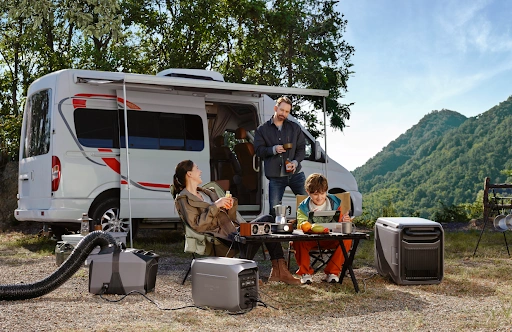
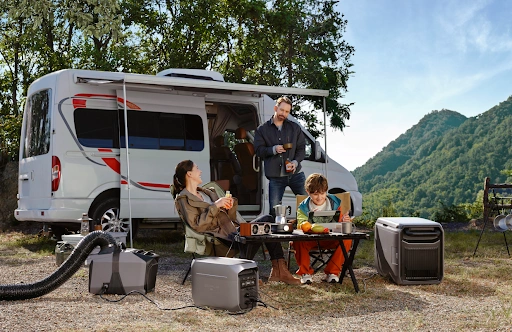
One of the primary challenges of camping in a park with limited facilities is not having power. Your camp spot is beautiful, but it has no power. If you have your own reliable energy source, it can change everything.
Run High-Wattage Gear Without Hookups
Staying at a site without power can be challenging when your appliances won’t run. The EcoFlow DELTA 3 Max Plus + 2 × 220W Solar Panel is essentially a portable wall outlet you can take anywhere. Its biggest benefit is its ability to support multiple high-wattage devices simultaneously. Whether you’re brewing a fresh pour-over coffee at sunrise or keeping a portable fridge running to keep steaks fresh, it handles the load with ease. Even on a rainy, chilly night when you want to plug in a portable fan to stay cool or even a small electric heater for those surprisingly chilly 50-degree mountain nights, it can do that. Plus, the charging speed is very quick. You can hit an 80% charge in just 43 minutes with generator charging.
Expand Battery Capacity for Longer Stays
If you’re not sure exactly how many days you’ll be staying in the mountains, you need some flexibility to stay powered. The EcoFlow DELTA 3 Plus + 220W Solar Panel is designed to be compact but offer a lot of power. This makes it perfect to bring and still fit in a crowded trunk. One of its best features is the expandable capacity. If you suddenly decide to stay an extra night, you can simply add more power to double your runtime. For gadgets like phones and laptops, it provides incredibly stable power. Another great feature is the fast in-car charging. While you’re driving between overlooks in the Smokies, it’s silently topping off in the back. It comes with a five-year warranty and is built for durability. It’s a solid investment for many camping seasons to come.
Charge Your Power Station on the Go
Since you’ll likely be driving the Newfound Gap Road or the Cades Cove Loop, use that time wisely. Plug your power station into your 12V car outlet to keep the battery topped off between stops.
Use Solar Panels for Campsite Charging
If you’re staying in one location for a few days, let the sun do the work. It’s easy to set up a few portable solar panels next to your tent. Then you can keep your gear running quietly, without the noise of a generator.
Power Lights, Fridges, And Cooking Gear
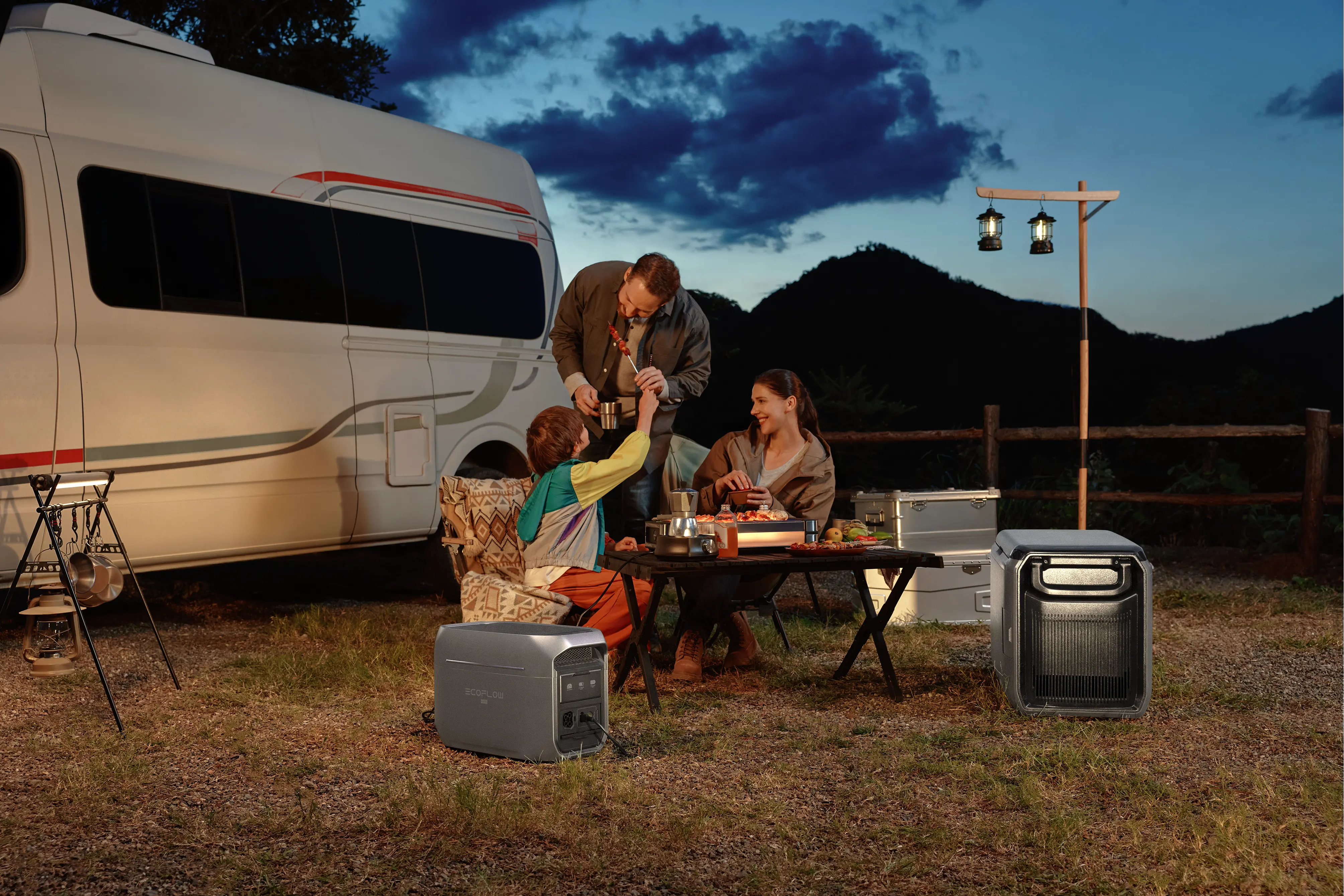
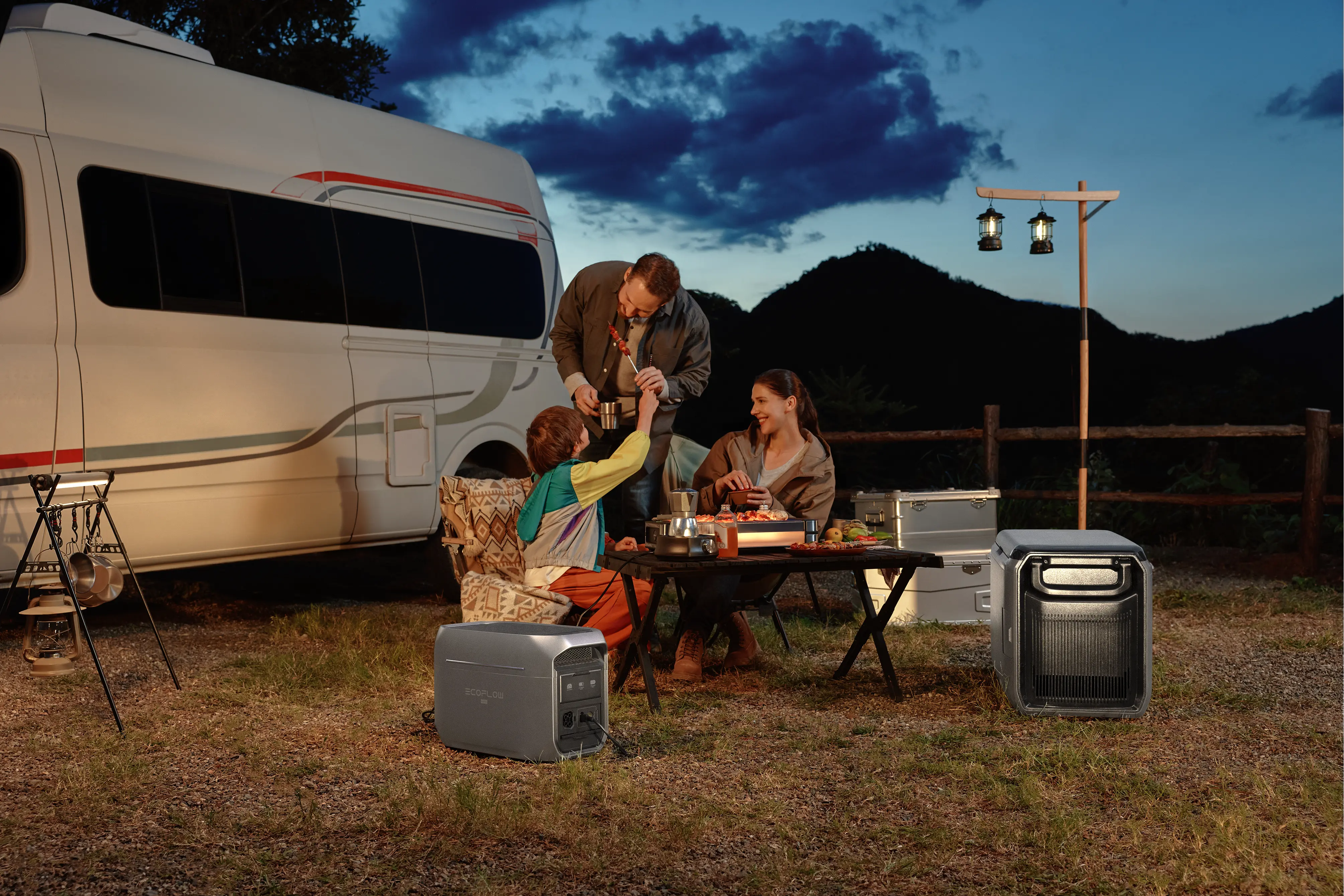
If you have a central power hub, this allows you to move beyond basic flashlights. You can string up LED camp lights, run an electric skillet for a quick breakfast, and keep your phones charged, all at once.
How to Plan a Stress-Free Camping Trip?
Some last minute preparation can make your whole trip go smoothly. Before you pull out of your driveway, run through these final steps.
Create a Final Pre-Trip Gear Checklist
Don’t wait until you’re at the campsite to go through all your camping supplies. Double-check your cooking gear, sleeping pads, and first-aid kit at least two days before you leave.
Download Offline Maps Before Entering the Park
As mentioned, cell service is spotty at best. Download the Google Maps area or the NPS app data to your phone. This will keep you from t going the wrong way and then backtrack through the winding mountain roads.
Review Current Seasonal Road Closure Updates
Some roads, like the one to Clingmans Dome or Roaring Fork, close during the winter months and sometimes for maintenance. Check the park’s official Twitter or website for up to date alerts before you go.
Double-Check Your Reservation Before Leaving
Screenshots are a great quick confirmation. Bring a digital or printed copy of your reservation confirmation and your parking pass. Have them ready to go since you may not have cellular service at the ranger station.
Conclusion
Camping in the Great Smoky Mountains is a fantastic experience for any outdoor enthusiast. It’s a place where you can disconnect from the digital noise and reconnect with the rhythm of the woods. Begin by picking the right campground and mastering the booking system. Next, prepare for the off-grid lifestyle and bring the right power solution. Then grab your gear and you’re set up for an unforgettable adventure.
FAQ
Do You Have to Pay to Enter the Smoky Mountains?
No, there is no entrance fee for the park, but you are required to purchase a valid parking tag if you plan on stopping for more than 15 minutes.
Do Any Campgrounds in the Smokies Have Showers?
Currently, Look Rock Campground is the only federally managed campground within the park that offers modern shower facilities. For all other locations, you will need to visit nearby towns like Townsend or Cherokee to find pay-showers. You can also try private campgrounds or local businesses.
Can You Take Dogs to the Wilderness at the Smokies?
Dogs are allowed in campgrounds and along roads. However, they are strictly prohibited on almost all hiking trails to protect the wildlife and your pet. Before heading out, it is highly recommended to read some tips on camping with dogs to ensure you and your furry friend have a safe and enjoyable stay.
Are Great Smoky Mountains Open in the Winter?
Yes, the park is open year-round. Some secondary roads and specific campgrounds close during the colder months due to snow and ice.
For press requests or interview opportunities, reach out to our media team
media.na@ecoflow.com