Average Electric Bill in New York 2026: NYC and Upstate Compared
- Average New York Electric Bill in 2026 at a Glance
- NYC vs Upstate Electricity Costs: What Changes and Why?
- What Drives New York’s High Electric Bills?
- How to Read an NY Electric Bill and Spot What You Can Control
- Ways to Lower Your Bill without Sacrificing Comfort
- Frequently Asked Questions
- Make Your Energy Costs More Predictable in New York
New York faces some of the highest electricity costs in the country, but electric bills vary widely within the state. NYC and Upstate New York residents may both see similar electricity rates, but experience notably different bills due to delivery charges, housing structure, and several other factors. Find out why electric bills vary, what drives up costs, and how to lower your bill in New York.
Average New York Electric Bill in 2026 at a Glance
As of March 2026, the average residential electricity rate in New York is 28.55 cents per kWh, though rates vary widely by region and utility supplier. This rate is well above the national average rate of 18.56 cents per kWh. In 2024, New York residents averaged a consumption of 571 kWh a month.
At 28.55 cents, New Yorkers would pay roughly $163 per month for electricity. This number doesn’t account for added fees that can push the average electric bill closer to $200.
New York has a deregulated energy market, meaning residents can choose their electricity supplier or purchase it from their traditional utility company. NYSEG and National Grid cover most residents in Upstate New York, while Con Edison covers most of New York City.
The average monthly bill with Con Edison was $112.75 in 2025. The average monthly bill with National Grid was $128 in 2025. The average monthly bill with NYSEG was $147 in 2025.
NYC electric bills are often lower than Upstate New York bills because most residents live in apartments that consume less electricity compared to standalone houses that require more energy to heat and cool.
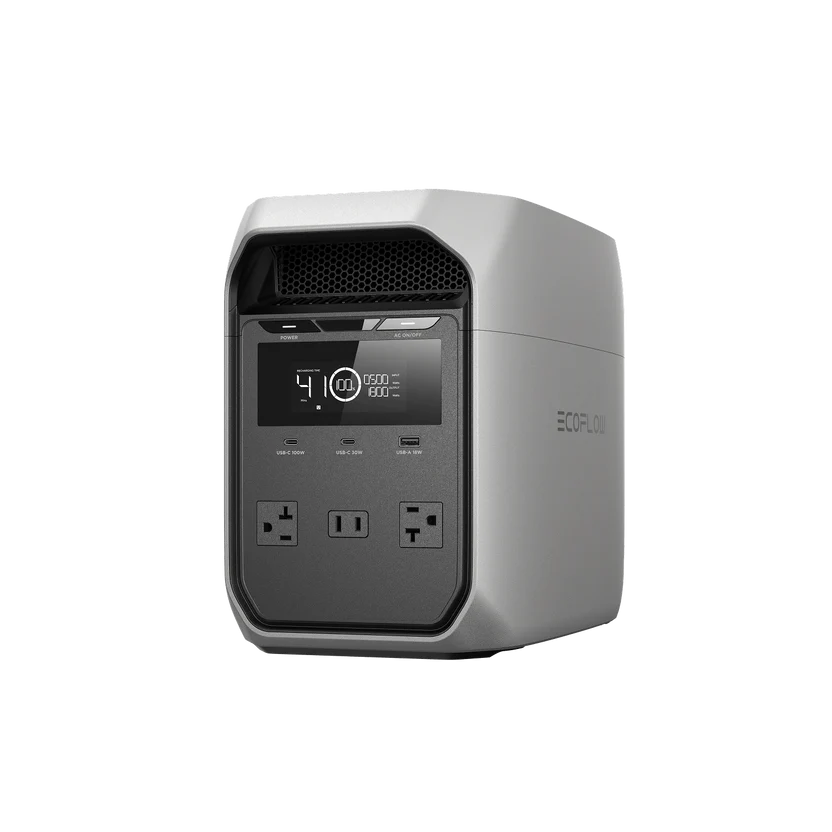
The EcoFlow DELTA 3 Classic Portable Power Station can offset electricity costs by charging during off-peak hours and discharging when rates are high. Explore sustainable energy and reduce your dependency on the grid.
NYC vs Upstate Electricity Costs: What Changes and Why?
Several factors influence the discrepancies between NYC and Upstate electricity costs, with delivery charges and housing density being the greatest drivers.
NYC experiences higher delivery charges, i.e., what you pay for the infrastructure that brings power to your house. This is due to the cost of maintaining complex urban infrastructure.
Even with higher delivery charges, NYC manages lower monthly bills because of its housing density. Most of NYC’s population lives in apartments, and the shared walls drastically reduce apartment electric bills due to lower heating and cooling costs. Upstate residents typically live in larger, standalone homes that require much more energy to heat and cool.
What Drives New York’s High Electric Bills?
Multiple factors contribute to New York’s high electric bills.
Infrastructure Upgrades: Utility companies have recently increased investments in infrastructure in response to aging components, storm recovery, clean energy mandates, and demand. These upgrades impact customers’ bills in the form of delivery charges.
Reliance on Natural Gas: Over half of New York’s electricity is generated by natural gas. Wholesale electricity prices depend on fuel costs, so when fuel costs rise, so do electricity rates.
Supply vs. Demand: Electricity demand is slowly rising from growing electrification, electric vehicles, and data centers. Meanwhile, New York’s grid has experienced reduced generation, retiring 4,315 MW worth of capacity while only adding 2,274 MW to replace it. Growing demand puts pressure on the limited supply, driving up utility costs.
As demand grows and rates climb, more New York homeowners are turning to whole-home backup power solutions to reduce grid dependence and stabilize their energy costs.
How to Read an NY Electric Bill and Spot What You Can Control
New York electric bills have two main components: supply and delivery.
Supply charges cover the cost of electricity, typically listed in cents per kWh. Because New York’s energy market is deregulated, customers can shop around for more affordable suppliers.
Delivery charges cover the cost of transporting and distributing energy to your home through the utility’s grid. While you can choose a supplier, your local utility will deliver the power.
Since delivery charges are relatively fixed, your electricity usage largely influences the supply charge. Beyond those two, your bill may also include a customer service charge, state and local taxes, and other fees.
Ways to Lower Your Bill without Sacrificing Comfort
If you want to lower your bill without sacrificing comfort, consider upgrading to a heat pump that can heat and cool homes more efficiently. Utilize time-of-use pricing to run your dishwasher, laundry, and other high-draw appliances when off-peak electricity rates are lower.
An energy audit can also help you identify where your home can be more efficient. Common recommendations include air sealing and insulation, HVAC repairs, and appliance upgrades.
Next, try to eliminate phantom loads using smart power strips. Entertainment systems can continue to draw power in standby mode, which drives up electric bills.
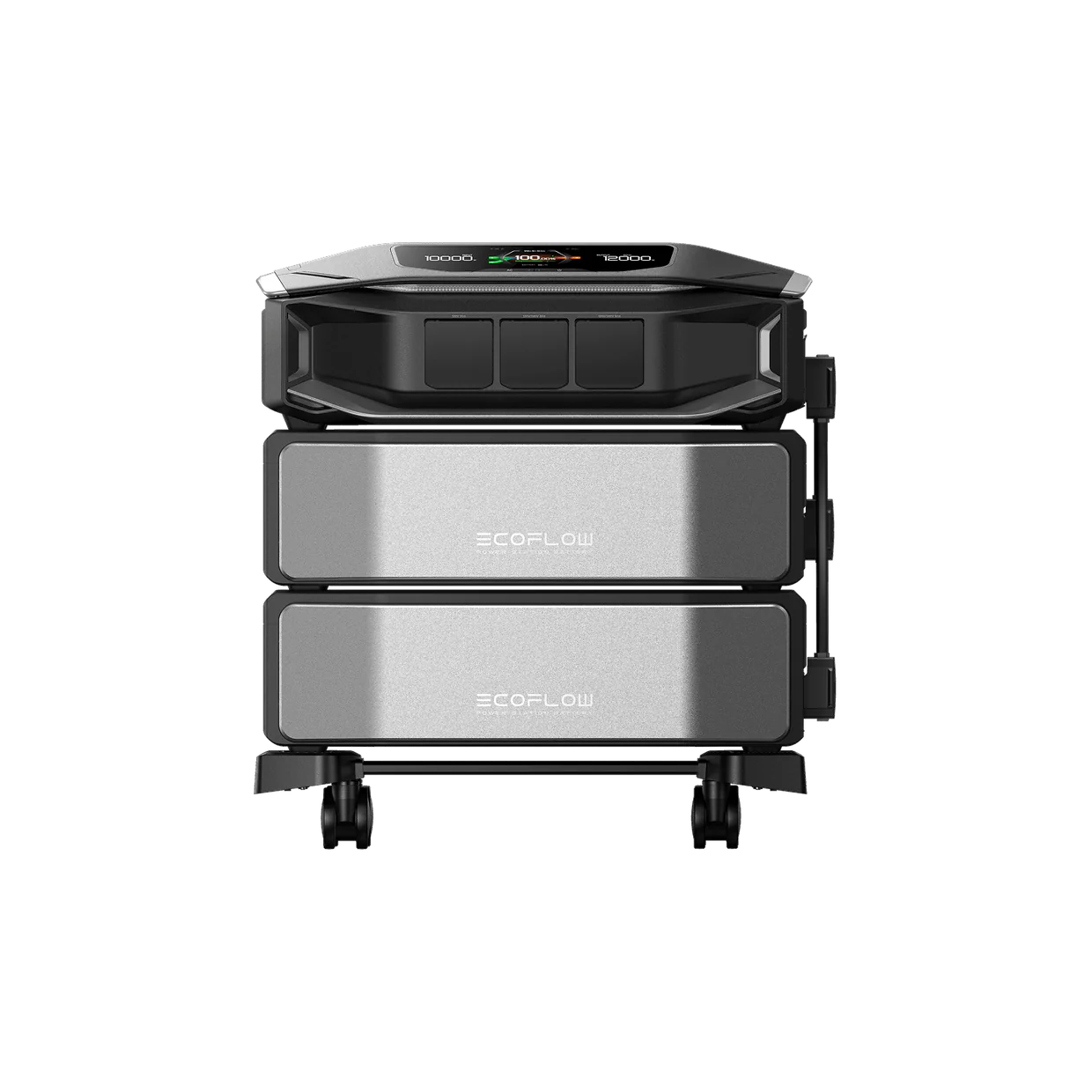
Lastly, consider investing in solar with battery storage, like the EcoFlow DELTA Pro Ultra X Whole Home Backup Power. Note that New York offers a range of solar incentives, including the Megawatt Block program and New York Solar Energy System Equipment Credit.
Frequently Asked Questions
What is the Average Electric Bill in New York in 2026 for NYC Compared to Upstate?
The average 2026 electric bill in New York City ranges from $75 to $240, depending on the season, apartment size, and heating type. Upstate electric bills are typically higher.
Why is New York’s Electricity Rate Higher Than the National Average?
A combination of aging infrastructure, grid modernization, natural gas prices, and high delivery charges has pushed New York’s electricity rates above the national average.
How do ESCOs Work in New York, and How Do I Avoid Overpaying?
New York has a deregulated energy market, so customers can choose their electricity supplier, called an Energy Service Company (ESCO). ESCOs can offer competitive fixed rates that protect you from utility price swings, but watch out for termination fees, variable rate provisions, and auto-renewal clauses.
Can a Portable Power Station Help Lower an Electric Bill in New York?
Portable power stations can help manage energy costs by storing cheaper off-peak electricity and discharging it during peak periods. Paired with a solar panel, they can make a meaningful impact on your electric bill.
Make Your Energy Costs More Predictable in New York
New York energy bills are among the highest in the nation, driven by infrastructure costs, clean energy investments, and growing demand. NYC faces higher delivery charges than Upstate, but its housing structure translates into less consumption.
Make energy costs easier to handle with EcoFlow.
For press requests or interview opportunities, reach out to our media team
media.na@ecoflow.com