How an Alternating Current to Direct Current Converter Works
- AC vs. DC: What’s the Real Difference?
- How Does an Electrical Converter AC to DC Work?
- Step-by-Step Guide for Alternating Current to Direct Current Converters
- What Types of AC to DC Converters Are Common in the U.S.?
- What Are the Common Applications of Alternating Current to Direct Current Converters?
- Conclusion
- FAQ
If you’ve ever plugged in your phone or laptop and wondered what’s actually happening behind the wall, you’re definitely not alone. Most people don't realize that the power coming out of a standard U.S. outlet isn’t actually what your devices "eat." Your electronics crave a steady, controlled stream of energy, but the grid delivers something a lot more chaotic.
Bottom line? That’s where AC to DC conversion saves the day. It’s the process that reshapes raw, "jittery" electrical power into a smooth form your gadgets can handle 24/7. From that tiny cube charging your iPhone to those beefy home backup systems sitting in the garage, this conversion is happening constantly. It's the quiet middleman powering pretty much everything in your life.
AC vs. DC: What’s the Real Difference?
Before we get into the "how," we have to look at the "what." In the U.S., electricity isn't just one flavor. It comes in two distinct forms, Alternating Current (AC) and Direct Current (DC), and they don't play by the same rules
Alternating Current with Changing Voltage Direction
AC is what’s humming through your walls right now. Instead of flowing in a straight line, it’s constantly pulling a U-turn, switching directions about 60 times every single second (that’s the 60Hz you see on spec sheets). Why do we use it? Because it’s incredibly efficient for moving power across hundreds of miles of transmission lines without losing too much steam. The catch is that this "back-and-forth" motion is way too frantic for the delicate chips inside your phone.
Direct Current with One-Way Power Flow
Direct Current is exactly what it sounds like. It moves in one direction, period. It’s steady, predictable, and calm, which is why your laptop loves it. You’ll find DC in every battery on the planet and deep inside the circuitry of your smart home tech.
Think of it this way: AC is like a chaotic tide coming in and out, while DC is a steady stream from a faucet. Sure, raw DC can have some minor "noise," but once it’s filtered, it’s the clean energy that keeps your expensive gear from frying.
How Does an Electrical Converter AC to DC Work?
Turning that frantic AC wall power into something your laptop can actually "digest" isn't a one-and-done deal. It’s more of a multi-stage cleaning process. Think of it like a water filtration system, you’re taking raw, "dirty" energy and refining it until it’s crystal clear.
Rectification with Diodes and Bridge Rectifiers
The process starts with rectification. Diodes act like one-way gates, allowing electricity to flow in only one direction. In most converters, a bridge rectifier uses four diodes to redirect the negative portion of the AC wave so everything moves in a single direction. This foundational step is essential in systems like a portable power station, where AC power must first be converted before it can be stored and used.
Converting AC Cycles into Pulsating DC
Even after rectification, the power is still pretty uneven. That’s where capacitors come in. These little guys act like tiny temporary batteries, they soak up energy when the voltage spikes and dump it back out when the voltage dips. This fills in the gaps, or "ripples," creating a much more consistent flow.
Voltage Step-Down and Regulation
Power from a standard U.S. outlet comes in at around 120V, while most electronics need much less. A transformer lowers the voltage, and a regulator keeps it steady even if the input shifts slightly.
Stable DC Output for Electronic Devices
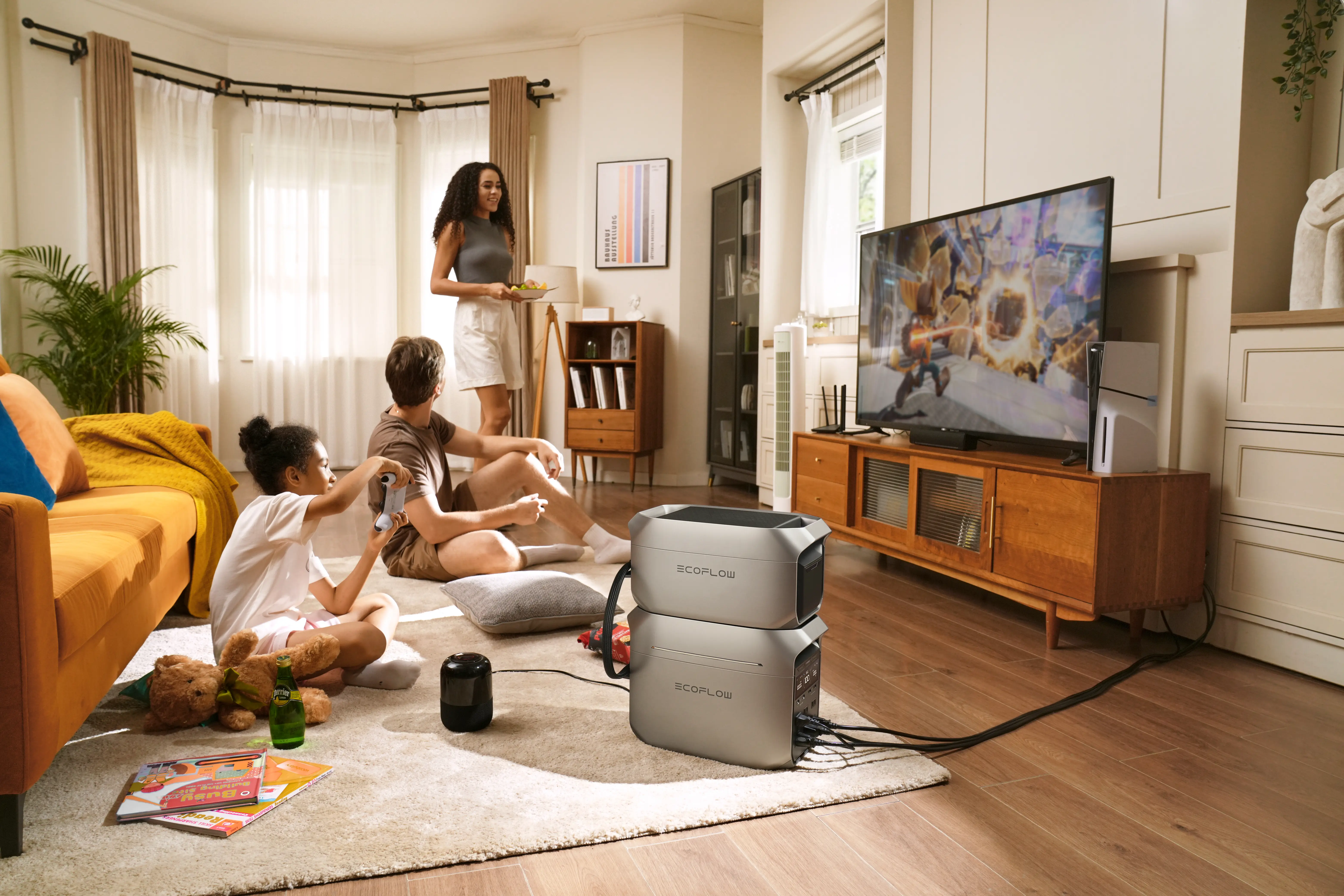
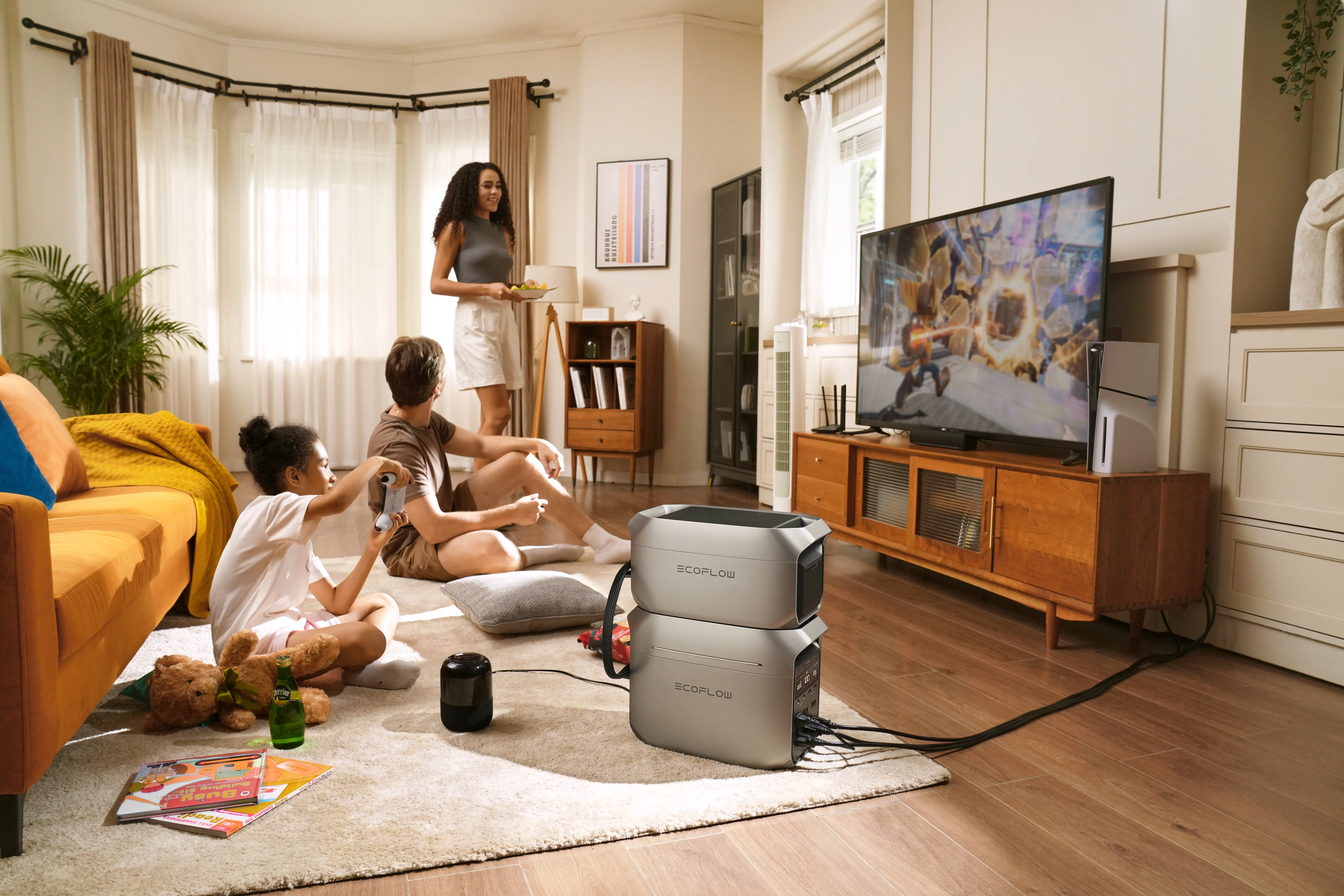
In the old days, you’d need a literal box of heavy components to do this. Nowadays, everything is packed into sleek, high-tech units. Take something like the EcoFlow DELTA 3 Plus Portable Power Station, it handles this entire "cleanup" process internally. You just plug your laptop or a coffee maker into it, and the station does the heavy lifting of ensuring the voltage stays rock-solid, no matter what’s happening with the input.
| Type | Efficiency | Size | Typical Use | Pros | Cons |
|---|---|---|---|---|---|
| Linear Supply | Low | Large | Older electronics | Quiet, stable output | Heavy, inefficient |
| SMPS | High | Small | Modern devices | Lightweight, efficient | Can generate EMI |
| Wall Adapter | Medium | Small | Phones, routers | Plug-and-play | Limited power |
| USB-C PD Adapter | High | Tiny | Fast charging | Device voltage negotiation | Device-dependent |
Modern power solutions continue to shrink in size while improving efficiency. Whether it’s a small wall adapter or a larger energy system, the goal stays the same, delivering stable DC power from an AC source without interruption.
Step-by-Step Guide for Alternating Current to Direct Current Converters
Even though this whole process happens faster than you can blink, it follows a very specific "cleanup" routine. Here’s exactly how that 120V from your wall becomes the 5V or 20V your phone actually needs.
AC Input from 120V Wall Outlet
Every conversion starts with the AC power sitting in your home’s grid. In most U.S. houses, that’s your standard 120V/60Hz outlet. However, if you’re running heavy-duty appliances or a workshop, you might be looking at 240V circuits.
Here’s where it gets interesting: some high-end systems are designed to bridge the gap between both. Take the EcoFlow DELTA Pro Ultra X Whole-Home Backup Power, for example. It’s built to handle both 120V and 240V inputs, which is a huge deal for fast charging. It’s not just a giant battery sitting there; it’s a sophisticated converter that drinks in whatever AC power you give it and turns it into rock-solid DC energy for the whole house.
Rectification to Pulsating DC
As that electricity hits the converter, those rectifier diodes we talked about earlier go to work. They force the back-and-forth AC waves to move in a single direction. It’s "DC" at this point, but it’s still pulsing, sort of like a heartbeat instead of a steady flow.
Capacitor Filtering for Smoother Output
Next up, the capacitors act like energy shock absorbers. They store a tiny bit of power when the voltage is high and let it out when it drops. This basically "fills in the potholes" of the electrical current, turning those pulses into a much smoother stream.
Voltage Regulation and Feedback Control
This is the "brain" of the operation. The system constantly watches the output to make sure it stays exactly where it needs to be. If there’s a sudden spike in your home’s power (like when the AC kicks on), the regulator clamps down to make sure your sensitive electronics never even feel the "hiccup."
Stable DC Output to Devices
Finally, that stabilized power is delivered through your USB ports or DC outputs. The result? Your gadgets get a steady, reliable diet of energy that keeps them running safely for years, not just months.


What Types of AC to DC Converters Are Common in the U.S.?
You’re probably surrounded by these things right now. From that "brick" on your laptop charger to the tiny cube for your phone, AC-to-DC converters come in all shapes and sizes depending on how much "juice" a device needs.
Linear AC-DC Power Supplies
If you’ve ever picked up an old stereo or an ancient piece of lab gear and wondered why it weighed 20 pounds, you were likely feeling a linear power supply. These use massive transformers to step down the voltage. They’re super quiet and provide a very "clean" signal, but they’re also bulky, heavy, and get pretty hot because they aren’t very efficient. You don't see these much in modern consumer tech anymore.
Switch Mode Power Supplies (SMPS)
This is the tech inside almost everything you own today. Instead of using a giant, heavy transformer, Switch Mode Power Supplies (SMPS) rapidly "flicker" the power on and off thousands of times per second to get the right voltage. They’re tiny, incredibly efficient, and barely weigh a thing. It’s why your laptop charger is a sleek brick instead of a literal cinder block.
Wall Adapter Power Converters
We’ve all got a drawer full of these. Whether it’s for a Wi-Fi router, a smart speaker, or an LED desk lamp, these small blocks plug directly into your 120V outlet. They’re the ultimate "plug-and-play" solution for low-power gadgets that just need a steady 12V or 5V stream to stay alive.
USB-C PD Fast Charging Adapters
This is the newest kid on the block. Unlike older chargers that only put out one voltage, USB-C PD (Power Delivery) adapters are smart. They actually "talk" to your device, whether it’s a tiny pair of earbuds or a beefy MacBook, and negotiate exactly how much power to send (anywhere from 5V up to 20V). It’s faster, safer, and means you can finally use one charger for almost everything.
What Are the Common Applications of Alternating Current to Direct Current Converters?
It’s easy to forget that almost everything with a screen or a battery is basically a DC device living in an AC world. Because our homes are wired for 120V alternating current, these converters are the unsung heroes keeping our tech from "choking" on the wrong kind of power.
Electronics Power Adapters and Chargers
This is the most obvious one. Every single phone, tablet, and laptop you own relies on a converter to "digest" wall power. Without that little charging brick, your iPhone’s battery wouldn't just fail to charge, it would likely be fried the second you plugged it in. These chargers are essentially miniature, smart conversion factories.
Household Appliances and Consumer Devices
It’s not just small gadgets, either. Your LED TV, the microwave, and even that smart fridge in the kitchen are doing this internally. While they might plug into a standard AC outlet, their "brains", the microchips and sensors all run on low-voltage DC. They’ve got the conversion hardware tucked away inside their chassis, working quietly in the background.
Rechargeable Battery Charging Systems
Here’s a rule of thumb: if it has a battery, it’s a DC device. Whether you’re talking about an electric toothbrush, a cordless drill, or even an EV (Electric Vehicle) in the driveway, the charging process always involves turning the grid's AC into DC. It’s the only way a battery can actually store energy for later use. This same internal conversion is what allows a solar generator to store power and deliver it in a usable form when you need it.
Industrial Motor Drives and Control Systems
If you head into a factory or a warehouse, AC-to-DC conversion is what allows for "precision." It’s how we control the speed of massive conveyor belts or the torque of a robotic arm. By converting the power first, industrial systems can fine-tune exactly how much energy goes to a motor, which is the secret to modern automation.
Conclusion
Understanding how AC-to-DC conversion works is basically like getting a peek under the hood of your entire digital life. What looks like a simple "plug-and-play" moment is actually a high-speed cleanup crew working in the background. Grasping the differences between converters vs. inverters helps you see how power flows both ways—from the grid to your battery and back to your appliances. By the time that electricity hits your device, it’s been through a lot, flipped by rectifiers, smoothed by capacitors, and "policed" by regulators. Whether it’s that tiny cube in your pocket or a massive backup system like the EcoFlow DELTA series, this process is what keeps our sensitive gear from being fried by the grid.
FAQ
1. Why is DC current not used in homes?
The short answer? Distance. AC is the "long-haul trucker" of the power world. It’s incredibly efficient to send across the country at massive voltages and then step it down once it hits your neighborhood. DC, on the other hand, loses a lot of steam over long distances, which is why the grid relies on AC to get the power to your front door.
2. Can you convert 24VAC to 24VDC?
You can, but it’s not as simple as flipping a switch. If you run 24VAC through a bridge rectifier and a capacitor, your voltage is actually going to jump up to around 33V at its peak. To get a rock-solid 24VDC, you’ll usually need a regulator in the mix to "clamp" it down and keep it from fluctuating.
3. Can I convert AC to DC with a transformer?
Actually, no. A transformer is basically just a "voltage changer", it can turn 120V AC into 12V AC, but it stays in that back-and-forth AC format. To get to DC, you need those diodes (the one-way gates) we talked about earlier to force the current into a single direction.
4. How do you convert 220V AC into 12V DC?
This is a big jump, so you’re looking at a multi-step process: stepping the voltage way down, rectifying it, and then regulating it so it doesn’t spike. Honestly? Most people just grab a pre-built AC-DC adapter. It’s safer, more reliable, and a lot easier than trying to DIY a high voltage conversion.
5. Is DC always 12V?
Not even close. While 12V is the "classic" standard for car batteries and some camping gear, DC comes in all flavors. Your phone usually charges at 5V, while beefier setups or industrial gear might run on 24V or even 48V. This is a key consideration when learning about the difference between inverters and converters, especially when setting up power for your camper. It all depends on what the device was built to handle.
For press requests or interview opportunities, reach out to our media team
media.na@ecoflow.com