32 Circuits vs 12 Circuits: Why More is Better (SHP3 vs SHP2)
Different smart home panels (SHPs) offer different levels of backup power, with circuit count being one of the biggest factors determining how much of your home can stay powered up with your home backup system. While traditional backups typically focus on a few essential loads, modern SHPs with higher circuit counts are perfect for whole-home energy management. This article will help you understand the difference between 12 circuits and 32 circuits and how that impacts the design and use of your backup power system, as well as exploring solutions like the EcoFlow Smart Home Panel 3.
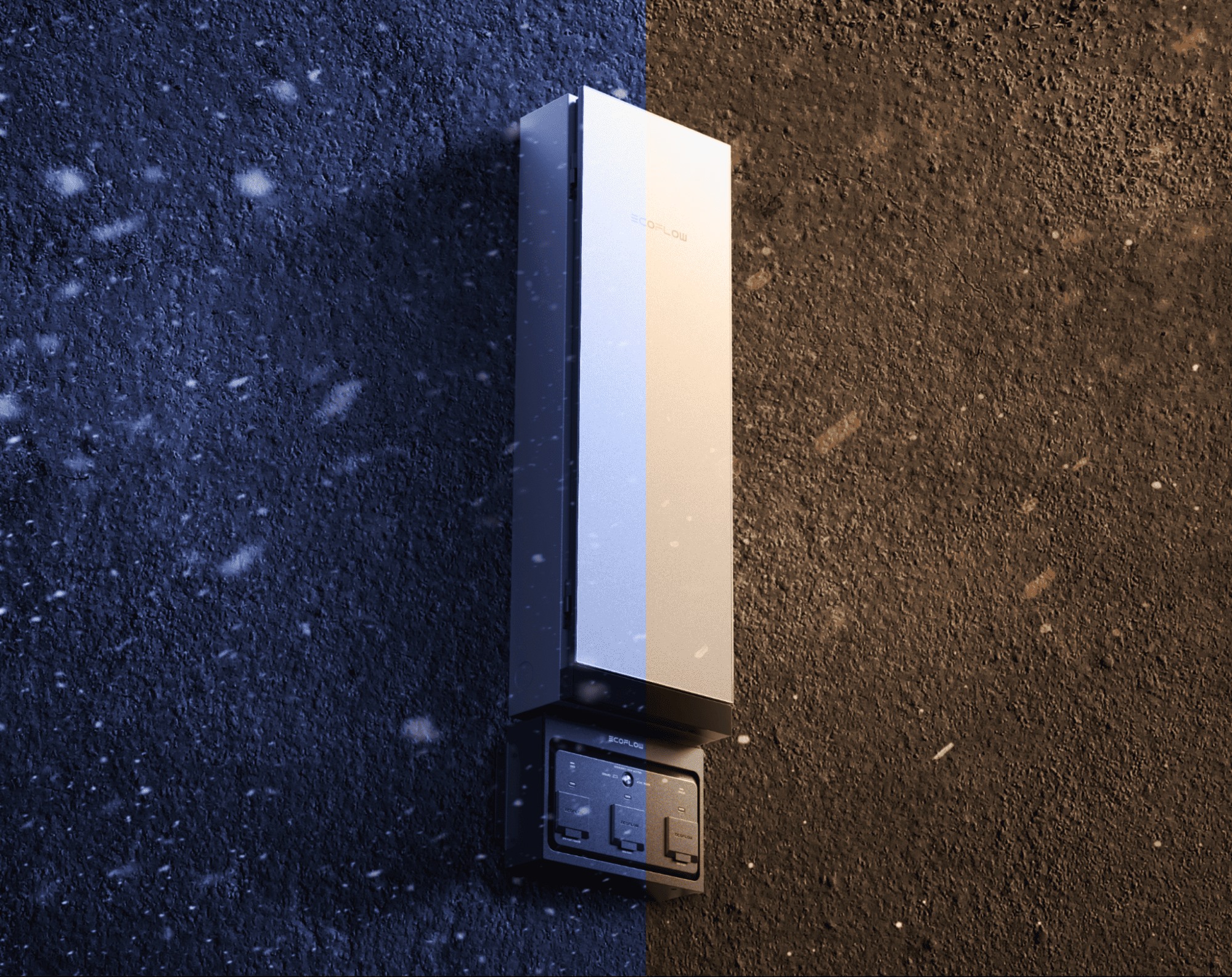
What Is a Smart Home Panel?
A smart electrical panel is similar to a traditional panel in that it has circuits that distribute your home’s electricity. However, along with traditional circuit protection and power distribution, an SHP also offers intelligent monitoring, control, and automation.
A smart panel works using advanced algorithms and connectivity features, adding layers of intelligence that allow you to monitor real-time home energy production and consumption and remotely control circuits. They also allow you to create highly optimized energy management scenarios, like prioritizing EV charging when solar output is high or prioritizing your fridge and freezer over other lower-priority circuits during a power outage.
Why Circuit Count Matters for Home Backup
With home battery backup systems, circuit count will determine how much of your home can be powered during an outage, and it may affect the efficiency of your battery storage. If the circuit count your backup system is connected to is limited, you’ll need to prioritize essential appliances, which is fine for those who only want to power fridges, routers, or lights.
However, if you want a whole-home backup power system, you need more circuits to support additional loads like HVAC, kitchen appliances, pumps, home offices, and more without having to manually manage them. You can even prioritize essential circuits using your EcoFlow app, scale back non-essentials, and extend your runtime by 40% or more.
Smart Home Panel 2 vs Smart Home Panel 3
EcoFlow Smart Home Panel 2 (SHP2)
The EcoFlow Smart Home Panel 2 (SHP2) is a smart subpanel with 12 circuits. Unlike a traditional subpanel that only offers circuit distribution and manual control, the SHP2 offers intelligent energy management, perfect for handling batteries, generators, and solar panels. Its 20 ms auto-switchover will protect your sensitive electronics and keep your essential appliances running even when you’re not home. And with NEMA 3R protection, the distribution panel can be placed indoors or outdoors.
The SHP2 also monitors incoming weather and prepares you for potential outages ahead of time, including automatically charging your batteries before an extreme weather event and setting priority circuits during outages to extend your backup.
Since you can monitor usage and production right from a smartphone app, in-home monitor, or online, you can also access real-time data at any time to help you optimize energy use and save money.
EcoFlow Smart Home Panel 3 (SHP3)
The EcoFlow Smart Home Panel 3 (SHP3) has all the same benefits as the SHP2, including the automatic switchover, easy battery and solar integration, smart energy management and circuit load prioritization, extreme weather monitoring, NEMA 3R protection, and easy real-time monitoring of energy production and consumption right at your fingertips.
When you let the AI handle the charging and discharging of your batteries using TOU (time-of-use) management, solar forecasts, and your energy habits, you can get the lowest cost power at all times. You can also use it with your EV charger and have it prioritize solar EV charging.
However, the primary difference is that the SHP3 has 32 independently controlled circuits instead of the 12 found in the SHP2. This makes the SHP3 the perfect system to use with whole-home backups.
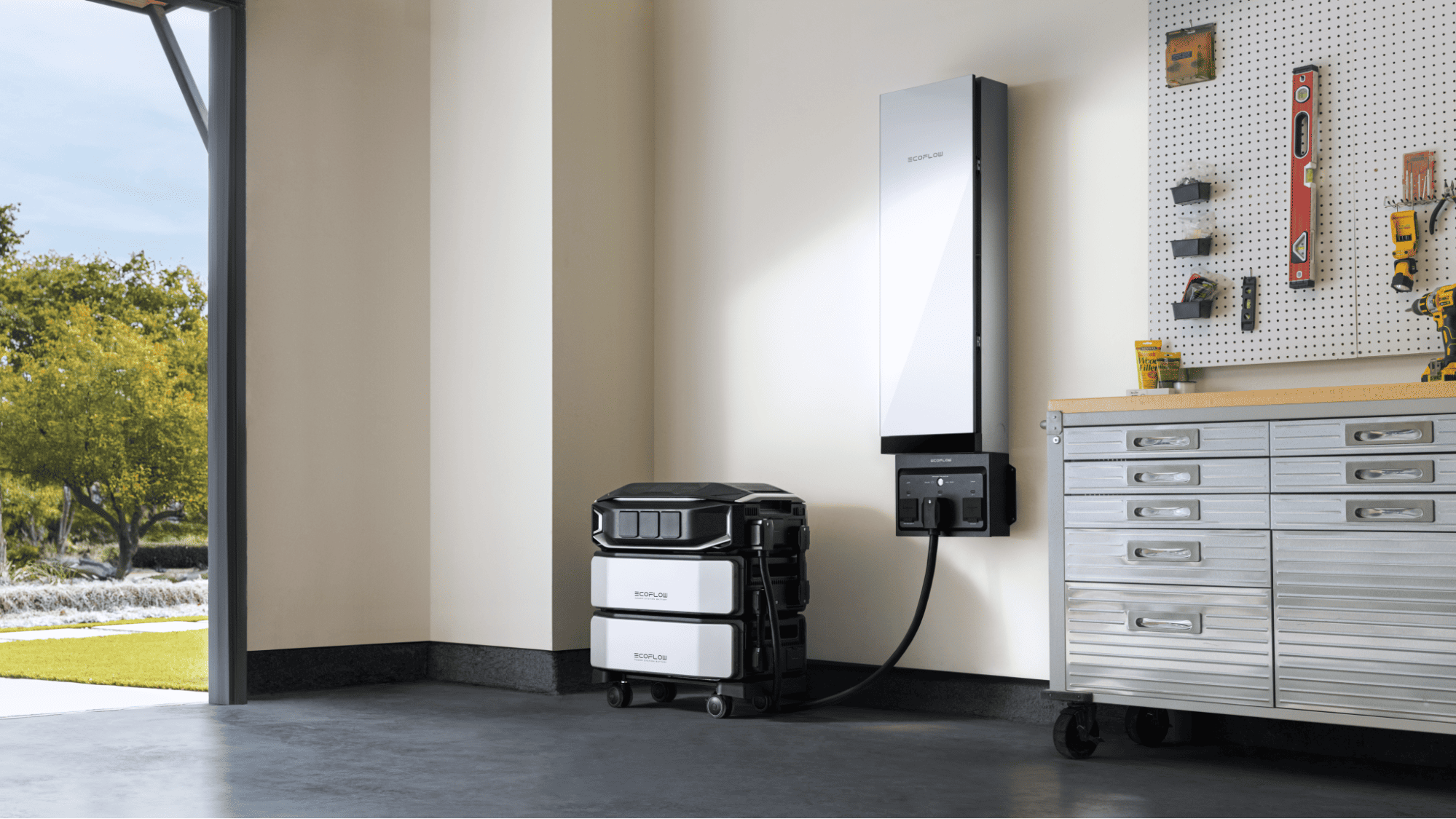
Which Smart Home Panel Is Right for Your Home?
Which SHP is right for you depends on what you want to power.
12 Circuits: What You Can (and Can’t) Power
A 12-circuit panel is ideal if all you need is a subpanel to manage your battery backup, solar production, and to prioritize essential loads. You can actually do quite a bit with a 12-circuit SHP.
However, subpanels, even smart ones, are more limited when it comes to high-power loads, like a central HVAC system that may draw too much power at once, or with whole-home loads due to a limited number of circuits being available.
32 Circuits: How More Circuits Unlock Whole-Home Backup
Those who want a truly whole-home backup solution will want a 32-circuit SHP for greater flexibility and automation. Then you can set up all the circuits in your home to your backup system without having to manually select or unplug/plug in specific appliances.
You can also run heavier loads on a 32-circuit whole-home smart panel, including central HVAC systems, EV chargers, electric dryers, and more.
Frequently Asked Questions
How Many Circuits Does the Average Home Have?
The average home typically has between 20 and 30 circuits. A standard 200-amp panel that comes with most modern homes generally has room for around 40 circuits, but most homes rarely use that many.
What’s the Difference Between Circuit Control and Circuit Capacity?
Circuit capacity is the maximum load that a circuit can handle without tripping it. Circuit control refers to the switches, relays, or apps that allow you to automate or turn on/off the flow of electricity to a particular circuit.
More Circuits Increase Automation, Load Control, and Energy Resilience
Choosing between 12 circuits in the SHP2 or 32 circuits in the SHP3 ultimately comes down to how you want your home to function during a power outage. Do you want real-time monitoring, weather alerts, 20 ms auto switchover, and smart energy management to run some essential circuits? Then the EcoFlow Smart Home Panel 2, which is used as a sub-panel, will work. However, if you want all the same benefits of the SHP2 but with the flexibility of a truly whole-home backup power system with 32 circuits that can handle heavier loads, then the EcoFlow Smart Home Panel 3 is the best choice.
For press requests or interview opportunities, reach out to our media team
media.na@ecoflow.com