How Long Does a Leisure Battery Last: Lifespan and Maintenance Tips
Knowing how long a leisure battery lasts is essential for keeping your caravan, motorhome, or boat powered without interruptions. While traditional leisure batteries have a limited lifespan, portable power stations can offer extra flexibility and backup, helping you run appliances and electronics more reliably. This guide explains typical battery life, factors that affect performance, and practical ways to extend the life of your leisure battery.
What is a leisure battery?
A leisure battery is a deep-cycle battery designed to provide a steady amount of power over a longer period, rather than delivering a short burst of energy. It is commonly used in caravans, motorhomes, boats, and off-grid setups to run appliances, lights, and other electrical equipment when you are away from mains power.
In practical use, a leisure battery stores energy and releases it slowly to support regular everyday needs such as charging devices, powering small appliances, or running onboard systems. Unlike a standard car battery, which is made mainly for starting an engine, a leisure battery is built to handle repeated charging and discharging. Understanding how long a leisure battery lasts off-grid can help you plan energy use and maintenance, making it a more reliable choice for extended power needs.
Types of leisure batteries and their lifespan
Choosing the right leisure battery matters because it affects power time, charging needs, and overall performance. Different types are made for different travel needs, power demands, and budgets. Here are the main types of leisure batteries and their typical lifespan.
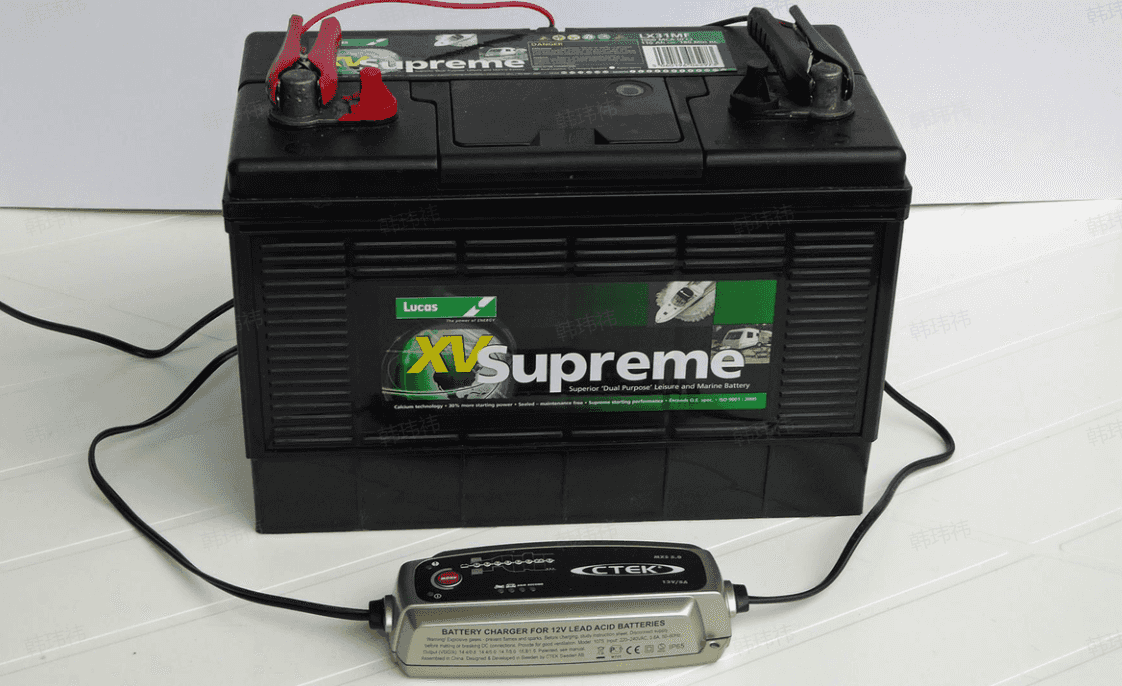
Lead-acid batteries
Lead-acid batteries are the most traditional and budget-friendly option for leisure use. They are widely chosen by people who want a lower upfront cost for caravans, boats, or motorhomes. However, they are heavier than newer battery types, have a shorter cycle life, and often need regular maintenance to keep working well over time.
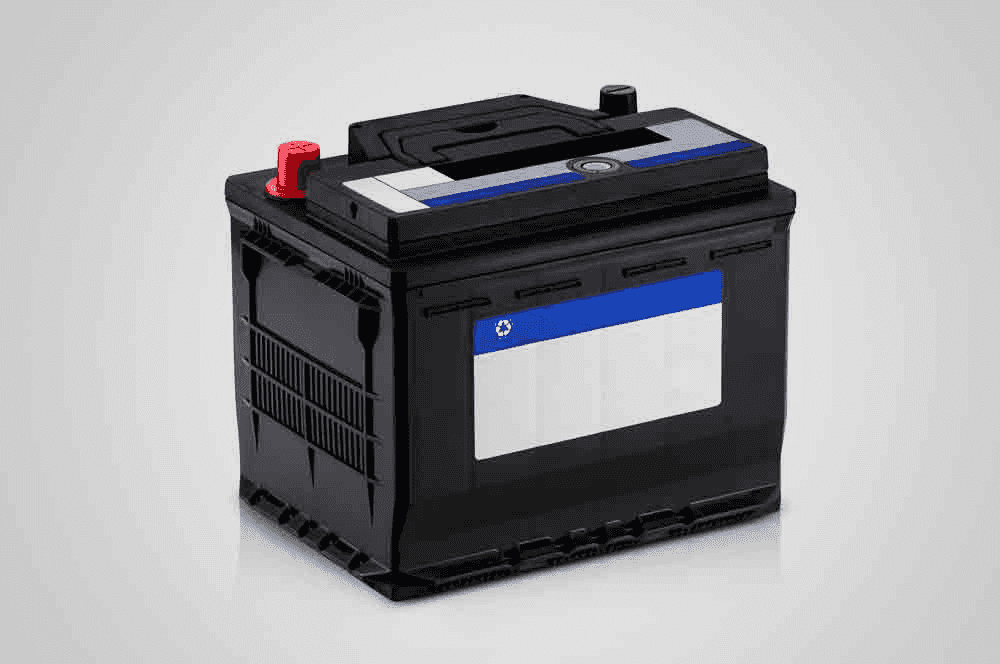
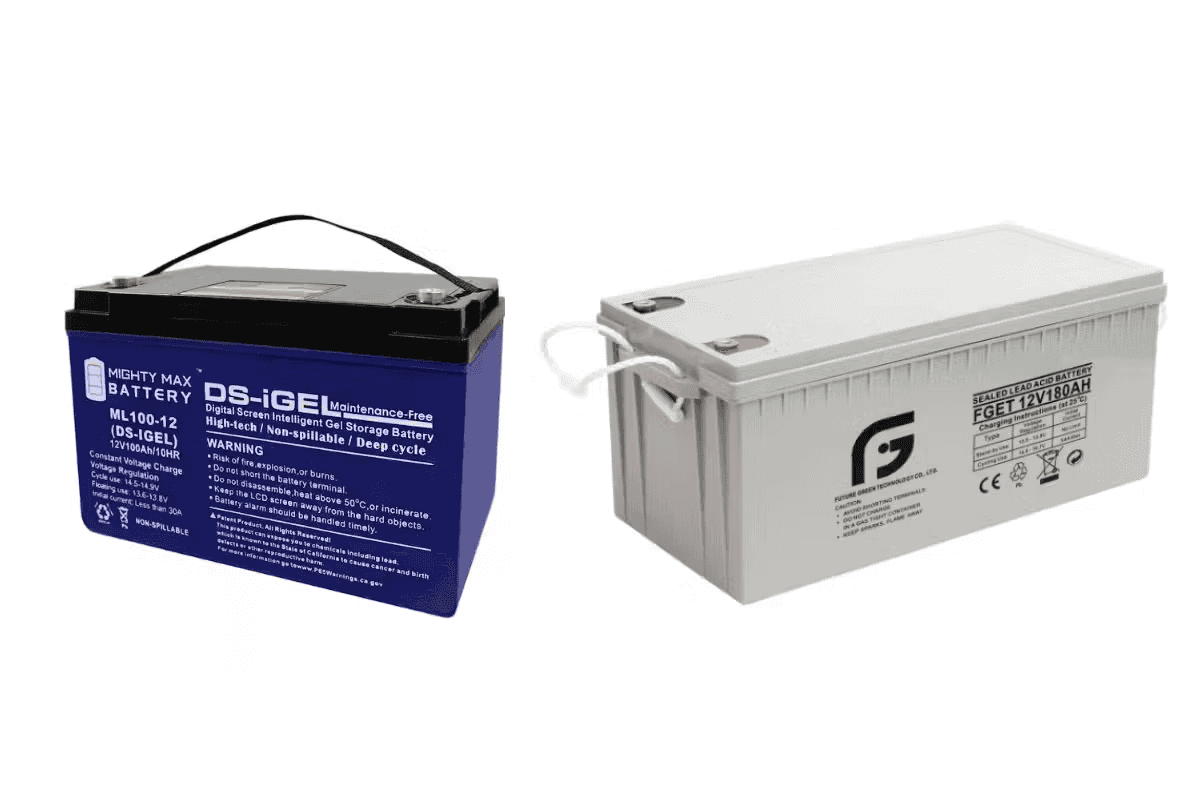
AGM and gel batteries
AGM and gel batteries are a more advanced choice than standard lead-acid batteries, with a sealed design that prevents spills and reduces maintenance. AGM batteries give strong vibration resistance and reliable performance, while gel batteries provide excellent deep-cycle use and steady operation in extreme temperatures. Although they cost more, they deliver better durability and convenience.
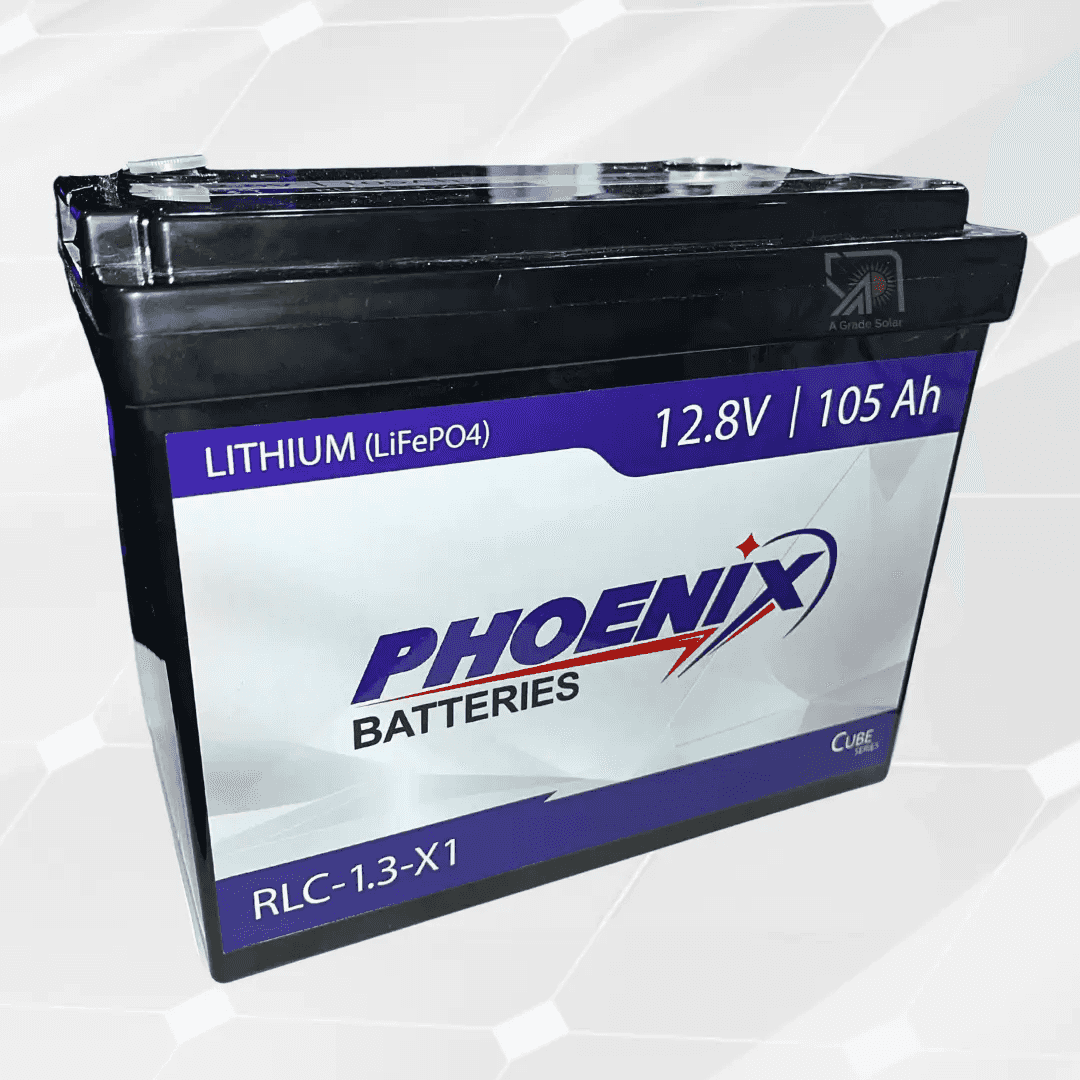
Lithium (LiFePO4) batteries
Lithium batteries, especially LiFePO4 models, are a premium choice for modern leisure power systems. They are much lighter in weight, charge faster, and offer the longest lifespan compared to other battery types. With high energy density and a greater depth of discharge, they deliver strong performance for users who need efficient and long-lasting power, though their initial cost is usually the highest.
Factors that affect leisure battery lifespan
Understanding a few key factors can help you extend leisure battery life and maintain reliable power performance. Battery usage, charging habits, and storage conditions all play a big part in its lifespan. Here are the main factors that affect how long a leisure battery lasts.
Depth of discharge
The deeper you drain a leisure battery, the more stress it experiences, shortening its overall lifespan. Regularly keeping the battery above 50% charge can significantly extend its usable life. For example, a typical deep-cycle 100Ah leisure battery may last 5–7 years with moderate discharges, but only 2–3 years if regularly discharged below 30%.
Charging habits
Improper charging, whether overcharging or undercharging, can damage the battery’s internal cells. Using a smart charger that regulates voltage (typically 13.8–14.6V for 12V batteries) and current helps protect battery health. Consistent and correct charging routines can add 1–2 years to the overall lifespan.
Temperature conditions
Extreme temperatures, either very hot (>35°C) or very cold (<0°C), can reduce a battery’s efficiency and lifespan. Storing the battery in moderate, stable conditions (15–25°C) helps preserve its capacity. Avoid leaving batteries in direct sunlight or freezing environments for long periods.
Usage patterns
Drawing high power continuously, such as running a 1500W inverter for extended periods, drains the battery faster and can cause premature wear. Balanced and moderate usage, such as intermittent appliance use or staggering high-draw devices, ensures the battery lasts longer. Proper energy planning can help a typical leisure battery maintain stable performance for 5–7 years, depending on use and care.
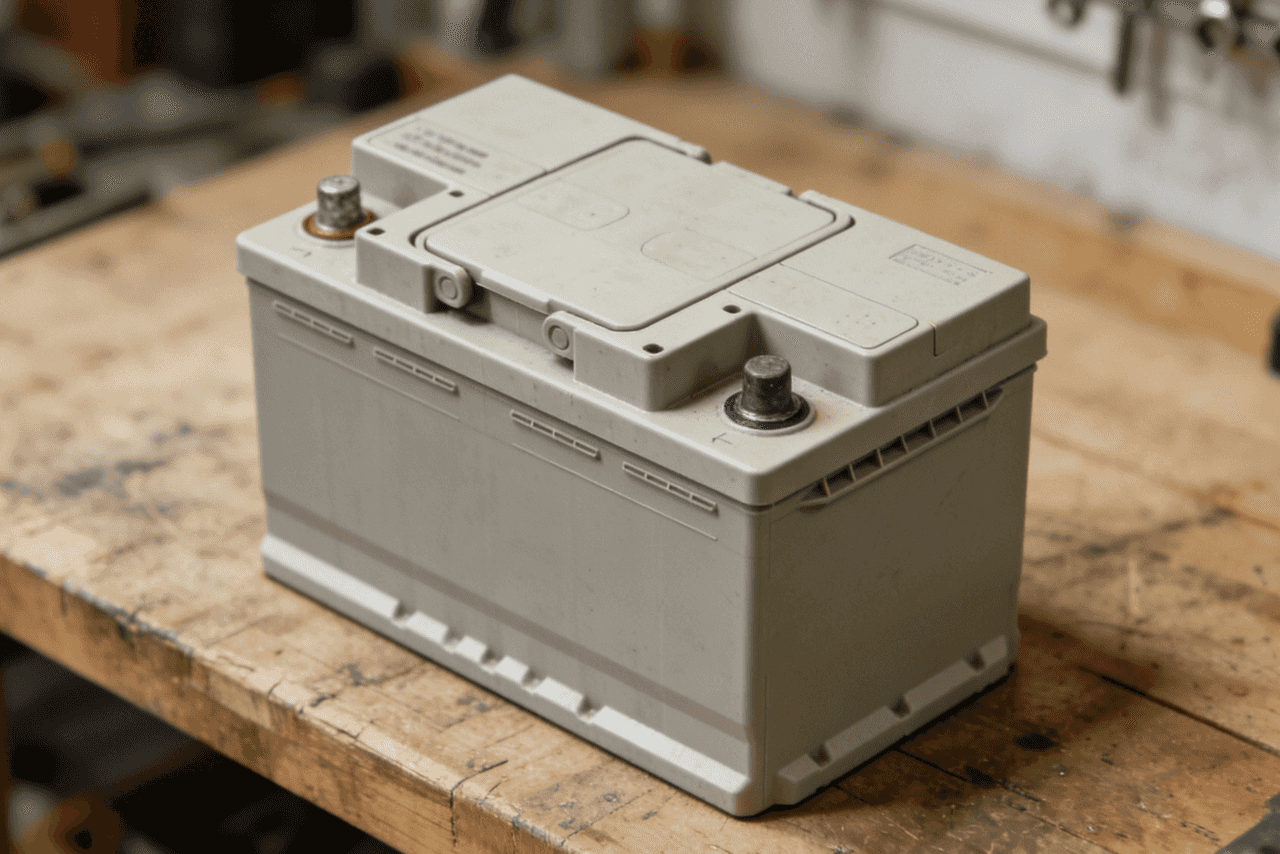
How to prolong the lifespan of your leisure battery?
To get the most from your leisure battery, following proper care and usage practices is essential. Correct handling, regular maintenance, and smart charging habits can help you maximize how long a leisure battery lasts off-grid while keeping it healthy and reliable. Here are some effective tips to help prolong its lifespan.
Avoid deep discharges
Frequently draining a leisure battery completely puts stress on its cells and shortens its life. Keeping the charge above 50% whenever possible helps maintain capacity. Small, regular discharges are much gentler and extend overall battery longevity.
Use proper charging equipment
Using the right charger designed for your battery type prevents overcharging or undercharging, which can damage the cells. Smart chargers regulate voltage and current, protecting the battery's health. Consistently using proper charging equipment ensures long-term, reliable performance.
Store correctly
Extreme temperatures can seriously harm a leisure battery, so storing it in a cool, dry place is ideal. Avoid leaving it in direct sunlight or freezing conditions. Proper storage keeps the battery stable and preserves its overall capacity over time.
Monitor battery health
Regularly checking your battery for signs of wear, swelling, or reduced performance can prevent unexpected failures. Keeping track of charge cycles and performance trends helps you plan replacements on time. Monitoring battery health ensures it remains safe and efficient for extended use.
Portable power alternatives to leisure batteries
Traditional leisure batteries are no longer the only option for portable power. Modern portable power stations, including EcoFlow, provide higher efficiency, longer lifespan, and easier operation for travel, camping, and backup use. Here are two options to provide a more convenient and reliable power solution when mains electricity is not available.
Flexible power for camping & travel: EcoFlow DELTA 3 Classic (1024Wh)
The EcoFlow DELTA 3 Classic is a compact and practical portable power station designed as a portable alternative to small leisure batteries for everyday essentials. With a 1024Wh capacity, it can run everyday essentials such as small appliances, lights, laptops, and travel gear while staying easy to carry for outdoor trips.
One of its main strengths is the strong power output, delivering 1800W rated AC power with 3600W surge output. This makes it suitable for a wide range of daily devices and gives users stable energy for regular off-grid use, short trips, or weekend camping without the limits of a fixed leisure battery setup.
The DELTA 3 Classic also supports fast recharging, reaching 0–80% in about 45 minutes through AC charging. It can also be recharged through solar input, which adds more flexibility for travel, outdoor stays, and mobile lifestyles where dependable power is needed away from standard outlets.
Power management is made easier through smart app control and multiple output options for different devices. EcoFlow also highlights durable LFP battery cells, quiet operation, and a design built for long-term everyday use, making it a practical portable replacement for many basic leisure battery needs.
Best for: Everyday backup power, camping trips, outdoor use, and users who want a portable and simple power alternative to a standard leisure battery.
Powerful energy for demanding needs: EcoFlow DELTA 3 Max Plus
For users who need more stored energy than a standard leisure battery can provide, the EcoFlow DELTA 3 Max Plus provides a more powerful solution. With 2048Wh capacity, it is built to support larger appliances, longer runtimes, and more demanding off-grid setups for caravans, outdoor stays, mobile work, or home backup use.
The unit delivers up to 3000W AC output with 6000W surge power, enabling it to handle heavier loads with greater ease. This makes it a strong option for users running multiple devices at once or powering equipment that needs more consistent and higher-capacity energy than smaller portable units can give.
Fast charging is another major advantage, with EcoFlow listing charging speeds of around 47 minutes in some regional product listings, while also supporting several charging methods such as AC, solar, and other flexible input options. The series is also expandable from 2–10kWh, which gives more freedom for longer trips or setups with growing energy needs.
Multiple output ports and EcoFlow's smart app support help users manage devices, monitor battery status, and control settings more efficiently. With durable LFP battery technology, quiet performance, and a higher-capacity design, the DELTA 3 Max Series works well as a premium portable alternative to leisure batteries for users with heavier power demands.
Best for: Higher energy demands, caravans and camper setups, extended off-grid stays, outdoor work, home backup, and users who need a more capable portable power alternative to traditional leisure batteries.
Signs your leisure battery needs replacing
Knowing when to replace a leisure battery is important for maintaining reliable power and avoiding unexpected issues. Over time, battery performance can decline, making charging less efficient and reducing overall capacity. Here are some common signs that your leisure battery may need replacing.
Reduced capacity
A clear sign of battery wear is when it no longer holds a charge for as long as it once did. Devices may run out of power much faster, even after a full charge. This reduced capacity shows the battery is losing its ability to store energy efficiently.
Longer charging time
If the battery starts taking much longer than usual to recharge, it may be nearing the end of its lifespan. Slower charging often means the internal cells are no longer working properly. Over time, this can affect both convenience and overall performance.
Voltage drops
Sudden or frequent voltage drops can indicate that the battery is struggling to deliver stable power. This may cause appliances or onboard systems to work inconsistently or shut down unexpectedly. A healthy leisure battery should provide a steady and reliable voltage output.
Physical damage or swelling
Visible damage, cracks, leaks, or swelling are serious signs that the battery may need immediate replacement. These changes often suggest internal failure and can create safety risks during use or charging. In such cases, the battery should not be used further.
Conclusion
After learning how long a leisure battery lasts between charges, it becomes easier to choose the right battery and care for it properly. Its lifespan depends on the battery type, usage, charging habits, and storage conditions. With regular maintenance and careful use, you can improve performance and make the battery last much longer. Modern solutions like EcoFlow portable power stations also offer a practical alternative to traditional leisure batteries for flexible and reliable power. They provide convenient energy for travel, camping, and outdoor use without the limits of older battery setups. Overall, the right power solution and good battery care help you enjoy steady and efficient power for longer.
FAQs
How can I tell if my leisure battery needs replacing?
A leisure battery may need replacing if it no longer holds a charge properly, takes longer to recharge, or powers appliances for a much shorter time than before. Other signs include visible swelling, corrosion, or voltage dropping quickly under normal use. Regular testing can help confirm declining performance. For a more reliable off-grid setup, portable solutions like EcoFlow DELTA 3 can provide dependable backup power for caravans and camping use.
How long will a 12V fridge last on a leisure battery?
A 12V fridge can usually run for around 10 to 30 hours on a leisure battery, depending on the battery capacity, fridge efficiency, and outside temperature. Larger batteries and energy-efficient fridges will extend the runtime. Power usage also increases when cooling demand is higher in hot weather. To keep your fridge running longer during trips, EcoFlow DELTA 3 provides a convenient and stable portable power source for outdoor living.
Does a caravan leisure battery charge when driving?
Yes, a caravan leisure battery can charge while driving if the caravan is connected properly to the towing vehicle through the correct electrical system. The alternator supplies power to charge the battery during travel, although the charging speed may vary. This setup helps keep the battery topped up between stops. For added charging flexibility at campsites or on the road, EcoFlow DELTA 3 can support your caravan power needs with ease.