Digital Nomad Essentials: Skills, Journey Tips, and On-the-Go Power
Working from a beach, café, or mountain cabin sounds exciting, but being a digital nomad takes more than just a laptop and Wi-Fi. You need the right skills, good planning, and reliable tools, including portable power stations, to keep your devices charged and stay productive on the go. This guide shares key skills, practical travel tips, and easy power solutions to help you stay connected wherever you are. Read on to learn how to create a flexible and productive remote lifestyle.
What is a digital nomad?
A digital nomad works online while moving from place to place, rather than staying in one spot. They use laptops, the internet, and digital tools to get their work done anywhere. Many digital nomads freelance, work remote jobs, create content, or run online businesses. This lifestyle is all about freedom, flexibility, and exploring new places while earning a living.
Benefits and challenges of digital nomad life
Life on the move brings both exciting rewards and real challenges. Many people enjoy flexibility and new experiences, but digital nomadism also calls for careful planning and adjustment to different environments. Here are some of its advantages and disadvantages:
Advantages
Freedom of time and location
Digital nomads can choose when and where to work, which creates a flexible daily routine. Work can be done from a café, co-working space, or even a different country each month. This freedom helps balance work with travel and personal life.
Cultural immersion and global networking
By living in different places, they get to experience new cultures, foods, and traditions more deeply. They also meet people from around the world, both for work and friendship. These connections can lead to new career and collaboration opportunities.
Potentially lower cost of living
Many digital nomads go to countries with a cheaper cost of living than in their home country. Costs for things like rent, food, and transport can be cheaper in some areas. This allows them to live comfortably while saving money and enjoying local experiences too.
Challenges
Unstable internet or work environment
Unstable internet is a concern for digital nomadism, yet somewhat unavoidable. Slow or uneven connections may exist in a few locations, hampering productivity. At times, locating a suitable workspace is difficult as well, especially in rural areas or during peak tourist seasons.
Social isolation
Constant travel can make it hard for digital nomads to build long-term relationships. Being away from family and friends may lead to loneliness. Even though meeting new people is common, deeper connections can take time, making emotional support and stability more challenging to maintain.
Financial and legal considerations
Managing income, taxes, and digital nomad visas can be complex. Each country has different rules that must be followed carefully. Planning finances and understanding legal requirements are important for a smooth and hassle-free experience.
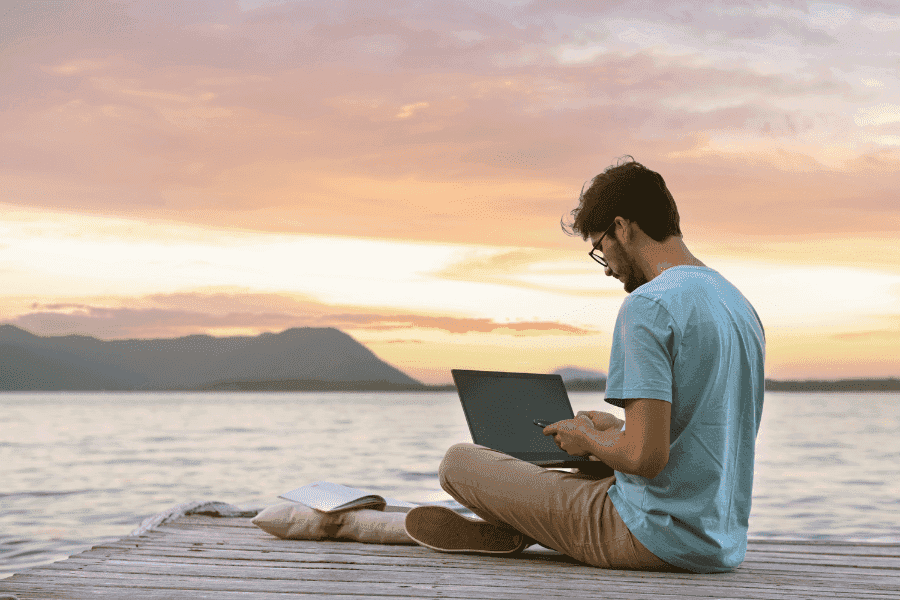
How to prepare for a digital nomad lifestyle
It's best to be well-prepared before you start living on the move. Having clear career options, income sources, and tools makes the change easier. By learning about visas and legal rules, you also start planning for long-term digital nomad travel.
Career and income planning
Learning how to be a digital nomad starts with identifying stable remote work options. Freelancing, remote jobs, and online businesses offer the flexibility needed while travelling. It's important to understand client expectations, deadlines, and rates to ensure steady income. Careful financial planning also prepares for emergencies and unexpected expenses on the road.
Establishing alternative revenue streams provides long-term travel stability. Then there are those digital nomads who mix it up, freelancing while also bringing in passive income in the way of online courses or affiliate marketing. Better work without tipping your travel budget over the edge. This enables you to earn money while exploring the world and does not become a burden.
Skills and tools
Having strong skills and the right tools is key for digital nomads. Apps for project management, communication, and cloud storage help you stay organized while travelling. Learning popular skills like coding, design, or content creation can open up more job options. These tools and skills help you stay productive, even when your environment changes.
You also need to know what hardware and software will make working remotely better. A reliable laptop, portable charger, and safe internet connection let you work anywhere. If your home country is the UK, research the UK digital nomad visa or other routes to be legal. Being prepared with the proper set of skills and tools for remote work makes it fluid and convenient.
Essential equipment and gear
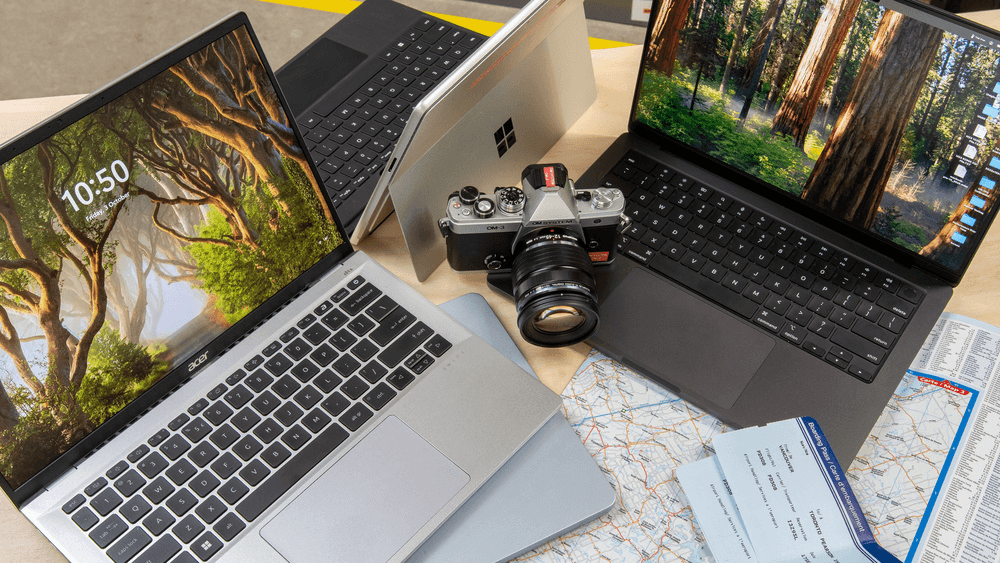
Laptop with travel-friendly case
A laptop is the primary tool for any digital nomad as it lets you work from anywhere. A travel-friendly case guards it from the bumps, scratches, and spills that can happen when you're on the go. Lightweight, durable cases help transport your laptop on airplanes, trains, or long-distance travel. Having the right laptop makes it so much easier to work remotely.
The travel-friendly laptops also help maintain productivity during longer jaunts. Some cases have extra compartments that hold chargers, cables, and accessories safely. Many of those cases come with water resistance, which offers an additional level of protection. This makes sure that the devices are operational all the time and anywhere they are needed.
Portable power recommendations
Having reliable equipment is crucial for digital nomads to stay productive while travelling. EcoFlow portable power stations provide dependable power wherever you go, making them a must-have for laptops, cameras, lights, and other essential devices.
EcoFlow DELTA 3 Max Plus (2 kWh)
The EcoFlow DELTA 3 Max Plus (2048 Wh) is a heavy-duty option for nomads who need to power multiple devices at once. It offers 3000 W AC output with 6000 W surge, making it capable of running laptops, cameras, small fridges, and other electronics simultaneously. Its Full-Tab LFP cells and smart BMS ensure stable, long-lasting power with built-in protection against overcharge, overheat, and short circuits. You can recharge it via AC, solar, car alternator, or generator, and it's expandable up to 10 kWh with extra batteries for longer trips. The UPS auto-switch (<10 ms) keeps sensitive electronics safe, and the EcoFlow app allows real-time monitoring and energy management.
Advantages:
Can power multiple devices at the same time.
Long-lasting battery for multi-day trips.
Flexible charging options (AC, solar, car).
Expandable capacity for extended travel.
Safe for sensitive electronics.
EcoFlow DELTA 2 Max (2 kWh)
The EcoFlow DELTA 2 Max (2048Wh) is a lighter choice, great for solo travelers. It has a 2048 Wh capacity and up to 3100 W output, so it can handle your main devices easily, such as charging a laptop 20+ times or running a Wi-Fi router for up to 90+ hours.
Quick charging via AC or solar (up to 1000 W solar input, full recharge in about 2.3 hours) makes it highly efficient for travel. The LFP battery supports 3000 cycles, giving around 10 years of daily use, while its quiet operation (~30 dB) keeps your workspace peaceful.
Its 23 kg portable design and ability to expand up to 6 kWh with extra batteries make it flexible for longer trips. Overall, it's a travel-friendly portable power solution that helps digital nomads stay connected and productive wherever they go.
Advantages:
Lightweight and portable.
Fast charging for main devices.
Can extend the runtime with extra batteries.
Easy to use and monitor via the app.
Ideal for solo travelers or short trips.
Both of these portable power stations are perfect tools for digital nomads, ensuring your devices stay powered, your workflow stays smooth, and you remain connected no matter where your travels take you.
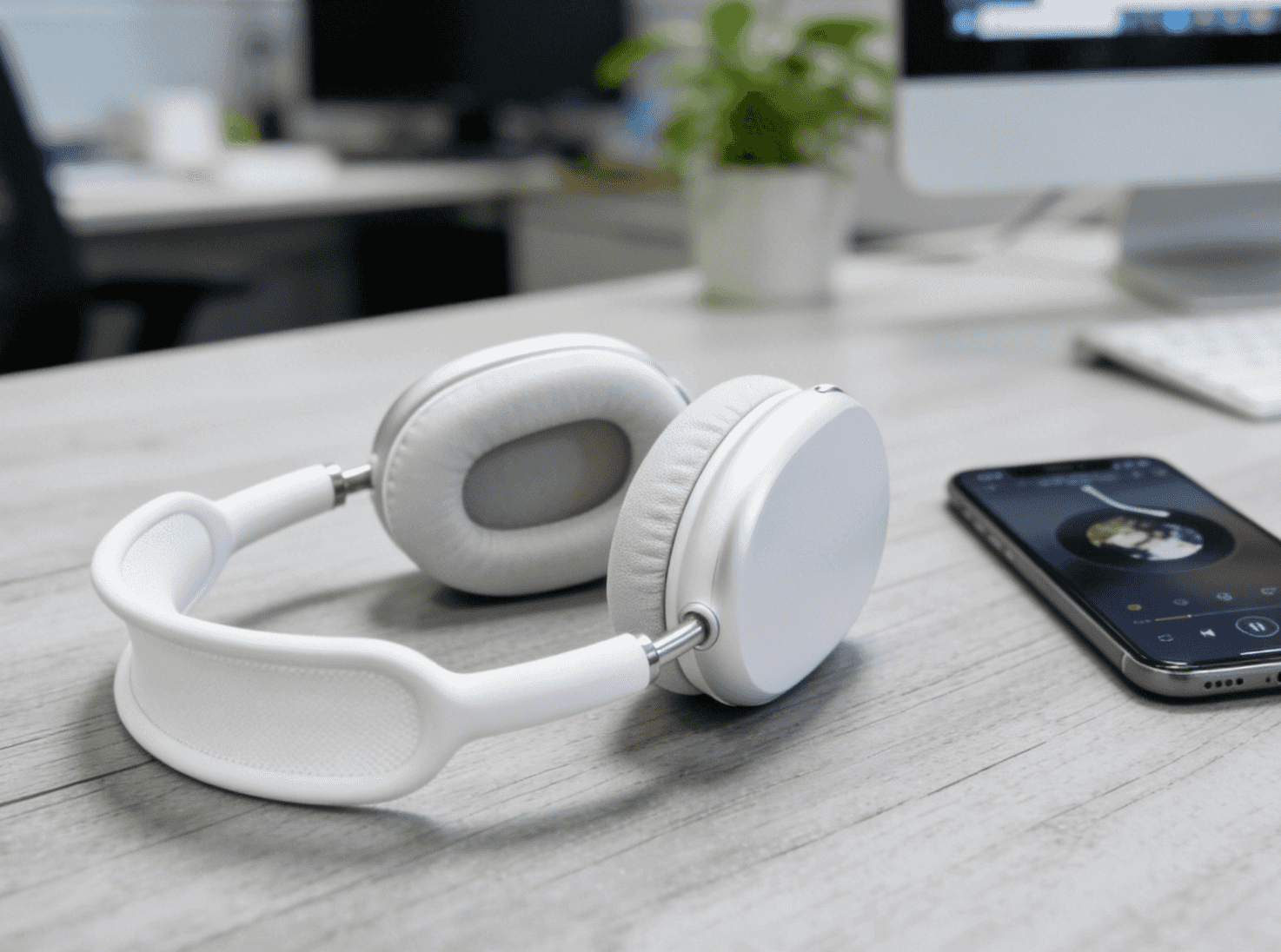
Noise-cancelling headphones
Noise-cancelling headphones are a must for digital nomads working in busy cafés, airports, or co-working spaces. They block out background noise, so you can focus on work or video calls even during the noisiest hours. Compact, foldable designs make them easy to pack. Good headphones also make calls, meetings, and content creation sound better with clearer, richer audio quality.
Long-term travel can strain concentration, making headphones a smart investment for anyone working remotely worldwide. Many models come with long battery life and wireless connectivity. This allows uninterrupted work without relying on power outlets or worrying about sudden battery drains. They are a tool that boosts efficiency and comfort on the move and supports a productive workflow.
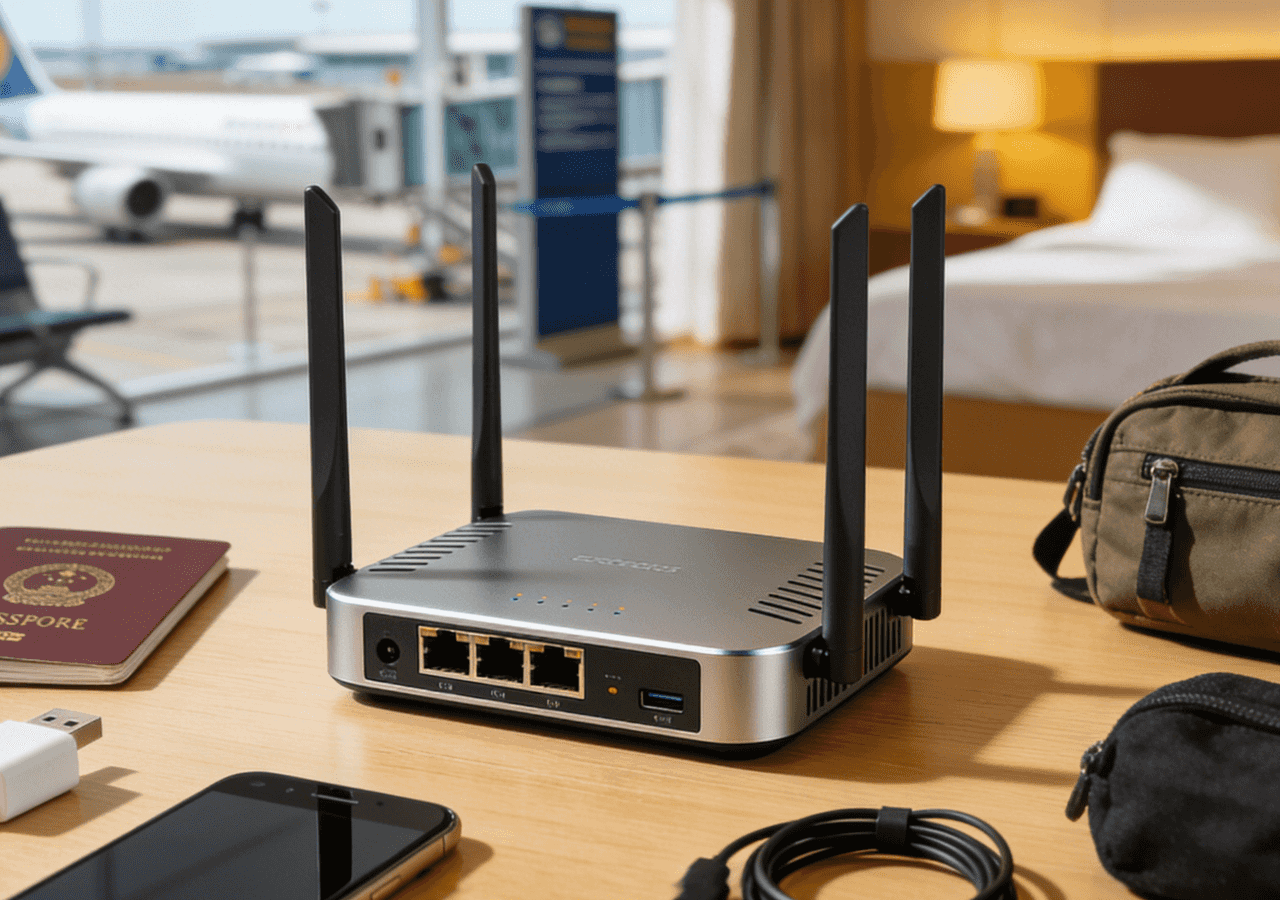
Travel router or mobile hotspot
A mobile hotspot or travel router is necessary to have internet coverage available at all times as a digital nomad. It enables multiple devices to connect securely, even at hotels, hostels, or in remote locales. This avoids downtime due to lagging or unsafe Wi-Fi. Your own hotspot gives you control of speed, security, and connection stability.
Dual-band, 4G or even 5G connections are supported by some routers for faster speeds. Their lightweight designs make them easy to pack and bring on the go without adding unnecessary extra weight. Most models include encryption for safe browsing. Travel routers or hotspots make sure your Wi-Fi is constant, no matter where a team of digital nomads can roam, while keeping data secure.
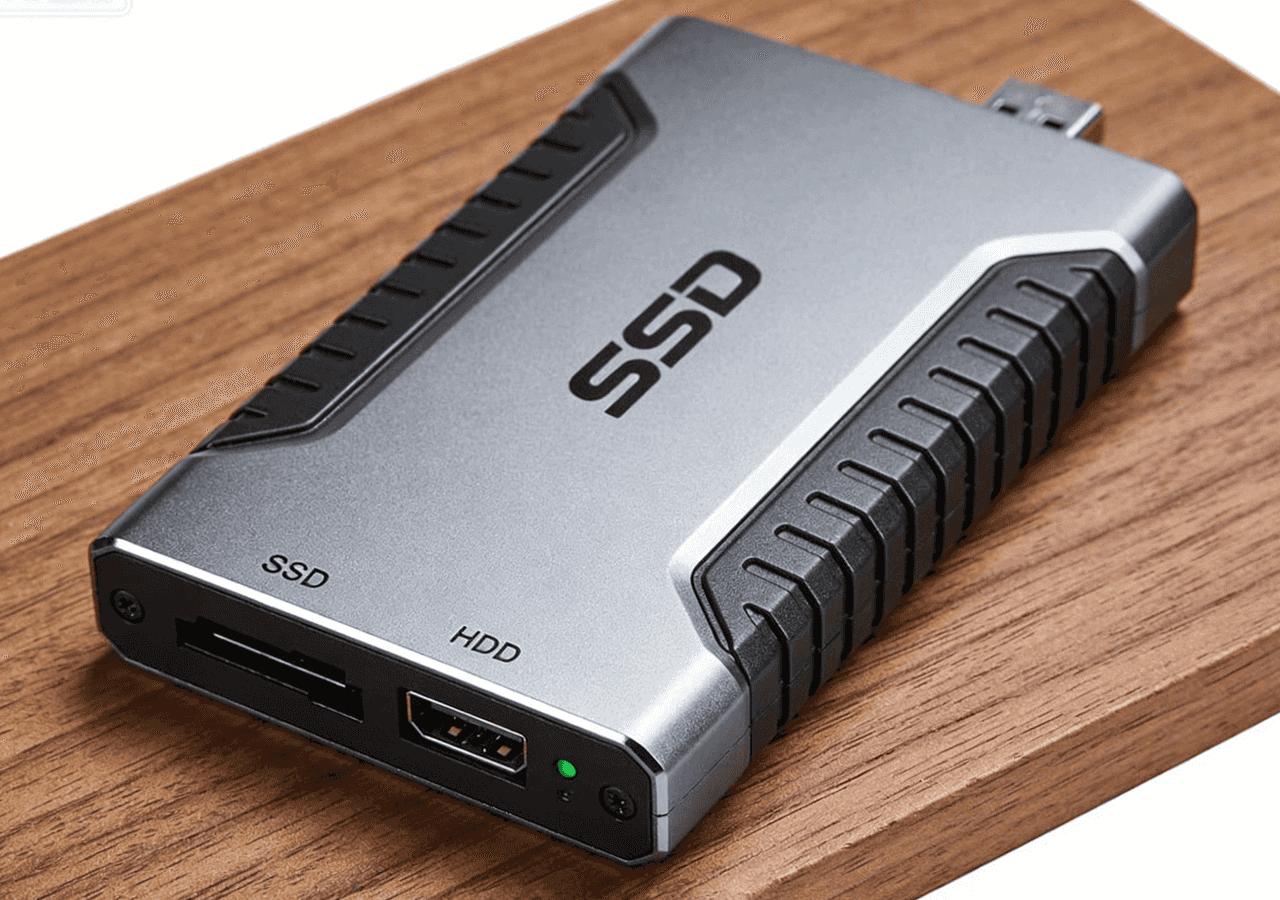
Compact external storage (SSD/HDD)
External storage is important for backing up work files, photos, and videos while travelling without worrying about losing important data. Solid-state drives (SSDs) are fast, tough, and shock-resistant, which makes them great for digital nomads. They give you extra space without adding much weight. Reliable storage keeps your data safe on long trips or when travel plans change or unexpected technical issues occur.
Carrying an external drive also allows for easy file sharing between devices while keeping everything organized and secure. Some models come with encryption for added security. Lightweight and compact designs make it easy to slip into a backpack or laptop bag for convenient access anytime, anywhere. For digital nomads, this ensures that critical work and personal data are always accessible.
Health and travel essentials
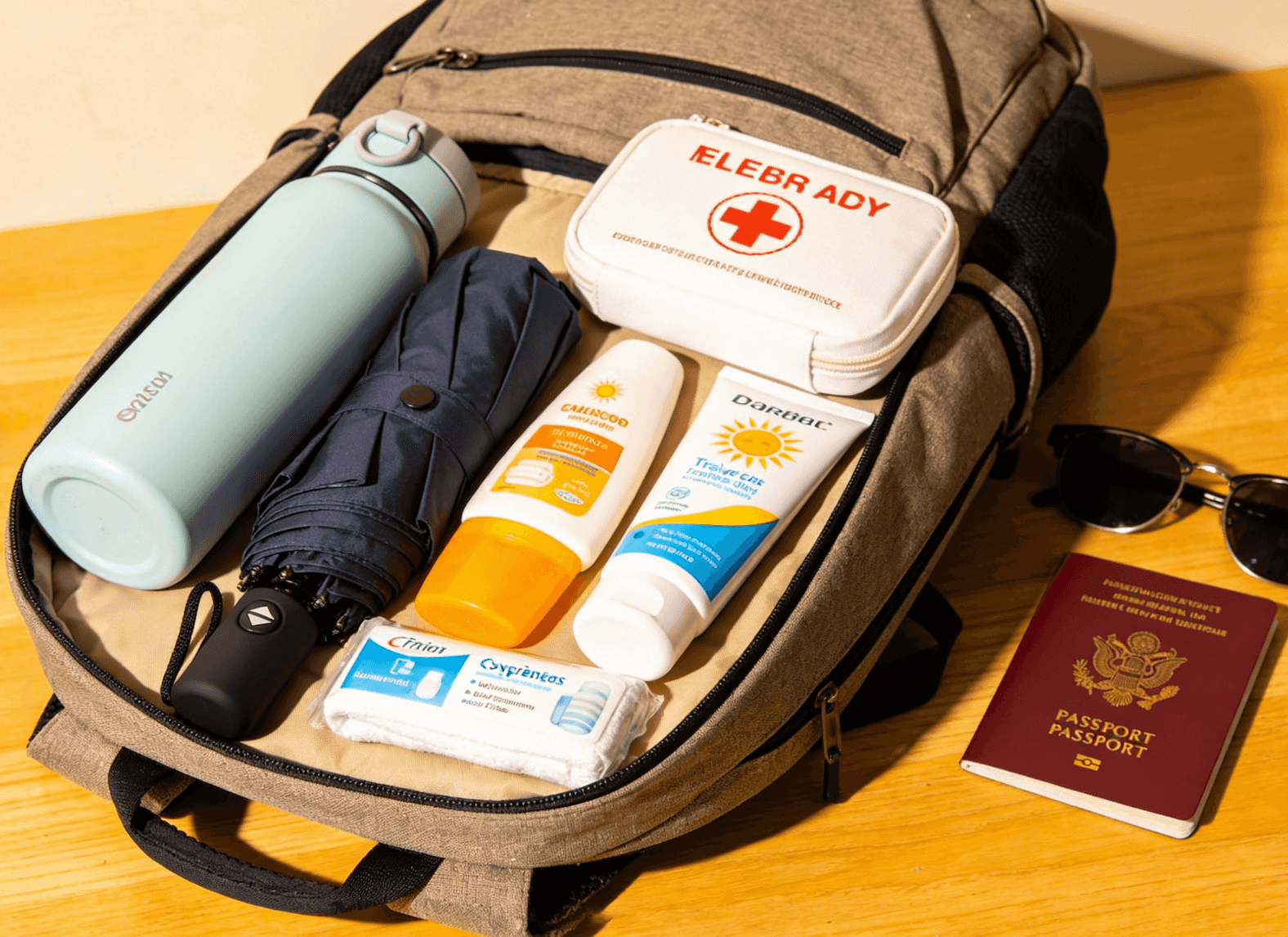
Maintaining health is important for a successful digital nomad lifestyle. Carrying a basic first-aid kit, necessary medications, and health insurance ensures safety while travelling. Staying active with simple workouts or walking routines helps prevent fatigue and keeps energy levels high. Proper hydration and a balanced diet support focus and overall well-being on the move.
Getting ready for travel also means planning for vaccinations, travel documents, and local health rules. Packing light, versatile clothes, and travel-friendly gear makes long trips easier. Mental health matters too, so try mindfulness or stay in touch with friends online to lower stress. Being prepared helps you stay healthy in both body and mind while travelling.
Top tips for a smooth digital nomad experience
Knowing how to become a digital nomad is exciting, but you need to plan to stay productive and balanced. Managing your time, looking after your health, and setting up your workspace well make working while travelling much easier. Picking the right places and having the right tools can turn anywhere into a good place to work. Here are some tips to help make your journey smooth, healthy, and fun:
Time management and productivity
Having a set schedule helps digital nomads stay focused while travelling. Prioritize your tasks, use productivity apps, and set clear deadlines to keep work from piling up. Time-blocking can help you separate work from exploring, so you enjoy both. Picking places with good internet and co-working spaces also helps you stay productive.
Health and social balance
Maintaining physical and mental health is essential for long-term travel. Regular exercise, proper sleep, and a balanced diet keep energy levels high. Engaging with local communities or other travellers reduces loneliness and boosts social wellbeing. Choosing the best places to be a digital nomad can provide both good health facilities and opportunities for cultural connection.
Optimizing your remote work setup
A good setup makes working easier wherever you are. Portable power stations, mobile hotspots, and cloud tools keep your devices charged and your data handy. Planning which devices and accessories you need, like laptops, external storage, and noise-cancelling headphones, helps you work better. Researching the best digital nomad destinations helps you find spots with good infrastructure and fewer problems.
Exploring work life in different locations
Working in different places is one of the best parts of being a digital nomad. Every city or country has something special, like fast internet, co-working spaces, or new cultural experiences. Some places are great for meeting other remote workers, while others are quiet and good for focused work. Knowing about local work customs, time zones, and living costs helps you plan your schedule well.
Conclusion
Being a digital nomad is a mix of work, travel, and personal growth. If you stay flexible, curious, and plan, you can enjoy new experiences and still get your work done. Every trip has its challenges, but with good preparation and the right attitude, this lifestyle can be very rewarding. With time, you'll find a routine that lets you reach your career goals and have adventures too.
Reliable portable power is a must for staying connected while travelling. The EcoFlow DELTA 3 Max Plus and DELTA 2 Max offer flexible, high-capacity power for all your devices, from laptops to cameras. Whether you're travelling alone or with others, these power stations help you work without interruptions. With these dependable tools, digital nomads can explore new places and stay productive.
FAQs
What do digital nomads do?
Digital nomads work remotely while travelling, using laptops, the internet, and digital tools. They often freelance, run online businesses, create content, or have remote jobs. They mix work with exploring new places, cultures, and experiences.
How to become a digital nomad for beginners?
Begin by looking for remote work or freelance jobs that match your skills and interests. Plan your finances, learn the tools you'll need, and get your travel documents ready. Start working while travelling slowly to build up your experience and confidence.
Which country is easy to get a digital nomad visa?
Countries such as Portugal, Estonia, and Barbados offer digital nomad visas that are easy for remote workers to get. These visas let you live and work remotely for longer periods. Always check each country's rules and application steps before you apply.