Energy Efficient Homes: A Complete Guide To Saving Energy And Cutting Costs
Saving on energy bills while reducing your carbon footprint is no longer a dream; it's achievable with smart planning and design. Energy-efficient homes are designed to use less energy for heating, cooling, and daily living, which means lower bills and a smaller impact on the environment. Adding solar batteries can help store excess energy for later use, maximizing savings and efficiency.
This guide will take you through everything you need to know about creating a home that's both comfortable and cost-effective, from smart insulation choices to energy-saving appliances. By the end, you'll understand how to make your home a haven of efficiency, comfort, and long-term savings.
What makes a home energy efficient?
An energy-efficient home uses less energy for heating, cooling, lighting, and appliances while still keeping you comfortable. Good insulation, high-quality windows, and energy-saving systems like LED lights and smart thermostats help achieve this. The design also makes use of natural light, ventilation, and the house's position to cut down on wasted energy.
Common areas where homes lose energy
Finding out where your home loses energy is the first step to making it more efficient. Small gaps, old appliances, or poor insulation can raise your bills and make your home less comfortable. Paying attention to these areas can greatly improve your home's energy.
Walls, roofs, and floors
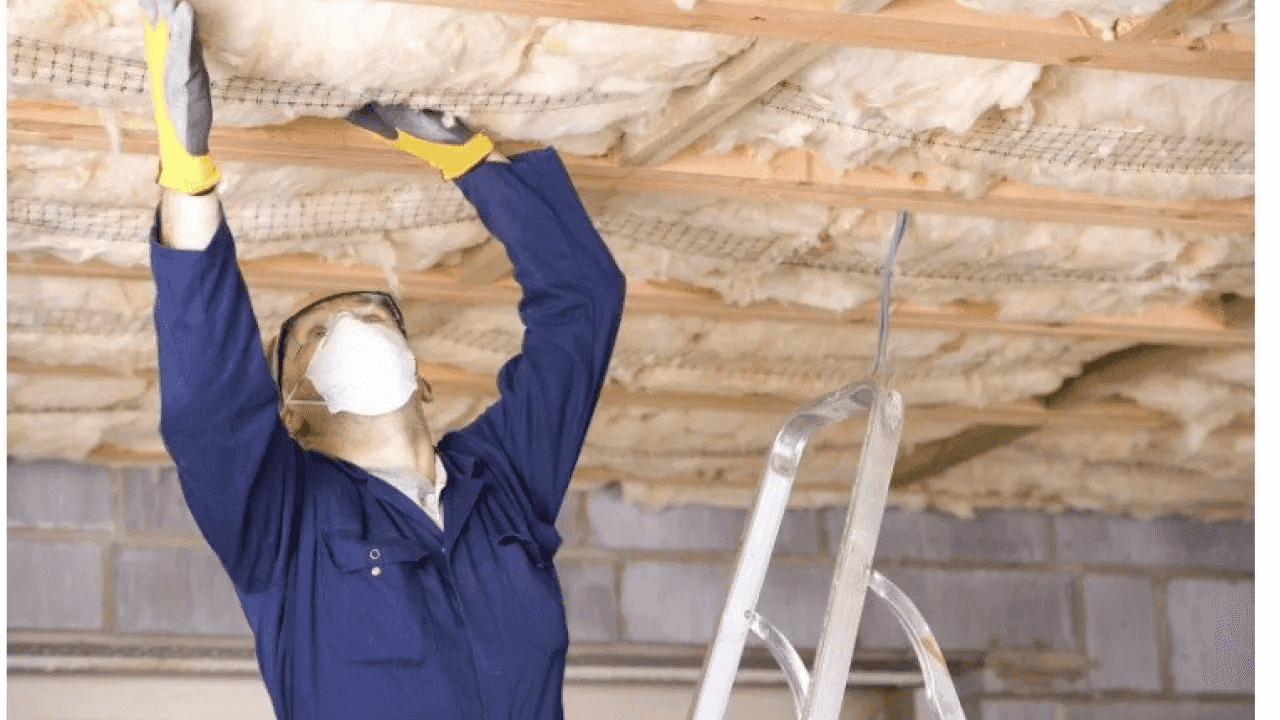
Heat can escape through walls, roofs, and floors if they aren't well insulated, which makes your heating and cooling systems work harder. Adding or upgrading insulation helps keep warmth during winter and your home cool in summer. Fixing these areas is one of the best ways to make your home more energy efficient.
Windows and doors
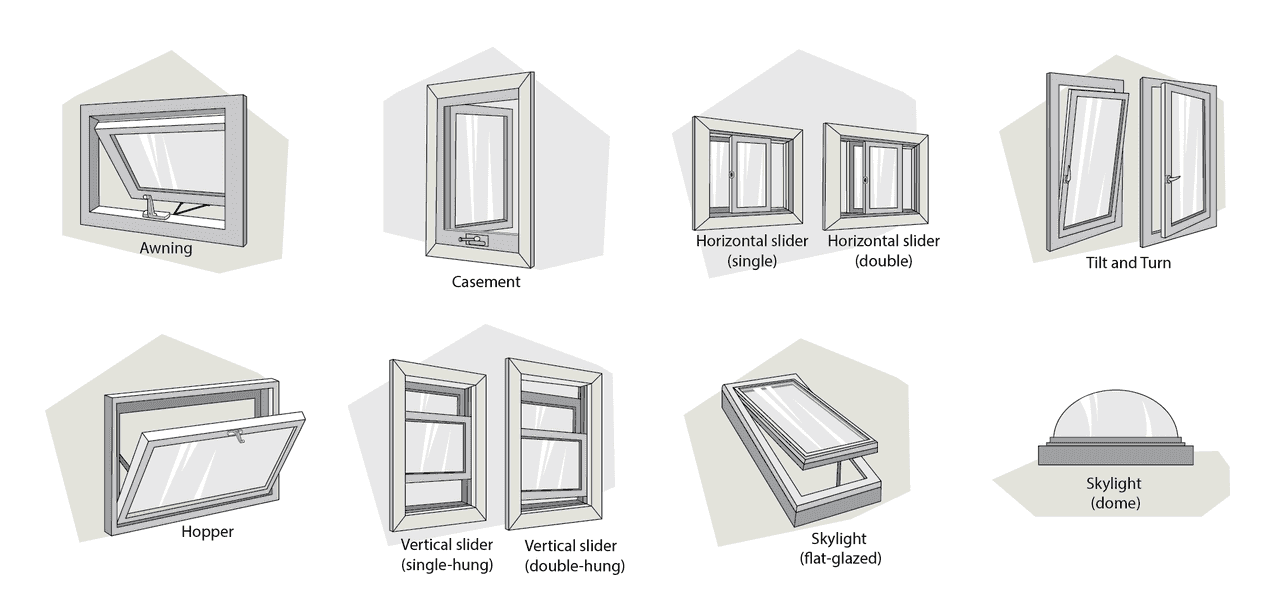
Single-glazed windows or doors with old seals let in drafts, which means heat can escape or enter depending on the season. Adding double-glazing or weather-stripping helps stop these losses and makes your home more comfortable. Good windows and doors are key to keeping your home energy efficient.
Inefficient appliances
Older fridges, washing machines, and water heaters usually use more electricity than newer, energy-rated models. Switching to energy-efficient devices can lower your energy use a lot. Upgrading your appliances is a practical way to make your home more energy efficient.
Poor insulation and air leaks
Small gaps around vents, pipes, and window frames can lead to energy loss. Sealing these leaks and adding insulation in hidden spots helps keep heated or cooled air inside. Fixing these problems improves home energy efficiency and helps lower your energy bills.
Key features of energy-efficient homes
Building an energy-saving home starts with choosing the right features and systems. These not only lower your bills but also keep your home comfortable all year. Here's all you need to know about the features of an energy-efficient home in the UK:
High-quality insulation
Good insulation in your walls, roof, and floors keeps your home warm in winter and cool in summer. It also means your heating and cooling systems don't have to work as hard, saving energy and money. Adding insulation is one of the best upgrades for long-term savings.
Energy-efficient windows and doors
Double or triple-glazed windows and tight door frames help stop heat from escaping and cut down on drafts. This keeps your home's temperature steady. Upgrading to these features is important if you want a cheap energy-efficient home that stays comfortable.
Efficient heating and cooling systems
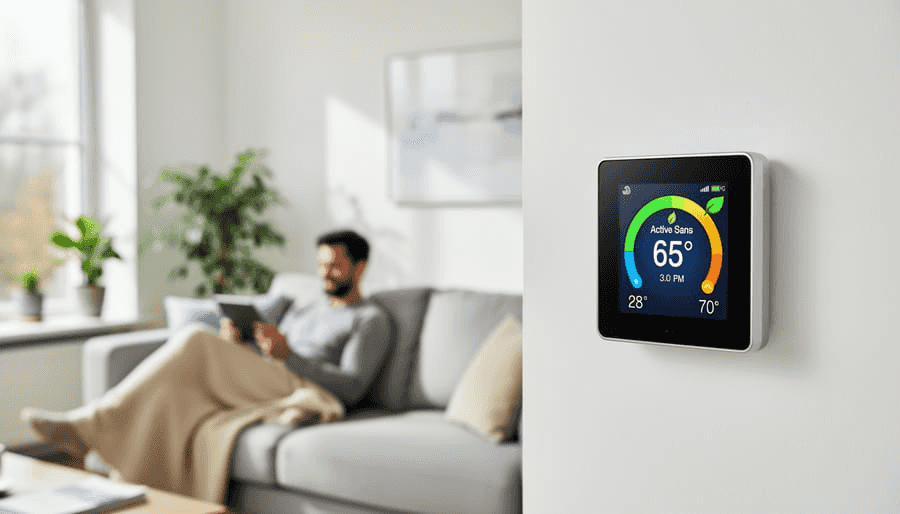
Modern HVAC systems use advanced technology to provide consistent temperature control while consuming less electricity. They often include programmable settings that fit your lifestyle. Installing these systems is a smart step in improving energy-efficient home upgrades.
Smart energy management systems
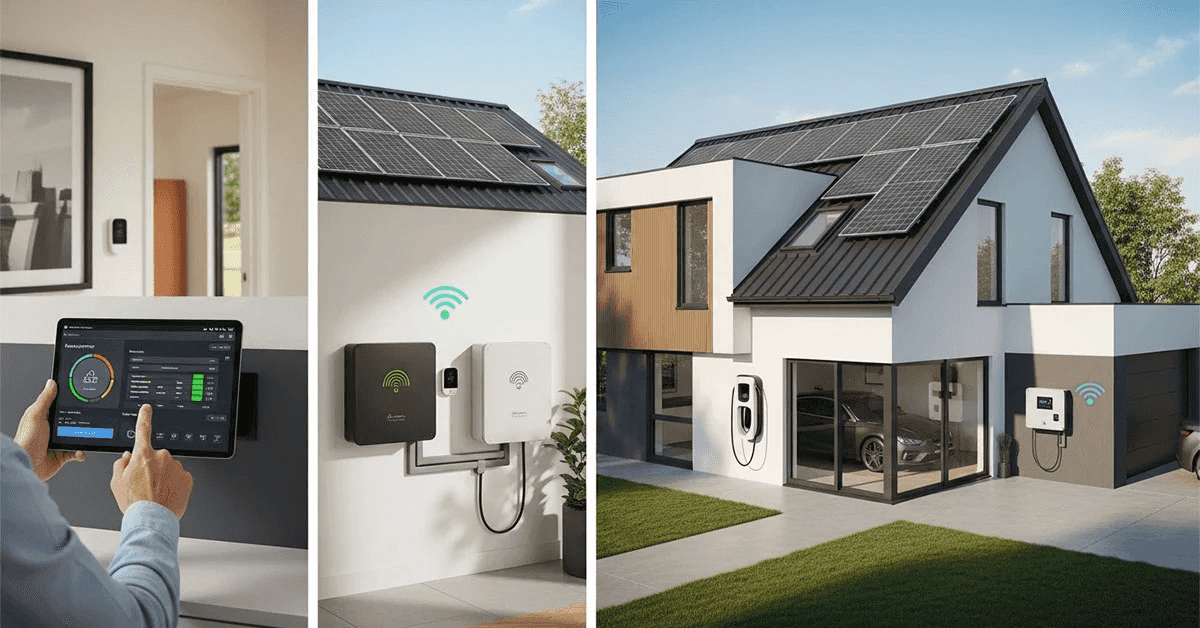
Smart thermostats, solar panels, and battery storage allow homeowners to monitor and optimize energy use. They can automatically change settings to save energy during peak hours. Incorporating these technologies is a key feature of energy-efficient homes in the UK for both convenience and cost reduction.
How to make your home more energy efficient
Using renewable energy is one of the best ways to make your home more energy efficient. By making your own electricity, you rely less on the grid and can lower your bills while helping the environment. Even small investments in solar panels or energy storage can make a big difference in your home's efficiency.
Consider renewable energy sources
Solar panels, heat pumps, and EcoFlow battery storage capture and store energy from natural resources, helping to reduce your electricity consumption. These systems allow your home to use clean energy throughout the day and night, even during peak demand periods. Here's how to make your home more energy efficient.
450W Rigid Solar Panel + STREAM Ultra X
The 450W Rigid Solar Panel + EcoFlow STREAM Ultra X offers a powerful way to make your home more energy efficient. Featuring 2,000 W solar input, 4 MPPTs, and Low-Light Cells, this system captures solar energy more effectively, ensuring strong performance even on cloudy days or during low-light periods such as mornings and evenings. With expandable battery storage ranging from 3.84 kWh up to 23 kWh, your home can maintain consistent energy availability day and night.
Delivering up to 1,200 W AC output and supporting devices up to 2,300 W, the STREAM Ultra X can power multiple high-demand household appliances, including refrigerators, ovens, and laundry machines. The system also benefits from a long 15-year operational lifespan, ensuring durable and reliable energy performance.
Intelligent energy management uses AI to monitor consumption patterns and optimise how energy is stored and distributed. It also integrates with compatible smart home devices via Tiber, Matter, and Shelly protocols, enabling a connected and flexible energy setup. With scalable storage, advanced solar efficiency, and smart management, this system provides a practical solution for homeowners looking to reduce energy waste and enhance overall efficiency.
STREAM Ultra
The EcoFlow STREAM Ultra offers a comprehensive solution to make your home more energy efficient. It features a 4-MPPT design, supporting up to 2,000W solar input. It also works with third-party microinverters; connecting to the solar battery adds 800W more. Maximises power generation from every sunlit area.
The system's 1,200 W AC output ensures reliable energy availability day and night, helping reduce reliance on the grid. Its scalable capacity adapts to your household energy needs, providing steady power for key appliances such as refrigerators, ovens, and washing machines.
Integrated with EcoFlow's OASIS Home Energy Management System, STREAM Ultra enables AI-driven energy optimisation and real-time monitoring via the mobile app. This smart management improves energy self-consumption, reduces electricity costs, and supports a more resilient, energy-efficient home.
Upgrade insulation and sealing
Adding or replacing insulation in walls, roofs, and floors helps maintain a consistent indoor temperature year-round. Proper insulation reduces the need for heating in winter and cooling in summer, saving significant energy. This step is one of the most effective energy-efficient improvements to homes available today for homeowners.
Better insulation also protects against moisture and improves overall comfort inside your living spaces. It reduces the workload on HVAC systems, saving both energy and money over time. Over time, homes with upgraded insulation perform more efficiently and reliably, improving long-term energy savings. This makes it a sound investment for any household seeking comfort and sustainability.
Replace old appliances with efficient models
Old appliances often consume far more electricity than newer, energy-rated models designed for efficiency. Replacing them with high-efficiency refrigerators, washing machines, or ovens can cut energy usage significantly while maintaining convenience. Modern appliances are designed to use less power without sacrificing performance or durability.
Efficient appliances also tend to last longer, so you spend less on repairs and replacements. They help cut your carbon footprint and save you money on your bills each month. When you combine them with other energy-saving upgrades, you'll see a real difference in your home's efficiency and sustainability. Buying these appliances is a smart long-term move for managing your energy use.
Install energy-efficient lighting
Switching to LED or low-energy bulbs reduces electricity use while retaining the same level of brightness throughout your home. LEDs also last much longer than traditional bulbs, lowering replacement costs significantly over time. This simple step is one of the easiest, energy-efficient home improvements to implement for maximum benefit.
Energy-efficient lighting gives off less heat, which can help keep your home cooler in the summer. Using these bulbs everywhere in your home saves more energy and helps the environment. Upgrading your lighting is a quick and affordable way to boost energy efficiency and lower your costs over time. It also makes your rooms more comfortable and pleasant.
Use smart thermostats and controls
Smart thermostats allow precise scheduling of heating and cooling based on your daily routine and occupancy patterns. They adjust automatically to reduce energy use when rooms are unoccupied, improving overall efficiency. Installing smart controls is an effective way to improve the energy efficiency of homes for modern households seeking smarter living.
These devices help stop energy waste and lower your bills over time without much effort. They also keep your home at a steady temperature day and night, making it more comfortable. Using smart thermostats means your home runs efficiently with little work from you, giving you more control over your energy use. They're a modern way to save energy every day.
Benefits of energy-efficient homes
Energy-efficient homes do more than just save you money on bills. They make your home more comfortable, help the environment, and can even increase your property's value. Knowing these benefits can help you make smart choices. Here are the main reasons why these homes are a good investment:
Lower energy bills
An energy-efficient home uses less electricity and heating, so your monthly bills go down. Things like efficient appliances, good insulation, and better lighting all help lower your energy use. Over time, these savings can really add up, making your home cheaper to run.
Improved comfort and temperature control
Energy-efficient homes keep a steady indoor temperature all year. Good insulation, sealed windows, and smart heating systems stop drafts and prevent hot or cold spots. This means your home stays comfortable in both summer and winter, making it a better place to live.
Reduced environmental impact
When your home uses less energy, it creates fewer carbon emissions, which is better for the environment. Efficient lighting, appliances, and heating systems all help lower your home's carbon footprint. Living in an energy-efficient home is an easy way to support sustainability and help fight climate change.
Higher property value
Homes with energy-efficient features are more attractive to buyers because they save money and are comfortable to live in. Things like solar panels, better insulation, and efficient appliances can raise your home's resale value. Investing in energy efficiency now can make your home worth more in the future.
Cost of making a home energy efficient
If you want to make your home more energy efficient, it's important to know both the costs and the savings you can expect. Some upgrades cost more at first, but they lower your energy bills over time. Learning about available incentives can also make energy-efficient upgrades more affordable and practical.
Initial investment vs long-term savings
Upgrading things like insulation, windows, or appliances might cost more at first, but you'll save energy in the long run. Lower electricity and heating bills will help you get back your initial investment over time. In the end, making your home energy efficient pays off with steady savings.
Upgrade Type | Typical Initial Cost (UK) | Estimated Annual Savings | Payback Period |
|---|---|---|---|
Loft Insulation | £300–£500 | £150–£200 | 2–3 years |
Double/Triple Glazing | £3,000–£7,000 | £200–£350 | 8–10 years |
Energy-efficient Boiler | £2,500–£5,000 | £300–£400 | 7–10 years |
LED Lighting Upgrade | £100–£300 | £50–£100 | 1–2 years |
Solar Panels + Battery | £1,000–£8,000 | £400–£1000 | 6–12 years |
Government incentives and schemes
Many governments offer grants, rebates, or tax breaks to make your home more energy efficient. These incentives can lower the upfront cost of things like solar panels, insulation, or heating systems. Using these programs makes it easier and more affordable to upgrade your home without extra financial stress.
Incentive / Scheme | Description | Typical Benefit |
|---|---|---|
Energy Company Obligation (ECO) | Grants for insulation, heating upgrades | Covers part or full cost of upgrades |
Smart Export Guarantee (SEG) | Payment for exporting solar energy to the grid | £0.05–£0.10 per kWh exported |
Renewable Heat Incentive (RHI) | Support for renewable heating systems | Regular payments over several years |
Local Council Grants | Regional programs for energy-efficient home improvements | Varies by location |
Conclusion
Creating a home that uses energy wisely is more than just a trend. It's a long-term investment in comfort, savings, and sustainability. Simple steps, smart planning, and thoughtful upgrades can make a lasting difference. Energy-efficient homes run smoothly, reduce waste, and support a greener lifestyle. Taking action today ensures your home remains modern, cost-effective, and eco-friendly for years to come.
EcoFlow products, such as the 450W Rigid Solar Panel with STREAM Ultra X or STREAM Ultra, offer practical ways to use renewable energy at home. They let you store and manage solar power easily, helping you lower your electricity costs. Using these systems is a smart move toward making your home truly energy efficient. Investing in EcoFlow technology means your home gets reliable and clean energy.
FAQs
What is the most energy-efficient home?
The most energy-efficient home uses very little energy for heating, cooling, and daily needs. It has good insulation, energy-saving appliances, and smart energy systems to get the best results. These homes save money and greatly reduce their impact on the environment each year.
Which energy rating is better, A or G?
An A-rated appliance is better than a G-rated one because it uses much less energy and works more efficiently. Higher ratings mean better efficiency, lower electricity bills, and less impact on the environment. Picking A-rated products helps make your home more energy efficient overall.
What appliance should you unplug every night?
You should unplug things like chargers, TVs, and kitchen gadgets every night to stop wasting electricity. Even when they're in standby mode, they still use some energy and can slowly raise your bills. Unplugging them saves energy and helps your home run more efficiently.