Energy-efficient appliances: save energy, lower bills, and optimise usage
Why choose energy-efficient appliances
Energy-efficient home appliances help households save money by using less electricity while maintaining reliable performance. They lower energy bills and reduce environmental impact by cutting CO₂ emissions. Choosing devices with high energy efficiency ratings for appliances ensures you get the most value and long-term savings. Beyond cost, these appliances support a more sustainable home and a smarter approach to energy use. Over time, small choices in appliances can make a significant difference for both your wallet and the planet. Paired with a solar battery, these energy-efficient devices can use stored solar energy during peak hours or at night, further reducing reliance on the grid and maximizing clean energy use at home.
How to choose the most energy-efficient appliances
Selecting the right appliances can save energy, cut bills, and make your home more sustainable. Focusing on key efficiency factors ensures you get long-term value. Here is how to choose the best energy-efficient appliances.
Energy efficiency rating
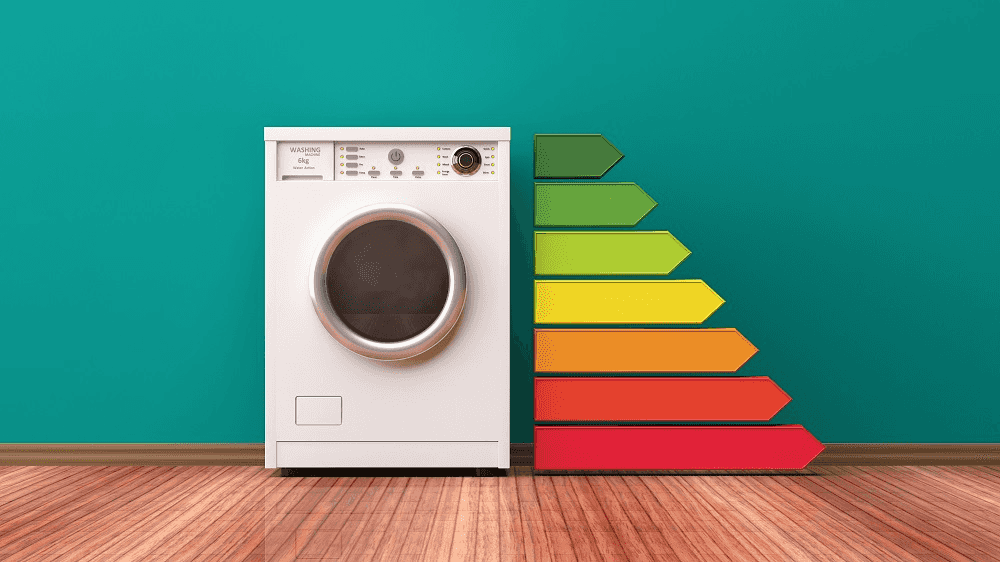
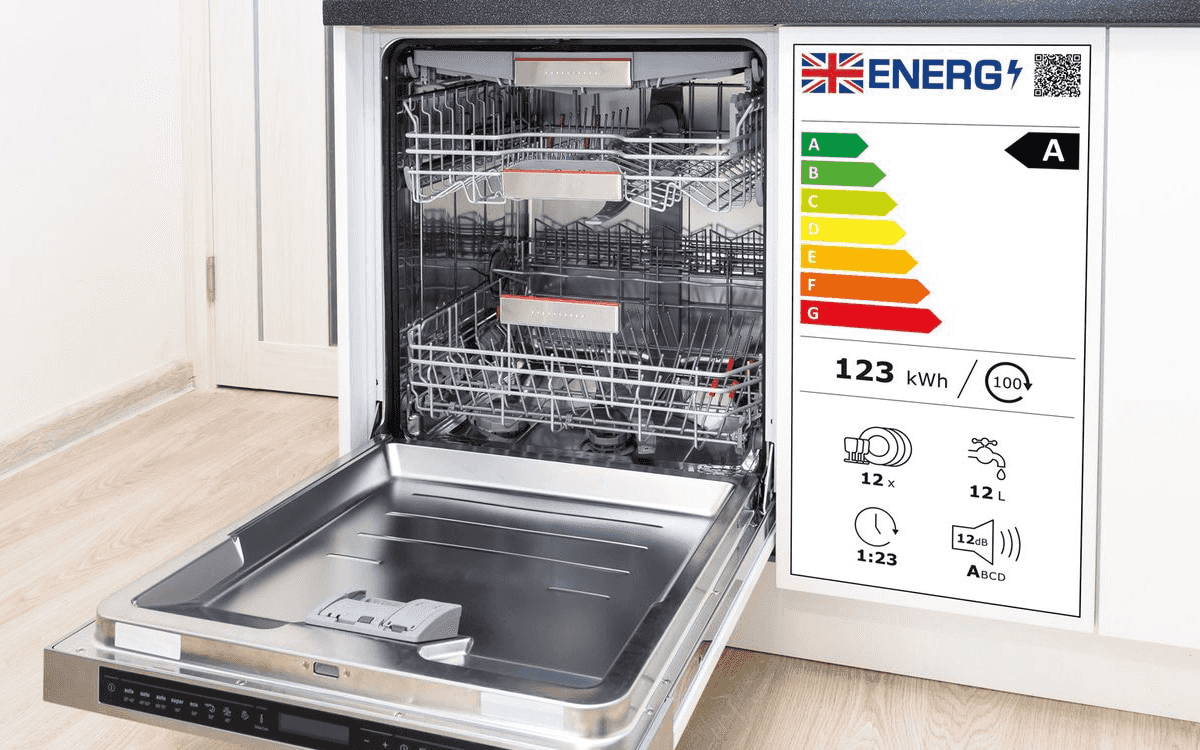
Check the official energy label, which ranks appliances from A (most efficient) to G (least efficient). This shows both power consumption and estimated annual running costs. Choosing higher-rated appliances ensures lower electricity use and long-term savings. For example:
Energy Rating | Typical Power Consumption | Estimated Annual Electricity Cost* |
A+++ | 100–150 kWh/year | £25–£40 |
A++ | 150–200 kWh/year | £40–£55 |
A+ | 200–250 kWh/year | £55–£70 |
A | 250–300 kWh/year | £70–£85 |
B | 300–350 kWh/year | £85–£100 |
C | 350–400 kWh/year | £100–£115 |
Costs are approximate and depend on electricity rates and usage patterns.
Right size and capacity
Select appliances that match your household's needs. For example, a washing machine too large for your laundry will waste water and electricity. Proper sizing improves efficiency and ensures appliances run optimally without unnecessary energy use.
Practical tip: If you usually do small loads, choose a 6–7 kg washing machine rather than a 10 kg model to save energy and water.
Smart technology
Modern energy efficiency appliances often include smart features like load sensing, app control, or off-peak scheduling. These adjust energy use based on demand or timing, reducing waste and improving overall efficiency in everyday operation.
Practical tip: Use a dishwasher with an app that schedules washing cycles overnight when electricity rates are lower.
Long-term running costs
Look beyond the purchase price and compare estimated annual electricity consumption. Even if a device costs more upfront, lower running costs often make it cheaper over its lifetime. This is particularly important for high-energy appliances like fridges and ovens.
Practical tip: A fridge rated A+++ may cost more initially but can save £50–£100 per year compared with an older, lower-rated model.
Energy-saving features
Eco modes, inverter compressors, and automatic shut-off systems help appliances consume only the energy needed. These features reduce electricity usage without affecting performance, making everyday operation more efficient.
Practical tip: An oven with an eco-cooking mode adjusts heat distribution to cook evenly while using 20–30% less electricity.
Reviews and expert ratings
User reviews and expert tests provide insights into real-world efficiency and durability. They reveal whether an appliance meets its energy claims, helping you choose the most reliable and energy-efficient household appliances.
Practical tip: Check independent lab tests or verified user reviews before buying a washing machine to confirm its advertised low energy and water consumption.
Top energy-efficient appliances to consider
Upgrading to energy-efficient appliances can reduce your electricity bills and lower your home's carbon footprint. Choosing the right devices ensures long-term savings and improved energy performance. Below are some of the top energy-efficient appliances to consider for your home.
1. Energy-efficient refrigerators
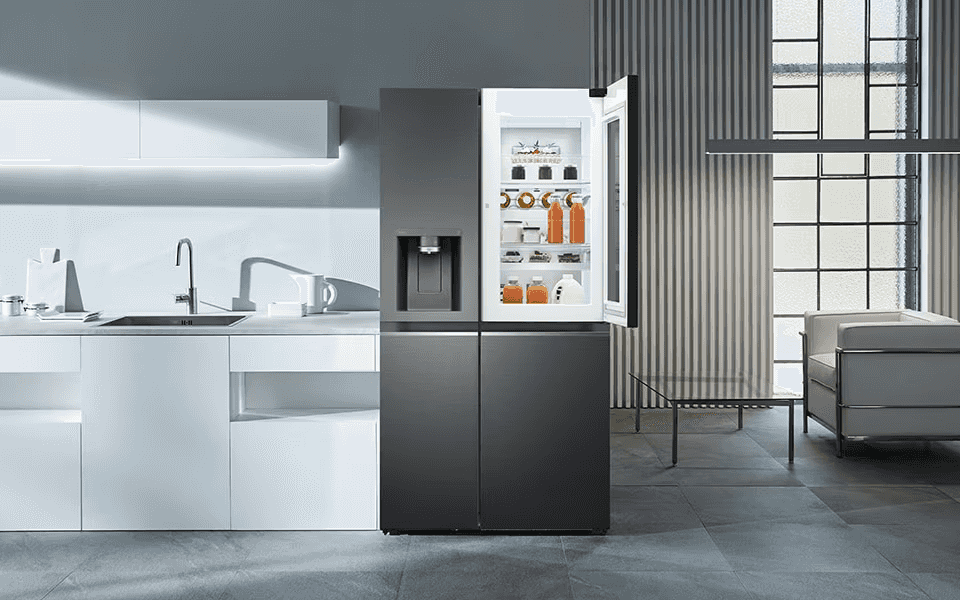
Modern energy-efficient refrigerators use advanced compressors and better insulation to maintain optimal cooling while consuming less electricity. Typical energy consumption is around 100–150 kWh per year, compared with 250–400 kWh for older models. Look for models with high energy efficiency ratings and inverter technology. These refrigerators save money over time and help reduce greenhouse gas emissions.
2. Energy-efficient washing machines
Most energy-efficient appliances, such as washing machines, use less water and electricity per cycle, often feature eco-modes and load-sensing technology. Front-loading machines generally consume 0.5–1.0 kWh per wash, while top-loaders use more. Choosing high-rated models reduces bills while maintaining effective cleaning performance.
3. Energy-efficient dishwashers
Dishwashers with high energy efficiency ratings use less water and power, often including eco-wash or half-load settings. Modern models adjust cycles based on load size, cutting unnecessary energy use. Typical energy use ranges from 0.6–1.0 kWh per cycle, saving both time and energy compared to hand washing.
4. Energy-efficient ovens and stoves
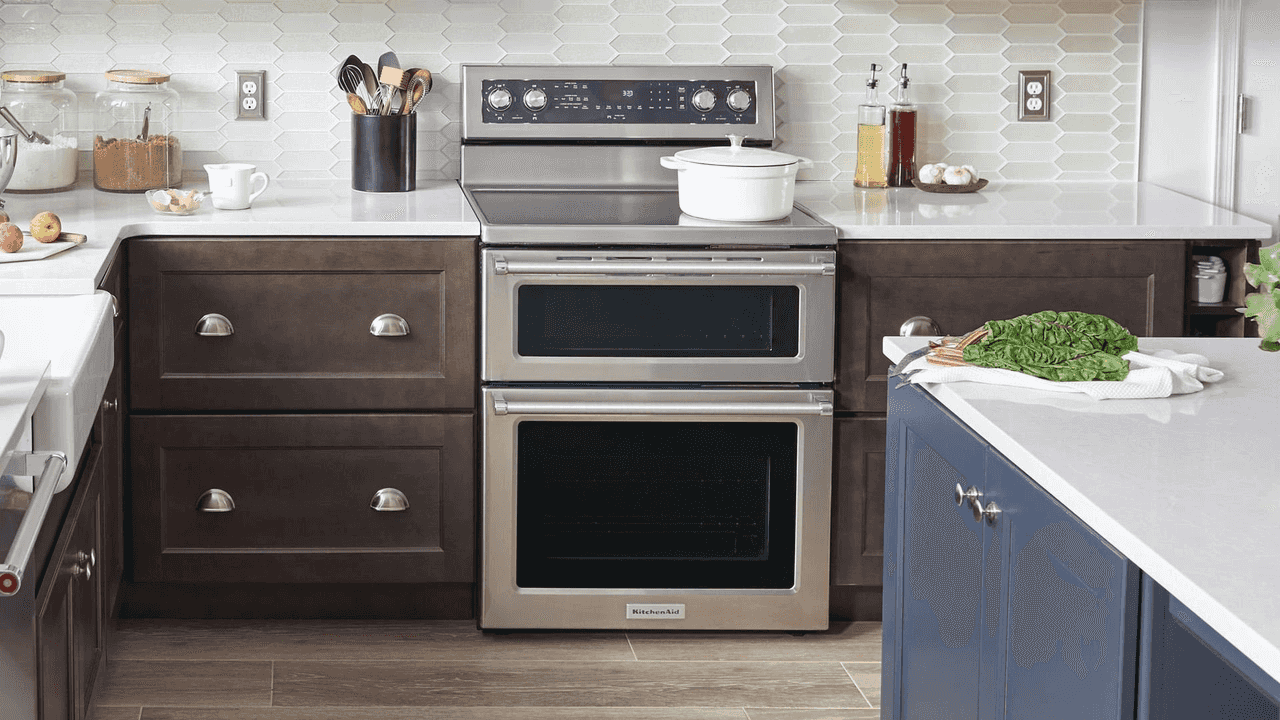
Efficient ovens and stoves, including induction cooktops, heat faster and maintain consistent temperatures with lower energy consumption. Convection ovens circulate heat to cook food evenly, reducing cooking time. Energy-efficient ovens typically consume 0.9–1.5 kWh per hour of cooking. Upgrading to energy-efficient cooking appliances lowers electricity bills and enhances kitchen performance.
5. Energy-efficient heating and cooling systems
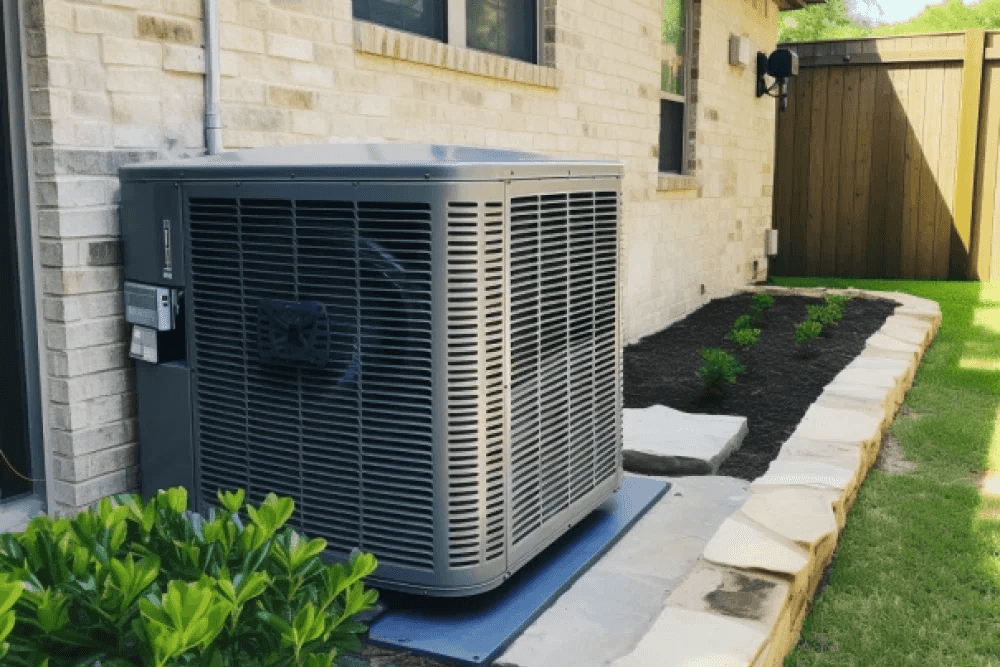
High-efficiency boilers, heat pumps, and air conditioning systems provide optimal comfort while using less energy. Features like programmable thermostats and zoning control improve efficiency. These systems can use up to 30–50% less energy than standard models, dramatically cutting heating and cooling costs.
6. Energy-efficient water heaters
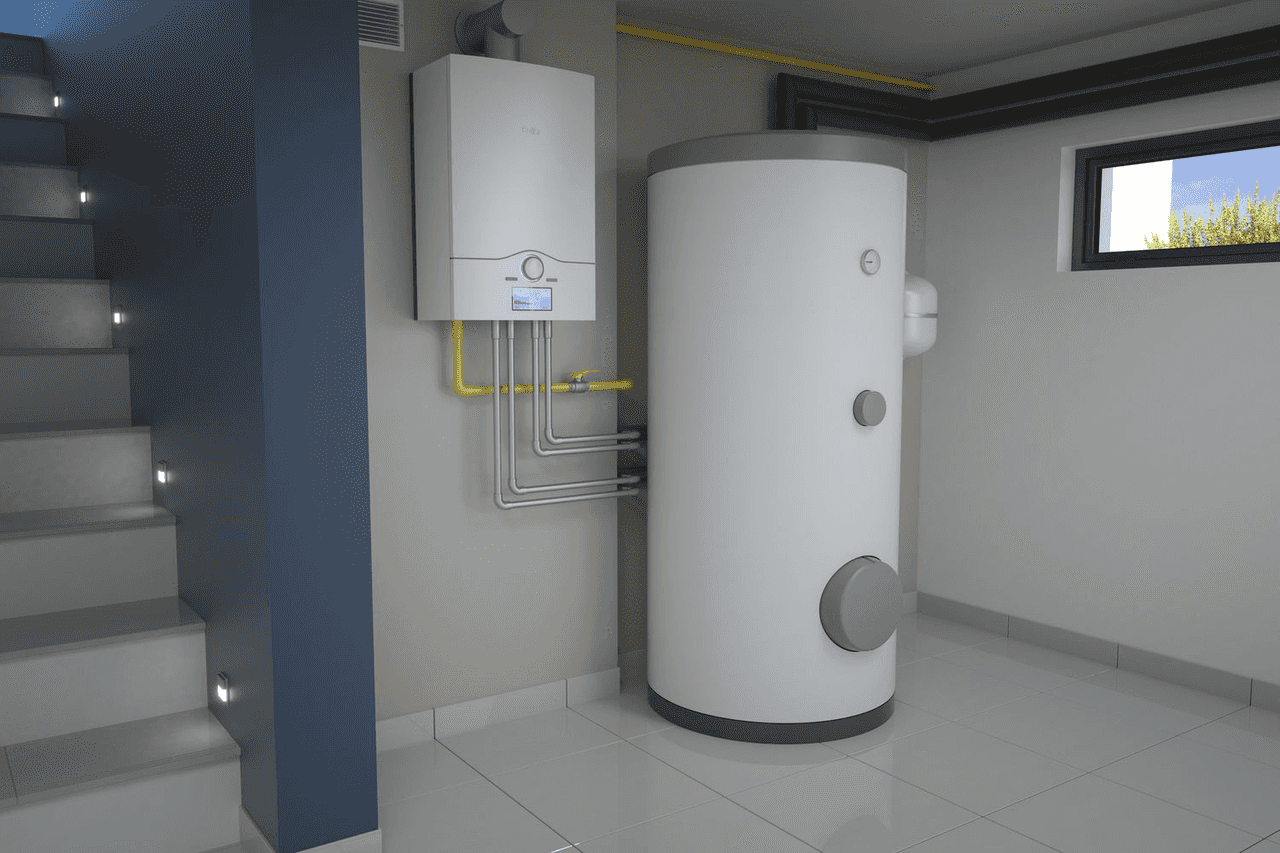
Modern water heaters, including tankless and heat-pump models, reduce standby energy loss and heat water only when needed. Daily electricity consumption is typically 1.5–2.5 kWh, compared with 3–5 kWh for conventional tanks. These appliances consume less electricity while delivering a steady hot water supply. Efficient water heating significantly lowers household energy use over time.
Enhance home energy efficiency with smart storage
Smart energy storage lets you capture solar power during the day or store cheaper off‑peak electricity, reducing dependence on expensive grid energy and lowering bills over time. Solutions like the EcoFlow STREAM series help balance supply and demand for high‑load appliances, making your renewable setup more efficient and reliable. Here's how two effective EcoFlow STREAM configurations work for home optimisation.
Optimise energy-efficient appliance use: 450W Rigid Solar Panel + STREAM Ultra X
The 450W Rigid Solar Panel + STREAM Ultra X setup combines high-output solar generation with the advanced EcoFlow STREAM Ultra X home solar battery to deliver robust energy storage and power delivery. Each 450W solar panel features a durable, weather-resistant design and provides reliable power even in cloudy or low-light UK conditions, ensuring consistent energy generation throughout the day.
The STREAM Ultra X offers a 3.84 kWh battery that's expandable and capable of supporting up to 1,200 W of AC output, which is sufficient to run everyday household appliances such as refrigerators, washing machines, LED lighting, laptops, small kitchen appliances like microwaves or coffee makers, and fans.
Its distributed placement capability allows multiple batteries to be positioned across different rooms or floors, optimising energy availability where it's needed most. Its long lifespan and intelligent EcoFlow's OASIS Home Energy Management System control help you maximise self-consumption and save substantially on electricity costs.
Maximise energy efficiency with appliances: 450W Rigid Solar Panel + STREAM AC Pro + STREAM Ultra
For homes with higher energy needs, the 450W Rigid Solar Panel + STREAM AC Pro + STREAM Ultra configuration offers scalable storage and flexible power output. The EcoFlow STREAM Ultra battery captures solar energy and stores it in a 3.84 kWh capacity for household use, while the STREAM AC Pro expands storage and boosts AC output to around 2,300 W, allowing you to power multiple appliances simultaneously. This system can run high-demand household devices such as microwaves, toasters, coffee machines, refrigerators, washing machines, entertainment systems, and small air conditioning units, giving households greater flexibility for daily energy use.
A major benefit is that the batteries can be placed wherever you need them—across different rooms or floors—instead of being stacked in one spot, so power is available exactly where it's needed. Together with efficient 450W solar panels, this setup increases solar generation and storage potential, helping you rely more on clean energy. Integrated smart control via the EcoFlow app allows real-time monitoring and optimised use of stored solar and off-peak electricity to further cut bills.
Practical tips to make your appliances more energy efficient
Improving the energy efficiency of your home appliances doesn't always require new purchases; small changes in how you use them can make a big difference. Here are practical tips to get the full advantages of energy-efficient appliances by reducing energy use, saving money, and extending the life of your devices.
Full loads for washing machines and dishwashers, cold washes for laundry
Running full loads ensures that your washing machine or dishwasher uses electricity and water efficiently. For laundry, choosing cold washes whenever possible reduces energy consumption significantly, as heating water accounts for most of a machine's energy use. These simple adjustments help lower bills and minimise environmental impact.
Switch off standby and unplug devices when idle
Many appliances and electronics consume power even when not in use. Turning them off completely or unplugging them prevents "phantom" energy usage. This small habit can lead to noticeable reductions in your household electricity bills over time.
Maintain appliances: clean filters and defrost fridges
Regular maintenance keeps appliances running efficiently. Cleaning filters in washing machines, dishwashers, and air conditioners improves airflow and reduces energy demand. Defrosting fridges and freezers prevents ice build-up, which makes compressors work harder, using more electricity.
Use smart plugs, timers, and energy monitors
Smart plugs, timers, and energy monitors give better control over when and how appliances consume power. Timers can schedule devices to run during off-peak hours, while monitors track usage to identify high-consumption appliances. These tools optimise energy use and support smarter, more cost-effective habits.
Conclusion
Making your energy-efficient appliances work smarter is a simple way to reduce electricity bills, cut carbon emissions, and improve home comfort. Small changes like running full loads, regular maintenance, and using smart controls can make a big difference in daily energy use.
For even greater impact, EcoFlow STREAM products, including STREAM Ultra X and STREAM AC Pro, provide smart home storage solutions. By storing daytime solar or off-peak electricity, they help high-load appliances run efficiently, reduce grid reliance, and maximise the long-term benefits of your energy-efficient household appliances.
FAQs
What is the best energy rating, A or G?
The best energy rating for appliances is A, which reflects the highest energy efficiency in appliances and the lowest electricity consumption. Devices rated closer to G use more power and increase running costs over time. Choosing A-rated appliances ensures lower bills and a smaller environmental footprint.
Which type of appliance is most energy efficient?
The most energy-efficient appliances are those with eco-modes, inverter technology, or smart energy controls. Examples include front-loading washing machines, induction cooktops, and LED lighting. Selecting high-rated energy-efficient household appliances ensures reduced electricity use and improved long-term savings.
What fridge type is most energy-efficient?
Top-freezer or inverter compressor fridges are typically the most energy-efficient. Modern fridges with high energy efficiency ratings for appliances consume less electricity, maintain consistent cooling, and reduce standby energy use. Choosing these models helps lower bills while supporting sustainable home energy use.