Drone Battery Guide 2026: Fast Charging & Long Lifespan
- What are drone batteries?
- Types of drone batteries
- Key specifications that affect drone battery performance
- How to choose the best battery for your drone
- A reliable field charging solution: EcoFlow portable power stations
- How to extend drone battery life
- 4 best ways to charge drone batteries in the field
- Drone battery safety tips
- Conclusion
- FAQs
Choosing the right drone battery is essential for achieving longer flight times, faster charging, and overall better performance. Whether for aerial photography or recreational flying, understanding battery capacity, charging speed, and lifespan helps you get the most out of every flight.
Portable power stations are increasingly important for drone users, especially when flying in remote locations without access to power. With portable power stations, you can recharge batteries on the go and keep your drone ready for extended shooting sessions.
What are drone batteries?
Drone batteries are special rechargeable power sources that provide the energy needed for drones to fly. They are usually made with Lithium Polymer (LiPo) or Lithium-ion (Li-ion) technology, which gives high energy while keeping the battery lightweight. This balance helps drones stay in the air longer and perform smoothly.
In practical use, drone batteries play a key role in controlling flight time and overall performance. They are designed to deliver strong and steady power so the drone can run its motors, camera, and other systems efficiently. Many batteries also use connectors such as XT30 or XT60, which help deliver stable power and ensure a secure connection during flight.
Types of drone batteries
Choosing the right battery for a drone is important because it directly affects flight time, power delivery, and overall performance. Different batteries are designed to meet different flying needs and drone models. Here are some common types of drone batteries used in modern drones.
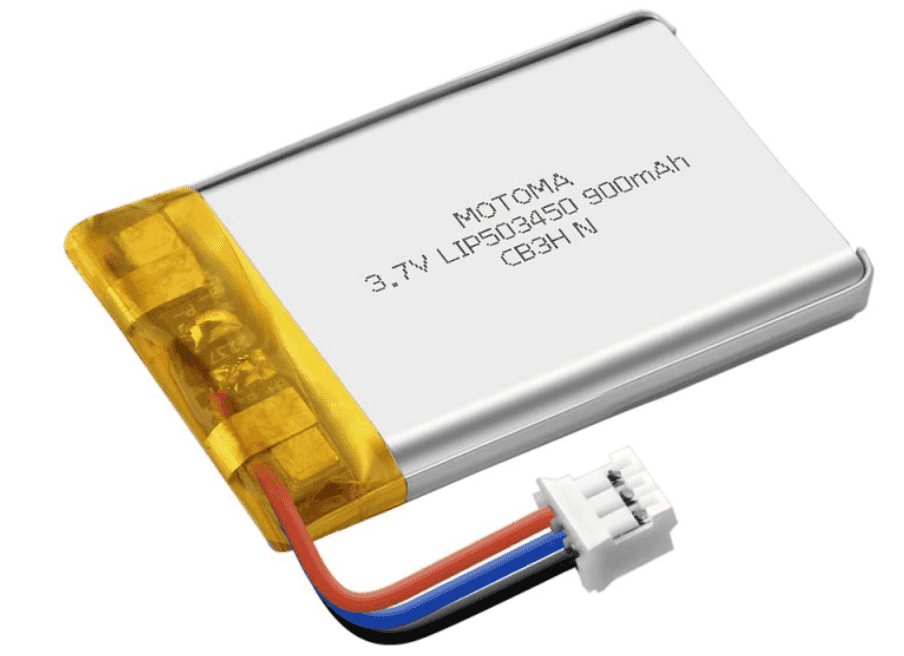
1. Lithium-polymer (LiPo) batteries
LiPo batteries are lightweight and deliver high power, making them ideal for fast and highly agile drones. They have a very high energy density but require careful handling to avoid serious safety risks. These batteries are commonly used in racing and high-performance drones.
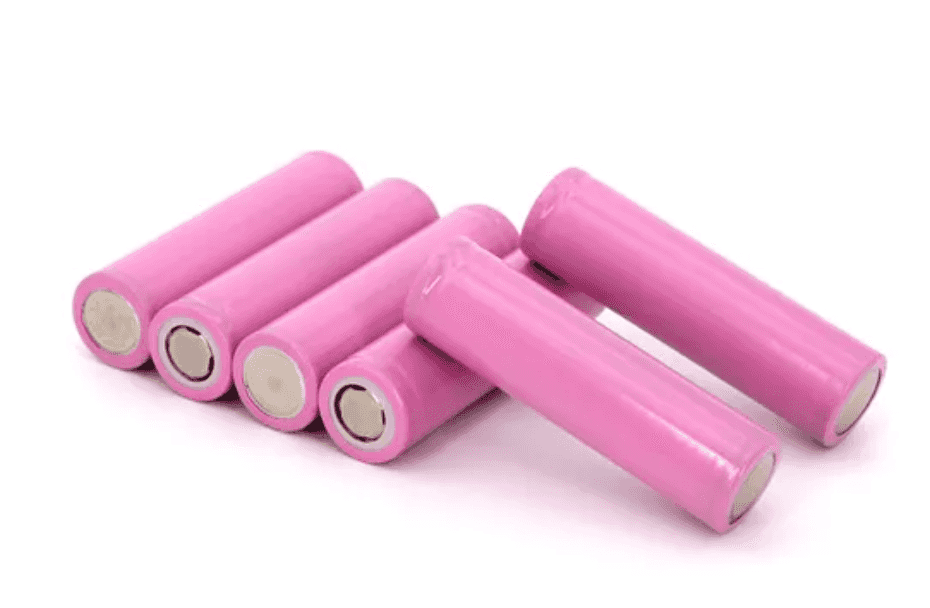
2. Lithium-ion (Li-ion) batteries
Li-ion batteries offer longer flight times and very reliable performance. They store more energy but are slightly heavier, which can slightly affect drone maneuverability. Many long-flight and professional photography drones rely on this type for stability.
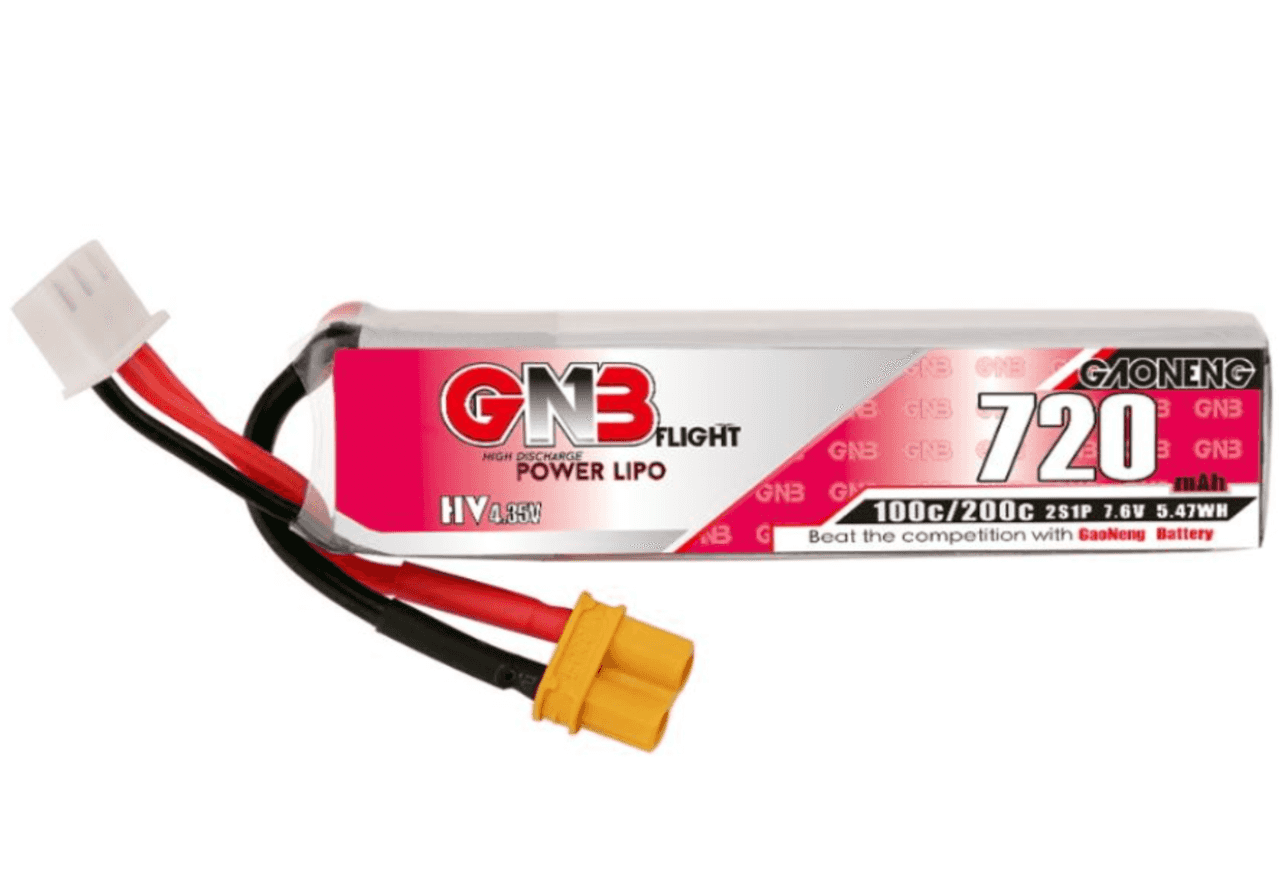
3. LiHV (High-Voltage LiPo) batteries
LiHV batteries charge to a higher voltage than standard LiPo, giving more power and slightly longer flight time. Reduced voltage sag ensures more consistent efficiency during flight. FPV racing and lightweight drone builds often use LiHV for better performance.
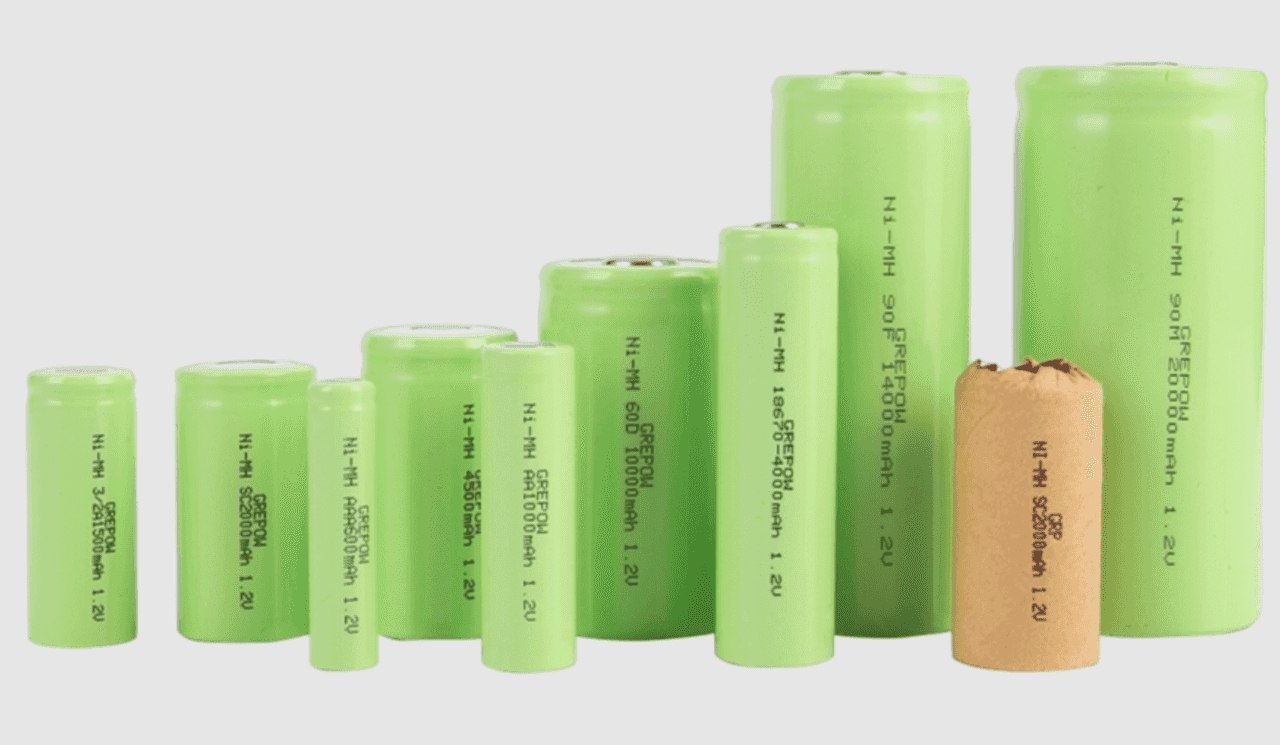
4. NiMH and NiCd batteries
NiMH and NiCd batteries are safe, durable, and very affordable options for small or basic drones. Excellent performance in extreme hot or cold temperatures makes NiCd reliable in tough conditions. These older types are mostly used in beginner or educational drone models.
Key specifications that affect drone battery performance
Understanding a few important specifications can help you improve drone flight time and overall performance. These factors explain how efficiently a battery stores and delivers power during flight. Here are some key specifications that affect drone battery and charger performance.
1. Voltage and cell count (S rating)
Voltage determines how much electrical power the battery delivers to the motors. Most consumer drones use 11.1V (3S) or 14.8V (4S) batteries. A higher S rating generally provides more power and faster motor response, which is especially useful for racing or heavy-lift drones.
2. Capacity (mAh) and flight time
Capacity, measured in milliampere-hours (mAh), indicates the total energy a battery can store. For example:
1500–2000 mAh: typical for small drones, offering 10–15 minutes of flight
4000–6000 mAh: larger drones, allowing 25–35 minutes of flight
While higher capacity extends flight time, it also adds weight, which can slightly reduce agility.
3. Discharge rate (C rating)
The C rating shows how quickly a battery can release power. A 25C battery can safely discharge 25 times its capacity per hour. Higher C ratings allow drones to draw more power during fast maneuvers or carrying heavier payloads, ensuring stable and responsive flight.
4. Battery weight and size compatibility
Battery weight affects balance and flight efficiency. For instance, a 500g LiPo battery on a compact drone may reduce agility, while the same battery on a heavy-lift drone is well-suited. Always choose a battery that fits securely in the drone compartment to avoid shifting mid-flight.
5. Connector types and compatibility
Connectors ensure safe power transfer. Common types include XT30, XT60, and JST-PH. Using the correct connector prevents loose connections, power drops, or even potential damage to both the battery and the drone.
How to choose the best battery for your drone
To choose the best drone battery, it is important to understand key factors that affect performance and flight time. Knowing how long a drone battery can last helps in selecting the right one to maximize power efficiency. Here are some important aspects to consider when picking the right battery.
Match the voltage with the drone specifications
Always select a battery with the voltage recommended for your drone model. Correct voltage ensures the motors and electronic parts work safely and efficiently. Using the wrong voltage can damage the drone or reduce its performance.
Balance capacity and weight
Higher drone battery capacity can increase flight time, but it also adds extra weight. A heavy battery may reduce speed and overall flight stability. Choosing a balanced option helps maintain good performance and a reasonable flight duration.
Choose a proper discharge rate
The discharge rate shows how quickly the battery can supply power to the drone. A suitable C rating allows the drone to handle sudden movements and fast acceleration. This is especially important for drones that require strong power output.
Ensure connector compatibility
The battery connector must match the drone's power input port. Compatible connectors provide a secure and stable power connection during flight. Using incorrect connectors may cause sudden power interruptions or serious connection problems.
Consider flight purpose (racing/photography/long-range)
Different drone activities require batteries with specific performance features. Racing drones need high power output, while photography and long-range drones benefit from higher capacity and stable flight time. If your current battery does not match your flying needs, consider a drone battery replacement for better performance and efficiency.
A reliable field charging solution: EcoFlow portable power stations
A reliable field charging solution for drone batteries is essential for extended flights in remote locations. EcoFlow portable power stations deliver fast, stable, and efficient energy, keeping your drones charged without interruptions. Unlike traditional generators, EcoFlow provides quiet, clean power that's safe for sensitive electronics. Here are two reliable options that keep your drone missions running smoothly in the field.
EcoFlow DELTA 3 Plus (1 kWh) for mobile drone operations
The EcoFlow DELTA 3 Plus is a compact and powerful portable power station built for outdoor drone activities. With a 1024Wh battery capacity, it provides enough energy to recharge multiple drone batteries, controllers, and other essential devices on the go.
One of its key advantages is the high power output, delivering 1800W of continuous AC power with a 3600W surge capacity. This ensures drones and their accessories receive stable energy for reliable performance during multiple flight sessions.
The DELTA 3 Plus also supports ultra-fast charging, reaching around 80% in approximately 45 minutes via an AC outlet. It can additionally be recharged using solar panels or a car outlet, providing flexibility for extended field operations and travel between remote locations.
Power management is simplified through multiple output ports, including AC outlets, USB-A, USB-C, and DC connections. The EcoFlow mobile app enables users to monitor battery levels, track energy usage, and control power settings remotely, ensuring efficient energy use in the field.
Best for: Mobile drone operations, solo drone pilots, small field mapping projects, aerial photography in remote locations, and campers or photographers who need reliable off-grid power for drone batteries.
EcoFlow DELTA 3 Max Plus (2 kWh) for heavy-duty drone setups
For field operations that require charging multiple drones or supporting high-power accessories, the EcoFlow DELTA 3 Max Plus is an ideal solution. With a 2048Wh battery capacity, it can handle several drone batteries, controllers, and other electronics simultaneously.
The unit delivers a 3000W continuous AC output with up to 6000W surge power, accommodating high-wattage charging demands. Its flexible charging options enable recharging via wall outlets, car outlets, generators, or solar panels, making it perfect for extended outdoor missions.
High-input solar charging support enables drones to remain ready for use even in long, remote operations. Expandable battery capacity ensures enough stored energy for longer fieldwork and multi-drone setups.
Multiple output ports, including AC, USB-A, USB-C, and DC, enable simultaneous charging of several devices. The EcoFlow app helps monitor power levels, track energy usage, and control settings, making it easier to manage energy efficiently in the field.
Best for: Heavy-duty drone operations, group field missions, aerial cinematography, commercial mapping projects, extended off-grid adventures, and drone setups that require continuous high-capacity power.
How to extend drone battery life
To extend the life of your drone battery, it's important to follow simple care and usage practices. Proper handling and regular maintenance can keep the battery healthy and improve overall flight performance. Here are some effective tips to maximize your drone battery's lifespan.
Avoid full discharge (keep 20-30% reserve)
Never let your battery drain completely during regular use. Keeping a 20–30% charge reserve helps protect the internal cells and prolong overall battery life. This simple step can prevent serious damage and maintain consistent performance over time.
Use balanced chargers for multi-cell batteries
Always charge multi-cell batteries using a balanced charger. It ensures each individual cell receives the correct voltage, preventing overcharging or undercharging issues. A balanced battery for drones with a charger keeps the battery safe, stable, and improves its overall efficiency.
Store batteries at 50–60% charge for long-term storage
When storing batteries for a long period of time, keep them partially charged around 50–60%. Fully charged or completely drained batteries can lose capacity faster. Proper storage helps maintain battery health and readiness for future flights.
Avoid extreme heat or cold
Keep batteries away from very hot or extremely cold conditions. Extreme temperatures can reduce battery performance and may permanently damage the cells. Storing and using batteries in moderate temperature environments extends their usable life.
Perform regular inspection for swelling or damage
Check batteries regularly for swelling, cracks, or any other visible damage. Damaged or swollen batteries can be unsafe and may fail during flight unexpectedly. Routine inspection ensures safe operation and helps detect potential issues early.
4 best ways to charge drone batteries in the field
When flying drones in remote or outdoor locations, having reliable charging options is crucial. Using the right tools ensures your batteries stay powered without risking damage or safety issues. Here are some practical methods for charging drone batteries in the field.
Field chargers
Field chargers are compact devices designed for quick and safe charging outdoors. They often support multiple battery types and provide balanced charging. These drone battery chargers are ideal for pilots who need fast power during extended flying sessions.
Car charging
Car charging enables you to power your drone batteries directly from your vehicle's battery using a charger for drone batteries with a car adapter or inverter. You can recharge while traveling or on-site to make it a convenient solution when no other power source is available.
Portable power stations
Portable power stations are battery packs that store electricity and can charge drones anywhere, serving as a reliable battery for drones with a charger solution. They support multiple outlets and have enough capacity for several battery charges, making them ideal for long flights.
Solar charging
Solar charging uses portable solar panels to convert sunlight into electricity for batteries. It is an eco-friendly and sustainable option for outdoor flying. While slower than other methods, it is perfect for long trips in sunny locations.
Drone battery safety tips
Handling drone batteries safely is essential to prevent accidents and ensure long-lasting performance. Following simple safety practices can protect both the battery and your drone during use and charging. Here are some important tips for safe drone battery use.
Never overcharge or over-discharge
Always charge the battery with a drone battery charger within the recommended limits and avoid draining it completely. Overcharging or over-discharging can damage the cells and reduce battery life. Following proper charging practices keeps the battery safe and reliable.
Use fireproof LiPo bags for storage
Storing batteries in fireproof LiPo bags adds an extra layer of safety and protection. These bags help contain flames, sparks, or heat in case of a malfunction. This precaution is especially important when keeping multiple batteries together during transport or storage.
Stop using swollen batteries
Do not use batteries that appear swollen, deformed, or misshapen. Swollen batteries are unsafe and may catch fire or fail unexpectedly during flight. Replacing damaged batteries promptly ensures both safety and consistent drone performance.
Monitor temperature during charging
Keep an eye on battery temperature carefully while charging. Excessive heat or cold can permanently damage the cells and increase the risk of fire. Charging in a cool, ventilated, and safe area helps maintain overall battery health.
Follow airline transport rules
When traveling by air, always comply with airline regulations for drone batteries. Most airlines require batteries to be carried in carry-on luggage with a limited charge. Following these rules prevents safety hazards and ensures smooth transport.
Conclusion
To summarize, choosing the right drone battery in 2026 is essential for longer flight times, reliable power, and safe operations. Understanding the charger for drone battery, capacity, voltage, and proper care ensures optimal performance for different drone models. Portable solutions like EcoFlow power stations make it easy to recharge drone batteries during outdoor photography trips or remote shoots. Fast charging, multi-device support, and durable designs keep drones ready for action anywhere. Regular monitoring and safe handling further extend battery lifespan and efficiency. Overall, combining the best batteries with EcoFlow solutions guarantees smooth, uninterrupted, and enjoyable drone flights in the field.
FAQs
What type of battery is best for drones?
The best battery for drones is typically a high-capacity Lithium Polymer (LiPo) battery, as it provides a strong power-to-weight ratio and consistent performance during flight. LiPo batteries are lightweight, recharge quickly, and handle high current loads, making them ideal for professional and hobby drones alike. For longer flights or multiple drones, a portable power station like EcoFlow DELTA 3 can help recharge batteries efficiently in the field.
How long will a drone battery last?
The best drone battery life varies based on capacity, drone size, payload, and flight conditions, but most standard LiPo batteries last between 20 and 40 minutes per charge. High-capacity batteries or optimized flight settings can extend this duration slightly. To keep multiple batteries charged and ready during field operations, portable solutions like EcoFlow DELTA 3 provide reliable and fast charging off-grid.
Can a drone fly 100 km?
Most consumer drones cannot fly 100 km on a single battery due to limited flight time and power constraints, with typical ranges of 10–20 km for long-range models. Professional long-endurance drones with specialized batteries or hybrid systems can approach extended distances but require careful planning. Using a portable power station like EcoFlow DELTA 3, operators can recharge drone batteries in remote locations to continue long-distance missions.