Will Canada Become Hotter in 2026? What Households Should Know
- What Is the Climate of Canada, and Why Does It Vary So Much?
- Will Climate Change in Canada Make 2026 Hotter Overall?
- How Is Climate Change Affecting Canada Through Heat Waves, Wildfires, and Smoke?
- Why Can a Hotter Canada Also Mean More Flooding, Storms, and Power Disruptions?
- What Does Climate Change in Canada Mean for Everyday Households in 2026?
- Build a More Resilient Home for Canada’s Hotter and More Unpredictable Future
- FAQs
A hotter year in Canada does not stay in the forecast. It reaches bedrooms that hold heat late into the night, kitchens where food can spoil during an outage, and homes where smoke keeps the windows shut. Climate change in Canada now touches daily comfort, health, and power security. Canada’s national average temperature has risen by 2.4°C since 1948, and 2024 matched 2010 as the warmest year on record nationally. That makes 2026 a practical planning point for households already dealing with heat, smoke, storms, and grid stress.

What Is the Climate of Canada, and Why Does It Vary So Much?
The answer to what the climate of Canada is depends on the location. Canada stretches from Arctic tundra to Pacific coast rainforest to prairie grassland to humid southern cities, so local conditions differ sharply. Winters remain severe in many regions, while coastal British Columbia is milder and wetter. Southern Ontario and Quebec can be hot and humid in summer. Atlantic Canada faces coastal weather patterns that look very different from the Prairies or the North.
That regional spread matters because warming does not land evenly. Northern Canada has warmed faster than southern Canada, while other parts of the country face their own mix of heat, wildfire, drought, flooding, and severe storms. In practical terms, climate change in Canada is one national shift with many local versions. A homeowner in Calgary, a parent in Toronto, and a family in Halifax may all feel the same broader trend, but the daily risks can look very different.
Will Climate Change in Canada Make 2026 Hotter Overall?
The clearest answer is this: the long-term direction is warmer, even though local variation will still shape how 2026 feels from one place to another. Annual average temperatures in Canada have stayed at or above the reference value every year since 1997. Recent federal outlooks point to continued warming, with 2026 to 2030 likely to be the hottest five-year period on record in Canada.
For households, that matters because hotter years rarely arrive with one problem at a time. Higher temperatures can push up cooling demand, worsen sleep, dry out landscapes, and add pressure to the electric grid. When smoke, storms, or outages arrive at the same time, a difficult day can quickly turn into a household emergency. That is why climate change in Canada is no longer an abstract national issue. It is a practical concern for families deciding how to stay cool, keep food safe, protect health, and power essential devices during unstable weather.
How Is Climate Change Affecting Canada Through Heat Waves, Wildfires, and Smoke?
One clear answer to how climate change is affecting Canada is the rise in heat risk. Extreme heat has already become a serious public health concern across the country. Hot nights are especially hard on older adults, infants, people with chronic illness, and anyone living in homes that trap heat. The danger is not limited to dramatic daytime highs. Long, sleepless nights and overheated indoor spaces can be just as punishing.
Heat at Home
Most people think about the weather outdoors first, yet the real stress often builds inside the home. Bedrooms stay warm after sunset. Apartments on upper floors hold heat longer. Fans help, but they do not solve everything when indoor air stays hot for hours. Families with children, seniors, or people who rely on refrigerated medicine have far less room for error during a prolonged heat event.
Smoke Far From the Fire
Wildfire smoke adds another layer of pressure. Smoke can travel hundreds or even thousands of kilometres from a fire zone, so poor air quality is no longer limited to communities close to the flames. A family may face a hot day, shut windows, stuffy indoor air, and reduced outdoor time all at once. That combination makes cooling harder and daily routines more stressful. In many homes, climate change in Canada now feels personal through smoky afternoons, irritated breathing, and the constant need to check air-quality alerts before opening a window.
Hotter springs and summers also create conditions that support longer wildfire seasons. That does not mean every hot day leads to a fire, but it does mean households need to think about summer heat and smoke as linked risks rather than separate events.
Why Can a Hotter Canada Also Mean More Flooding, Storms, and Power Disruptions?
Warmer conditions do not lead to heat alone. Canada is also facing heavier rainfall, stronger storms, flooding, drought, and shifting seasonal patterns. For homeowners, the pain point often shows up through service disruption. A storm can knock out power, internet, air conditioning, lighting, refrigeration, and in some cases, running water. In homes with sump pumps or medical devices, the pressure rises fast.
That is where climate change in Canada becomes a real-world household issue. The concern is not only the temperature outside. It is the chain reaction that follows. A summer storm can cut power while the fridge is full, phones are half charged, the basement is vulnerable, and indoor temperatures keep rising. During a smoke event, losing power can also mean losing fans, air circulation, device charging, and access to updates from local authorities.
Why Outages Hit Harder During Extreme Weather
Power loss feels different during mild conditions. It feels far worse during heat, smoke, or severe storms. Food safety becomes a clock. Medications may need refrigeration. Remote work stops. Internet-dependent devices fail. Parents lose a basic way to keep children comfortable and occupied. Families caring for older relatives face even greater pressure. That is why a hotter Canada can also mean a more fragile daily routine.
What Does Climate Change in Canada Mean for Everyday Households in 2026?
For many families, the hardest part is the overlap of several small problems at once. A hot evening turns into poor sleep. Smoke removes the option of opening windows. A storm arrives, then the power goes out. None of these issues is rare on its own, but together they create stress, discomfort, and extra expense very quickly.
Electricity demand already shows that pressure. In British Columbia, electricity use rose above recent historical averages during the hottest months of 2023 as air conditioning use increased. That pattern is relevant well beyond one province. As temperatures rise, climate change in Canada can strain both household budgets and the grid during long, hot spells.
Where the Pressure Shows Up
The households with the least flexibility often carry the highest risk. Seniors, young children, people using refrigerated medication, and anyone relying on electric medical equipment need a tighter plan. Renters in older buildings may have limited control over cooling. Homeowners in storm-prone areas may worry about flooding, basement moisture, or equipment damage after power returns.
The common pain points are easy to recognize:
Overheated rooms that make sleep difficult
Spoiled food after an outage
Poor indoor air during wildfire smoke
Lost internet and dead phones during storms
Concern about sump pumps, refrigerated medicine, or essential devices
That is the living side of climate change in Canada. It reaches ordinary homes through comfort, health, cost, and disruption.
Build a More Resilient Home for Canada’s Hotter and More Unpredictable Future
A strong home plan does not need to be complicated. It needs to protect the essentials first. Cooling, clean air, communication, food safety, and a reliable power source for critical loads are usually the priorities. For many households, that means planning around phones, internet equipment, a refrigerator, lights, fans, or a sump pump.
Priority Actions for 2026
Identify the loads that matter most before peak summer weather arrives.
Build a heat plan for older adults, children, and anyone using refrigerated medicine or electric medical equipment.
Check local weather and air-quality alerts early during heat waves and wildfire season.
Keep flashlights, water, backup charging, and a battery-powered radio in an easy-to-reach place.
Protect key electronics with surge protection and think through what would happen if power is lost for several hours.
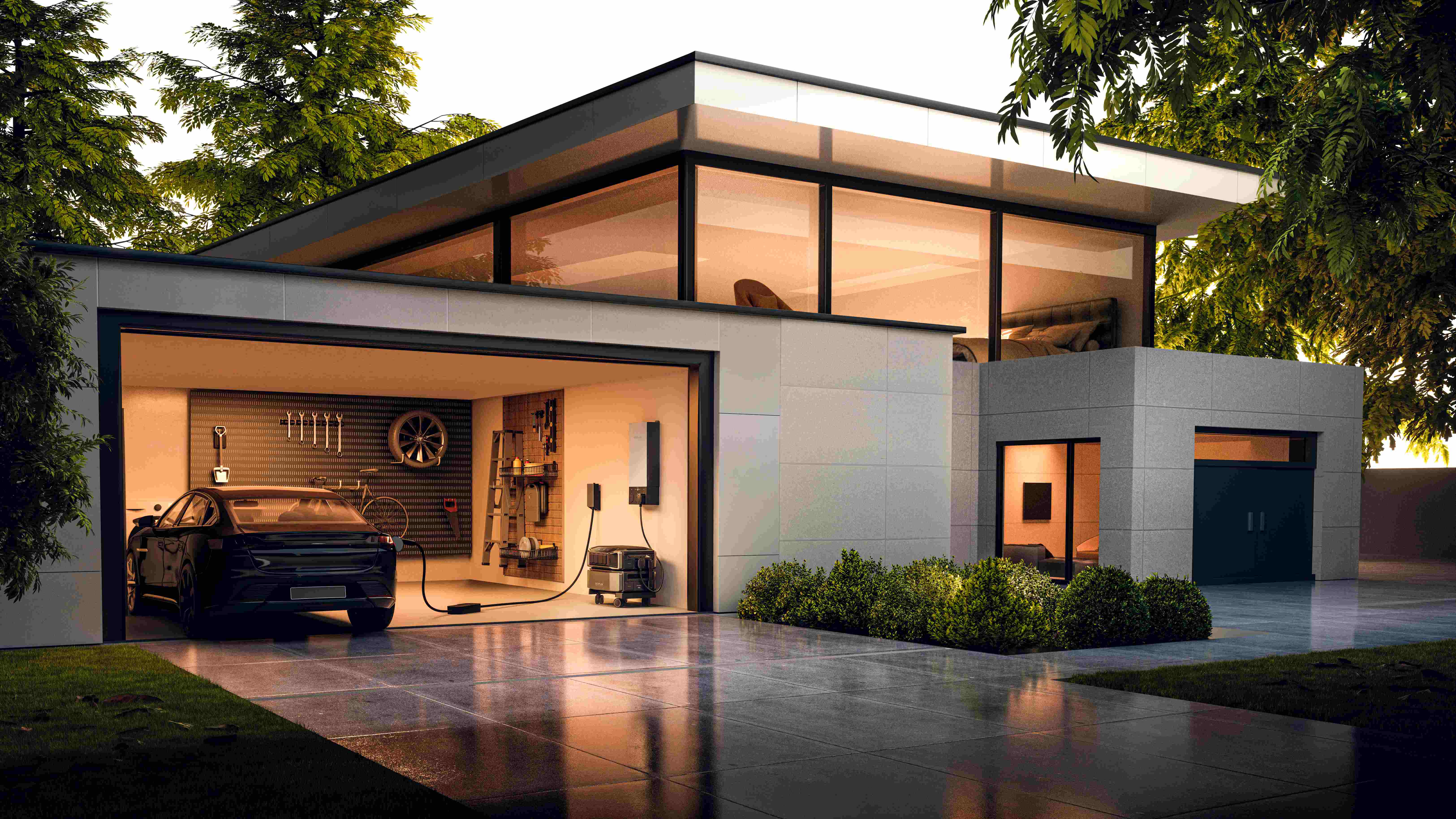
For households facing frequent outages, heavy summer cooling demand, or a need to keep more essential circuits running, a whole-home backup solution such as EcoFlow DELTA Pro Ultra can be a practical next step in building home energy resilience.
Canada is still a country of varied climates, but the long-term direction is clear. Hotter conditions, smoke, stronger storms, flooding, and outages are becoming harder for households to ignore. Families that prepare early can reduce stress, protect essential needs, and stay steadier when conditions worsen in 2026 and beyond.
FAQs
Q1. Is Canada still a cold country even as temperatures rise?
Yes. Canada still has long, cold winters in many regions, but that does not cancel out a warming trend. A country can remain cold in winter while also seeing hotter summers, warmer nights, and more unstable seasonal patterns. For households, that shift matters because heating is no longer the only climate concern. Cooling and outage readiness are becoming part of normal planning, too.
Q2. Can hotter summers affect homes even without a major disaster?
Yes. A home does not need a wildfire or flood to feel climate pressure. Longer heat spells can make rooms harder to cool, raise electricity bills, reduce sleep quality, and strain older appliances. Families often notice the impact through discomfort, poor indoor air flow, and higher dependence on fans or air conditioning during periods that used to feel manageable.
Q3. Should renters prepare for extreme weather differently from homeowners?
Yes. Renters usually have less control over insulation, backup systems, and building upgrades, so personal preparation matters more. Portable cooling, backup charging, emergency supplies, and a clear plan for medications, pets, and communication can make a big difference. It also helps to know building rules, emergency exits, and who to contact quickly if power or water service is interrupted.
Q4. Is home backup power only useful during winter outages?
No. Summer outages can be just as disruptive, and sometimes more stressful. High indoor temperatures, spoiled food, dead phones, and loss of internet can create immediate problems, especially for families with children or older adults. Backup power is valuable whenever households need to keep essential devices running safely during periods of severe weather, regardless of the season.
Q5. Can one household climate plan cover heat, smoke, storms, and outages?
Yes. A strong household plan should cover all four together because they often overlap. The most useful approach is to focus on shared essentials: safe indoor conditions, clean air, lighting, food storage, communications, and power for critical devices. One clear plan is often more effective than separate plans for every weather event because it reduces confusion when conditions change quickly.