Climate Change Jeopardizes Canada's Hydropower and What It Means for Home Backup
- How Climate Change Threatens Canada’s Hydropower
- Can Canada’s Energy Exports Survive Declining Water Levels?
- Are Aging Dams Built to Withstand Extreme Weather?
- Adapting Hydropower Systems for a Changing Climate
- How Homeowners Can Strengthen Energy Resilience
- Frequently Asked Questions
- Ready to Discover Reliable Home Backup Power with EcoFlow Canada?
Canada’s hydroelectric stations provide the majority of the country’s electricity, and it’s one of the largest hydroelectricity producers in the world. This reliance on renewable energy has helped manage energy supply and cost for generations, but now, climate change is threatening these systems.
Provincial grids are now relying more on expensive imported energy as they seek alternatives to supplement hydropower when it falls short of the demand. Learn more about Canada’s hydro-climate vulnerabilities and discover how you can prepare for potential power disruptions ahead.
How Climate Change Threatens Canada’s Hydropower
Hydroelectricity is Canada’s #1 power source. Its hydropower infrastructure generates approximately 60% of the country’s electricity, providing renewable energy to the grid while other countries have historically relied on fuel imports. However, climate disruptions are forcing utilities to follow suit and supplement their efforts with less sustainable alternatives.
As the Earth warms and water becomes scarce, droughts are reducing water levels worldwide. Extreme temperature events also increase energy demand, and all Canadians feel the impacts of the mismatch of supply and demand.
Extended drought periods significantly reduce reservoir levels at hydroelectric facilities, making hydropower production more challenging and unpredictable. Additionally, weather events can disrupt the consistent flow of water patterns, which are vital for reliable power generation. Seasonal snow and melt cycles are also fluctuating, disrupting long-term timing schedules.
Rising Temperatures and Unpredictable Weather Patterns
Warming temperatures make precipitation patterns less predictable, which impacts water availability used for hydroelectric generation. Extreme heat exacerbates electricity demand while simultaneously reducing generation capacity. It’s a lose-lose.
The Ripple Effect on Reservoir Stability
Lower water levels stress infrastructure, which is designed for consistent reservoir depths. Irregular storms can also create flood risks, forcing dam operators to release water unsafely.
When there’s reduced water flow to the reservoirs, the systems don’t get naturally flushed, and more sediment accumulates at the bottom.
Managing these reservoirs is becoming increasingly challenging and complex, and this trend is expected to continue as climate conditions become less predictable.
Can Canada’s Energy Exports Survive Declining Water Levels?
Canadians aren’t the only ones feeling the negative impacts from the hydropower declines. Canada also relies on a healthy hydropower export industry with neighbouring regions, but with less supply, they may not be able to fulfill these export agreements. Industry revenue will decline, and trade relationships will be strained as Canada shifts to importing energy to meet national demand rather than exporting their surplus.
But these economic implications will spread far beyond the energy sector. Provincial budgets will become tighter, and other nations may become more competitive to make up for Canada’s lack.
Are Aging Dams Built to Withstand Extreme Weather?
Most of Canada’s dams have been in place for decades, dating back to the execution of the Columbia River Treaty. When they were created, climate change wasn’t a thought. Now, as climate resilience becomes a higher priority, dam safety inspections are revealing vulnerabilities. We’re beginning to see how this infrastructure may not be able to withstand the extreme weather we’re experiencing now and anticipate in the future.
Extreme weather events stress the infrastructure beyond its original engineering parameters. However, the costs of modernization seem overwhelming, as utilities already face climate-related operational pressures.
Adapting Hydropower Systems for a Changing Climate
Renewable energy systems require technological upgrades to adapt to the changing climate and variable water conditions. Integrating smart grids can help optimize their performance as the environment fluctuates, and advanced forecasting tools can improve planning for the future.
A hybrid approach is key as we seek to both enhance current hydropower systems and supplement them with other renewable energy sources to make energy production more reliable.
How Homeowners Can Strengthen Energy Resilience
Despite unstable grid systems and climate-related disruptions, it’s more important than ever for Canadians to harness their energy independence. Investing in renewable energy sources, such as solar panels and wind systems, can provide a reliable backup option as hydropower generation declines.
Backup systems like whole-home generators can completely detach you from the grid or allow you to run everything in your home as usual during power outages. It eliminates your personal vulnerability to the volatility.
As the world gets hotter, solar becomes more effective, and battery storage can maximize efficiency by storing excess power for later use.
Backup Power and Energy Independence
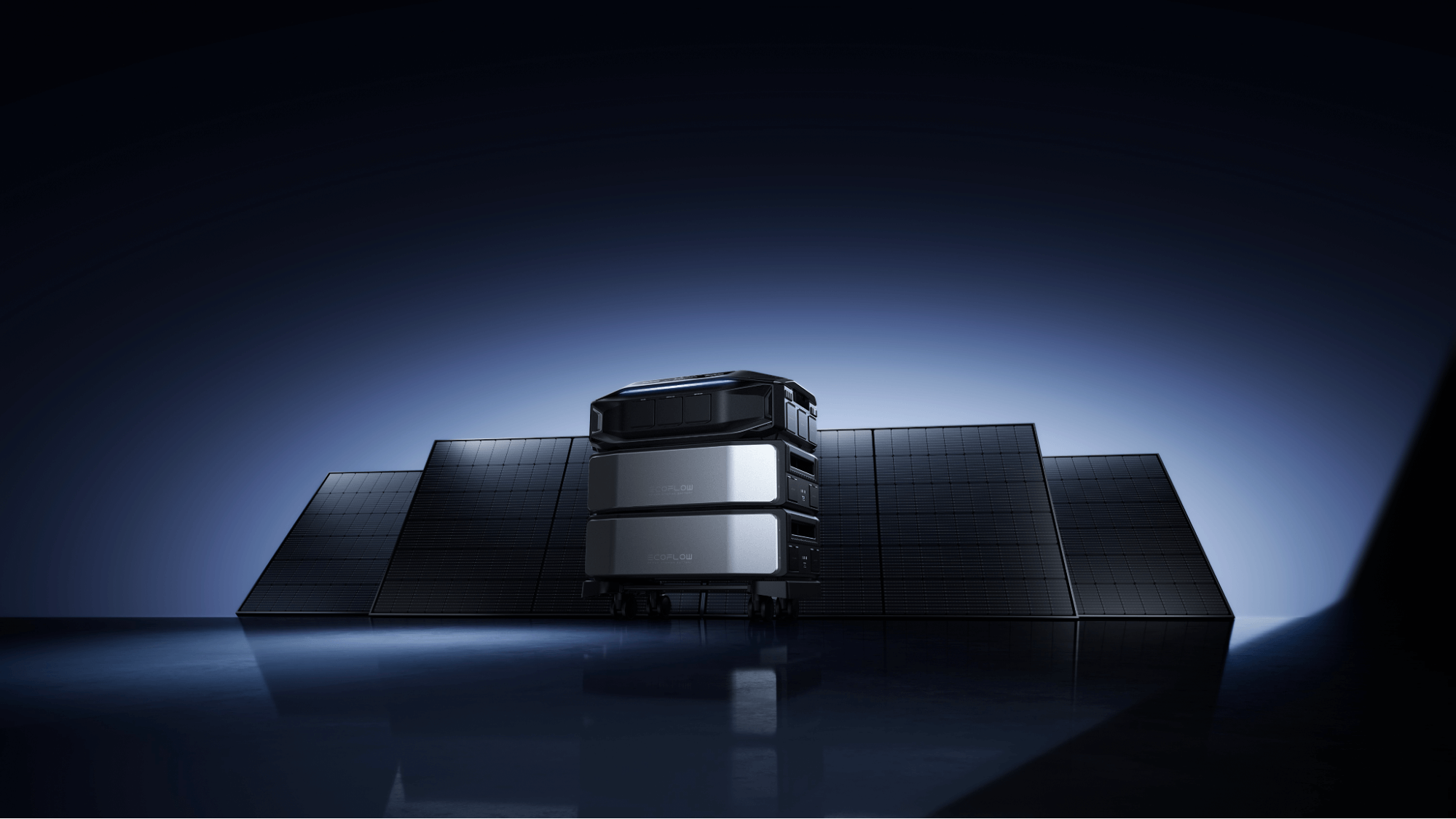
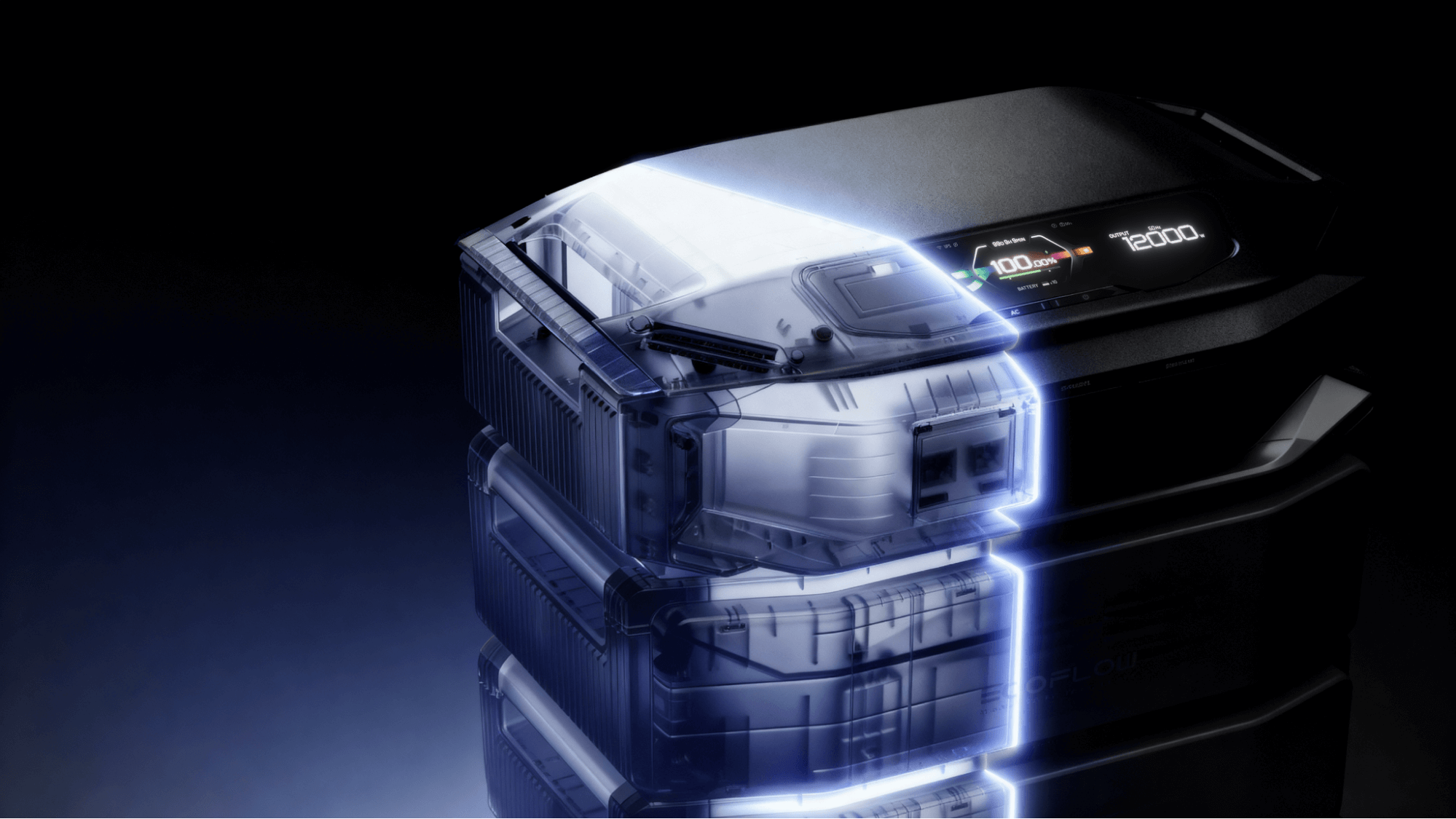
Portable power stations, such as the EcoFlow DELTA Pro Ultra X, are ideal for emergencies and unplanned blackouts, eliminating the need for permanent installation. If you prefer something to see you through extended outages when grid restoration is delayed, something like the EcoFlow DELTA Pro 3 Solar Generator (PV400W) is an even better option.
These energy independence strategies enhance your household resilience and lower your monthly utility costs.
Frequently Asked Questions
What Percentage of Canada’s Electricity Comes from Hydropower?
About 60% of Canada’s total electricity production capacity is produced by hydroelectric generation. Some provinces, such as British Columbia and Quebec, generate over 90% of their electricity from hydroelectric power. Regional energy mixes reflect the availability of water resources and certain geographic advantages.
How Does Drought Reduce Hydropower Production?
Droughts lower the reservoir levels, which decreases water pressure, reducing turbine efficiency and power output. Environmental regulations also restrict water usage when levels drop below certain ecological thresholds, creating another challenge.
Can Solar and Battery Systems Replace Hydropower Reliance?
Solar and battery systems can provide residents with reliable renewable energy alternatives, thereby reducing their dependence on hydropower and enhancing the grid's resilience. These systems are also more efficient and economically accessible than ever.
What Are the Environmental Impacts of Building New Dams?
Constructing new dams can disrupt natural river and fish ecosystems permanently, while also flooding terrestrial habitats and affecting wildlife populations. Methane emissions are unavoidable due to reservoir decompositions, contributing to greenhouse gas production.
Ready to Discover Reliable Home Backup Power with EcoFlow Canada?
Climate change is fundamentally changing the long-standing hydropower electricity industry and the country’s reliance on it for grid power. While experts and government leaders work to address the challenges arising, Canadian residents can enhance their own resilience by investing in renewable backup solutions, such as the EcoFlow DELTA Pro 3 Solar Generator (PV400W). During this transitional period, the peace of mind that comes with knowing you’ll always have power is truly invaluable.