Wildfire Outlook 2026: Preparing for "Holdover" Fires in BC & Alberta
What's in store for the British Columbia and Alberta wildfire outlook in 2026? Will “holdover” fires from the 2024-2025 season reemerge? These so-called zombie fires can survive the winter by hiding underground in organic peat and soil. Locations like British Columbia and Alberta face a higher risk due to the current winter conditions.
Spring weather patterns will determine the intensity and timing of any re-emergence, but preparing early for these possibilities is essential because fires can erupt at any time, surprising communities.
Understanding the Hidden Threat of Holdover Fires
Holdover fires are fires that can burn underground throughout the winter in organic matter such as roots or peat. These fires can smoulder for months at a time, maintaining temperatures of up to 800°F below the surface. They still require oxygen pockets and carbon-rich fuel to survive, and they're different from surface fires that can be visibly extinguished.
The Science of Survival
These fires persist due to the insulation provided by snow and soil, which keeps the embers alive. Organic soils in boreal forests serve as a continuous fuel source, and their root systems facilitate the delivery of oxygen. These underground fires aren't limited to one area either. They can travel several meters from the original fire perimeter.
Catching Communities Off-Guard
Holdover fires are particularly dangerous because they catch communities off guard due to their lack of visibility. Emergency services may classify the fires as extinguished, but this doesn't account for holdover fires that may still be lurking underground. As the spring emerges, these fires can reemerge, too, in unexpected locations. Once reemerged, they can reignite surface fires rapidly if the conditions are favourable.
2026 Spring Regional Outlook
The BC and Alberta spring regional outlook for 2026 depends on current winter conditions, spring weather predictions, your location, proximity to high-risk zones, and the timeline.
Winter Conditions
Last year, snowpack in BC was significantly lower than usual. However, for the 2025-2026 winter season, it has been around 107% of normal, which decreases the risk of fire but increases the risk of flooding as it melts.
Spring Weather Predictions
The early fire season can start in areas with holdover fires; however, the timing depends on soil moisture, snow melt, and spring weather patterns. Research indicates that dry conditions decrease fuel moisture content, thereby increasing fire risk. Regional wind patterns may also intensify fire behaviour if holdovers emerge.
High-Risk Zones
It's crucial to determine if you live in a high-risk area. In British Columbia, that includes the Peace River region, the southeastern districts, and the central interior province. In Alberta, high-risk zones include the Wood Buffalo region, the Lac La Biche area, and the Slave Lake area.
Generally, high-risk zones encompass areas with extensive organic soil layers or peat bogs. Consider the locations of significant 2023, 2024, and 2025 fire activity.
Timeline
Holdover fires could emerge as early as late March in some southern areas of British Columbia and Alberta, but the peak risk period is typically from April to June. There's potential for multiple fires to start simultaneously, and unfortunately, the fire season has been extended due to an early start, combined with predictions for a summer drought.
Early Warning Signs
Residents should watch out for early warning signs such as:
Steam or light smoke that seems to rise from cold ground
Unusually warm patches of ground during snowmelt
A distinct burning smell of organic matter
Areas of much faster snowmelt than the surrounding terrain
Dead plants in irregular or circular patterns
Detection Challenges
Re-emerging holdover fires are particularly difficult to detect because they initially produce minimal visible smoke, and surface conditions, such as snow, can often obscure their thermal signatures.
Reporting Protocols
If you detect an emerging holdover fire, contact your local fire authorities as soon as possible and report any suspicious signs. Provide precise details when possible, including GPS coordinates and detailed descriptions of the location. Don't approach suspected holdover fire sites; leave that to the professionals.
Even if you're unsure, it's still wise to report. False alarms are much preferred over missed fires.
Preparing for Outages
During wildfire season, power outages are incredibly common. Transmission lines are at risk, and any damage can lead to outages, but preventative shutoffs are also a possibility to prevent widespread blackouts.
Prepare for these situations by keeping essential backup power on hand. You can use it to run medical equipment such as CPAP machines or oxygen concentrators, as well as keep your refrigerator running to keep medications cold. Power is also essential for communication devices to provide emergency updates or calls for help.
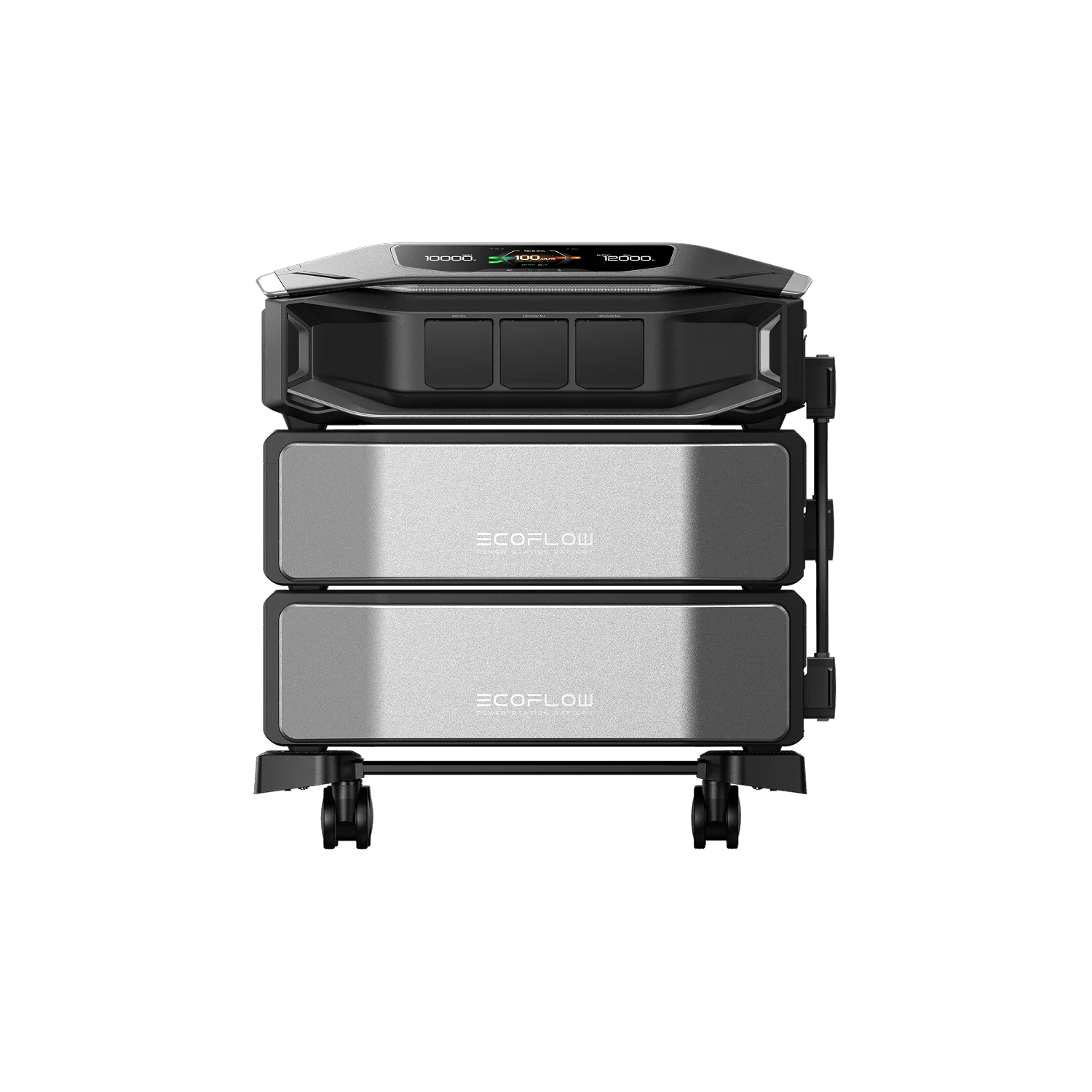
For a seamless, integrated backup power experience, use an EcoFlow Whole-Home Backup Generator that automatically switches on when power is lost. Pair this with solar charging to help maintain power generation during extended outages, and you'll have peace of mind that you'll be safe, comfortable, and powered in your home.
One model to consider is the EcoFlow DELTA Pro Ultra X, which has a massive 12kWh capacity that's expandable up to 180kWh, providing more than enough storage power for extended home backup. It also has a high output of 12 kW to 36 kW, capable of handling nearly all your home's energy needs.
Household Preparedness
To further prepare your household, assemble an emergency kit with these essentials:
Vital documents kept safe in waterproof containers
A 72-hour supply of non-perishable food and water for all family members
Emergency cash
Copies of identification
Hand crank or battery-powered radio with extra batteries for emergency updates
First aid supplies and prescription medications
Prepare your property by creating a defensible space of 30 feet around your structures. This includes clearing gutters and roofs of flammable debris, keeping firewood and propane away from buildings, using fire-resistant landscaping, and ensuring that water sources are accessible.
Your family should have a communication plan with an out-of-area contact that you can use for family coordination, and emergency numbers should be programmed into everyone's mobile device. Predetermine your evacuation routes with multiple options available.
Staying Vigilant in 2026
Holdover fires are a hidden, but very real threat, and the best course of action is early preparation. Closely monitor your local conditions and fire danger ratings, and keep a well-stocked inventory of emergency supplies and backup power systems ready for extended outages. Report any suspicious signs of holdover fire emergence and be prepared for whatever the spring 2026 fire season may bring.