Solar Payback Period in Canada: Province-by-Province ROI Calculator for 2026
- What Is the Solar Payback Period, and How Do You Calculate It?
- Why Payback Is Different Across Provinces in 2026
- Essential Inputs for a Province-by-Province ROI Calculator
- Typical Payback Ranges by Province: What to Expect
- Practical Ways to Shorten Payback: Sizing, Storage, and Load Shifting
- Frequently Asked Questions
- Save Money, Increase Resilience, Reduce Emissions
The solar payback period varies widely across Canada, with years' difference between some areas. The price you pay for electricity is the single biggest variable, with rates varying from province to province.
Rebates, net metering availability, and load shifting can all impact how long it takes to make your money back on the initial investment. In 2026, solar payback has improved by two to three years compared to prior calculations, so it's a good time to run the numbers for your province.
What Is the Solar Payback Period, and How Do You Calculate It?
The solar payback period is the time it takes before your cumulative electricity savings breaks even with the net cost of the system. The standard payback formula is:
(system cost - rebates) / annual savings = years
Annual savings can be calculated as:
(kWh produced x percent consumed on site x retail rate) + kWh exported x export credit rate
For example, a $22,000 system that saves you $1,500 per year will pay you back for the system in about 14.7 years.
The term is often used interchangeable with "solar ROI," but they're two different things. Payback marks your break even point, while ROI measures the total profit over the system's life.
Why Payback Is Different Across Provinces in 2026
Payback varies across provinces and even homes. The electricity rate is the primary driver. Provinces with high rates see the fastest payback because they stand to save more.
Solar irradiance also varies significantly by region. Alberta and Saskatchewan lead the country in solar production potential, with British Columbia and Atlantic Canada producing less.
The provincial rebate landscape has shifted in 2026 compared to prior years. The Canada Greener Homes Loan closed in October 2025, so the only active incentive programs now include the Clean Technology Investment Tax Credit (ITC), BC Hydro, Ontario's Home Renovation Savings Program, Efficiency Manitoba’s rebate program, and certain municipal rebates.
Savings can still differ from house to house based on what kind of system you have, whether you have backup storage, how well-positioned your panels are, etc.
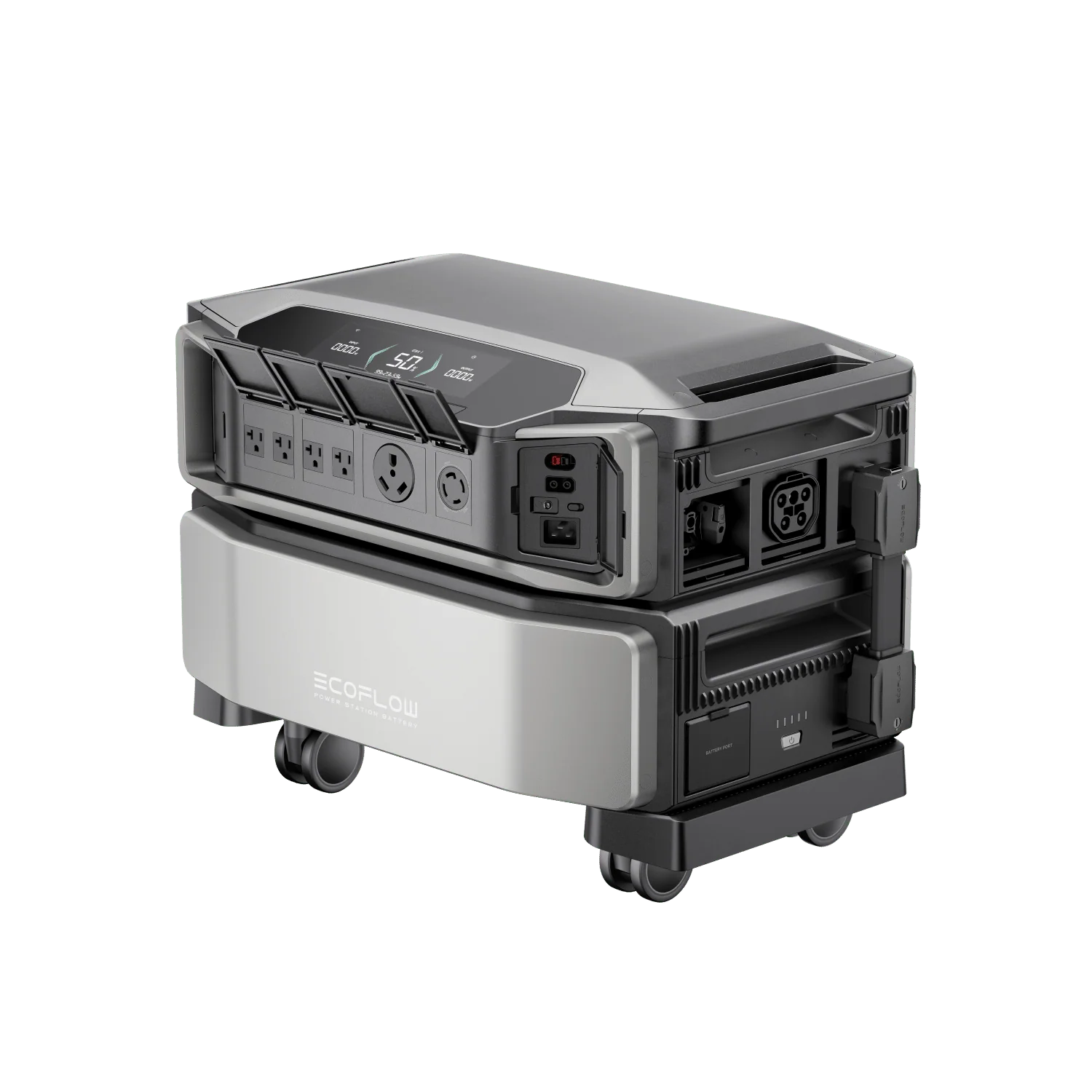
Those with a whole-home generator will pay more upfront, but will make back the investment quicker because they'll generate more solar power. For example, pairing the EcoFlow DELTA Pro Ultra battery with a solar array allows you to store any extra solar energy produced for use later, allowing every kilowatt to be utilized and put toward recuperating your original investment.
Essential Inputs for a Province-by-Province ROI Calculator
System cost per watt: How much you pay per watt of generated solar power
Local electricity rate: Pull the current rate from your provincial utility
Irradiance data: Use NRCan Solar Maps for province-specific irradiance data
Annual production estimates: This estimate is based on peak sun hours, system size, and panel efficiency, and will vary depending on your roof orientation, shading over the panels, and province
Electricity rate escalation: Most calculators will apply a 3% to 5% annual rate increase, which can shorten real-world windows
Export compensation rate: If selling extra energy back to the grid, but export credits are below retail, a system that's sized larger than your annual consumption will produce diminishing returns
Typical Payback Ranges by Province: What to Expect
Because electricity rates, solar irradiance, and financial incentives vary by province, here's what you can expect for payback ranges depending on where you live.
Alberta and Saskatchewan
These two provinces have the most sun hours in Canada per year. Plus, electricity rates are above 13 cents per kWh. These two factors provide the best overall solar payback range, with a typical timeline of around 7–9 years.
Ontario
Ontario has strong incentives available and uses time-of-use rate structures. Typical payback is around 9–11 years.
Nova Scotia
Nova Scotia is home to Canada's strongest net metering program, paying out surplus energy at retail rates and bringing the average payback period to an 8-10 year range.
British Columbia
British Columbia's moderate sun hours are offset by the BC Hydro rebates and net metering programs. Standard payback is still longer than the above provinces, falling around 10–13 years.
Quebec
Quebec has the lowest electricity rates in Canada, extending the timeline to 12–20+ years for most residential solar systems. However, the new Hydro-Quebec self-generation pilot program, offering $1,000 per kW up to 40% off the project cost, launched in April 2026 to partially offset this.
Manitoba
Manitoba has the second-lowest electricity rates in the country. That, combined with net billing rather than net metering, extends payback. You'll get the best timeline in a high-consumption household.
Practical Ways to Shorten Payback: Sizing, Storage, and Load Shifting
Looking for ways to shorten your payback period? Here are a few tips to maximize your solar energy investment.
Right-size your system to your actual consumption.
Stack all available incentives before installation.
Use battery storage to reduce monthly bills.
Run high-draw appliances during peak solar production hours to maximize self-consumption and reduce grid reliance.
Frequently Asked Questions
What Is a Realistic Payback Period in My Province?
A realistic payback period expectation depends on your provincial electricity rate, available incentives, and sun hours in your area. Higher rate provinces run about 7–11 years for payback with incentives, while low-rate provinces can take as many as 20 years.
Is Battery Storage Worth the Extra Cost?
Battery storage adds significant system cost. But pairing it with solar can help bring down the payback period. It's worth it in provinces with time-of-use pricing, where peak-to-off-peak rate spreads are the highest.
How Accurate Are Calculator Estimates?
All estimates are just that. Actual results will vary based on your installer pricing, roof orientation, shading, local utility rules, and whether rebates are successfully claimed or not. For the most accurate outputs, use data from NRCan Solar Irradiance Maps, provincial utility rate filings, and certified installer quotes.
Save Money, Increase Resilience, Reduce Emissions
The solar payback period in Canada can range from as little as seven years in high-rate and high-sun provinces to more than 20 years in areas that see little sun and have lower electricity rates. The province you live in matters more than any other single factor.
But in 2026, the incentive landscape has also changed, with fewer incentives available federally and provincially. That can't be overlooked since these programs helped reduce payback periods.
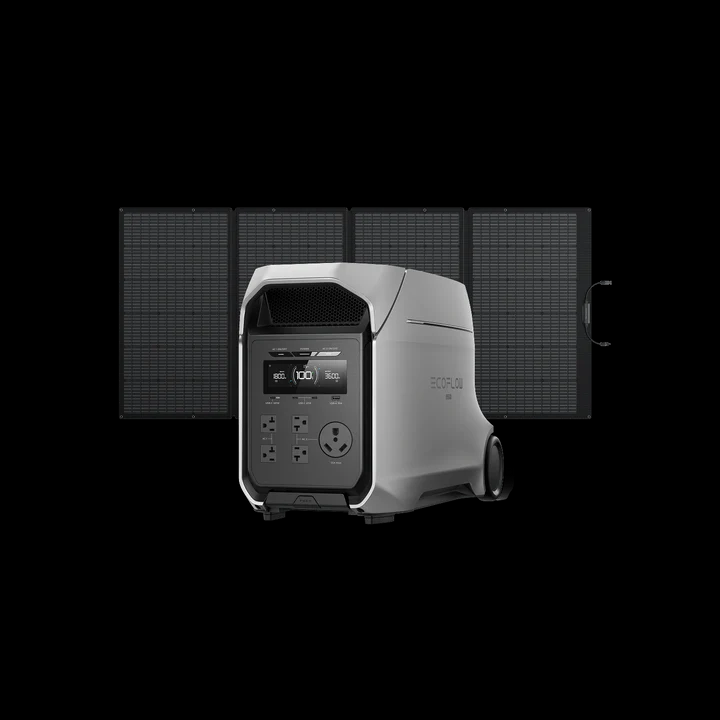
The best tactics to shorten your payback period include stacking rebates, right-sizing your system, and using battery storage strategically. If you're looking to pair solar savings with reliable backup, start with a scalable system like the EcoFlow DELTA 3 Ultra Plus + 400W Solar Panel. It’s 3kWh base capacity is expandable to 11kWh, so it can grow seamlessly alongside your energy needs.