How Much Does Solar Cost in Canada? 2026 Price Breakdown by Province
Rising utility rates mean more homeowners across Canada are seeing the benefits of turning to solar power for long-term energy savings. Investing in solar panels is an effective way to lower your monthly bills and avoid the main risks of power outages.
However, it’s not always easy to get started. The upfront expenses, price variations across the country, and government incentives can make it difficult to know where to start. This guide lays out the full price breakdown so you don’t get frustrated sorting out your solar setup.
What Affects the Cost of Solar in Canada?
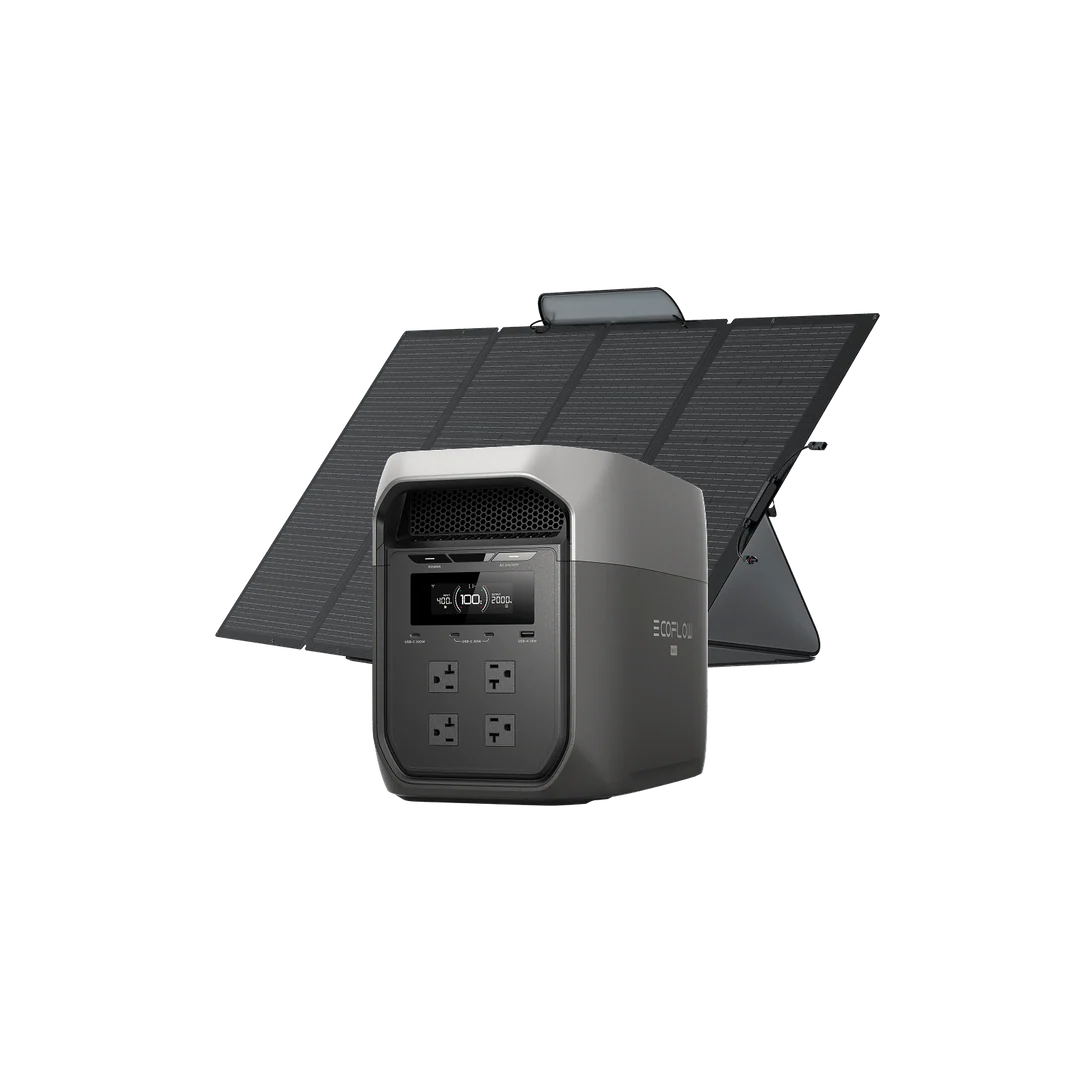
When looking at the cost of solar, this typically means a solar system installed on the roof of your property. Other options, including portable power stations like the EcoFlow DELTA 3 Max + 400W Solar Kit, provide a source of backup power and offer a more affordable way to access solar power.
But for a home solar installation on your roof, several variables affect the cost:
The size of the system: Your home’s power needs are based on your electricity consumption. A larger household uses more energy and requires higher total wattage output, which means more panels. As such, initial costs will be higher.
Complexity: Your roof’s pitch and orientation affect labour requirements. If you have a south-facing asphalt shingle roof, this is easier to equip than steep metal or tile roofs, which are harder to work with.
Equipment: Premium monocrystalline panels with high efficiency ratings and longer warranties cost more upfront than standard polycrystalline options.
Local Permitting: Specific engineering approvals, building permits, and electrical grid connection requirements are enforced by local municipalities and Local Distribution Companies (LDCs).
What is the Average Cost of Solar Panels in Canada in 2026?
The baseline cost of solar panels across Canada for a residential solar installation is between $2.40 and $3.50 per watt for the entire system, fully installed. This includes the monocrystalline panels, inverters, mounting racks, wiring, and labour costs.
A standard 5 kW residential solar array costs from $12,500 to $17,500, before provincial incentives are applied. For larger homes, a 10 kW system is more common, and this costs between $24,000 and $35,000.
How Much Does Solar Cost by Province?
The cost of solar power varies by province, and you may also need a permit for installation. Here’s a rundown of the costs to expect depending on where you live.
British Columbia
Solar costs from $2.60 to $3.27 per watt in BC, meaning a 10 kW system costs from $26,000 to $32,700. While local labour costs are relatively high, BC Hydro’s robust self-generation framework, as well as provincial tax policies, help to shorten the payback period.
Alberta
Alberta is one of the most competitive markets, with costs from $2.40 to $3.02 per watt. This means a 10 kW setup costs from $24,000 to $30,200.
Ontario
Ontario has a mature network that’s highly efficient, and the cost is $2.42 to $3.05 per watt, averaging $24,200 to $30,500 for a 10 kW setup. This is a particularly active market due to high on-peak electricity rates.
Quebec
The cost is $2.60 to $3.27 per watt, or $26,000 to $32,700 for a 10 kW setup, in the province. Hydro-Québec has some of the lowest electricity rates in the country, leading to a longer payback period.
Saskatchewan and Manitoba
Like Quebec, the cost is between $2.60 and $3.27 per watt. There is also excellent solar exposure in Saskatchewan, and Efficiency Manitoba has targeted energy programs that can help reduce costs.
Atlantic Canada
In New Brunswick, Nova Scotia, and Prince Edward Island, the cost averages $2.60 to $3.27 per watt, or $26,000 to $32,700 for 10 kW setups. Coastal areas have higher baseline power costs, making it quicker to offset your monthly bill.
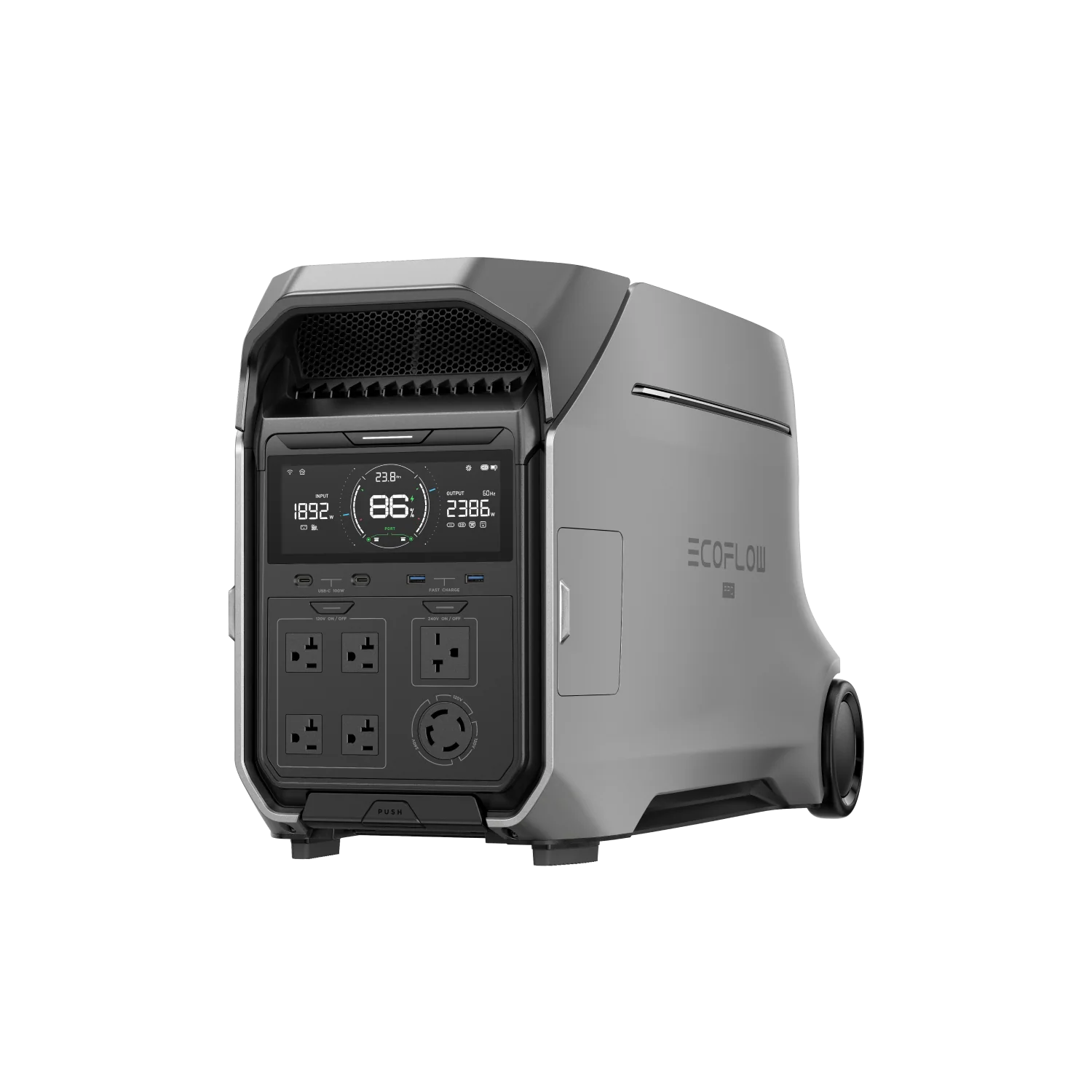
If your main goal is backup power rather than offsetting your grid consumption, the EcoFlow DELTA Pro 3 is worth considering. It pairs with portable solar panels to keep your essentials running during outages, at a fraction of the cost of a full rooftop installation.
What Solar Rebates and Incentives Are Available in Canada?
The landscape has changed in recent years for solar rebates and incentives, and the federal Canada Greener Homes Grant ($5,000 rebate) and Greener Homes Loan ($40,000 interest-free financing) have both closed.
The Canada Greener Homes Affordability Program (CGHAP), launched by the federal government, is only for low-to-median-income households, and rules differ across provinces. As such, funding is now mainly via provincial, municipal, and utility programs.
British Columbia
BC Hydro provides a Solar Rebate of up to $5,000 for rooftop solar installations and a maximum $5,000 battery storage rebate if paired with the system, and you’re enroled in BC Hydro’s Peak Saver program. Solar equipment is exempt from Provincial Sales Tax (PST).
Alberta
There is no province-wide grant, but local funding is offered by several municipalities. The Clean Energy Improvement Program (CEIP) can finance up to 100% of a solar project with low-interest financing. Banff has a direct production incentive, offering $450 per kW installed and covering up to $9,000.
Ontario
The Home Renovation Savings (HRS) Program provides up to $5,000 for solar panels, which is $1,000 per kW, and up to $5,000 for certain battery storage systems. However, this only applies to load-displacement systems. Residential solar panels are exempt from provincial HST.
Manitoba
Efficiency Manitoba gives a rebate of $0.50 per DC watt installed, which is capped at $5,000. You can stack this with the Manitoba Hydro Home Energy Efficiency Loan, which provides up to $20,000 in financing with 6.20% interest, and it’s repaid via your monthly bill.
Prince Edward Island
The PEI Solar Electric Rebate Program provides $0.50 per watt, with a maximum of $5,000 for residential installations. However, new applications are currently paused.
Frequently Asked Questions
How Much Do Solar Panels Cost for a 2000 Square Foot House in Canada?
For the average 2,000 sq ft (186m²) home, a typical solar array requires 7 kW to 10 kW. The total installed cost for this ranges from $17,500 to $35,000, but this is before you take any provincial rebates into account.
Is Solar Power Worth It in Canada in 2026?
Yes, solar power is worth it for most homeowners in Canada. It takes about 10 to 14 years to pay for itself on average via utility bill savings, and it then continues to provide free electricity for decades.
Lower Bills, Greater Resilience, Smarter Investment
Using solar power in Canada can help you make significant savings on your electricity bill. The cost of installation depends on where you live, but the benefits are almost always worth it when you start generating your own clean energy.
If you want to maximize independence and protect your home from grid failures, consider smart storage integration using EcoFlow’s whole home backup power solutions.