Portable Solar Panels for Home Use in Canada: Your Full Setup Guide
- Portable Solar for Canadian Homes: What It Is and When It Makes Sense
- How to Plan Your Home Setup: Loads, Runtime, and Seasonal Reality
- Portable Solar Panel Setup Step by Step: From Placement to Powering Devices
- Permits, Codes, and Net Metering: What Applies in Canada
- Choosing a System That Can Grow With You
- Frequently Asked Questions
- Build a Home Solar Setup You Can Use Today and Expand Tomorrow
You don’t need a permanent solar installation to enjoy sustainable, low-cost energy. Portable solar panels make it possible for Canadians to generate clean energy without committing to a full rooftop installation. Whether you just want backup power for outages or need to power an off-grid cottage, the right setup makes a big difference. Learn what portable solar is, how to set it up, and tips for buying the right system.
Portable Solar for Canadian Homes: What It Is and When It Makes Sense
A portable solar system combines foldable solar panels with a portable power station. Just like a traditional system, the panels collect sunlight and the power station stores that energy for later.
The difference is that a portable system is far more flexible, so if you’ve been wondering if solar energy is worth it in Canada, a portable system makes it much more accessible. There's no long installation process, no roof modifications, and no long wait to get started. You simply set up the panels, connect them to your power station, and start generating electricity.
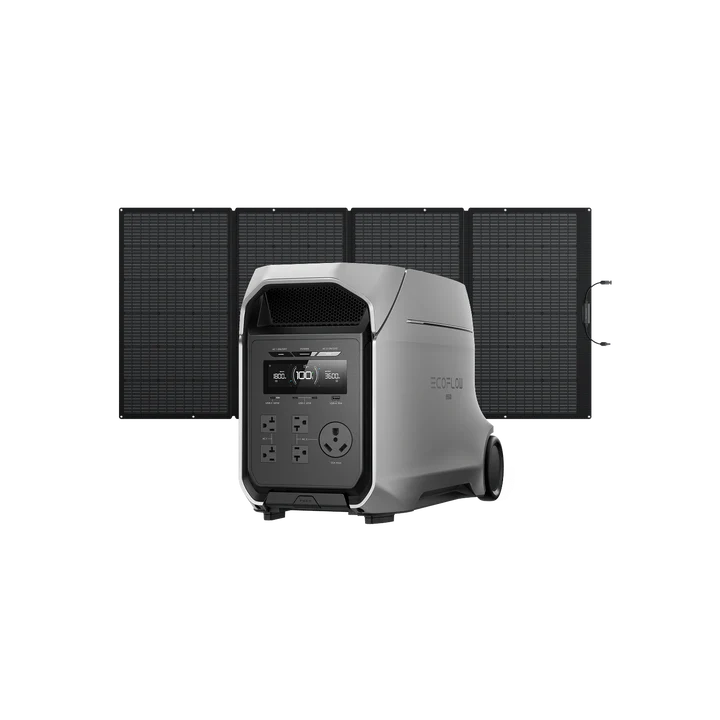
The EcoFlow DELTA 3 Ultra Plus + 400W Solar Panel is a good example: a plug-and-play kit that pairs a high-capacity power station with a portable panel, so you can start generating and storing energy without any permanent installation.
If you live in an area where storms regularly knock out power, a portable solar setup can keep essential devices running when the grid goes down. During extended outages, you can recharge your power station from the sun each day instead of relying entirely on wall charging or fuel-powered generators.
How to Plan Your Home Setup: Loads, Runtime, and Seasonal Reality
Most people make the mistake of starting with the panels, but it's more useful to start with what you need to power. Follow these steps to plan a right-sized portable solar setup for your home:
Start with essential loads: You don’t need to run every appliance at once during an outage; just the essentials. Make a list of the devices you want to power and check their wattage. Once you know how much electricity they use, you can estimate your daily energy needs and choose a system that matches your plan.
Consider runtime: A portable power station may be powerful enough to run your refrigerator, but how long can it keep it running? A few hours? Overnight? Several days when paired with solar panels? The larger the battery, the longer you can run your devices before recharging. Adding portable solar panels extends that runtime by replenishing your battery throughout the day.
Remember seasonal changes: Solar works just about anywhere in Canada, but your setup should account for seasonal changes. In July, long daylight hours can provide plenty of solar production. But in December, you'll have fewer hours of sunlight and shorter charging windows. Snow, cloudy weather, and lower sun angles can also affect energy generation. That's why it's best to build extra capacity into your system instead of sizing it for perfect summer conditions.
The good news is that you don’t have to be an expert to plan the perfect system. If you're unsure where to start, a solar panel kit can simplify the process. These ready-made kits pair compatible panels and storage in a single system that's designed to work together right out of the box.
Portable Solar Panel Setup Step by Step: From Placement to Powering Devices
Unlike rooftop solar, a portable system puts you in control; you can set it up, move it, and start generating power the same day. Most systems are plug-and-play, too, so it’s surprisingly easy to start generating your own power. Here’s how to get the most out of your setup.
Find a sunny spot: Solar panels won’t generate much power if they're sitting in the shade. Before setting up, look for an area that receives direct sunlight for most of the day. Even partial shading from trees or fences can noticeably reduce output.
Adjust the angle: Make sure sunlight hits the panels directly. Rather than laying them flat on the ground, use the built-in stands to angle them toward the sun. During summer, a moderate tilt often works well. Go with a steeper angle during winter, when the sun sits lower in the sky.
Connect to the power station: Once the panels are set up, connect them to the power station using the included solar charging cables. The power station will store the electricity generated by the panels.
Monitor your output: Cloud cover, seasonal sunlight, and panel angle can affect charging performance. Most portable power stations display real-time input, so you can see exactly how much power your panels are producing.
Permits, Codes, and Net Metering: What Applies in Canada
Here’s the great thing about portable solar panels: you aren’t installing anything permanent, so there’s generally no need for inspections or permits. Portable solar systems are usually considered plug-and-play equipment. Because they're not permanently attached to your home or connected to the electrical grid, homeowners can use them without obtaining permits or utility approvals.
Permit requirements vary by province and utility provider, but the only time you would need one is if your system requires some combination of:
Electrical permits
Building permits
Structural reviews
Utility approval for grid connection
Generally, you’ll only need an agreement with your utility provider if you’re sending electricity back to the grid. You aren’t doing that with a portable power station; you're simply storing energy for your own use, so that shouldn’t be a concern.
Choosing a System That Can Grow With You
So, how do you choose the best small solar panel kit for your home? Most Canadian homeowners start with a modest system and expand it as needed.
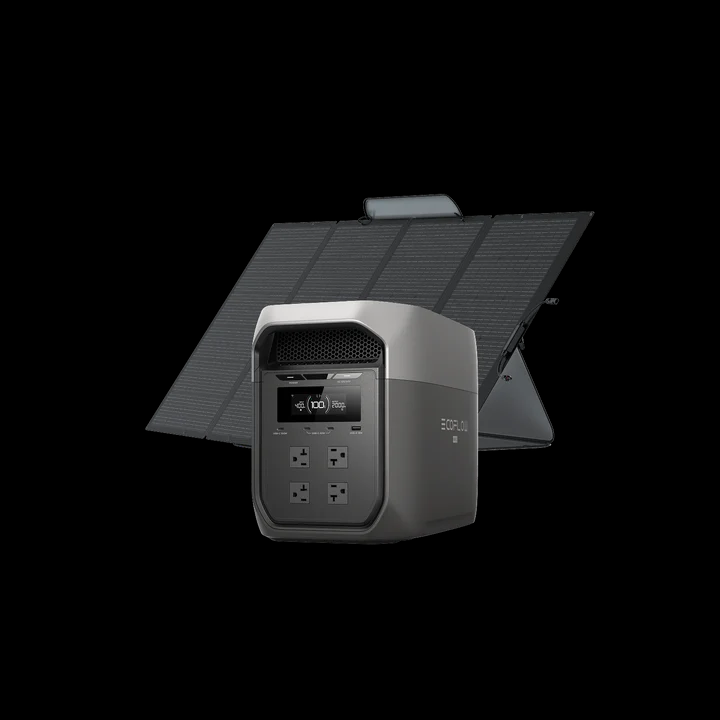
If you're looking for a flexible starting point, a system like the EcoFlow DELTA 3 Max + 500W Solar Kit offers plenty of storage without a big commitment. Pairing it with portable solar panels means you can recharge from the sun and extend your runtime during longer outages.
That’s enough for most households, but if you want something bigger, go with the EcoFlow DELTA 3 Ultra Plus + 400W Solar Panel to scale up. This higher-demand system supports larger loads and longer runtimes. Its 3-11 kWh expandable capacity puts you in control of how much energy you want to store for later, and it can charge from 0% to 80% in just 48 minutes with dual charging.
Frequently Asked Questions
Can Portable Solar Panels Power a Whole House in Canada?
No, not by themselves. Portable solar panels charge a portable power station, which you can use to power some devices and appliances. Most homeowners use them to keep essentials running during outages, such as refrigerators, freezers, Wi-Fi routers, lights, laptops, and medical devices. Panels alone usually aren’t enough to power an entire home, but they can certainly increase runtime.
Do I Need Permits to Use Portable Solar Panels at Home?
In most cases, no. Portable solar panels and portable power stations are considered plug-and-play equipment. Because they're not permanently installed on your roof or connected to the electrical grid, you don't need permits or utility approvals. That said, rules can vary by province, so it's worth checking with your local utility if you're unsure.
How Many Portable Solar Panels Do I Need for Winter in Canada?
It depends on what you want to power. There’s less daylight in the winter, and that can seriously reduce daily solar production, so it’s better to size up if you can. A small backup setup that powers phones, laptops, and a router may need only one or two portable panels. Larger systems supporting refrigerators and other big appliances benefit from more panels and larger battery storage to compensate for the reduced winter sunlight.
What Incentives or Rebates Are Available for Solar in Canada?
It depends on where you live and what's currently available. Check the Canada Greener Homes Initiative [1] for province-specific programs. Many provinces also run their own separate incentive programs, so it's worth checking your provincial government's website directly because eligibility rules and availability change frequently.
Build a Home Solar Setup You Can Use Today and Expand Tomorrow
Portable solar doesn't have to be an all-or-nothing decision. Start with something small and simple for backup power and then expand it over time if you need it. While scalability is important, you should still do a little homework upfront to find a system that matches your priorities. Understand what you want to power, plan for seasonal conditions, and choose expandable portable backup systems to find a solution that delivers value over time.
Portable solar is as easy as setting up your panels and plugging them in. See how the EcoFlow DELTA 3 Ultra Plus + 400W Solar Panel can take you from unboxing to generating power the same day.
References: