Solar Cell Diagram: How It Works & Illustrated Breakdown
- What Is a Solar Cell and How Does It Work?
- What Are the Parts of a Solar Cell Diagram?
- How Does Sunlight Convert Into Electricity in a Solar Cell?
- What Is the Difference Between a Solar Cell, Panel, and Array?
- How Efficient Are Modern Solar Cells?
- How Are Solar Cells Used in Portable and Home Solar Setups?
- Frequently Asked Questions
- Understanding Solar Cells Helps You Choose the Right Solar Setup for Off-Grid Power
Every solar panel relies on dozens of tiny solar cells working together to turn sunlight into usable electricity. A solar cell diagram breaks these layers down, from the silicon wafers to the metal contacts, showing exactly how photons become power. Understanding this structure makes sense of efficiency ratings, cell lifespan, and how the technology scales from a single cell to a full array.
What Is a Solar Cell and How Does It Work?
A solar cell is a small semiconductor device, usually made from silicon, that converts sunlight directly into direct current (DC) electricity through the photovoltaic effect.
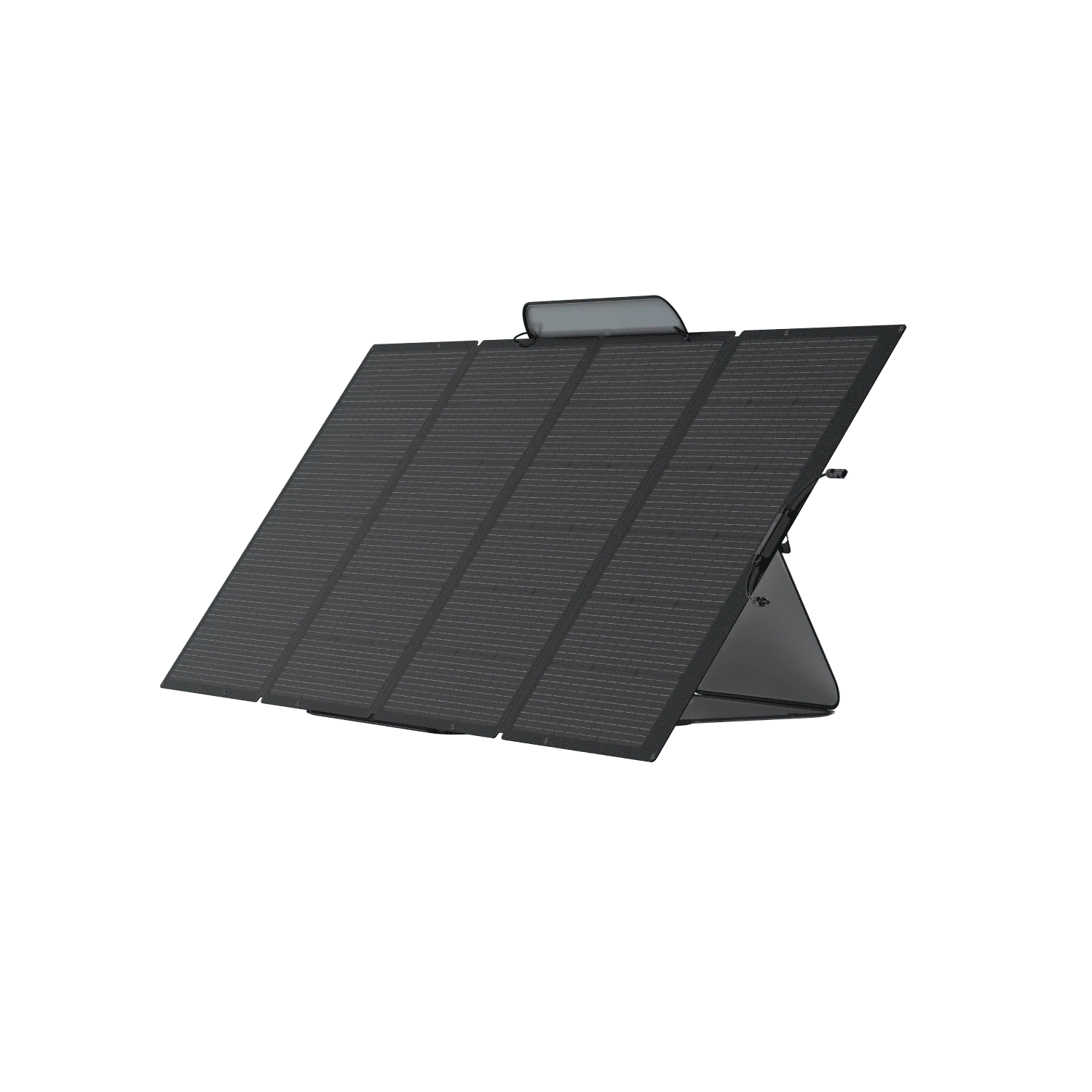
When photons from sunlight strike the cell's surface, they knock electrons loose from their atoms, creating a flow of electric current. An EcoFlow solar panel contains many of these cells wired together, so the combined output is strong enough to charge devices, batteries, or a home backup system.
What Are the Parts of a Solar Cell Diagram?
A typical solar cell diagram shows several distinct layers stacked together, each with a specific job of capturing and conducting electricity.
Silicon Layers and the P-N Junction
At the core of most solar cells are two layers of silicon: an n-type layer with extra electrons and a p-type layer with electron "holes." Where these layers meet, they form a p-n junction, the boundary that creates an electric field and pushes freed electrons in one direction.
This process starts well before assembly, at the point where raw silicon is shaped into solar cell silicon wafers.
Anti-Reflective Coating
A thin anti-reflective coating sits on top of the silicon layers to reduce how much sunlight bounces off the cell's surface. Without it, bare silicon can reflect over 30% of incoming light, cutting significantly into how much energy the cell captures. This coating is also why finished solar cells appear blue or black rather than the natural grey of raw silicon.
Metal Contacts and Back Sheet
Thin metal contacts, usually silver or aluminum, run across the top and bottom of the cell to collect and channel freed electrons into a usable current. A back sheet, typically a polymer material, seals the rear of the cell and protects it from moisture and physical damage.
How Does Sunlight Convert Into Electricity in a Solar Cell?
This is called the photovoltaic effect. In short, sunlight hits the cell, photons dislodge electrons, the p-n junction directs their flow, and the metal contacts carry that flow out as usable direct current. An inverter, built into most home solar setups, then converts that DC electricity into the alternating current (AC) your appliances use.
What Is the Difference Between a Solar Cell, Panel, and Array?
A single solar cell produces only a small amount of power on its own, just a fraction of a volt, which is why cells are wired together rather than used individually.
Wiring dozens of cells together in series and parallel creates a solar panel, which produces enough voltage and current for practical use.
Connecting multiple panels together forms a solar array, which scales output for larger needs, such as powering a home or an off-grid cabin. Whether you need one panel or several depends on your daily energy use and whether you're running a portable device or a full whole home backup power system.
How Efficient Are Modern Solar Cells?
Most commercially available silicon solar panels convert somewhere between 15% and 22% of sunlight into electricity, with premium models built on back-contact and heterojunction cells now reaching into the low-to-mid 20s under standard test conditions, according to PV Magazine’s coverage of NREL's efficiency records. Efficiency depends on cell material, operating temperature, and how directly sunlight hits the panel's surface, which is why placement and tilt matter almost as much as the panel itself.
How Are Solar Cells Used in Portable and Home Solar Setups?
The same underlying cells scale up or down depending on whether you need power at a campsite or across an entire house. What changes is how many cells are wired together and how they’re mounted, not how they generate electricity.
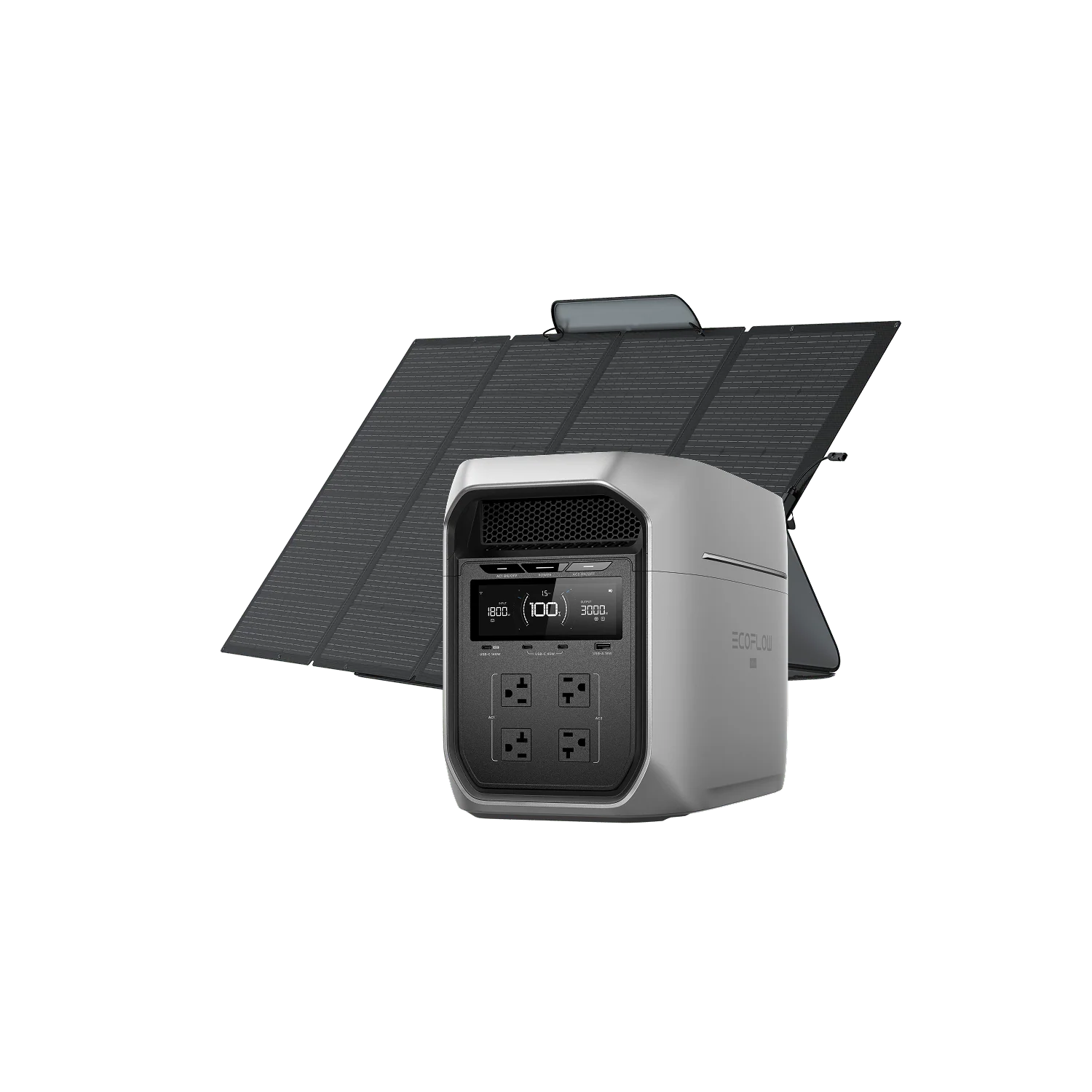
For portable use, a solar generator pairs a battery with a compact solar panel, like the EcoFlow DELTA 3 Max + 400W Solar Panel, so you can charge devices, run a cooler, or keep essentials on during a camping trip or an unexpected outage.
For a home setup, multiple panels are wired into a fixed array mounted on a roof or ground mount, feeding a system sized for your household’s daily energy use rather than a single trip.
Since mounting, output, and costing look different based on which route you take, it’s worth considering how a permanent and temporary solar setup compares before deciding which one fits your property. Occasional backup power favours a portable setup, while covering your daily household use favours a permanent one.
Frequently Asked Questions
How Long Do Solar Cells Last?
Most silicon solar cells are built to last 25 to 30 years, though they don't stop working after that. Instead, they degrade gradually, producing slightly less power each year. Most manufacturers back their panels with a 25-year warranty covering the majority of the original power output. Proper installation, ventilation, and protection from physical damage all help cells reach or exceed their expected lifespan.
What Materials Are Solar Cells Made Of?
Most solar cells use crystalline silicon, either monocrystalline or polycrystalline, as the core semiconductor material. Thin-film alternatives use materials like cadmium telluride or amorphous silicon instead. Cells also include small amounts of silver or aluminum for metal contacts, along with a glass or polymer covering and a protective back sheet that shields the internal layers from moisture and weather.
Can Solar Cells Still Generate Power on Cloudy Days?
Yes, solar cells still generate electricity in overcast conditions. Diffused light still contains photons capable of triggering the photovoltaic effect, though output drops significantly depending on cloud thickness. Heavy snow or direct shading tends to reduce output far more than cloud cover alone.
Understanding Solar Cells Helps You Choose the Right Solar Setup for Off-Grid Power
Once you know how a p-n junction, an anti-reflective coating, and a set of metal contacts work together inside a single cell, comparing panels on efficiency and build quality stops feeling like guesswork.
That knowledge matters most the moment you're deciding between a compact charger for weekend trips and a larger system built to back up your home. Choosing an EcoFlow solar generator gives you a setup that can start small and grow as your power needs change.