The Ultimate Guide to Overlanding in Canada (2026): Everything You Need to Start Your Adventure
- What Is Overlanding and Why It’s Growing in Canada
- Why Canada Is Perfect for Overlanding Adventures
- How to Start Overlanding in Canada (Step-by-Step for Beginners)
- Best Overlanding Vehicles for Canadian Conditions (2026 Guide)
- Essential Overlanding Gear Checklist for Canada
- Best Overlanding Routes in Canada for 2026
- Costs and Safety Tips for Overlanding in Canada
- Conclusion
- FAQ
The Canadian wilderness has always called to the restless soul, but in 2026, that call is getting louder, and a lot more crowded. Whether you’re dreaming of the jagged Newfoundland cliffs or the dusty backroads of the Okanagan, overlanding offers a way to experience the Great White North that most people only see through a windshield. This guide covers the basics of vehicle based exploration, the gear you’ll actually need, and the routes required to conquer the Canadian Shield.
What Is Overlanding and Why It’s Growing in Canada
Before you pack your bags and head for Trans-Canada, we need to talk about the culture. Overlanding in Canada focuses on self-reliance; you’re essentially testing whether your truck can survive a logging road after three days of rain or if your battery will still crank at -5°C at 2 a.m. in the middle of nowhere. It’s a distinct shift from a standard road trip. You’re moving away from the pavement and leaning into “boondocking”, camping without hookups, often for weeks at a time.
Overlanding vs. Camping vs. RV Travel
While they all involve sleeping outside, the intent is totally different. Traditional camping usually centers on a destination, like a provincial park. RV travel prioritizes resort-style comfort on the road. Overlanding, however, centers on the technical challenge of the terrain and maintaining total self sufficiency in the bush.
| Feature | Overlanding | Traditional Camping | RV Travel |
|---|---|---|---|
| Primary Goal | The journey and remote exploration | Staying at a specific destination | Comfort and convenience |
| Typical Location | Off-grid Crown Land & remote trails | Provincial/National Park campsites | RV resorts and serviced campgrounds |
| Self-Sufficiency | Total: Must carry all power, water, and fuel | Partial: Parks usually provide water/toilets | High: Dependent on hookups (power/sewer) |
| Vehicle Type | Highly capable 4x4s or ruggedized vans | Any vehicle (Sedans to SUVs) | Motorhomes or large travel trailers |
| Terrain | Unmaintained backcountry & forest roads | Paved roads and gravel park pads | Primarily paved highways and main roads |
| Length of Trip | Often long-term (weeks to months) | Short-term (weekends or holidays) | Variable (often seasonal or full-time) |
Why Overlanding Is Trending in Canada in 2026
Canadians are craving a “digital detox” more than ever this year. With vehicle tech getting better and tourist hubs like Banff becoming absolute zoos, more people are hunting for the solitude found only at the end of a decommissioned logging road. I’ve noticed a real shift lately; people are trading the convenience of a serviced site for a spot where the only neighbor is a curious jay. It’s about getting away from the noise and actually seeing the stars without a streetlamp in sight.
Why Canada Is Perfect for Overlanding Adventures
Canada stands alone as a premier destination for this kind of travel. You get a mix of easy access and raw, untamed nature that’s becoming impossible to find in most other parts of the world.
Access to Crown Land and Free Camping
The big draw here is our geography, roughly 89% of Canada is Crown Land. For anyone in a 4x4, that’s an open invitation to explore. It means you have massive stretches of territory where you can legally camp for free. Most provinces allow stays of up to 14 days, though regulations vary by region, provided you aren’t trashing the place. Just follow “Leave No Trace” and you’re golden. It’s the kind of freedom you just don’t get at a crowded KOA. If you’re planning a longer trip, exploring curated guides to free places to camp in Canada can help you discover hidden and scenic locations.
Diverse Terrain for Every Skill Level
The diversity across the provinces is wild. You can go from the deep, muddy bogs of Manitoba to high-altitude mountain passes in the Rockies in a single week. Canada offers a “choose your own adventure” vibe for every skill level. If you’re a beginner, you can stick to well-maintained gravel forestry roads. If you’ve got a built rig and a winch, BC’s technical trails will give you all the challenges you can handle.
Seasonal Opportunities and Challenges
Our seasons dictate everything about the trip. Summer in the North gives you the Midnight Sun, where you can literally wheel until 1 AM without headlights. Another thing is the “shoulder season” in September and October, the foliage is world-class and the blackflies have finally died down. Here’s the catch: the Canadian winter doesn’t care about your calendar. I’ve seen the Alberta Eastern Slopes get hit with a foot of snow in late August. You have to be ready for the weather to flip a switch at any moment.
How to Start Overlanding in Canada (Step-by-Step for Beginners)
Starting out can feel like a mountain of work, but breaking it down makes the horizon feel a lot closer. Here is how to actually get your tires dirty for the first time without losing your mind, or your bumper.
Step 1: Choose Your Vehicle
You don’t need a $100,000 custom rig to get started. Honestly, a stock SUV or pickup with reliable 4WD or AWD is surprisingly capable for most Canadian fire roads. The most critical upgrade for the bush, and I can’t stress this enough, is a set of All-Terrain (A/T) tires with the 3-Peak Mountain Snowflake rating. These give you the grip you need for loose gravel, slick mud, and that sudden mountain snow that catches everyone off guard.
Step 2: Plan Your First Route
Do yourself a favour and start with a “shakedown” trip close to home. It’s better to realize you forgot a can opener an hour from your house than ten hours deep into the Chilcotin. Use apps like Gaia GPS or Backroad Mapbooks (BRMB) to find Forestry Service Roads (FSRs).
2026 Critical Safety: In BC and the Yukon, a VHF radio is now a survival must. These narrow roads are active industrial zones. You need to tune into the posted Resource Road (RR) channels and call out your position, for example, “Down at 12km.” Remember: those logging trucks are massive, they have the right of way, and they physically cannot stop for you.
Step 3: Pack Essential Gear
Keep it simple so you actually enjoy the trip.
Shelter: A durable ground tent or a simple truck-bed setup works perfectly. You don’t need a rooftop tent to be a “real” overlander.
Water: Pack 4-5 liters per person per day. Even if a glacial stream looks pristine, use a filter. Trust me, “Beaver Fever” (Giardia) will ruin your summer faster than a flat tire.
Power: You need reliable auxiliary power. Keeping your navigation and satellite comms alive shouldn’t depend on your vehicle’s starter battery. If that dies in the middle of the bush, you’re in real trouble.
You can refer to our comprehensive road trip packing essentials list, covering everything from creature comforts to safety items.
Step 4: Understand Local Laws
Rules change the second you cross a provincial border. While Crown Land camping is typically limited to about 14 days in provinces like BC, Ontario allows stays of up to 21 days. Alberta, meanwhile, strictly requires a Public Lands Camping Pass. Another thing: always check for fire bans. With the way our summers have been lately, a small campfire can turn into a provincial emergency in minutes. Stick to “Leave No Trace” so we don’t get these beautiful spots gated off for good.
Best Overlanding Vehicles for Canadian Conditions (2026 Guide)
Your vehicle is essentially your home on wheels, and in Canada, it needs to be tough enough to handle everything from bone-jarring potholes to deep, unplowed snow. Here’s how the 2026 lineup shakes out for the Canadian backcountry.
SUVs and 4x4 Vehicles (Best for Off-Road Beginners)
The Toyota 4Runner, Jeep Wrangler, and Ford Bronco remain the go-to choices because they’re ready for the bush right off the lot. In 2026, the 4Runner Trailhunter is a standout, coming factory-built with a snorkel and a hybrid engine pushing 465 lb-ft of torque. These rigs are perfect if you want to hit the trails without spending months in a custom shop.
Pickup Trucks with Campers (Best for Long Trips)
For a month-long trek across the Trans-Labrador Highway, a Toyota Tacoma or Ford F-150 is hard to beat. Pair one with a “wedge” camper like a GFC, and you get a rugged 4x4 with enough interior height to stand up in. It’s a total game-changer when you’re trying to cook dinner while hiding from a week of coastal rain.
Camper Vans (Best for Comfort & Flexibility)
4x4 Sprinters and Ford Transits are the “luxury” tier. They’re expensive, but having a fully enclosed kitchen is a godsend when you’re being swarmed by blackflies in Northern Ontario. Plus, they’re much easier to park discreetly when you need to grab supplies in a small town.
Electric Overlanding Vehicles (Emerging Trend)
EVs like the Rivian R1T and Lightning are becoming trail regulars. Their instant torque is incredible for crawling, though charging in the deep bush is still the main hurdle. I’ve seen people manage the Icefields Parkway, but for remote Yukon trips, you’ll need a massive solar setup to stay moving.
Key Factors to Consider Before Buying
Forget the fancy infotainment screens. When you’re 200km from the nearest cell tower, you need a robust suspension and high payload capacity. Reliability is the only thing that matters when help is hours away. Bottom line: buy a mechanically sound truck and spend your extra cash on top-tier tires and recovery gear.
Essential Overlanding Gear Checklist for Canada
In the Canadian wilderness, your gear is a lifeline. When you’re three hours down a logging road with zero bars on your phone, every item in your rig needs to earn its keep to ensure you actually make it back.
Must-Have Camping Gear
Whether you’re a rooftop tent (RTT) devotee or prefer a rugged ground setup, your sleep system is non-negotiable. Even in August, alpine temperatures can plummet. I always pack a sleeping bag rated for at least -10°C. It sounds like overkill until you’re waking up to frost on your windshield in the middle of July. Many overlanders now also bring a solar generator to ensure off-grid energy independence during longer stays.
Navigation and Safety Essentials
Never bet your life on Google Maps. Offline apps like Gaia are great, but phones die and GPS glitches. Carry a physical map of the area and a satellite messenger like a Garmin inReach. A real first aid kit is also a must, not just a box of bandaids, but a trauma kit that can handle the kind of scrapes you get when you’re 200km from the nearest clinic.
Power Systems for Overlanding
In Canada, power is a core configuration directly linked to your safety. In remote spots like the Yukon or the Dempster Highway, your navigation, Starlink, and emergency heating devices live or die by your power supply. A standard car battery just won’t cut it once the engine is off.
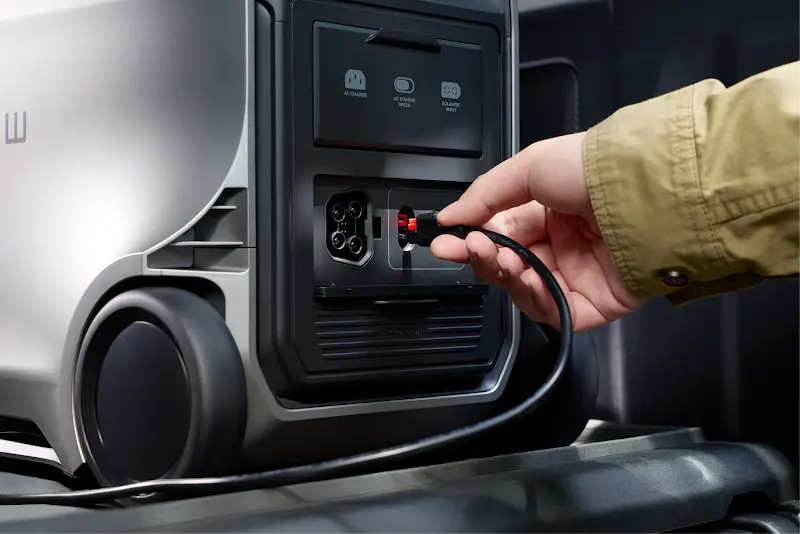
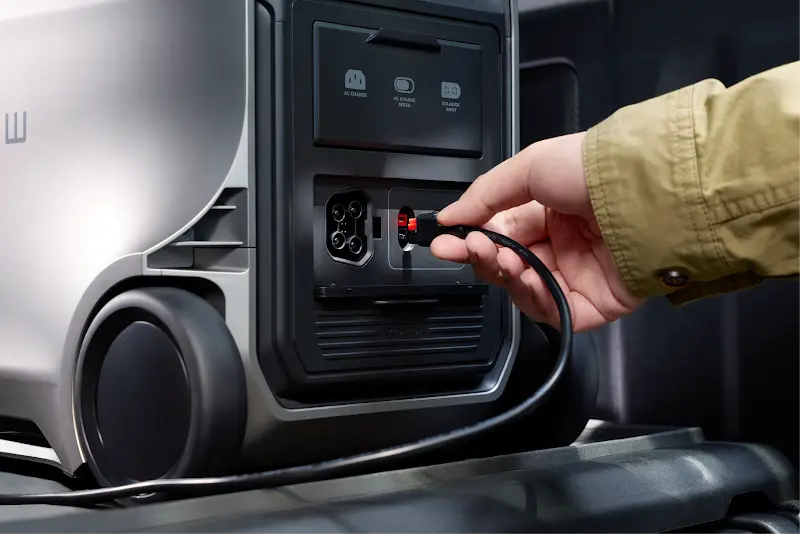
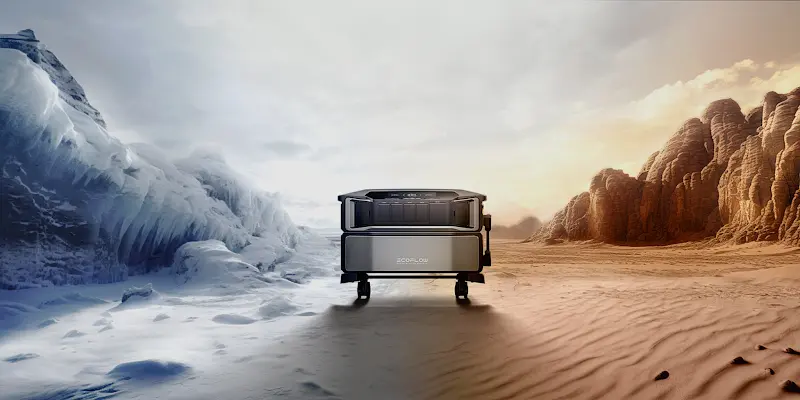
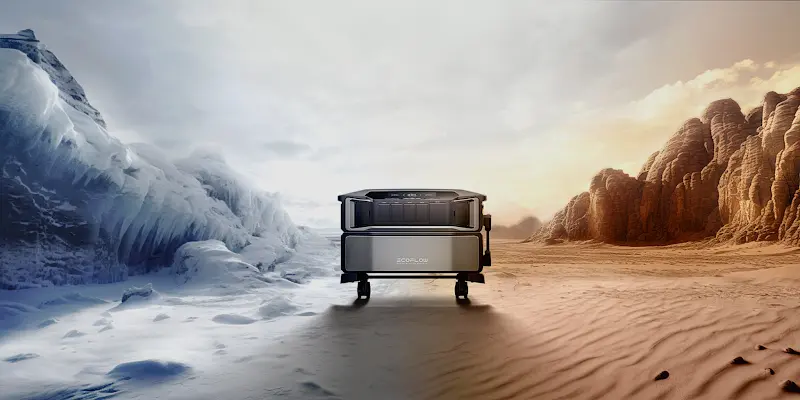
For long-haul crossings, high-capacity modular systems are the gold standard. The EcoFlow DELTA Pro Ultra Whole-Home Backup Power is a powerhouse for off-grid and emergency backup scenarios, with enough expandable juice to extend runtime depending on configuration. It supports significant solar input, making it possible to recharge under sufficient sunlight during extended outdoor trips without relying on a gas generator.
Portable Power Stations vs. Gas Generators
Gas generators are powerful, but they’re loud, smelly, and require you to haul extra fuel cans. Portable power stations are silent and emission-free. You can recharge them via solar or your vehicle’s alternator while you drive. Bottom line: if you want to enjoy the silence of the woods, leave the generator at home.
Cold Weather & Emergency Gear
Always carry a recovery kit with a snatch strap, shackles, and a shovel. In the shoulder seasons, a diesel heater or a heated blanket can turn a miserable, shivering night into a cozy one.
Storage & Space Optimization
Don’t just toss your gear in the trunk and hope for the best. On a bumpy BC logging road, a loose cast-iron skillet becomes a projectile. Use modular, stackable bins to keep your kitchen, tools, and recovery gear separated. Here’s the key: keep your heavy items, like water jugs and batteries, stored low and as close to the center of the vehicle as possible. This maintains a low center of gravity, which is non-negotiable for staying upright on off-camber trails. Bottom line, if you can’t reach your first-aid kit in ten seconds because it’s buried under a pile of sleeping bags, you need to rethink your layout.
Best Overlanding Routes in Canada for 2026
Ready to head out? Here are the top routes to put on your bucket list this year. Each one offers a different flavour of the Canadian wilderness, from coastal mists to arctic tundra.
Trans-Labrador Highway (Advanced)
This is a remote, gravel-heavy trek through the rugged wilderness of Labrador. It’s lonely, beautiful, and requires meticulous fuel planning. In 2026, the province is pushing a major $250 million roads plan, so expect some construction zones and culvert replacements. Always check the NL511 app before you go, the “Big Land” doesn’t have many detours if a section is closed.
Icefields Parkway, Alberta (Beginner-Friendly)
While the main highway is paved, the surrounding fire roads offer incredible access to glacier views. It’s the perfect introduction to “soft-roading” with world-class scenery. Note for 2026: Jasper is still recovering from the wildfires, so while the Icefields Parkway remains fully open and stunning, iconic spots like Mount Edith Cavell and Maligne Canyon are currently closed for rehabilitation.
Dempster Highway to Tuktoyaktuk (Extreme)
The ultimate Canadian overlanding pilgrimage takes you across the Arctic Circle to the Arctic Ocean. Prepare for dust, mud, and endless vistas.The point is: the road is built on permafrost and primarily made of sharp slate that acts like razor blades on tires. Carrying two full-size spares is the standard move here. By late September, you’re looking at freezing nights and potential road closures as the permafrost warps the surface.
Vancouver Island Backroads (Moderate)
A maze of logging roads leads to hidden beaches and misty rainforests. It’s perfect for those who enjoy temperate climates and coastal vibes. Most of the southern island is owned by timber companies like Mosaic, so you need to check their gate schedules, they usually only open for public access on weekends. If you head to the North Island, gates are fewer, but the logging trucks are just as fast.
Tips for Route Planning
Always check DriveBC or 511 Alberta for road closures. In 2026, many remote routes require pre-downloaded offline maps because cell service remains non-existent in the deep interior. I’ve learned the hard way that a paper map and a satellite messenger are your best friends when the digital world drops off.
| Route Name | Recommended Season | Difficulty Level | Core Challenges |
|---|---|---|---|
| Dempster Highway | July - August | High | Sharp shale (tire damage), extreme isolation, and limited services. |
| Vancouver Island FSR | May - October | Medium | Slippery conditions due to heavy rain, complex network of logging roads. |
| Bruce Peninsula (ON) | June - September | Low | High booking demand and heavy crowds during peak season. |
| Trans-Labrador Highway | June - September | High | Remote gravel stretches, biting insects, and meticulous fuel planning. |
| Icefields Parkway (Backroads) | June - October | Low | Strict environmental regulations and wildlife-aware camping. |
Costs and Safety Tips for Overlanding in Canada
Before you turn the key, let’s talk about the practicalities of staying safe. Canada’s backcountry is beautiful, but it can be unforgiving if you aren’t prepared for the logistics of 2026.
How Much Does Overlanding Cost in 2026?
Fuel is your biggest expense. With regular gas sitting around $2.05 per litre this April, budgeting for a long range tank or a few extra jerry cans is a smart move. Daily costs usually range from $50 (minimalist) to $200+ (luxury/high fuel consumption). If you’re driving a heavy rig through the Rockies, that fuel bill will be the first thing to bite your bank account.
Essential Safety Tips for Canadian Conditions
For those just starting out, you don’t necessarily need a heavy-duty rig right away. Many Canadian adventurers start with weekend trips to National Parks or local forests. These scenarios favor “lightweight + ease of use.”
Instead of bulky, noisy generators, portable power stations are the preferred choice for the modern overlander. The EcoFlow DELTA 3 Ultra Plus Portable Power Station (3072Wh) is an ideal mid-sized solution. It easily handles phones, drones, and portable fridges while remaining easy to deploy in an SUV. With a 3600W output and a 3kWh capacity, it’s a powerhouse that still fits in a trunk. Given Canada’s volatile weather, especially the drastic temperature swings in April, a stable, compact power system significantly boosts comfort. It prevents safety risks like dead phone batteries and keeps your heated blanket running when a “spring” night suddenly drops to -5°C.
Conclusion
Overlanding across this massive country is more than just a hobby; it’s the best way to reconnect with that vast, silent beauty of the North that most people only see on a postcard. By picking a rig you can actually trust, prioritizing a solid power system to keep your comms alive, and respecting the land so we don’t lose access, you’ll unlock a side of Canada that’s truly untouched.
FAQ
1. Are 4x4's essential to overlanding?
Not strictly for gravel, but for the best spots, yes. Low-range and extra traction are your safety net when an April storm turns a dry trail into mud or dumps fresh snow. That means having a buffer when things get hairy.
2. What's the average daily cost for overlanding?
Expect $70 to $150 CAD. With national gas prices averaging $1.87/L this month (and hitting $2.02 in BC), fuel is your biggest hit. This covers food, gas, and the odd fee. Driving a heavy vintage rig? That number will climb fast.
3. Is overlanding an expensive hobby?
It can be, but you don’t need a six-figure build. Start with a basic SUV, second-hand gear, and Crown Land trips to keep it cheap. The real “must-haves” are good tires and a reliable power source.
4. Is overlanding safe?
Yes, if you’re prepared. Always carry bear spray and a satellite communicator, cell service is non-existent once you’re deep in. Carry enough food and water to last 72 hours longer than planned in case of a breakdown.
5. What is the best Province for overlanding?
BC is the heavyweight champ for its massive FSR network. However, the Yukon and Alberta offer world-class mountains and tundra. Ontario is a sleeper hit for 2026 thanks to its 21-day Crown Land limit.
6. How to use the bathroom when overlanding?
A portable chemical toilet is best. Otherwise, dig a “cat-hole” 6-8 inches deep and at least 70m (200ft) from water. Bottom line: always pack out your toilet paper.
7. How much clearance do I need for overlanding?
Aim for 8 to 10 inches. This helps you clear ruts and fallen branches without dragging your undercarriage. If you’re sticking to flat Prairie roads, you can get away with less, but more clearance means less worrying about that “clunk” sound.