RV Solar Panel Kit: How to Choose the Right Solar System for Your RV Power Needs
Canada’s backcountry campsites are incredible, but they usually don’t come with a plug-in. That’s the trade-off. You get the peace, the views, the quiet, but you also give up the convenience of shore power. An RV solar panel kit changes that equation. That means keeping the fridge cold, the lights on, and the devices charged, no generator noise, no fighting for a spot with shore power. Camper van or fifth-wheel, doesn’t really matter which. The right system comes down to a few key questions. What do you plug in each day? What battery are you running? And how long do you want to stay off-grid before you need a recharge?
What Is an RV Solar Panel Kit and How Does It Work?
Many complete solar panel kits function as an all-in-one system that catches sunlight and turns it into power your RV can actually use. It’s not complicated once you break it down, just a few key pieces working together.
What Components Are Included in a Solar Kit?
Most kits come with four main parts that all work together:
Solar Panels: These are the collectors. Rigid, flexible, or portable, they soak up sunlight and turn it into DC electricity.
Charge Controller: Think of this as the gatekeeper. Its job is regulating the flow from panels to battery, preventing overcharge and protecting your gear. Two main types exist: PWM (the basic option) and MPPT (better efficiency, especially when temperatures drop).
Battery Bank: This is where the power gets stored for when the sun’s not shining. More and more RV owners are switching to LiFePO4 lithium these days. They weigh less, hold up better, and let you use more of what you store. That said, plenty of older rigs still rely on AGM batteries, and they work fine for basic setups.
Power Inverter: The inverter handles the switch, turning 12V DC from your battery into 120V AC. That’s the standard household current. So firing up the coffee maker, plugging in a laptop, or running a small TV, it all works like you’re still hooked up to shore power.
How Solar Panels Power an RV
The whole process is pretty straightforward. The solar panels absorb sunlight, convert it to DC, and push it through the rest of the setup. Cables carry that to the charge controller, which regulates voltage and feeds it into the battery bank safely. Once it’s stored, you’ve got two paths. Low-voltage stuff, lights, water pumps, vent fans, runs straight off the battery. For bigger appliances like a microwave or coffee maker, the inverter steps in to convert that stored DC power into AC power that those devices need.
Complete Kits vs. Custom Systems
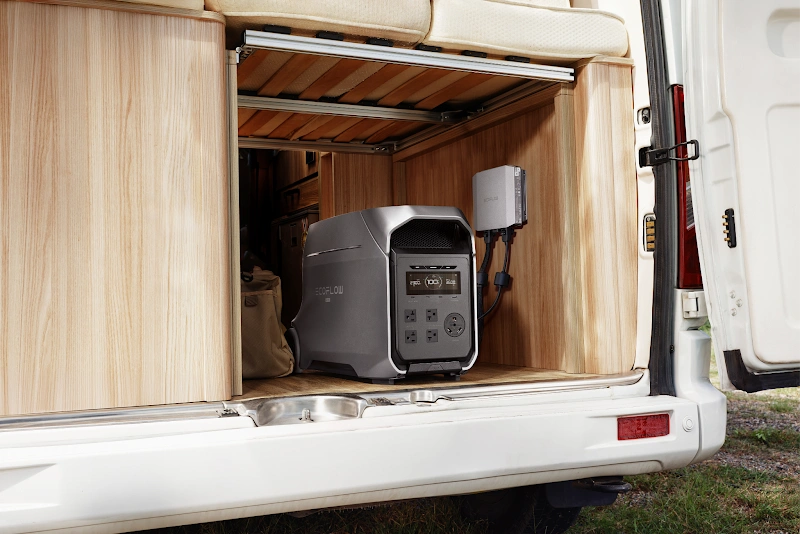
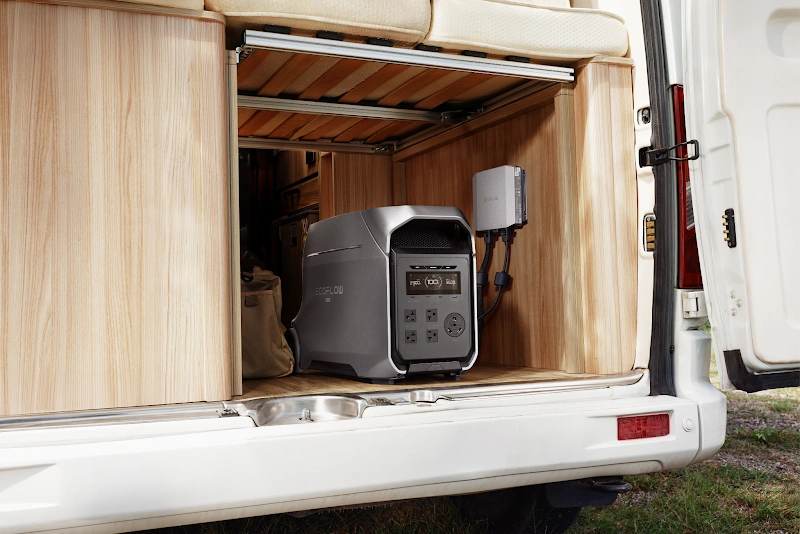
Going with a pre-built kit versus building your own mostly depends on how handy you are with wiring and electrical planning. Bundled kits and portable power stations are practically plug-and-play, everything’s matched, compatible, and backed by one warranty. If you’re new to this, it’s the easier route. Custom builds give you more flexibility, especially for complicated setups like marine systems or multiple batteries. But they also come with a lot more work, figuring out wire sizes, adding proper fusing, and hunting down problems when something doesn’t work. That can be overwhelming for a weekend camper who just wants things to work.
How Do You Choose the Right RV Solar Panel Kit?
The smart way to pick an RV solar panel kit is to start with what you actually use each day, not what looks good on a shelf. If you’re comparing an RV solar panel kit with battery and inverter options, work backwards from your real power needs, including daily energy consumption and battery capacity.
Estimate Your Daily Energy Consumption
Take a notepad and mentally walk through a regular day on the road. Jot down everything you plug in, flip on, or power up. Watt-hours give you the most honest picture, just multiply the wattage of each item by the hours you typically run it.
| Appliance / Device | Typical Wattage | Daily Run Time | Total Daily Energy (Wh) |
|---|---|---|---|
| 12V Compressor Refrigerator | 45W (cycling) | 12 hours | 540 Wh |
| LED Interior Lighting (x4) | 20W combined | 5 hours | 100 Wh |
| Water Pump & Exhaust Fan | 60W combined | 1.5 hours | 90 Wh |
| Laptop & Smartphone Charging | 65W | 4 hours | 260 Wh |
| CPAP Machine or TV | 50W | 7 hours | 350 Wh |
| Total Estimated Baseline | — | — | 1,340 Wh / day |
Choose the Right Solar Panel Capacity
Summer in Southern Canada gives you about 4 to 5 peak sun-hours each day. To cover that 1,340 Wh daily gap, you’d be looking at roughly 300W to 400W of panels, 1,340 divided by 4.5 comes out to about 297 watts. But Canada’s weather doesn’t always cooperate. Cloud cover rolls in, trees shade the site, and days get shorter. Padding your estimate by 25% gives you breathing room when conditions aren’t perfect.
Match Battery Storage to Your Travel Style
Panels bring in the power, but your battery holds onto it, and that’s what keeps things running when the sun’s gone. Based on that 1,340 Wh daily figure, you’re going to want somewhere between 1,500 Wh and 2,000 Wh of storage you can actually tap into. Lithium really pulls ahead here, you can use more of what you’ve stored, unlike lead-acid where you’re stuck with about half. Depending on the brand and model, you’re looking at 80% to 100% usable capacity with lithium, which makes a big difference.
Select the Right Inverter and Charge Controller
Don’t cut corners on the inverter. A Pure Sine Wave inverter keeps sensitive gear safe, laptops, drones, TVs, anything with a circuit board that doesn’t like choppy power. When selecting a charge controller, an MPPT controller is highly recommended for RV applications. It adapts to changing panel voltage and temperature, which means it pulls more energy out of your panels compared to the older PWM type.
Consider Roof Space and Vehicle Size
Before ordering solar panels for recreational vehicles, get up on the roof with a tape measure. AC units, vents, hatches, ladder mounts, skylights, they all eat up usable space fast. If you’re working with a camper van or a teardrop trailer, rooftop space is even tighter. In that case, high efficiency rigid panels or portable foldable ones are a smarter call, they don’t need to live on the roof to get the job done.
Which RV Solar Kit Is Best for Different Camping Styles?
If you’re wondering what is the best RV solar kit, the answer depends on how you travel, how much power you use, and how long you plan to stay off-grid. Every RVer hits the road differently. Some head out for quick weekend escapes, while others disappear into the backcountry for weeks at a time.
Weekend Camping and Road Trip Power Solutions
For weekend trips, cross-province road trips, or shorter getaways, portability and convenience usually top the list. You’re not running a full household, you just want the basics covered without hauling around a lot of extra weight.
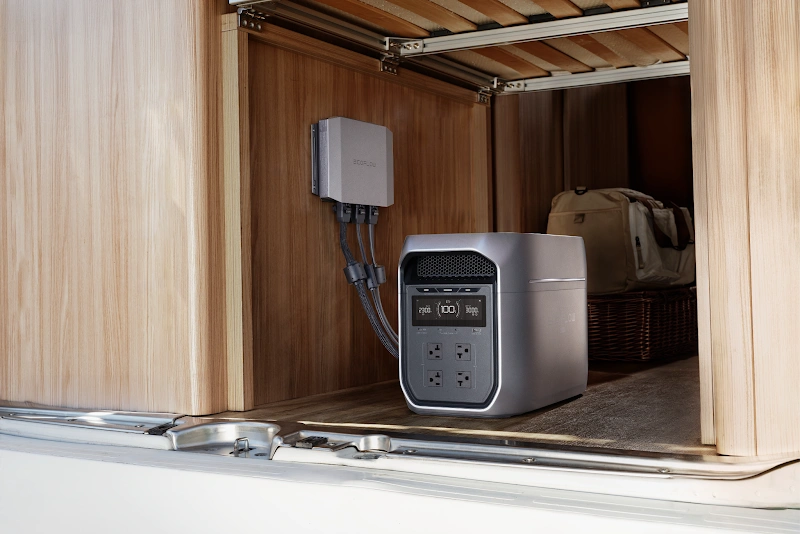
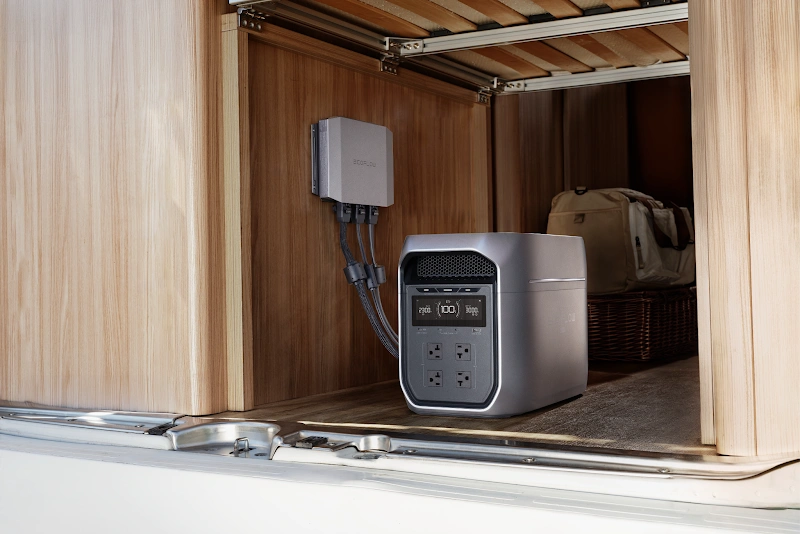
The EcoFlow DELTA 3 Max Plus + 2 × 220W Solar Panel fits that bill nicely. The two 220W bifacial portable panels capture direct sunlight while collecting reflected ambient light from the ground, maximizing energy harvest from multiple angles even when optimal positioning is limited. Plug them into the portable power station and you’re harvesting solar energy throughout the day. That keeps your phone, laptop, lights, and small appliances running well into the night. You don’t have to fight for a spot with shore power or deal with the noise and fumes of a gas generator. It’s a solid, user-friendly option for seasonal campers and weekend explorers who want to keep things simple.
Power Solutions for Extended Off-Grid RV Travel
Longer off grid trips, think boondocking for a week or more, or exploring remote stretches of Canada, demand a different level of power. You’re not just charging phones anymore. You’re running a fridge full of food, maybe a microwave, an induction cooktop, and a coffee maker that actually gets used every morning. That adds up fast.
The EcoFlow DELTA 3 Ultra Plus + 400W Solar Panel steps up for exactly this kind of travel. It’s built for extended independence. Under good sun, that 400W panel pushes a lot of power back into the system quickly. Paired with a high capacity power station, it can power multiple high-draw appliances such as 12V portable fridges, microwaves, induction cooktops, and coffee makers. For RVers heading deep into Canadian National Parks or Crown Land, where there’s no hookup and no backup, this setup takes the worry out of the equation. You’re not watching the battery gauge every hour. You’ve got the reserves to go about your trip without low-battery anxiety constantly in the back of your mind.
What Should Canadian RV Owners Consider Before Buying?
RVing in Canada is a different beast. The seasons shift hard, the sun sits lower in the sky, and cold weather isn’t just an inconvenience, it affects how your gear actually performs.
Solar Performance in Canadian Weather
Seasonal sun angles are a real factor in Canada. During spring and fall, the sun hangs lower in the sky. That means your panels just don’t pull in as much power as they do in peak summer. Cold temperatures actually help solar panels work better, silicon conducts more efficiently when temperatures drop. But there’s a catch. Most standard lithium batteries won’t accept a charge once their internal temperature hits freezing (0°C / 32°F). If you’re planning to camp in October or November, that’s a problem. Look for solar batteries or portable power stations that include built-in self-heating, it’s a feature that keeps your system charging even when the mercury dips.
Expandability for Future Power Needs
Your power needs won’t stay the same forever. Add a Starlink dish for remote work, swap in an induction cooktop, or start running more gadgets, it all adds up. Pick a system with modular battery ports or a charge controller that can handle extra panels later. That way you’re not replacing everything when your power needs grow.
Warranty and Long-Term Reliability
Rough gravel roads, the Dempster, parts of the Trans-Canada, put gear through a lot. Look for kits that come with sturdy mounting hardware, good seals against dust and moisture, and a warranty that actually gives you peace of mind, not just fine print. And Canadian based customer service? That’s worth more than you might think. When something goes wrong, it helps to talk to someone who understands your weather, your roads, and your setup, without the time zone headache.
How Can You Maximize Your RV Solar System Performance?
Maximizing your solar output doesn’t take a degree in electrical engineering. Just a handful of small routines once you’re settled in.
Position Your Solar Panels for Maximum Sunlight
Portable panels need attention throughout the day. Set them up and forget about them? That’s a mistake. Swing by a couple of times a day, mid-morning and mid-afternoon work well, and adjust the angle. It’s a small effort that pays off by keeping the panels aimed at the sun as it moves. Facing south with a tilt close to your latitude gives you the best daily harvest.
Keep Solar Panels Clean and Well Maintained
Keep the glass clean. Dust, sap, pollen, water spots, they all add up over time and can knock 25% off your output. Wipe them down every couple of days with a damp microfiber cloth. It takes a minute and makes a real difference.
Monitor System Performance Regularly
Modern charge controllers and power stations usually include apps or display screens. Glance at them once in a while. See what’s flowing in and what’s draining out. That way you’re never caught off guard, no surprise shutoffs halfway through a show or when the heater’s running.
Conclusion
A good solar setup does more than just keep your batteries topped up, it changes the way you travel. Suddenly you’re not tied to the nearest hookup or the hum of a generator. You can park where the view’s best, not where the outlet is. Figure out your daily usage, invest in gear that can handle Canadian conditions, and you’ve got real freedom, from crowded RV lots, from noise, from range anxiety. Whether it’s a weekend portable kit or a full-scale system for a month in the Rockies, having your own power makes any spot feel like home.
FAQ
How to Check if a Solar Panel Is Charging a Battery?
Look at your charge controller or power station display, you should see incoming voltage and a positive amp or watt reading. Grab a multimeter and check across the battery terminals. If you’re seeing voltage climb past 13.2V toward 14.4V, the panels are pulling their weight.
Why Are My Solar Panels Not Charging My RV Battery?
Common culprits include blown fuses, loose wiring, heavy shading, or freezing battery temperatures. And lithium batteries have a BMS that can block charging if the voltage bottoms out or the temp drops too low. It’s a safety feature, but until conditions improve, the system simply won’t accept a charge.
Do Batteries Stop Charging When Solar Gets Full?
They do. Smart controllers and BMS units will taper off or cut charging altogether once the battery’s full. It’s a protective move, prevents overcharging, heat damage, and early battery death.
Can Solar Panels Charge Without Sunlight?
Not really. They need actual sunlight to generate meaningful power. That said, overcast days still produce something, typically 10% to 25% of the panel’s rated output. But artificial lights or moonlight? Not enough juice to get the battery moving.
Can You Use Solar Panels While Driving (In a Caravan)?
Absolutely. Roof-mounted panels stay active while you drive, steadily topping up your batteries on the go. Just double check that all mounts are secure and rated for highway speeds, wind resistance at 100 km/h is no joke.