Power Outside: The Ultimate Guide to Portable Energy in 2026
Heading out into Canada’s backcountry doesn’t mean leaving the modern world behind. Whether you’re riding out a winter blackout in Ontario, setting up a remote basecamp in the Rockies, or taking an RV across the Maritimes, you still need power. This guide covers everything you need to know about portable energy in 2026. We’ll compare it to traditional gas generators, walk you through how to pick and maintain your gear, and show you how to work smart power solutions into your outdoor routine.
What Does Portable Energy in 2026 Really Mean for Outdoors
The concept of off-grid living and outdoor recreation has evolved significantly in recent years. Good reliable power outdoors is what makes a trip safe, productive, and comfortable. Modern portable energy storage has finally moved past the days of heavy, noisy, finicky gear. This shift is transforming how people live and work off-grid.
Power Output Beyond Traditional Fuel Generators
For decades, gas generators were your only real option. But they came with a long list of headaches: toxic fumes, constant tinkering, and a roar that disrupts the tranquility of the backcountry. In 2026, advanced battery systems now deliver strong wattage and surge power that can cover many everyday use cases previously handled by gas generators, especially for camping, RV use, and home backup scenarios.
Off-Grid Electricity for Modern Camping Gear
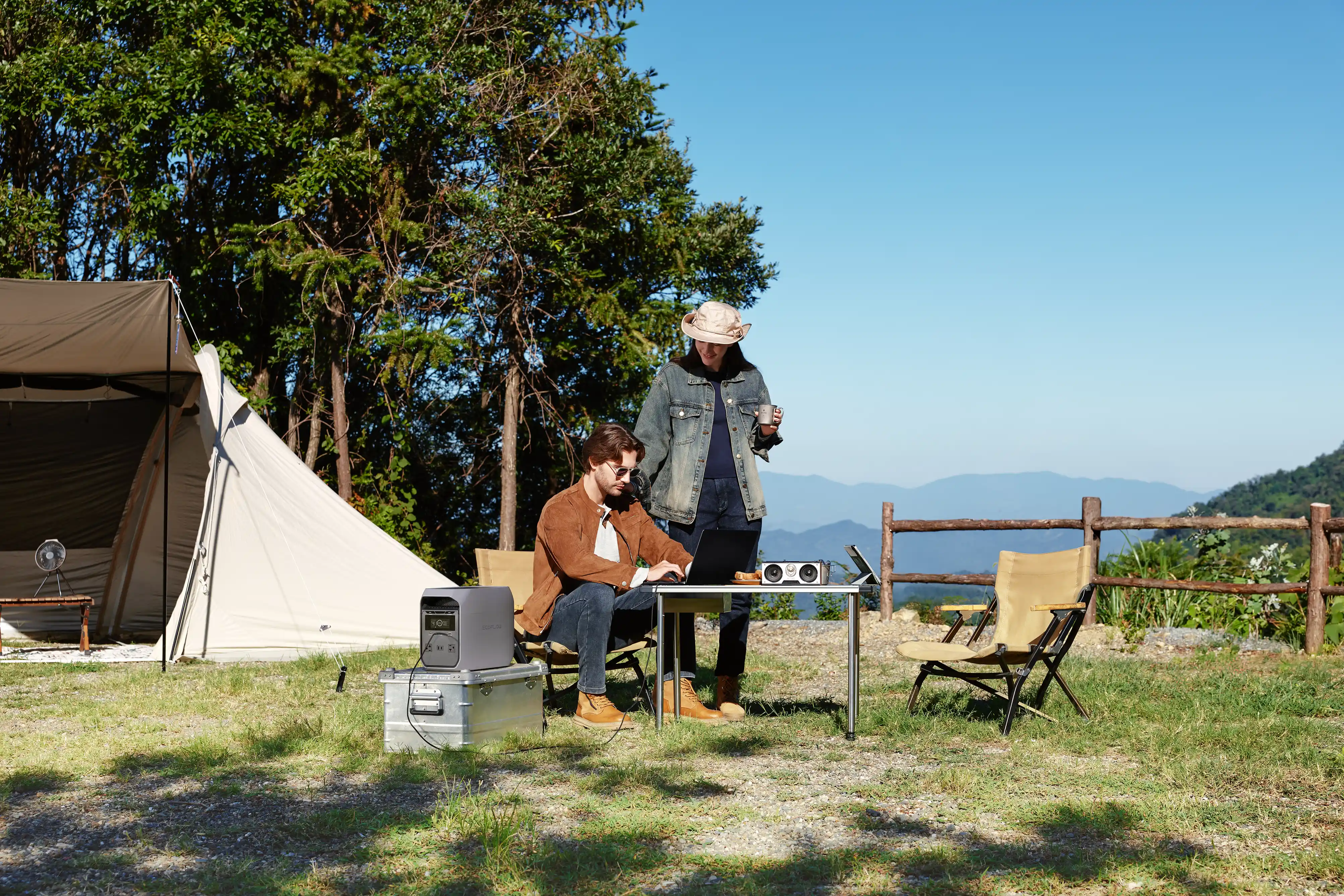
Camping looks a lot different these days. Outdoor folks now rely on high efficiency 12V fridges, induction cooktops, and electric camp heaters. Portable power stations act like your own personal grid. They let you run these power hungry pieces of gear deep in the backcountry without worrying about blown fuses or depleting your vehicle's starting battery.
Safe Power for Sensitive Electronic Devices
Traditional combustion generators often produce unstable, harmonic-rich electrical output. Those voltage fluctuations can damage sensitive internal circuitry in your laptop, drone, or phone in no time. New power stations use pure sine wave inverters to provide stable, low-distortion AC power suitable for sensitive electronics. So your expensive gadgets charge just as safe as they would from an outlet in your house.
How Do You Choose the Best Portable Power Setup
Choosing the right setup depends on how and where you plan to use it. Whether you need power for backyard projects or extended overlanding trips, the key is balancing battery capacity (measured in Watt-hours, or Wh) and power output (measured in Watts, or W).
Smart Tip: How to Calculate Your
To figure out how long a power station will run your gear, use this simple formula:
Runtime (Hours) = Battery Capacity (Wh) × 0.85 ÷ Device Power Consumption (W)
(Note: We multiply by 0.85 because about 15% of the energy is naturally lost as heat during the conversion process. This gives you a realistic, real-world estimate.)
To make it even easier, here is a quick reference guide based on standard 2026 Canadian outdoor gear and household essentials:
| Device Type | Average Power (W) | Runtime with Delta 3 Classic (~1000Wh) | Runtime with Delta 3 Max Plus (~2000Wh) |
|---|---|---|---|
| CPAP Medical Machine | 40W | ~21 Hours (2-3 Nights) | ~42 Hours (5-6 Nights) |
| 12V Portable Fridge | 60W | ~14 Hours (Up to 2 days cycling) | ~28 Hours (Up to 4 days cycling) |
| MacBook Pro / Laptop | 80W | ~10 Full Charges | ~20 Full Charges |
| Home Wi-Fi Router | 20W | ~42 Hours | ~84 Hours |
| Electric Camp Kettle | 1200W | ~42 Minutes (~15-20 boils) | ~1.4 Hours (~30-40 boils) |
| Induction Cooktop | 1500W | ~34 Minutes | ~1.1 Hours |
Use Reliable All-in-One Classic Stations
For many Canadian homeowners, a portable power station is mostly about short term outages. They are ideal for maintaining Wi-Fi connectivity, keeping refrigerators operational, or running power tools on a deck. These scenarios require exceptional portability and plug-and-play simplicity rather than fixed, heavy infrastructure. If you want simple operation, easy mobility, and enough juice for everyday household stuff, a plug and play unit is your best bet.
The EcoFlow DELTA 3 Classic Portable Power Station is well suited for most everyday home backup needs, providing reliable, lightweight power for both indoor and outdoor use with minimal setup.
Expand Capacity for Heavy-Duty Outdoor Loads
For extended off-grid use over several weeks, or need to run high draw gear like space heaters and power tools, a standard power station probably won't cut it. Look for expandable systems that let you chain extra batteries together. That way you can scale up for a brutal winter storm or dial it back for a quick weekend trip.
Charge Faster While Driving with Alternator Upgrades
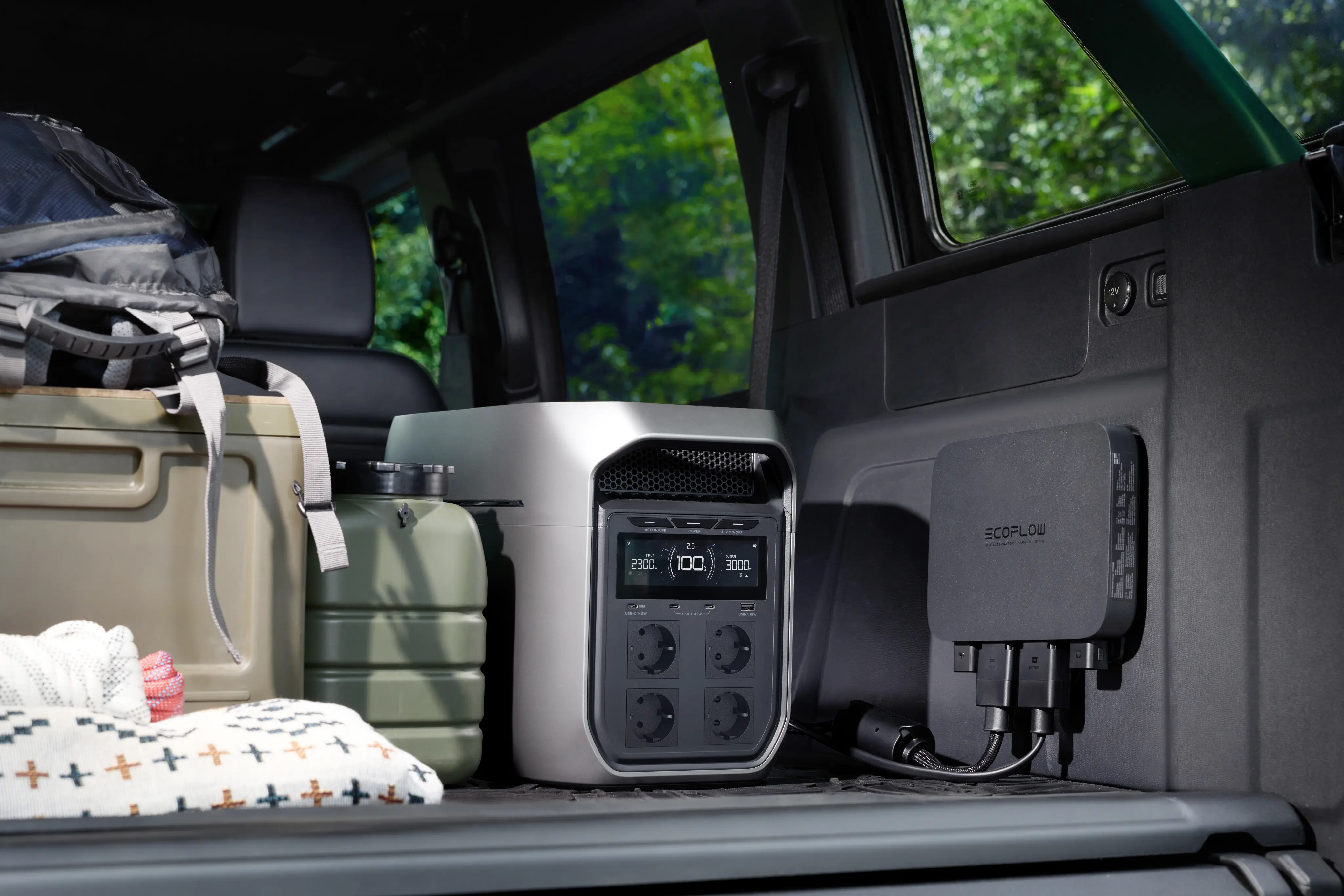
For RV folks, van lifers, or anyone using their setup for home backup, battery capacity is often not the primary limitation. The primary challenge shifts to securing efficient recharging methods while in transit. When navigating long distances between provinces or boondocking for days, you want to charge your batteries as you go. That way you pull into camp or park at a job site with fully charged batteries.
The EcoFlow DELTA 3 Max Plus (2048Wh) + 800W Alternator Charger is designed for RV travel and extended mobile use. It taps directly into your vehicle’s alternator to deliver a massive upgrade in charging speed compared to a standard cigarette lighter port, making it suitable for road trips, off-grid adventures, and home backup.
Connect Standard Solar Panels for Free Energy
For users seeking greater energy independence, pair your power station with portable or mountable solar panels. This allows you to generate renewable power almost anywhere. Modern solar panels can still maintain useful charging efficiency during cloudy weather and shorter Canadian winter daylight hours, enabling users to harness clean, renewable solar energy and help extend battery runtime significantly under suitable sunlight conditions.
Where Can You Use Portable Power Outside Every Day?
Portable energy systems are now being used for far more than camping and emergency backup. Here are a few practical ways Canadians are using clean, portable electricity to make life easier and safer.
Run Power Tools in the Backyard
Forget about daisy-chaining multiple extension cords from your garage across the lawn. A portable power station allows high-wattage electricity to be delivered directly to the project site, making it easy to run circular saws, drills, and trimmers at the far edge of your property. A typical 1800W power station can run most cordless tool chargers and small corded tools without issue.
Run Oxygen Machines During a Blackout
When a severe storm knocks out the local grid, keeping critical medical equipment running becomes a matter of life and death. Portable power stations offer a reliable, instant-on backup solution to keep CPAP machines, oxygen concentrators, and medical monitors running safely through the night.
Keep Fridge Running During Weekend Camping
Food can spoil easily in a traditional cooler after a short time. To keep food cold when camping, simply hook a portable power station up to a 12V portable fridge or freezer. This setup allows you to keep your meat, dairy, and drinks perfectly chilled for an entire weekend in the backcountry.
Support RV Living and Long-Term Travel
If you love boondocking away from crowded trailer parks, portable power gives you the runtime to run your microwave, water pump, and AC unit without finding a campground plug. It provides a quieter alternative to traditional shore power hookups.
How Do You Set Up Portable Power Safely Outdoors?
Modern lithium power stations are way safer than gas generators. But using electricity outside still takes some basic common sense. Keep equipment protected from weather exposure and ensure proper installation. That gives you a smooth, trouble free experience.
Connect Heavy Gauges to Vehicle Alternators
If you're installing a high draw system like an alternator charger in your truck or SUV, always use heavy gauge wiring built to handle high current. Skimping on wire thickness creates electrical resistance. That causes voltage drops and dangerous overheating under your hood.
Keep Battery Ventilation Paths Completely Unblocked
Portable power stations build up heat inside when they're discharging a lot of power or fast charging. Always give your unit plenty of breathing room. Keep the cooling fans and exhaust vents clear of blankets, bags, or tight storage compartments.
Install Weatherproof Covers for Outside Power Socket
Water and electricity do not mix. When you run cables from your power station to outdoor gear, make sure any outside socket or extension cord connection has an IP rated weatherproof cover. That keeps rain, morning dew, and melting snow out of the terminals.
How Do You Make Portable Power Last for Years?
A high-quality power station is an investment that should last you a decade or more if treated right. With a little routine preventative maintenance, you can maintain your portable power station in optimal condition and keep your battery healthy and ready for any adventure.
Store Batteries in Moderate Temperatures: Avoid leaving your unit in a freezing car or a scorching hot shed, as extreme temperatures degrade lithium cells quickly.
Recharge Before Long Periods of Storage: Never store your power station completely dead; leave it at around 50% to 80% capacity if you plan to put it away for the winter.
Clean Connectors and Cooling Vents: Use a can of compressed air or a dry cloth to clear out dust, pet hair, and dirt from the fan vents and ports.
Protect Units From Rain and Dust: Use a water-resistant protective bag or shelter when operating your unit in dusty trail conditions or damp weather.
Check Cables Before Each Trip: Inspect your charging bricks, solar connectors, and heavy-duty cables for any signs of fraying or wear before heading out.
Conclusion
Portable power in 2026 has changed how Canadians handle outdoor travel, emergency backup, and off-grid living. Modern power stations offer quiet operation, fast charging, and reliable output without the noise, fumes, or maintenance that come with traditional gas generators. Whether you need simple backup power for home use or a larger setup for RV travel and extended outdoor trips, there are now portable systems built for nearly every situation. The EcoFlow DELTA 3 Classic works well for everyday household backup and backyard projects, while the EcoFlow DELTA 3 Max Plus is better suited for high-demand RV setups and longer off-grid use.
FAQ
How Long Does a Portable Power Station Last?
A portable power station typically lasts between 5 to 15 years depending on the battery chemistry and how often it is used. Units built with modern Lithium Iron Phosphate (LiFePO4) batteries can easily handle over 3,000 charge cycles before seeing a minor drop in total capacity.
Can I Leave My Portable Power Station Plugged in All the Time?
Yes, you can leave most modern portable power stations plugged in continuously. Advanced battery management systems (BMS) automatically stop the charging process once the battery hits 100%, preventing overcharging and keeping the unit ready for unexpected emergencies.
Is It Okay to Use a Power Station While Charging?
Yes, almost all high-quality power stations support pass-through charging, allowing you to power appliances while the battery tops off. However, if you are drawing more power out than you are putting in, the battery will still drain, just at a slower rate.
Where Should You Store a Portable Power Station?
You should store your portable power station in a dry, climate-controlled indoor space out of direct sunlight. Ideal storage temperatures sit between 10°C and 25°C to protect the internal electronics and preserve overall battery health.
How Cold Is Too Cold to Store Lithium Batteries?
Lithium batteries should not be stored or operated in temperatures below -20°C, as extreme cold temporarily halts the chemical reactions inside the cells. While they can tolerate chilly weather, trying to charge a standard lithium battery when it is below freezing (0°C) can cause permanent internal damage. However, many premium 2026 power stations feature built-in smart pre-heating mechanisms that safely warm the cells before charging in cold climates.