Reverse Polarity: What It Is, Why It's Dangerous & How to Fix It (Canada 2026)
- What Is Reverse Polarity?
- Why Is Reverse Polarity Dangerous?
- How Do You Test for Reverse Polarity?
- How Do You Fix Reverse Polarity?
- Where Is Reverse Polarity Most Common in Canada?
- How Can Portable Power Stations Protect Your Devices?
- Frequently Asked Questions
- Portable Power Stations Keep Your Devices Safe From Reverse Polarity Risks
Reverse polarity means your outlet's hot and neutral wires are swapped, and it can shock you, damage your devices, or go unnoticed for years while quietly increasing fire risk. It's common in older homes and DIY wiring jobs, and a five-dollar tester can catch it in seconds.
Here's what causes it, how to test for it, and how to get it fixed safely.
What Is Reverse Polarity?
Every standard outlet in a Canadian home has three conductors: a hot wire, a neutral wire, and a ground. The hot wire carries current from the panel, the neutral completes the circuit back to it, and the ground provides a safe path for stray current.
Reverse polarity happens when the hot and neutral wires are swapped somewhere in the circuit, usually at the outlet itself or at a connection further back in the wall.
The outlet will often still power a lamp or a phone charger with no obvious sign of trouble. That's what makes reverse polarity tricky; your devices might work fine while the wiring underneath is unsafe.
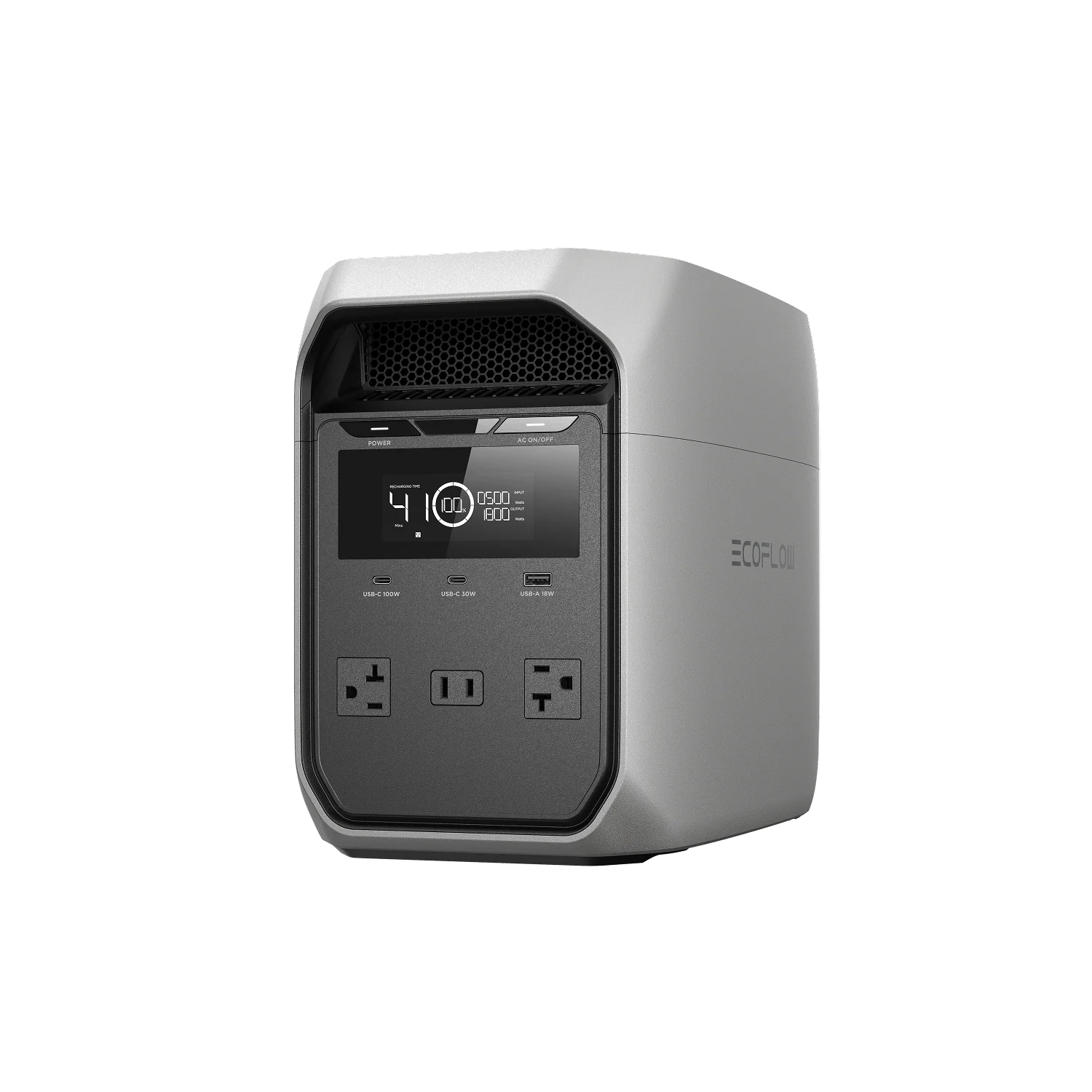
A portable power station sidesteps this risk by generating its own clean, correctly polarized AC output rather than relying on your home's fixed wiring. The EcoFlow DELTA 3 Classic (1024Wh), for example, can run essentials like a router, fridge, or medical device without depending on the outlet you happen to be near.
Why Is Reverse Polarity Dangerous?
Reverse polarity changes the risk profile of an otherwise normal outlet in ways that only show up when something else goes wrong.
Electric Shock Risk
With reversed wiring, the metal casing or exposed parts of some appliances can stay energized even when a switch is off, since the switch may be cutting the neutral instead of the hot wire. Touching what should be a de-energized surface, like a lamp socket during a bulb change, can then deliver a shock.
Fire Hazards
Reversed connections can create unexpected heat buildup at loose or older wiring points, especially in circuits not installed to current standards. Faulty wiring, reverse polarity included, remains a persistent cause of electrical fires across Canada.
Damage to Electronics and Appliances
Sensitive electronics, surge protectors, and grounding-dependent components can behave unpredictably on a reversed circuit. Some devices won't be affected, while older appliances or gear without proper internal isolation can suffer premature wear over time.
How Do You Test for Reverse Polarity?
A cheap outlet tester, sold at any hardware store, is the fastest way to check. Plug it into any receptacle and read the light pattern against the guide on the tester's casing (most models cost less than a coffee and take seconds to use).
A multimeter can also confirm polarity, though it takes more know-how to interpret. Either way, testing outlets in an older home, a newly purchased property, or a space with DIY electrical work is worth doing before you plug anything valuable in.
How Do You Fix Reverse Polarity?
Reverse polarity is a wiring problem, not a device problem, so the fix happens at the outlet or panel. A licensed electrician can trace the reversed connection and correct it, whether that means re-terminating a receptacle, fixing a mislabelled breaker, or addressing a deeper branch-circuit issue.
Don't attempt to rewire an outlet yourself unless you're trained to do it. DIY work on live circuits can introduce more risk than it removes.
Where Is Reverse Polarity Most Common in Canada?
Older homes are the most frequent source, particularly in older housing stock across cities like Toronto, Montreal, and Winnipeg where knob-and-tube or early aluminum wiring is still present. Knob and tube wiring was commonly used in homes built through the 1900s to 1940s, and its age puts it at higher risk for electrical fires.
Rural properties and cottages with a history of DIY renovations are another common source, since amateur wiring work is where hot-neutral swaps most often happen.
Extreme cold plays a role too. Winter conditions that push people toward space heaters and portable generators put more load on circuits that may not have been tested in years. If a cold snap is on the way, it’s worth reviewing your outlet checks alongside the rest of your prep.
How Can Portable Power Stations Protect Your Devices?
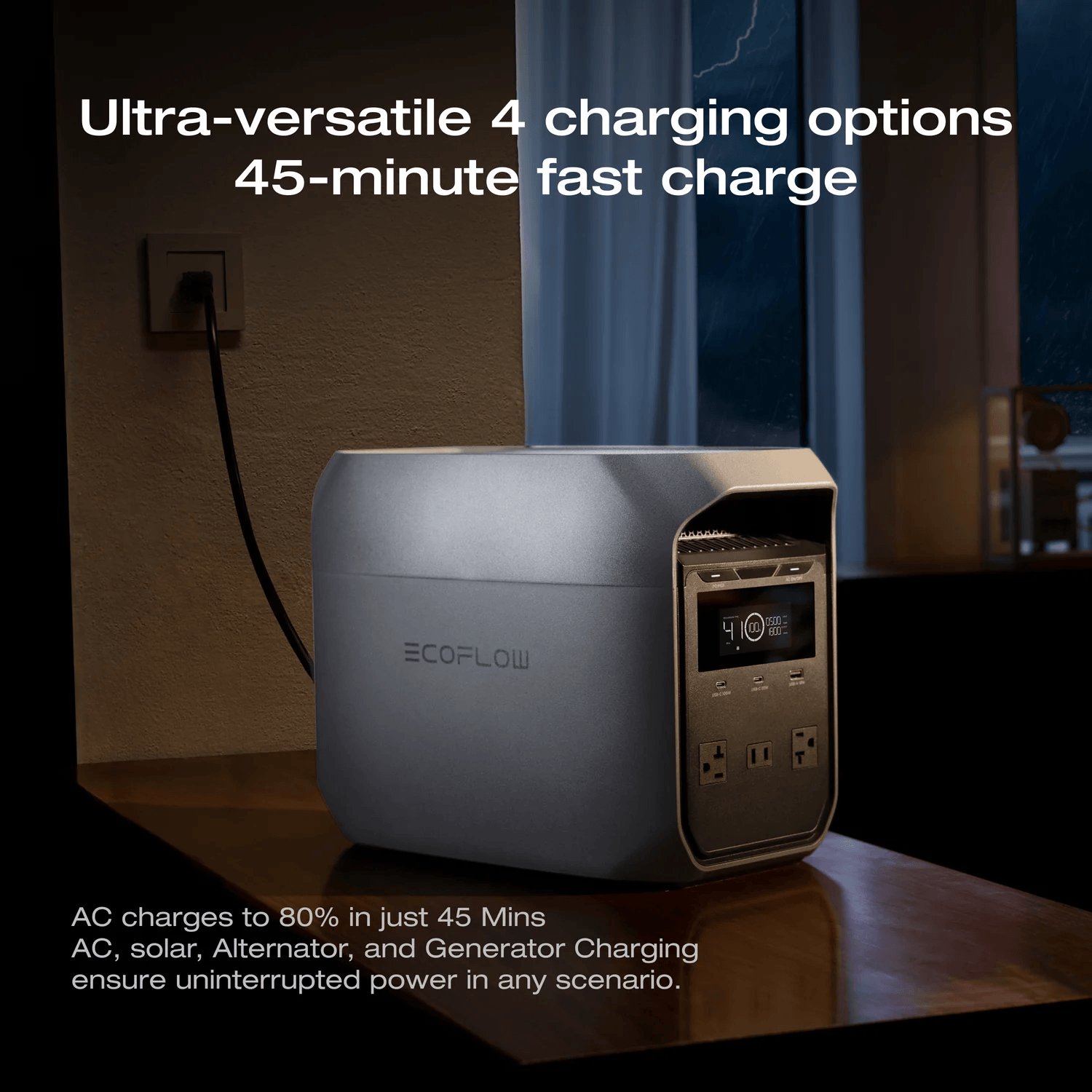
Because a portable power station generates its own correctly polarized power, it's a practical option whenever you're unsure about an outlet's condition — in an older building or somewhere without a reliable electrical setup at all. The EcoFlow DELTA 3 Classic (1024Wh) is sized well for exactly this kind of spot-checking use, running a router, or medical device regardless of what’s happening behind the outlet cover.
For anyone weighing backup options against rising Alberta electricity rates, it's also a way to keep devices running without adding load to questionable circuits.
Planning backup for the whole house rather than a few devices? A whole home backup power setup extends that same protection further.
Frequently Asked Questions
Can You Still Use a Power Station on an Outlet With Reverse Polarity?
Charging a power station from a reversed outlet is generally fine, since the unit's internal circuitry and battery management handle incoming AC safely. The bigger concern is the outlet itself. Have it tested and repaired regardless, since reverse polarity remains a risk for anything else plugged into that same receptacle.
Does Reverse Polarity Trip a GFCI Outlet?
Not necessarily. A GFCI is designed to detect current imbalances between hot and neutral, not which wire occupies which terminal, so a reversed outlet can still pass a basic GFCI test. That's exactly why a dedicated outlet tester, not just a working GFCI, is the more reliable way to catch the problem.
How Much Does It Cost to Fix Reverse Polarity in Canada?
Costs vary by region and the scope of the issue, but a straightforward outlet correction from a licensed electrician typically falls in the range of a standard service call, often under a few hundred dollars. More involved fixes, like rewiring a section of a branch circuit, cost more depending on labour rates and how accessible the wiring is.
Portable Power Stations Keep Your Devices Safe From Reverse Polarity Risks
Reverse polarity is easy to overlook because it rarely announces itself, but a five-dollar tester and a licensed electrician can settle the question for good.
In the meantime, an EcoFlow portable power station lets you run essential devices without betting on the condition of a specific outlet, especially during a cold-weather outage when you're already juggling extra load.