Rent Camping Gear in Canada: What to Rent and Buy for Outdoor Adventures
Not everyone camps every weekend. If you're someone who heads out a few times a year, renting the big stuff, tents, coolers, stoves, can save you money and closet space. The gear that makes sense for a canoe trip in Algonquin may be unnecessary for a weekend at a frontcountry site near Banff. Where you are going and when you are going often makes a significant difference. For many outdoor enthusiasts, the primary question during trip planning is: "can I rent camping gear to optimize travel efficiency?" To answer this, this comprehensive guide outlines essential rent-versus-buy strategies and highlights top rental resources throughout Canada.
Why Do Many Campers Choose to Rent Camping Gear in Canada?
A set of solid camping gear often represents a noticeable upfront investment, especially if you only plan a limited number of trips each year. Therefore, more and more people choose to rent gear, as this allows you the freedom of take-and-go without high initial costs. On the plus side, it also helps reduce home storage requirements.
Save Money on Camping Equipment
It's not just the big things. Sleeping bags, chairs, cookware. It all adds up. The saved budget can go toward other parts of your trip, like gas, park entry fees, or a hot meal after a long day on the trail.
Avoid Storing Bulky Gear
Camping gear also eats up a lot of space at home. Tents require significant storage space. Sleeping bags and chairs can take up a substantial portion of a closet, often remaining unused for months between trips. Renting takes that load off, eliminating long-term storage hassles and post-trip deep cleaning.
Access Better-Quality Gear
This can be particularly helpful in regions where the weather can change quickly. When conditions turn, having a tent that stands up to wind and rain, a sleeping bag that keeps you warm, and a stove you can count on can greatly improve safety and comfort.
Pack Less and Get Ready Faster
Renting can also make trip prep a lot simpler, especially if you are checking off your road trip packing essential list before flying in from somewhere else. Instead of hauling bulky gear across the province or country, you can pick up most of what you need near your destination and drop it off when you're done.
Which Camping Gear Should You Rent or Buy in Canada?
As a rule of thumb, bulky items you only need once in a while are good rental candidates. On the other hand, items you use on every trip—especially personal gear and a reliable solar generator for off-grid power—are usually worth buying.
| Category | Item Type | Recommended Strategy | Key Considerations |
|---|---|---|---|
| Shelter & Large Gear | 3-season/4-season tents, family tents, dining shelters | RENT | Bulky to store and transport; size requirements can change with group size and season. |
| Sleeping System | Sleeping bags, sleeping pads, camping pillows | BUY | Personal fit, comfort, hygiene, and temperature preferences matter. |
| Camp Furniture | Folding chairs, tables, cots | RENT | Bulky and seasonal, making them inconvenient to store between trips. |
| Cooking Gear | Camp stoves, cookware, dishes, utensils | RENT / BUY | Rent for occasional trips; buy if you camp frequently. |
| Watercraft & Paddling Gear | Canoes, kayaks, paddles, PFDs | RENT | Expensive, bulky, difficult to transport and store, and often destination-specific. |
| Backcountry Gear | Trekking poles, backpacks, canoe packs, barrels | RENT / BUY | Buy frequently used personal gear; rent specialized equipment for occasional trips. |
| Personal Outdoor Gear | Base layers, hiking boots, rain gear, headlamps | BUY | Personal fit, hygiene, and frequent reuse make these better to own. |
| Outdoor Power | Portable power stations, solar panels | BUY | Useful for camping, road trips, RV travel, and emergency home backup. |
What Types of Camping Gear Can You Rent in Canada?
Rental providers across Canada carry gear suitable for many trip types, from a simple weekend at a frontcountry site to a multi-day backcountry paddle route. The selection of rental gear shifts from one region to another, so checking availability before you book is always a smart move.
Tents and Sleeping Equipment
Tents, sleeping bags, and sleeping pads are widely available to rent in a variety of sizes and temperature ratings. If you're heading out when the weather's cooler, it's worth verifying the temperature rating on your sleeping bag ahead of time.
Cooking and Camp Kitchen Gear
Stoves, pots, dishes, utensils, most outfitters carry the basics. Some places also have bear-proof canisters and dry bags if you're paddling.
Camping Furniture and Comfort Gear
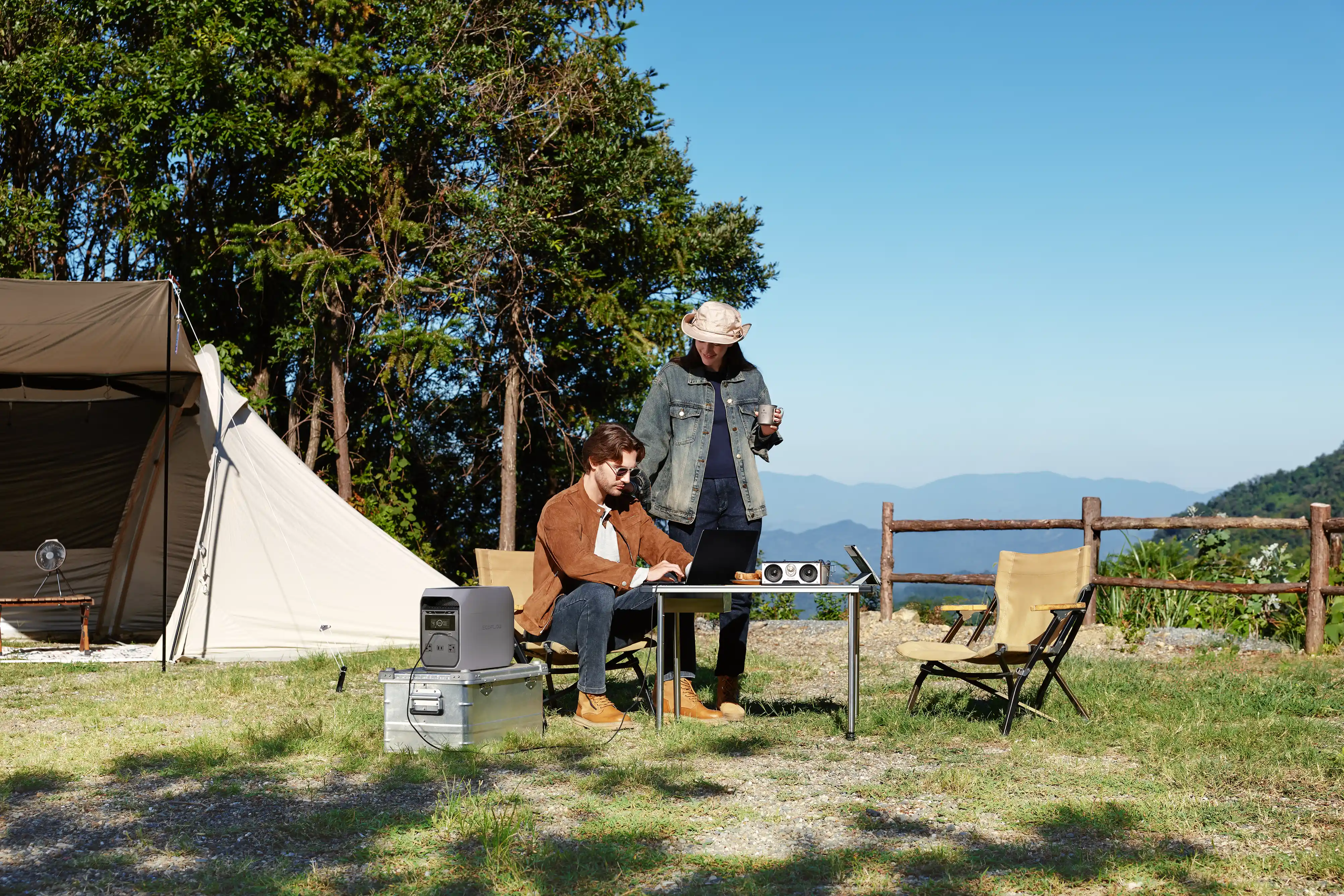
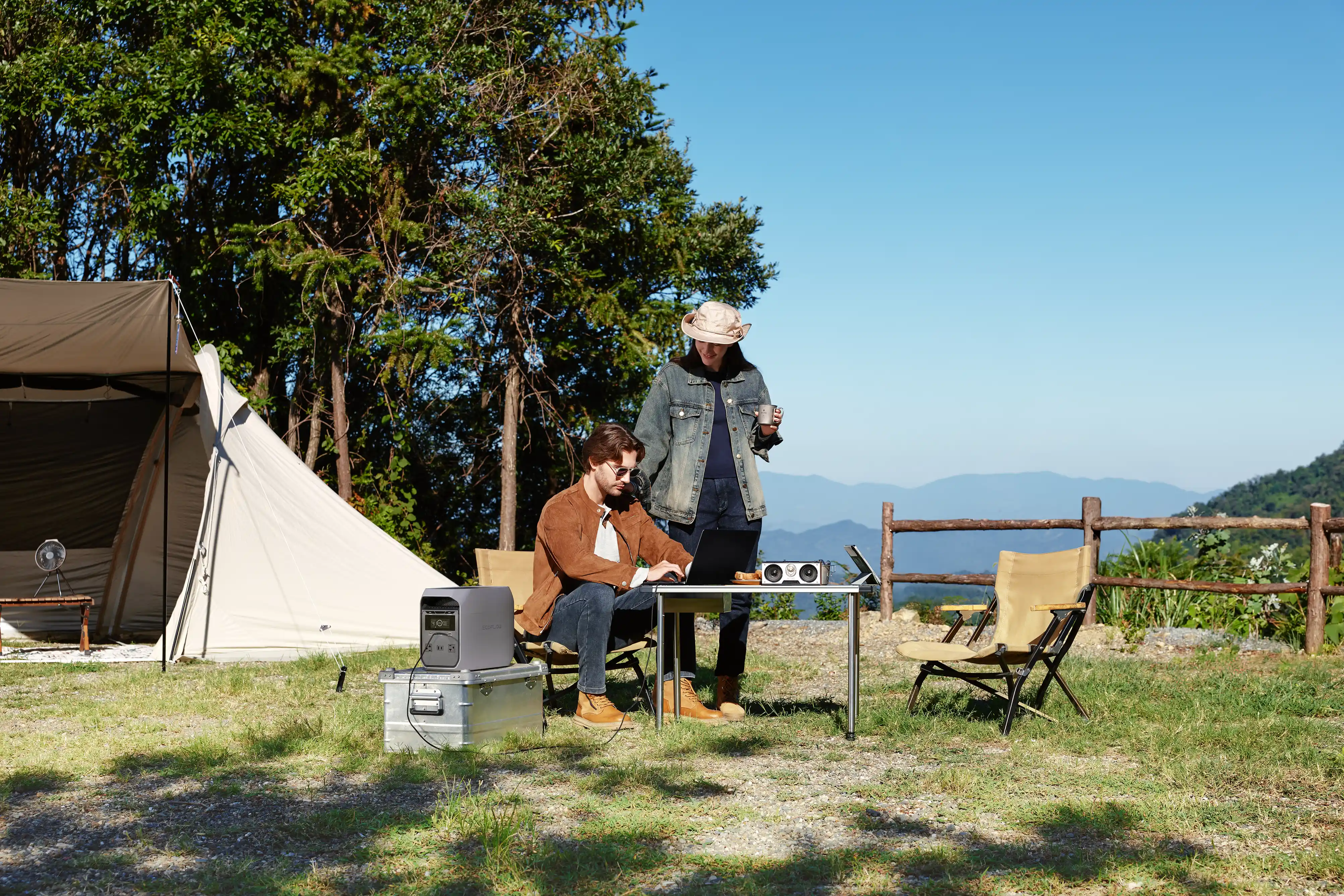
For car camping, chairs, tables, lanterns, and bug shelters are often available too. They can significantly improve comfort at camp and are easy to throw in the vehicle.
Backcountry and Specialty Gear
Backcountry outfitters often carry specialized gear that's harder to find elsewhere. Satellite communicators, water filters, canoe packs, barrels, and trekking poles are common rentals. This type of equipment can be expensive to buy, so renting is a practical option if you only occasionally take on multi-day routes.
Where Can You Rent Camping Gear in Canada?
Camping gear rentals come from a few different sources, including local outfitters, outdoor retailers, backcountry specialists, gear libraries, and peer-to-peer platforms. Knowing how to rent camping gear efficiently depends on matching your source to your trip type and destination.
1. Local Outdoor Outfitters
Near a popular outdoor spot? Local outfitters are a good choice. They carry the basics, tents, sleeping bags, backpacks, stoves, cookware. Some also rent paddling or winter gear. Renting close to where you're camping means less gear to haul on a plane or in a rental car.
Best for: Backcountry campers, first-time visitors, and travellers looking for local advice or places to camp with RV in Canada.
2. Outdoor Retailers and Gear Rental Shops
Some outdoor retailers have rental programs too. You can rent a full kit or just individual pieces. This is particularly convenient if you need several items at once. Check availability early, as summer bookings fill up fast.
Best for: Beginners, occasional campers, and anyone who wants a one-stop shop.
3. University and Community Outdoor Gear Libraries
University outdoor centres and community gear libraries are worth a look if you're on a budget. Some are open to the public, such as the University of Calgary Outdoor Centre or the U of T Outdoor Club. Availability shifts, and many require a student ID or membership, so confirm policies before booking.
Best for: Budget-conscious campers, students, and anyone wanting to try camping before buying gear.
4. Specialty Canoe and Backcountry Outfitters
For canoe trips or longer backcountry routes, specialty outfitters generally stock the necessary equipment, including canoes, paddles, PFDs, packs, barrels, tents, sleeping bags, and cooking equipment. They can also advise on what works best for your route and group size.
Best for: Canoe trips, backcountry camping, and multi-day wilderness routes.
5. Peer-to-Peer Camping Gear Rental Platforms
Peer-to-peer platforms connect gear owners with renters, useful when looking for a specific item or a quick local pickup (e.g., Lendlii in Montreal, Ottawa, and Toronto). Listings change frequently, so inspect condition, sizing, accessories, and rental terms carefully.
Best for: Urban campers, short-term renters, and anyone after a specific item.
Which Camping Gear Rental Option Is Best for You?
The right rental source depends largely on your camping style:
| Rental Option | Best For | Typical Advantages |
|---|---|---|
| Local outdoor outfitter | Backcountry and destination camping | Local expertise and specialized equipment |
| Outdoor retailer | Beginners and family camping | One-stop rental packages |
| University or community gear library | Budget-conscious campers | Affordable access to basic equipment |
| Canoe/backcountry outfitter | Wilderness and canoe trips | Route-specific gear and advicee |
| Peer-to-peer platform | Urban and short-term rentals | Local pickup and flexible item selection |
If you're flying into Canada for a short camping trip, renting near your destination saves you the trouble of hauling gear across the country, and skips oversized baggage fees. If you camp regularly in Canada, a gear library or local outfitter is a good way to test equipment before you buy.
What Camping Power Equipment Should You Consider Buying?
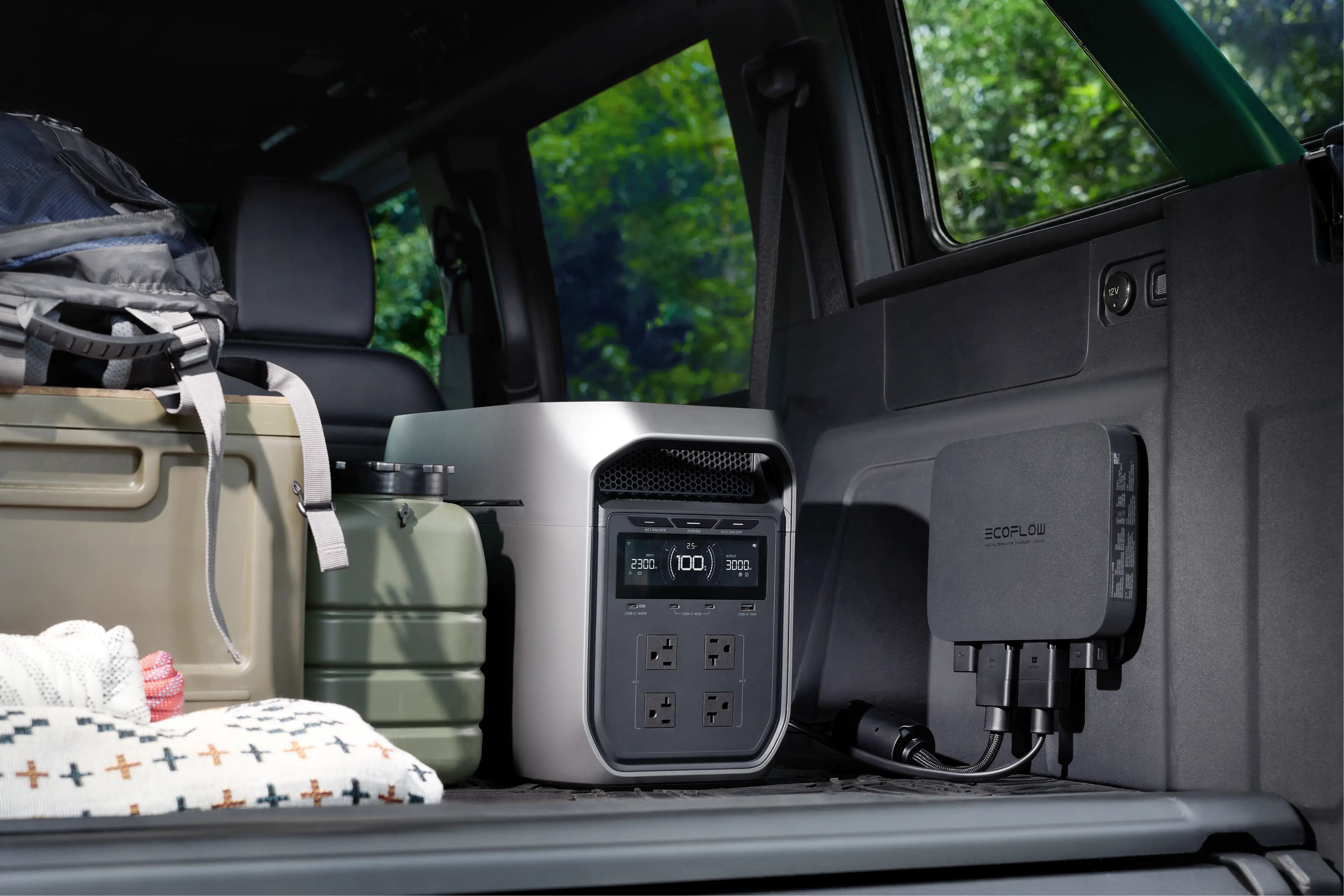
When it comes to portable batteries and power stations, buying makes more sense than renting, especially if you camp often. You know exactly what condition the battery is in, how much capacity it has, and it's always available when you need it.
Identify Your Outdoor Power Requirements
Start by thinking about what you actually need to power. If you're a weekend camper, it's mostly phones, headlamps, GPS watches, and a few LED lights. But if you're camping with family, working remotely, or spending weeks on the road, your needs are bigger, running a portable fridge, charging camera batteries and drones, or keeping a CPAP machine going through the night without relying on a loud generator.
Why Buying Beats Renting for Power Stations
Power stations rely on sensitive lithium batteries, and rental units often come with an unknown past. Hard to say how many charge cycles they've been through or how they were handled. When you buy your own, you know exactly what you're getting, consistent performance, a battery in good condition, and no surprises when you're far from help. It's also useful beyond camping. That same unit can keep your phone, Wi-Fi, and lights going during a power outage at home.
Choose Compact Power Solutions for Weekend Camping
For short weekend trips, owning a compact power station can often be more convenient than renting gear for every outing. Lightweight and relatively easy to pack, these units provide a self-contained power source to keep phones, headlamps, tablets, and laptops topped up. They can also power low-draw essentials—like a small portable fridge or camping fan—reducing reliance on your vehicle's starter battery.
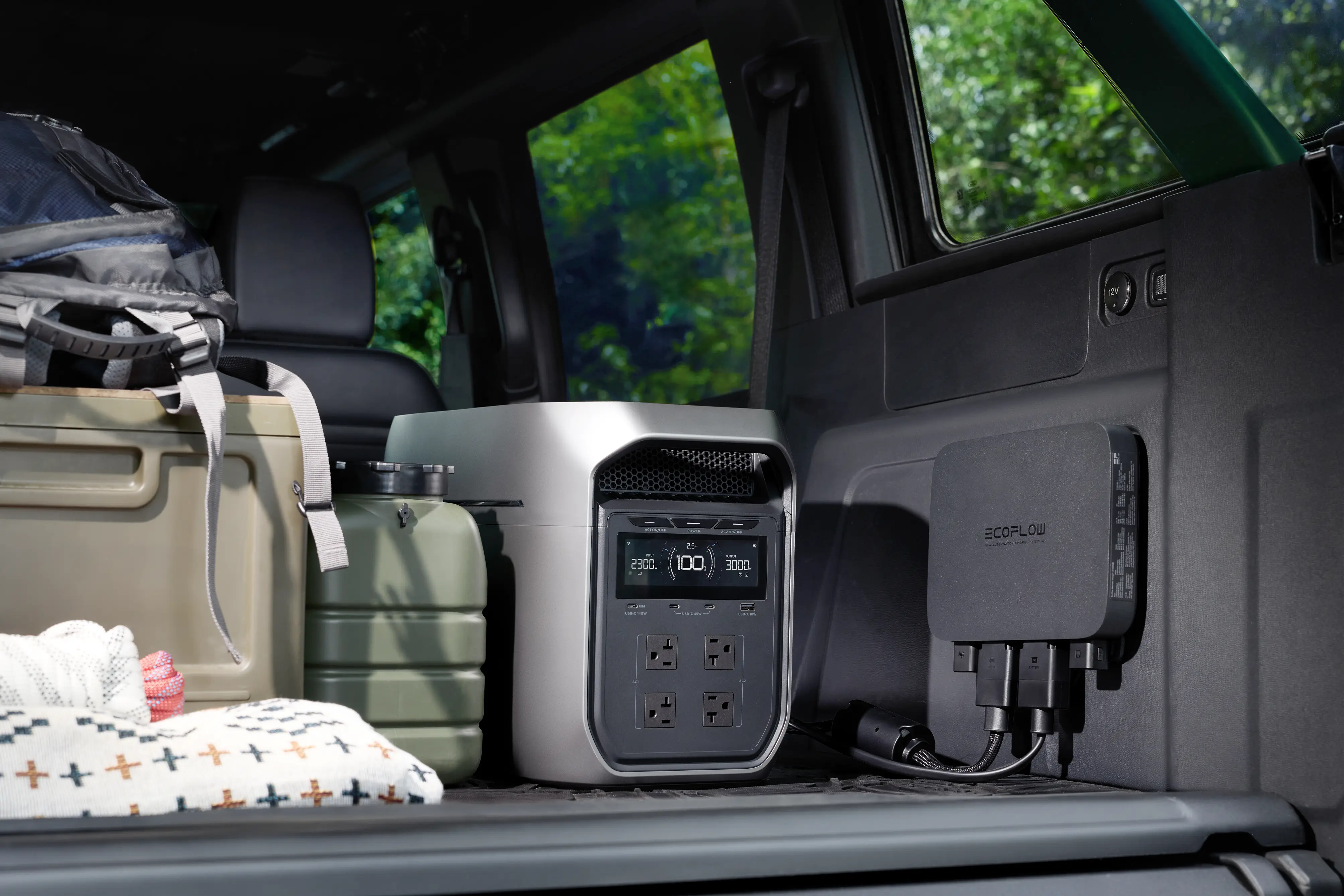
The EcoFlow DELTA 3 Classic Portable Power Station is a practical candidate for this level of use. Built with an LFP battery designed for long cycle life, it holds up well to routine use over time. With fast AC charging, topping up the battery before heading out is straightforward. It is designed to run a variety of electronics and smaller appliances, though users should still keep overall power consumption in mind to manage runtime effectively during off-grid stays.
Select Higher Capacity Power Stations for Extended Adventures
Extended off-grid camping, RV trips, or multi-day remote stays present different power demands. When managing items like a portable refrigerator, an electric kettle, camera gear, and multiple personal devices simultaneously, standard small power banks may fall short of your daily needs.
For higher power requirements, options like the EcoFlow DELTA 3 Max Plus Portable Power Station offer expanded battery capacity and higher output capabilities. Increased storage allows for simultaneous device charging and longer appliance operation with less frequent recharges. While higher-capacity stations are heavier and take up more trunk space, they provide a quiet, fume-free alternative to traditional gas generators, making them well-suited for family camping or extended off-grid stays where access to wall outlets is limited.
Conclusion
You don't need to own everything to enjoy a good camping trip. Renting gear in Canada is a smart way to get outside without spending heavily on equipment you'll only use a handful of times. Leave the big stuff, tents, chairs, tables, to the rental shops. Hang onto your personal gear and a dependable power station like the EcoFlow DELTA 3 series. That way, you're set for just about any trip, without hauling a pile of equipment from home. You get solid shelter, hot meals, and reliable power under the stars, without the upfront cost or storage hassle. That leaves you with more time and energy to enjoy the landscapes and the campfire moments that make the trip worth it.
FAQ
How Much Does It Cost to Rent Camping Gear in Canada?
Camping gear rental prices in Canada vary widely depending on the equipment, rental provider, location, and trip length. Basic individual items may cost relatively little per day, while complete camping packages can be considerably more expensive.
Is It Cheaper to Rent or Buy Camping Gear?
Renting camping gear is cheaper if you camp only once or twice a year, whereas buying becomes more cost-effective if you camp frequently over several seasons. For occasional campers or international travelers, renting eliminates high initial equipment purchases and long-term storage costs.
What Camping Gear Do Beginners Need to Rent?
Beginners should rent a sturdy 3-season tent, insulated sleeping pads, sleeping bags, a camp stove with cookware, and camp chairs. These core items cover all fundamental shelter, warmth, and cooking needs without requiring a large initial purchase.
Do You Need a Car to Go Camping in Canada?
Not necessarily, but a car is often the most convenient option, especially when camping at sites outside major urban areas. Public transit and shuttle services are available for some popular destinations, but transportation options vary considerably by park and campground.
Can You Rent Camping Gear in Banff?
Yes, you can easily rent full camping kits and individual outdoor equipment from several outfitters located directly within the Banff townsite and nearby Calgary. Local shops offer everything from complete camp setups and winter hiking gear for rent, to bear spray for purchase tailored for Rocky Mountain adventures.