Banff Summer Guide: Outdoor Activities, Camping Tips, and Travel Essentials
Most people picture Banff National Park under snow. Summer here is a different park entirely. The snowline pulls back to the high ridges, glacial melt turns the lakes that famous milky turquoise, and the light holds late enough to offer plenty of daylight for late-evening activities. This guide works through the practical questions in order, covering when to come, where to hike and paddle, how to actually land a campsite, what belongs in the bag, and how to keep devices charged on a road trip where outlets are rare.
Why Visit Banff in Summer?
From June through September, access to trails and park amenities becomes easier. Trails open up, lakes hit their brightest colour, and the days run long.
Enjoy Mild Weather for Outdoor Adventures
Summer brings Banff's comfortable weather, with daytime temperatures typically ranging between 18°C and 23°C, making it widely considered the best time to visit Banff for outdoor enthusiasts. These mild conditions create an ideal setting for full-day hiking, paddling, and sightseeing without the intense heat found in lower elevations. Evenings remain pleasantly cool, offering comfortable sleeping conditions for camp nights after a day outdoors.
Explore Banff’s Iconic Summer Landscapes
The turquoise is physics, not filters. Snow and ice melt all summer, washing fine glacial rock flour into the lakes. That suspended silt scatters light, creating the famous turquoise colour. Lake Louise, Moraine Lake, and Peyto Lake all display vibrant turquoise hues throughout a typical Banff, Alberta summer.
Take Advantage of Longer Daylight Hours
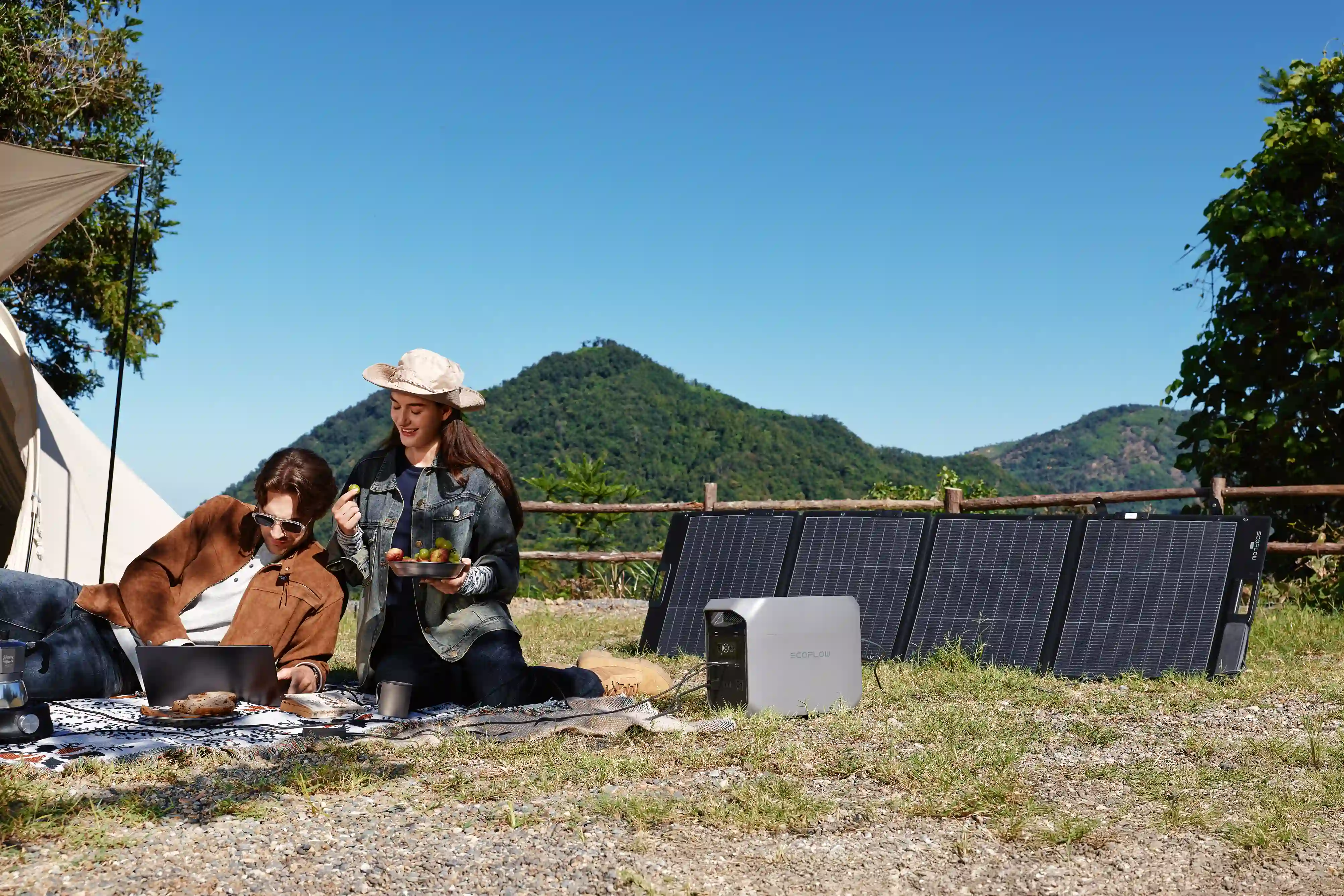
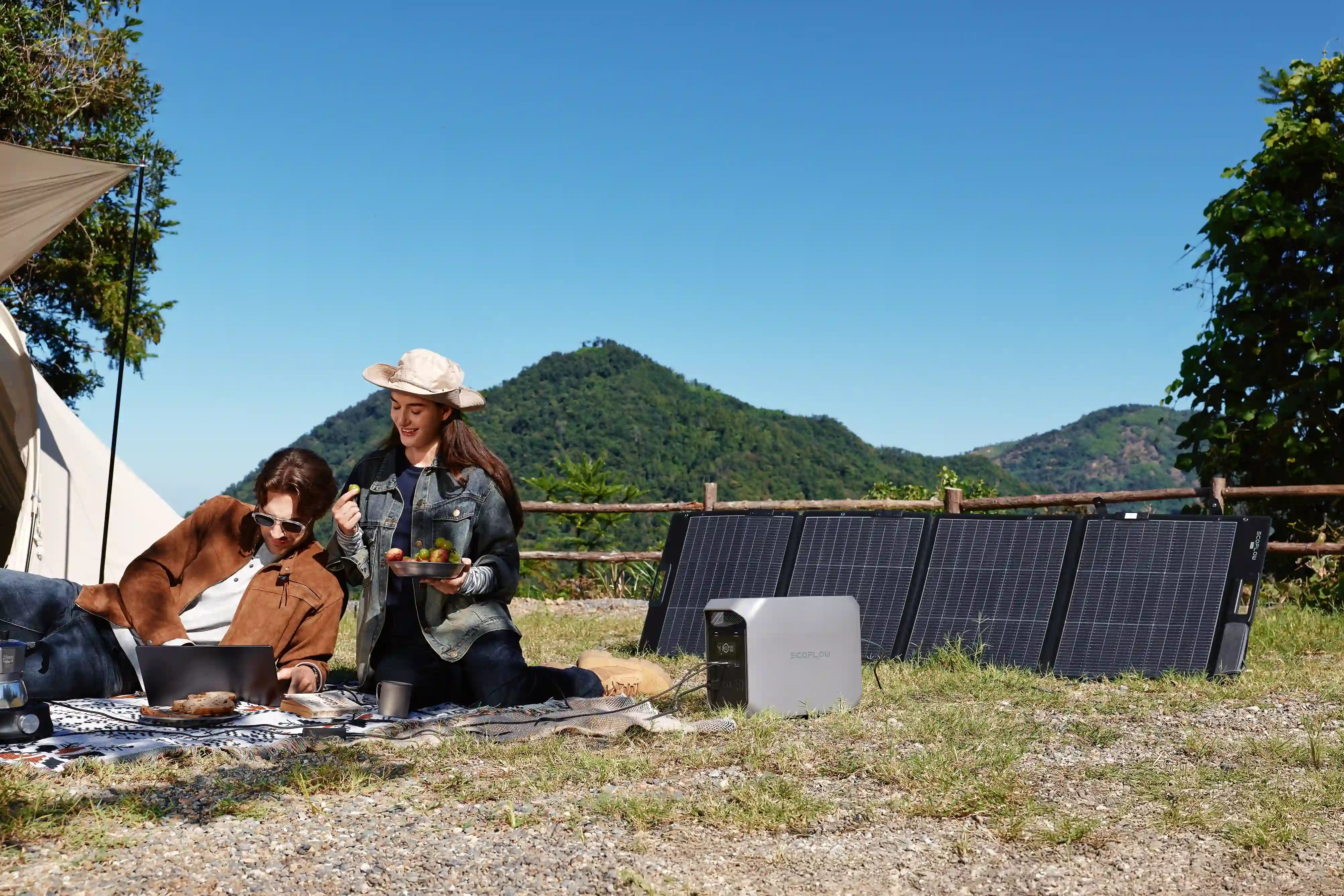
Through June and July the days run very long because of early sunrises and late sunsets. That buys real flexibility: a morning hike, an afternoon on the water, and an evening drive can share one day without rushing any of them, while having a compact portable power station in your vehicle keeps navigation and camera gear ready across the extended daylight hours.
What Are the Top Outdoor Activities in Banff?
You can keep it flat along the lakeshore or scramble above the treeline—the range of things to do in Banff, Alberta during summer is that wide, and a loose plan sketched before you arrive helps you make the most of it.
Hike Scenic Trails for Different Skill Levels
The park maintains over 1,600 kilometres of trails, catering to hikers of all experience levels. Beginners generally manage well on the gentle loop to Johnston Canyon's lower falls. The Tea House trail at Lake Louise requires moderate effort and stamina. For those seeking panoramic valley views, Sentinel Pass or Sulphur Mountain climb high enough to earn them.
Paddle Across Banff’s Famous Lakes
A canoe on one of these lakes is a different experience from the shore, as the peaks look bigger from the water and create near-perfect mirror reflections on a calm morning. Rentals are available at several of Banff’s popular paddling spots, including Lake Louise and Moraine Lake.
Bringing your own canoe, kayak, or paddleboard requires careful preparation. Rules now differ lake by lake: personal non-motorized watercraft are welcome on designated Water Recreation Zone lakes such as Lake Louise, Two Jack Lake, and Vermilion Lakes, and every paddler must follow the Clean, Drain, Dry protocol and complete an AIS Self-Certification Permit before entering the water. Checking lake regulations before launch and keeping a solar generator at your vehicle staging area ensures inflation pumps and devices stay running for full days on the lake.
Moraine Lake is the exception. The lake sits in a Water Preservation Zone now, so launching personal watercraft is restricted there, making paddling it a matter of renting one of the canoes available on-site.
Ride the Banff Gondola for Mountain Views
Certain viewpoints are easily accessible via aerial transit. The Banff Gondola does the climbing up Sulphur Mountain for you, and up top the Bow Valley runs out in every direction for 360 degrees. At the upper terminal, an elevated boardwalk runs along the ridge to the historic Sanson's Peak meteorological station, passing interactive exhibits on the area's geological history.
Spot Wildlife Responsibly in the Rockies
Most sightings happen along two corridors: the Bow Valley Parkway (Hwy 1A) and the Icefields Parkway (Hwy 93N). Timing matters as much as location: go early in the morning or around dusk, when elk move into the meadows, bighorn sheep come down near the shoulders, and occasional grizzly bear sightings occur.
Drivers should be aware of a seasonal road restriction. From spring into early summer, typically May to June, the eastern section of the Bow Valley Parkway (Fireside to Johnston Canyon) closes to vehicles. Cyclists get the road, and the closure reduces human impact during critical wildlife calving seasons. If your trip falls inside that window, drive the western section of Hwy 1A instead, or run the Icefields Parkway early in the morning.
Cycle Through Banff’s Mountain Landscapes
The Banff Legacy Trail strings together a long stretch of paved, vehicle-free riding between the Banff townsite and Canmore, making it the relaxed option. Road cyclists after something steeper can climb toward Lake Minnewanka, or time a visit with the seasonal vehicle closures on the Bow Valley Parkway and have that road largely to themselves.
| Activity | Recommended Location | Difficulty / Skill Level | Key Highlight |
|---|---|---|---|
| Day Hiking | Beehive & Sentinel Pass | Moderate to Advanced | Panoramic alpine views & larch valleys |
| Canoeing / SUP | Lake Louise, Two Jack Lake & Vermilion Lakes | Beginner to Intermediate | Crystal turquoise water & mirror reflections (AIS permit required for personal craft) |
| Scenic Driving & Lakes | Moraine Lake (Parks Canada Shuttle Required) | All Levels | Valley of the Ten Peaks (No private vehicles allowed) |
| Wildlife Observation | Bow Valley Parkway (Hwy 1A) (Check seasonal car closures) & Icefields Parkway | Relaxed / Scenic Drive | Grizzlies, elk, and bighorn sheep sightings |
How Can You Plan a Comfortable Banff Camping Trip?
Camping puts you right on the doorstep of the Rockies' grandest vistas, making reservations highly competitive. Peak-season demand is heavy, so a comfortable trip takes a bit of strategy.
Choose Between Frontcountry and Backcountry Camping
Frontcountry campgrounds like Tunnel Mountain and Two Jack Lake are the comfortable option. Facilities vary by campground, but think flush toilets, fire pits, and drive-in access, which makes them the right call for families and RV road trippers. Backcountry camping is a different commitment altogether. Sites along the Skoki Loop or the Banff-Assiniboine routes take hours of hiking to reach, facilities are primitive, and self-sufficiency is assumed, right down to bear-proof food storage.
Reserve Popular Campgrounds Early
Parks Canada opens summer bookings online in the dead of winter, typically in January or February, and demand is immediate. Prime sites at Two Jack Lake or Johnston Canyon routinely sell out within minutes of launch. Planning ahead is essential, and travelers should log into their accounts immediately when registration opens.
Check Campsite Facilities and Amenities
Facility levels vary more than people expect. Some soft-sided tent sites at Tunnel Mountain feature hookups and food lockers, while an unserviced site farther up the Icefields Parkway may come down to a dry vault toilet and a manual water pump. Check what your specific site actually has before you arrive, as verifying site features in advance avoids unexpected inconveniences upon arrival.
What Should You Pack for a Banff Summer Road Trip?
Two things shape packing for these mountains: the weather will change on you, and emergency services may be limited along remote stretches like the Icefields Parkway. Gear reliability isn't a shopping preference up here; it's a safety question.
Dress for Changing Mountain Weather
Layering is the golden rule of mountain travel for a reason: blue-sky mornings turn into afternoon hail or freezing drizzle near the passes without much warning. Moisture-wicking synthetic base layers, an insulating fleece over that, and a quality waterproof shell on top constitute the system. Your feet need the same attention, requiring sturdy, broken-in hiking boots with good ankle support, because rocky trails punish anything less.
Bring Safety and Emergency Essentials
Bear spray first: carry it in a hip or chest holster where you can reach it quickly, as storing it inside a backpack prevents quick deployment. Parks Canada advises hikers to carry it and know how to use it. Then round out the daypack with a comprehensive first-aid kit, paper topographic maps for the remote valleys where cellular coverage vanishes, high-SPF sunscreen, and bug spray.
Pack Essential Camping Gear for Summer
Summer up here still means cold nights, so a reliable 3-season tent rated for high winds, a sleeping bag rated to at least 0°C (32°F), and a thick sleeping pad form the baseline for sound sleep. Organizing a complete road trip packing essential list before leaving home helps prevent forgetting critical gear. Add a portable camp stove with extra fuel; when fire bans come down in dry stretches, the stove is essential for preparing hot meals.
Pack Portable Power for Essential Electronics
Smartphones, cameras, GPS units, and camp lanterns experience higher battery drain during mountain trips, particularly in cold night temperatures. Because campsite electrical outlets are limited, mobile power solutions are often required.
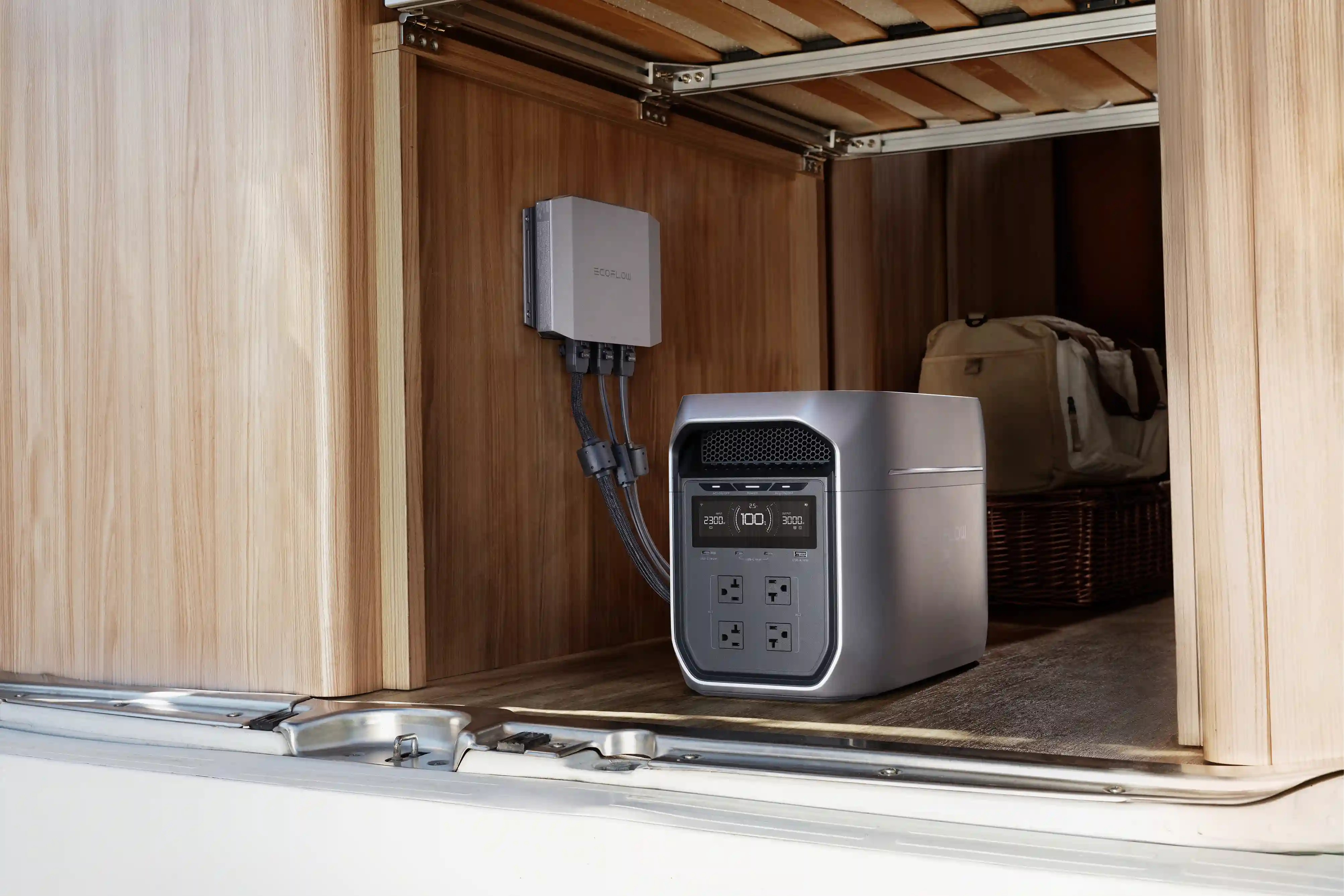
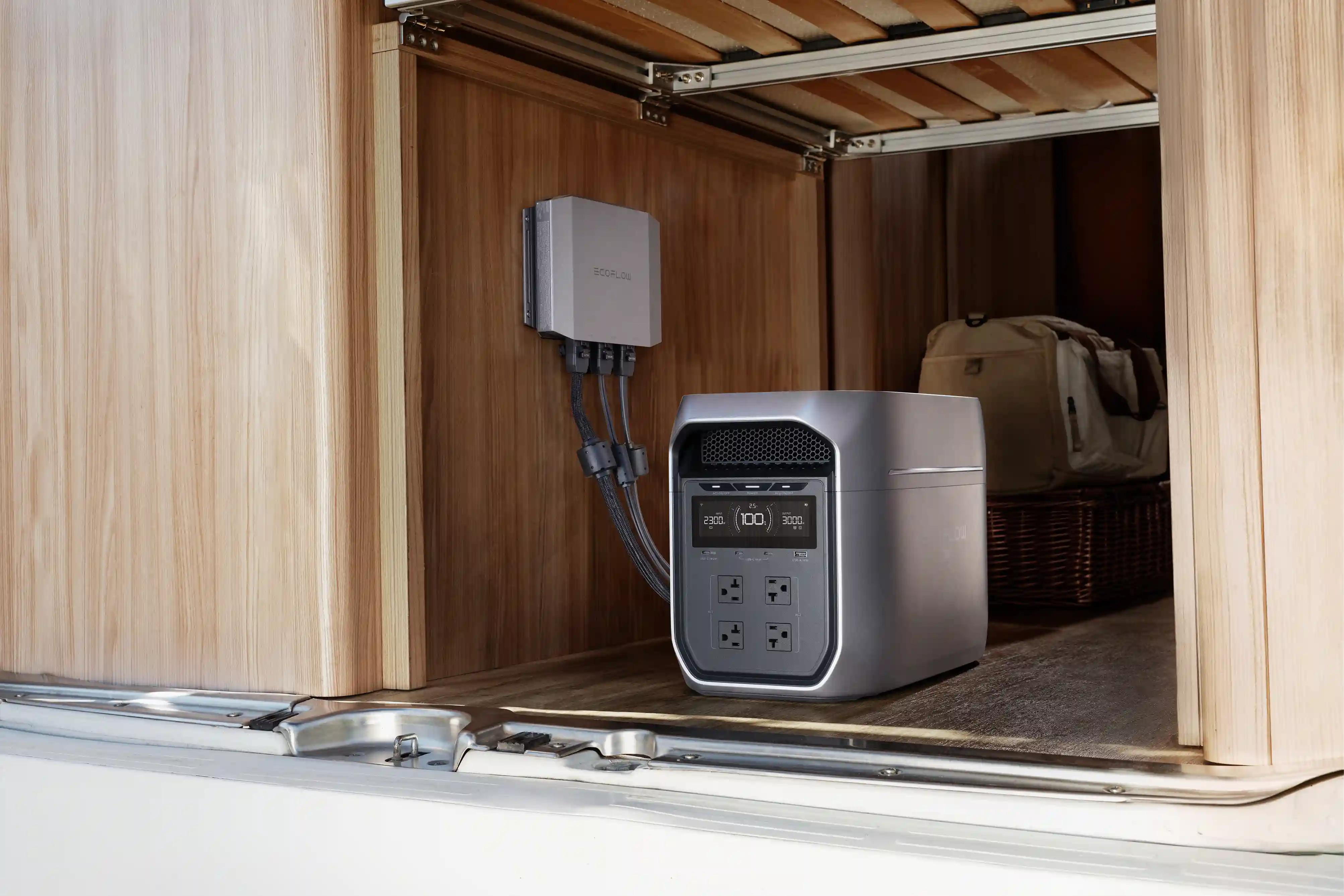
A compact power station, such as the EcoFlow DELTA 3 Classic Portable Power Station, can be stored in a vehicle trunk or tent vestibule to charge phones, drones, camera equipment, and LED lights. It supports recharging via portable solar panels, helping keep essential navigation and photography equipment functional during the trip.
Bring a High-Capacity Power Station for Extended Trips
Multi-day travel and unserviced campsites along routes like the Icefields Parkway increase overall power consumption. Operating equipment such as portable refrigerators, camp lighting, and laptops requires a continuous power supply.
For higher power demands, larger units like the EcoFlow DELTA 3 Max Plus Portable Power Station (2048Wh) offer the capacity and output needed to run small camping appliances and multiple electronics. Using a high-capacity power station reduces reliance on electrical hookups at campsites, providing off-grid power during multi-day road trips through the Rockies.
How Can You Travel Responsibly While Exploring Banff?
Banff stays what it is due to effective conservation practices and responsible visitor behaviour. The park asks a few specific things of you, and they're all easy once you know them.
Minimize Your Environmental Impact
Leave No Trace is the operating principle here. Everything packs out, including organic waste like apple cores and orange peels, which decompose very slowly in cold mountain climates. Stay on the marked trails, as the alpine flora beside them is fragile and recovers slowly from boots.
Respect Wildlife and Protected Habitats
Feeding wildlife is strictly prohibited, which includes small birds and ground squirrels. Habituation leads to aggressive behaviour, and for the animal, it often results in habituation that can lead to relocation or removal. Food storage matters just as much at camp: all food, scented toiletries, and coolers go inside locked vehicles or certified bear-resistant lockers.
Follow Park Rules and Fire Regulations
Follow the fire advisories Parks Canada issues, because they shift with conditions. Hot, dry summer periods bring fire bans across Alberta. When campfires are permitted, burn wood only within designated metal fire rings and extinguish the embers completely with water until no heat remains.
Conclusion
Banff in summer tends to stay with people: turquoise water in the morning, long golden light over snow-capped ridges at night, and the rewarding experience of securing a sought-after campsite. None of it is complicated: book the big pieces early, dress in layers rather than trusting the forecast, and equip your vehicle with reliable portable power like EcoFlow power stations, and you're set up for a safe, comfortable, and self-sufficient Rocky Mountain adventure. Give the wildlife its space, leave no trace, and enjoy every moment, as Canada's crown jewel earns the name in summer.
FAQ
Which Month Is the Best for Summer in Banff?
July and August generally offer the broadest access to high-elevation trails and alpine areas, although snow can linger on some routes well into summer. With warm days, long daylight, and seasonal businesses actively hiring to fill Banff, Alberta summer jobs so that every service is running, mid-summer is simply the easiest time to explore the park.
Is Banff Too Crowded in August?
Yes, it is the busiest month, but crowds respond to scheduling. Book the Parks Canada shuttle for Moraine Lake, and visit popular sites before 8:00 AM or after 6:00 PM. Those same viewpoints feel entirely different at those hours.
How Many Days Do You Need in Banff in the Summer?
Four to five days. That timeframe covers the major trails around Lake Louise, a drive up the scenic Icefields Parkway, the gondola, and the Banff townsite at a comfortable pace.
How Far in Advance Should I Plan a Trip to Banff?
Anywhere from four to eight months ahead. Accommodations and Parks Canada campground slots fill up rapidly once booking systems open each winter, so the best dates go first.