Ontario Provincial Parks Map: Explore Camping Locations, and Travel Tips
Planning your next Canadian getaway? Ontario's provincial parks encompass thousands of lakes, dense pine forests, and the rugged granite of the Canadian Shield, forming one of North America's premier outdoor destinations. However, with hundreds of parks spread across a vast geographical area, successful trips require deliberate route planning and appropriate preparation.
This guide details how to navigate an Ontario Provincial Parks map to select optimal campsites, match destinations to preferred outdoor activities, prepare for variable northern weather, and manage practical logistics, including food storage and power supply.
How Can You Use an Ontario Provincial Parks Map?
Familiarizing yourself with both interactive digital tools and printed versions of a map of Ontario provincial parks streamlines destination research, helping turn a long list of locations into a well-structured itinerary.
Compare Parks by Region and Distance
Because Ontario spans a broad geographic area, driving time is a critical planning factor. Examining regional sections, such as Southwestern Ontario, the Near North, or Algoma Country, allows travelers to calculate driving distances along major corridors like Highway 401 or the Trans-Canada Highway. This perspective helps determine whether a short weekend getaway to Sibbald Point or an extended journey to Lake Superior Provincial Park is more appropriate.
Find Camping and Day-Use Areas
Map legends utilize distinct symbols to differentiate full-service operational parks from day-use-only nature reserves. Applying specific map filters clarifies which locations offer overnight camping versus those designated exclusively for daytime picnics, swimming, or trail hiking, helping avoid unexpected arrival at sites restricted to daytime use.
Check Activities and Park Facilities
Detailed map overlays highlight specific amenities across each park, such as motorboat-free lakes, kayak rentals, visitor centers, or comfort stations with shower facilities. Filtering by amenity icons enables families, pet owners, and backcountry paddlers to identify locations that align with their preferred comfort level and recreational goals.
| Ontario Region | Popular Parks | Drive Time from GTA | Best For |
|---|---|---|---|
| Central / Muskoka | Algonquin, Arrowhead, Killbear | 2.5 to 4 Hours | Canoeing, fall foliage, iconic pine landscapes |
| Southwestern | Pinery, Rondeau, Long Point | 2 to 3.5 Hours | Sandy beaches, bird watching, mild lake climates |
| Eastern Ontario | Bon Echo, Sandbanks, Murphy's Point | 2.5 to 4 Hours | Rock carving heritage, sand dunes, boating |
| Northern / Superior | Lake Superior, Sleeping Giant, Killarney | 5 to 14 Hours | Rugged hiking, dark skies, wilderness solitude |
How Can You Choose a Park for Your Trip?
Aligning specific park features with personal experience levels and travel objectives ensures a fulfilling outdoor experience.
Match Parks With Your Activities
For rugged hiking across Canadian Shield granite, Killarney and Frontenac serve as ideal destinations. Visitors seeking sandy beaches and warm, shallow swimming waters may prefer Sandbanks or Pinery Provincial Park near Grand Bend. Map filters also allow travelers to search for specific recreation options — including whitewater canoeing, mountain biking, or angling for lake trout and smallmouth bass, where keeping camera gear and devices charged with a compact power station helps you capture your best moments on the water.
Check Seasonal Operating Dates
While select parks remain open year-round for winter camping, cross-country skiing, and ice skating, many locations close following Thanksgiving weekend in October. Spring opening dates also vary based on regional snowmelt. Travelers should consult the official seasonal operating calendar prior to departure to verify park availability.
Consider Distance and Travel Routes
Holiday long weekends frequently bring heavy northbound traffic on major corridors, such as Highway 400 out of Toronto or Ottawa. Incorporating travel route analysis into early map research helps identify optimal departure times or alternative destinations to bypass peak highway congestion. For longer journeys into Northern Ontario, mapping fuel stops, rest areas, and staging a reliable portable power station in your vehicle contributes to a smoother trip.
What Camping Options Can You Find on the Map?
When planning for camping in Ontario, the province's parks accommodate diverse preferences, ranging from fully serviced vehicle campsites to remote interior tent sites accessible only by watercraft.
Find Car Camping Locations
Car camping provides an accessible way to experience Ontario's outdoors. Parking directly at the campsite keeps heavy equipment, cooking supplies, and personal gear easily accessible. Campsites are arranged in loops, featuring shared water taps, picnic tables, fire rings, and convenient access to central comfort stations.
Explore RV-Friendly Campsites
RVs and trailers can utilize map filters to locate pull-through or extended campsites designed for larger vehicles. These campsites feature wider turning radiuses, level pads, and convenient access to dump stations and water filling facilities near park entrances, simplifying the setup process.
Identify Electrical Campsites
Campsites equipped with 15/30/50-amp electrical pedestals are indicated on an Ontario provincial parks camping map by electric plug icons. These sites support trailer air conditioning, heating appliances, and device charging directly at the location. Because electrical sites fill quickly on summer weekends, reviewing adjacent non-electrical loops offers a practical alternative.
Locate Backcountry Camping Areas
For visitors seeking solitude in remote wilderness settings, backcountry map layers display portage routes, interior lakes, and isolated places to camp with a tent. Parks such as Algonquin, Quetico, and Temagami feature extensive networks of canoe routes designed for multi-day interior travel.
What Should You Check Before Visiting an Ontario Provincial Park?
Thorough pre-trip research supports a well-organized and safer park visit.
Review Park Maps and Campground Layouts
Individual campground maps offer detailed site layouts, indicating proximity to beaches, privacy levels between pads, and distance from main roads or facility structures.
Check Alerts and Current Conditions
Environmental and operational conditions in Ontario can change rapidly. Reviewing park alert banners prior to departure provides essential updates regarding fire bans, wildlife advisories, water quality alerts, trail closures, or severe weather warnings.
Confirm Reservations and Park Fees
Popular central and southern parks experience high demand on summer weekends and holidays. Reservations can be secured up to five months in advance through the Ontario Parks online reservation system. For day visitors, many parks offer advanced Daily Vehicle Permits (DVPs) starting 5 days prior to arrival at 7:00 AM to secure entry during peak capacity periods.
How Can You Prepare for Camping in Ontario Parks?
Proper preparation balances outdoor recreation with safety, keeping campers comfortable across changing conditions.
Plan Activities and Daily Routes
Mapping out daily hikes, paddling routes, or historic stops beforehand improves time management and energy allocation. A structured yet flexible itinerary allows travelers to experience key park highlights, such as sunset viewpoints, at optimal times.
Prepare Supplies and Storage for Camping
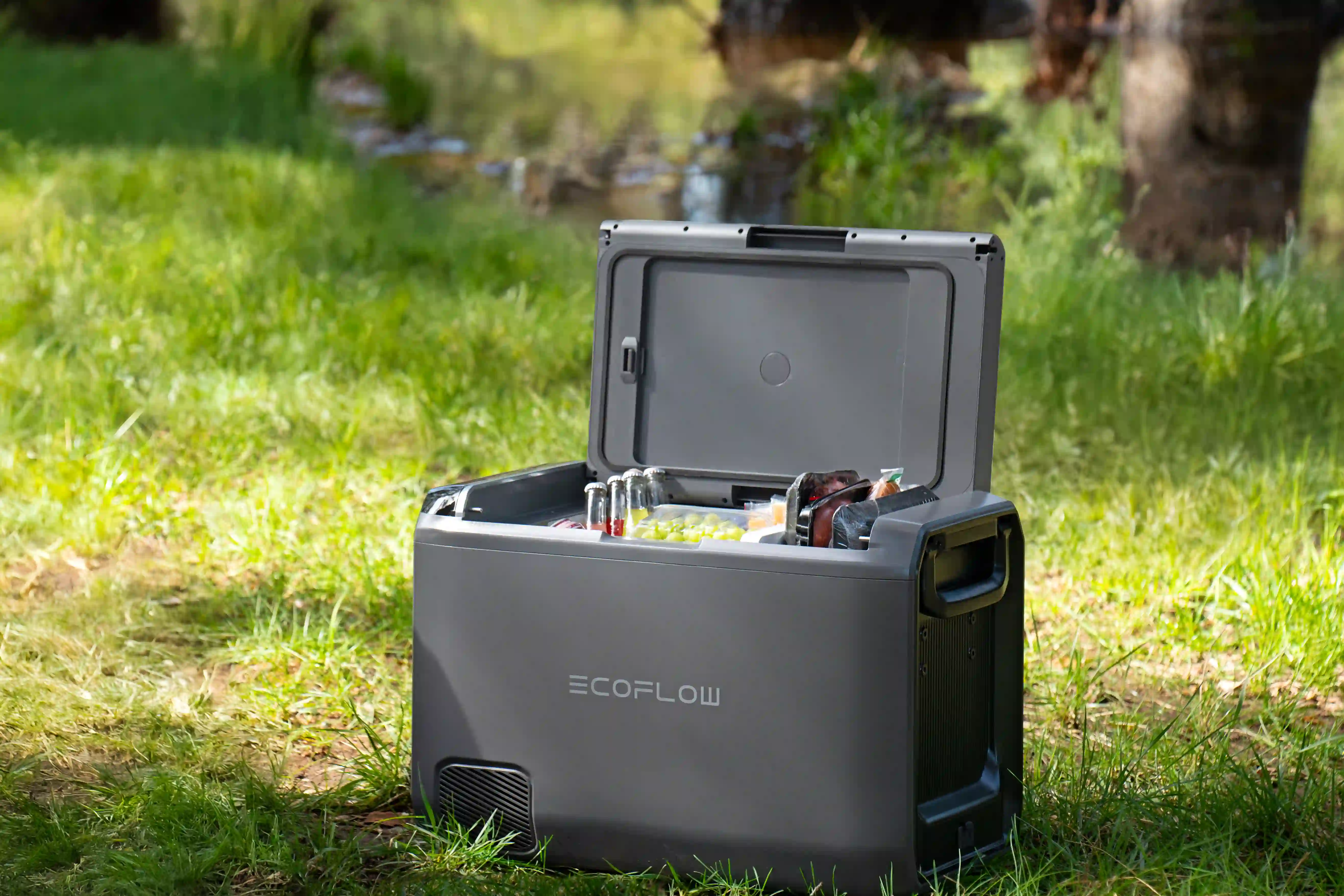
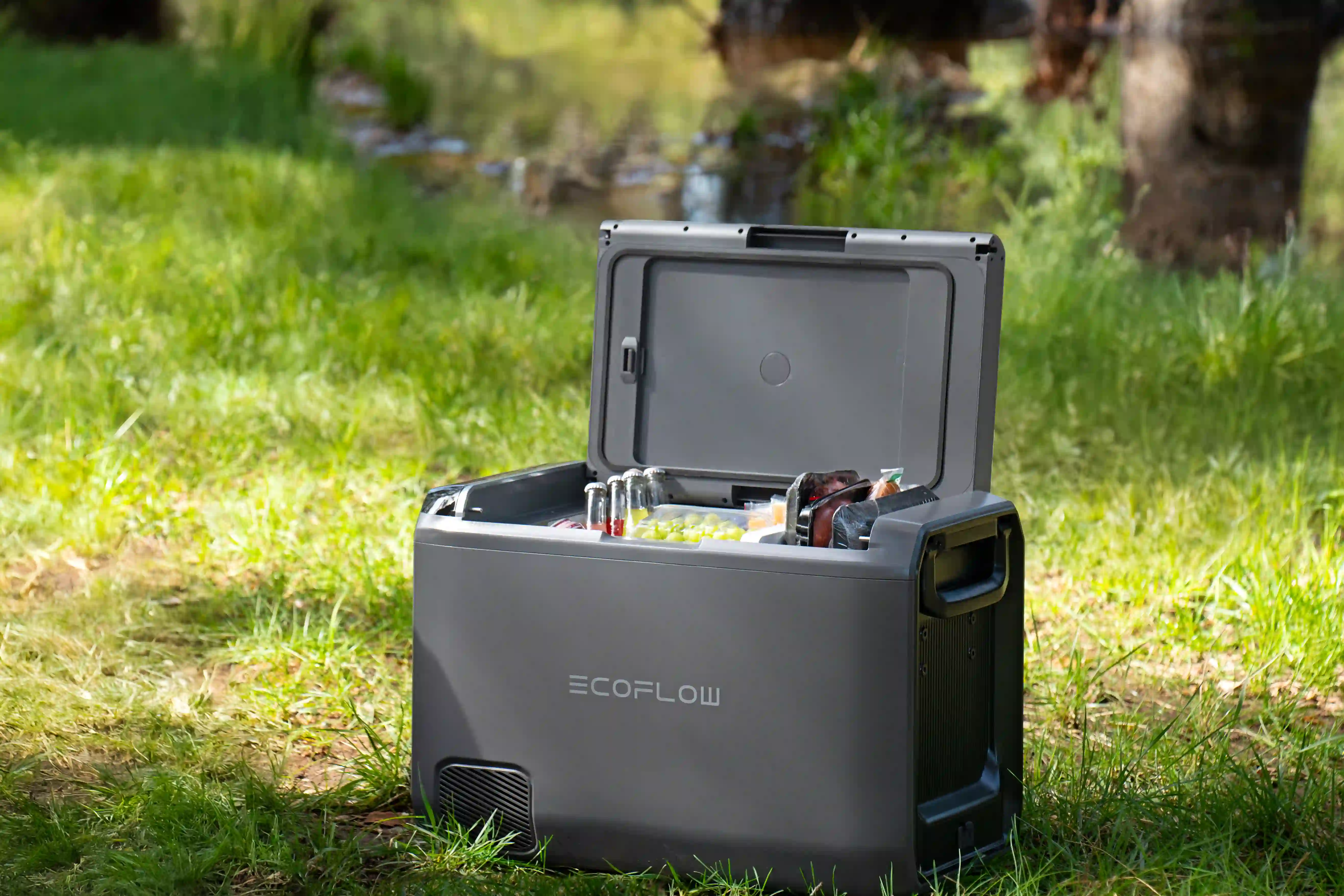
Sorting food, beverages, and daily essentials based on trip duration and campsite conditions helps maintain an organized campsite. Utilizing categorized storage containers keeps cooking areas clean and efficient. On longer trips or journeys requiring fresh food storage, portable electric coolers, such as the EcoFlow GLACIER Classic Portable Fridge Freezer, simplify food management by maintaining consistent temperatures without relying on ice bags.
Pack Gear for Changing Weather Conditions
Weather conditions near the Great Lakes can shift unexpectedly. A sunny morning may transition into an afternoon thunderstorm or a cool evening breeze. Packing synthetic clothing layers, a durable rain shell, waterproof footwear, and a sturdy campsite tarp helps protect against rain and wind.
Plan Portable Power for Camping
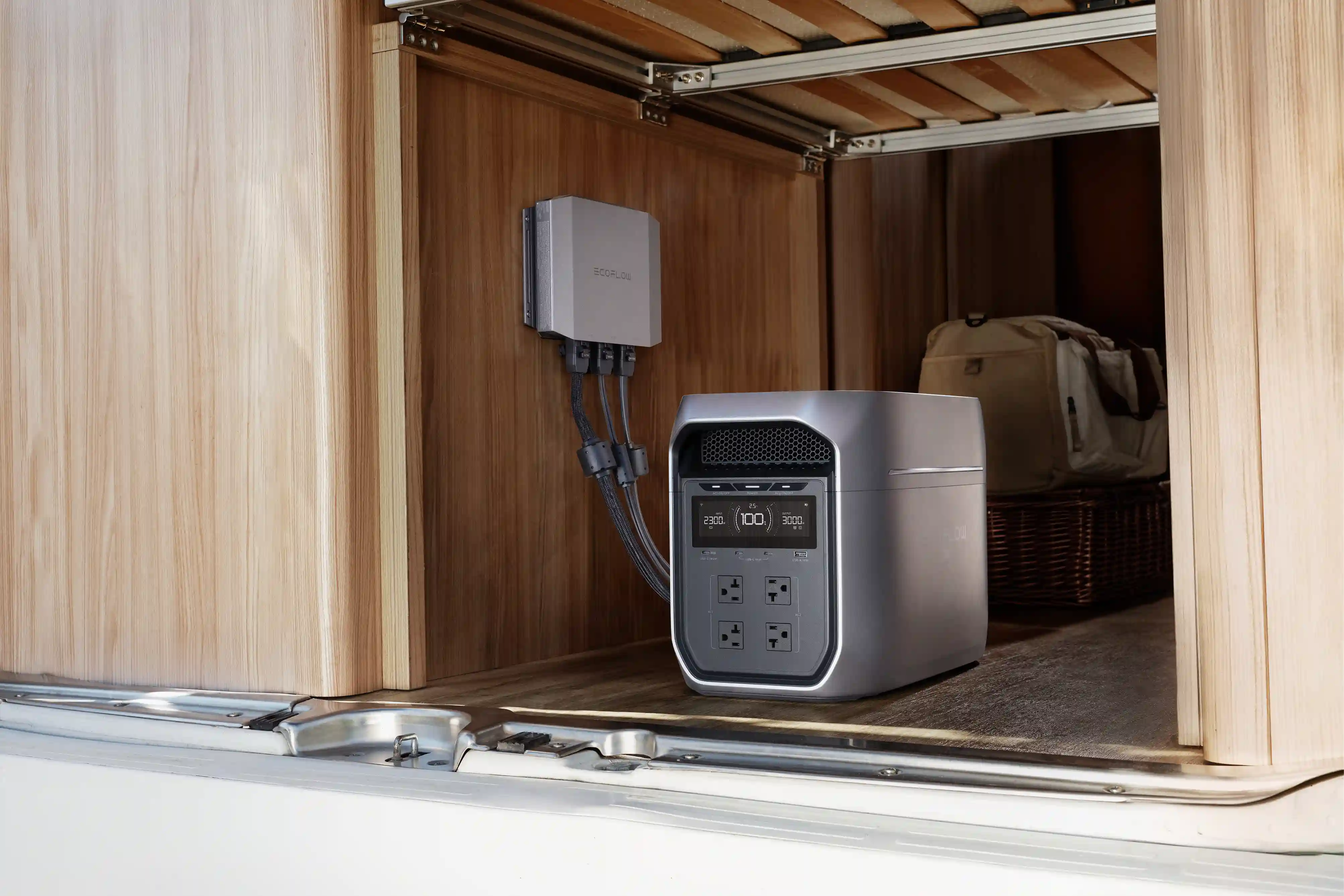
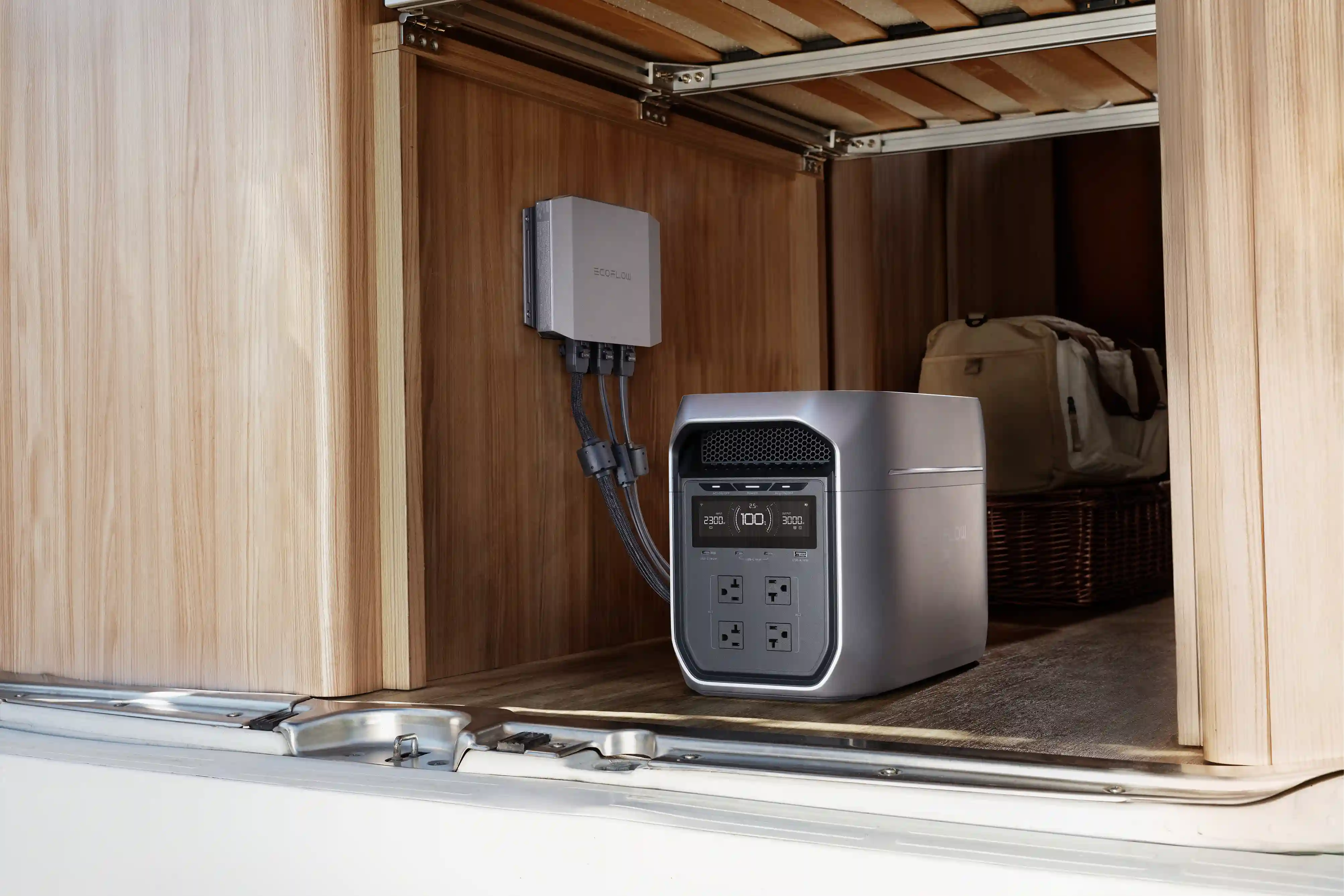
Maintaining battery charge for smartphones, cameras, GPS navigation devices, and campsite lighting is important for both safety and convenience. Preparing a reliable power supply prevents depleted batteries during travel. A portable power station, such as the EcoFlow DELTA 3 Max Plus Portable Power Station(2048Wh), provides car campers and families with clean off-grid energy, allowing multiple devices and equipment to run quietly without relying on gas generators or campsite electrical hookups.
Conclusion
Ontario's provincial parks offer diverse landscapes, from the serene lakes of Algonquin to the dramatic shorelines of Lake Superior. By utilizing park maps, selecting destinations tailored to preferred activities, securing early reservations, and packing appropriate equipment, travelers are well-prepared for a rewarding outdoor experience across Ontario's wilderness.
FAQ
How Many Provincial Parks Does Ontario Have?
Ontario has more than 340 provincial parks, including operating parks that provide camping and day-use opportunities as well as non-operating parks managed primarily for conservation.
What Are the Most Popular Provincial Parks in Ontario?
Algonquin, Sandbanks, Killbear, Pinery, and Killarney consistently rank among the most visited provincial parks in Ontario. Their popularity stems from iconic scenery, proximity to major urban centers like Toronto and Ottawa, extensive hiking trail networks, and pristine beach access.
How Much Is a Campsite in Ontario Provincial Park?
Campsite prices generally range from $40 to $60 CAD per night, depending on the park location, site type, and available electrical hookups. Backcountry interior sites are usually less expensive (around $10 to $15 per person per night), whereas premium electrical RV sites at popular southern parks sit at the upper end of the fee scale.
Do Seniors Get a Discount at Ontario Provincial Parks?
Yes, Ontario residents aged 65 and older receive discounts on campsite bookings and Daily Vehicle Permits, typically starting at 20% off standard rates during the peak season. Higher discounts—up to 50% off day-use permits—may apply during select non-peak periods, as outlined in the Ontario Parks official fee schedule. Additionally, Ontario residents with registered disabilities are eligible for a 50% discount on camping and day-use fees across the park system.
When Can I Book Ontario Parks Camping?
Ontario Parks campsite reservations can be made up to five months before your intended arrival date, with the reservation system opening at 7:00 AM Eastern Time. For high-demand summer weekends and holidays, booking as soon as the five-month window opens is recommended if you want a wider choice of campsites. Daily Vehicle Permits follow a separate schedule: at participating parks, advance DVPs are generally available up to five days before your visit.