Tent Camping Areas Near Me: Campsite Guide for Off-Grid Adventures in Canada
Finding the ideal spot to pitch a tent under northern pines requires navigating a vast landscape of options. British Columbia's rugged coastline, Ontario's clear lake country, and Quebec's quiet boreal forests each offer distinct terrain. The process begins with a search, followed by a careful evaluation of the landscape prior to selecting a campsite. Gathering reliable gear and setting up off-grid electricity complete the groundwork. Outdoor comfort depends heavily on thorough preparation, and a dependable off-grid power configuration keeps the entire excursion running.
Where Can You Find Tent Camping Areas Near You in Canada?
A short drive, sometimes a paddle. That is usually all that separates you from a scenic campsite in Canada. The real choice is style. Some campers want a site the car pulls right up to; others want a stretch of water and trees between themselves and everyone else. Canada has whole categories of campgrounds built for both.
Explore National and Provincial Park Campgrounds
Many people know these well-known parks: Banff National Park in Alberta, Algonquin Provincial Park in Ontario, Mont-Tremblant National Park in Quebec. What they share is range, from accessible campgrounds to remote wilderness sites. Running them is a split job. Federally, Parks Canada. Provincially, agencies like Ontario Parks, BC Parks, and Sépaq in Quebec.
What you'll find splits two ways. Drive-in tent camping sites come with vehicle access and basic amenities, while backcountry locations call for hiking, paddling, or portaging. No two parks book quite the same way. Campsite types, access requirements, available facilities, reservation rules: check all four against your camping style before you reserve.
Find Lakeside and Forest Campsites
Loons calling across mist-covered water, coffee brewing while the lake is still glass: that morning is close to a Canadian tradition, and the country has millions of freshwater lakes to host it. Forest and shoreline sites turn up all along the Canadian Shield and the Atlantic coastline. The dense spruce and birch break the wind for you. The lake handles the rest: a swim, an evening paddle, an hour of fishing before breakfast.
Discover Remote Backcountry Locations
Real silence takes effort. When searching for the best places to camp with a tent deep in the wilderness, places like Killarney Provincial Park and Jasper National Park offer genuine silence with no roads in. Hiking trail or canoe portage, those are the only ways in, and your gear rides on your back or in your boat. Amenities at these remote locations are extremely limited. Instead, you trade built-in conveniences for starry skies, pristine solitude, and a quiet trail ahead.
Use Online Tools to Locate Campsites
The search tools come in two flavours, and only one of them is authoritative. One kind tells you what's actually bookable. The other tells you what fellow campers stumbled onto. Use the second kind for ideas. Legality and access, though, need confirming elsewhere.
Official Booking Portals: Start at the booking desks: the Parks Canada reservation system, Ontario Parks reservations, BC Parks' Discover Camping. They have the final word on campsite availability, booking requirements, seasonal closures, and site-specific rules.
Crowdsourced & Mapping Apps: For scouting there is iOverlander, AllTrails, and Gaia GPS, good for turning up potential camping areas, hiking routes, road conditions, and recent user reports. They can't tell you, though, whether camping is actually permitted there. That answer, along with any permits, fees, access restrictions, or seasonal closures, comes from the relevant provincial, territorial, or park authority.
Crown land needs the most homework of all. The rules shift with province, land designation, and location, so check the applicable government land-use rules before you set up. A listing on an app isn't proof of anything, not of legality, not of current access.
How Do You Choose the Right Tent Camping Area?
Clarify your camping goals first to choose the appropriate terrain. A bit of upfront planning reduces the chance of unpleasant surprises, from degraded access roads to sites without on-site drinking water.
| Camping Style | Best Suited For | Key Considerations |
|---|---|---|
| Frontcountry / Parks | Beginners, families, weekend getaways | Book early; fees apply; shared amenities |
| Crown Land (Dispersed) | Off-grid enthusiasts, budget campers | No amenities; Leave No Trace; 4WD access |
| Backcountry / Portage | Seasoned hikers, paddlers, minimalists | Strict weight limits; pack-in/pack-out |
Check Campsite Location and Accessibility
On a map, every site looks reachable. Your vehicle may disagree. Check what the road in looks like beforehand—whether it is a rough logging route that demands a high-clearance 4WD, or a smooth surface a standard sedan handles easily. The distance between the parking area and the tent pad also matters, as a long walk with heavy gear quickly turns into an exhausting effort.
Compare Available Facilities and Services
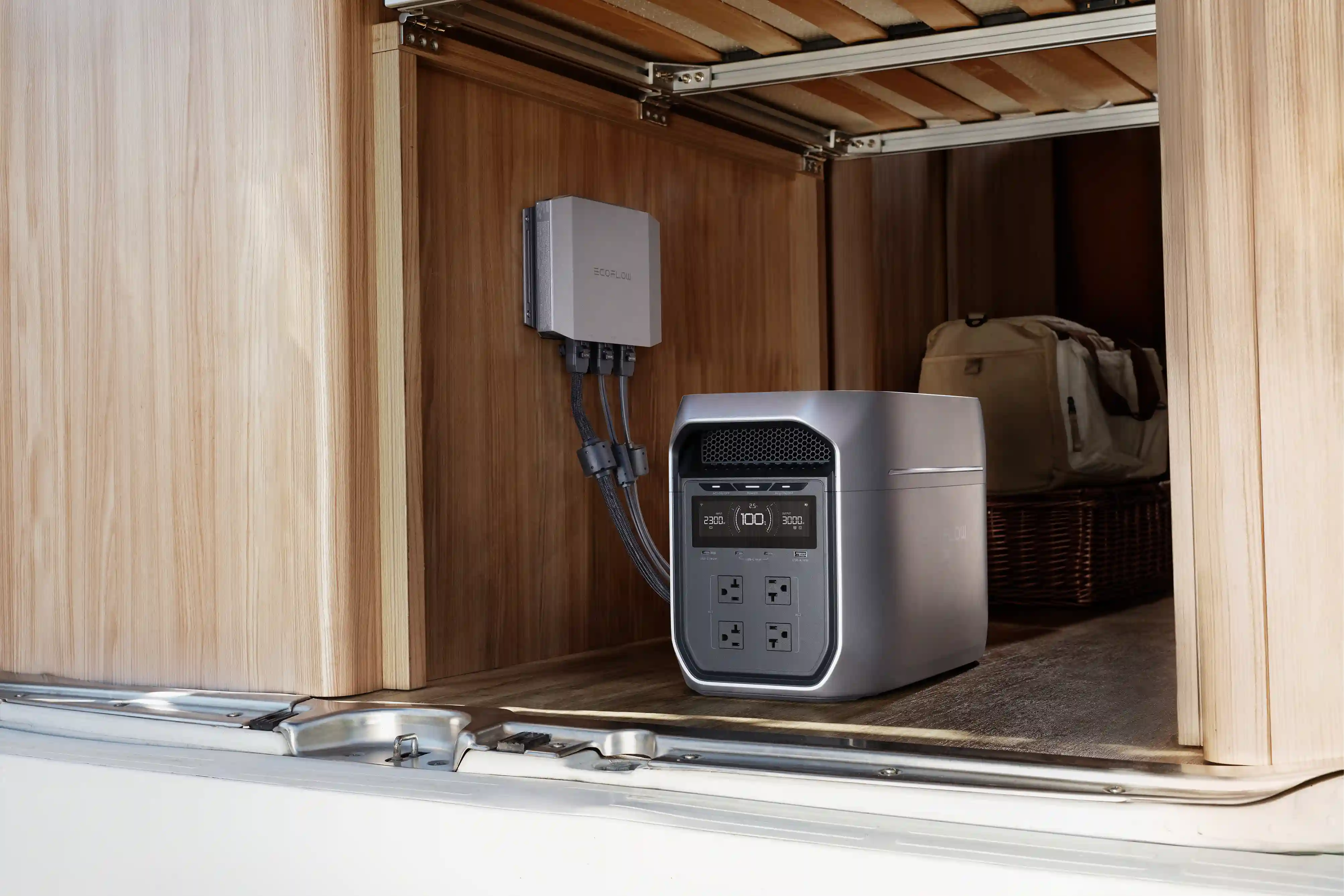
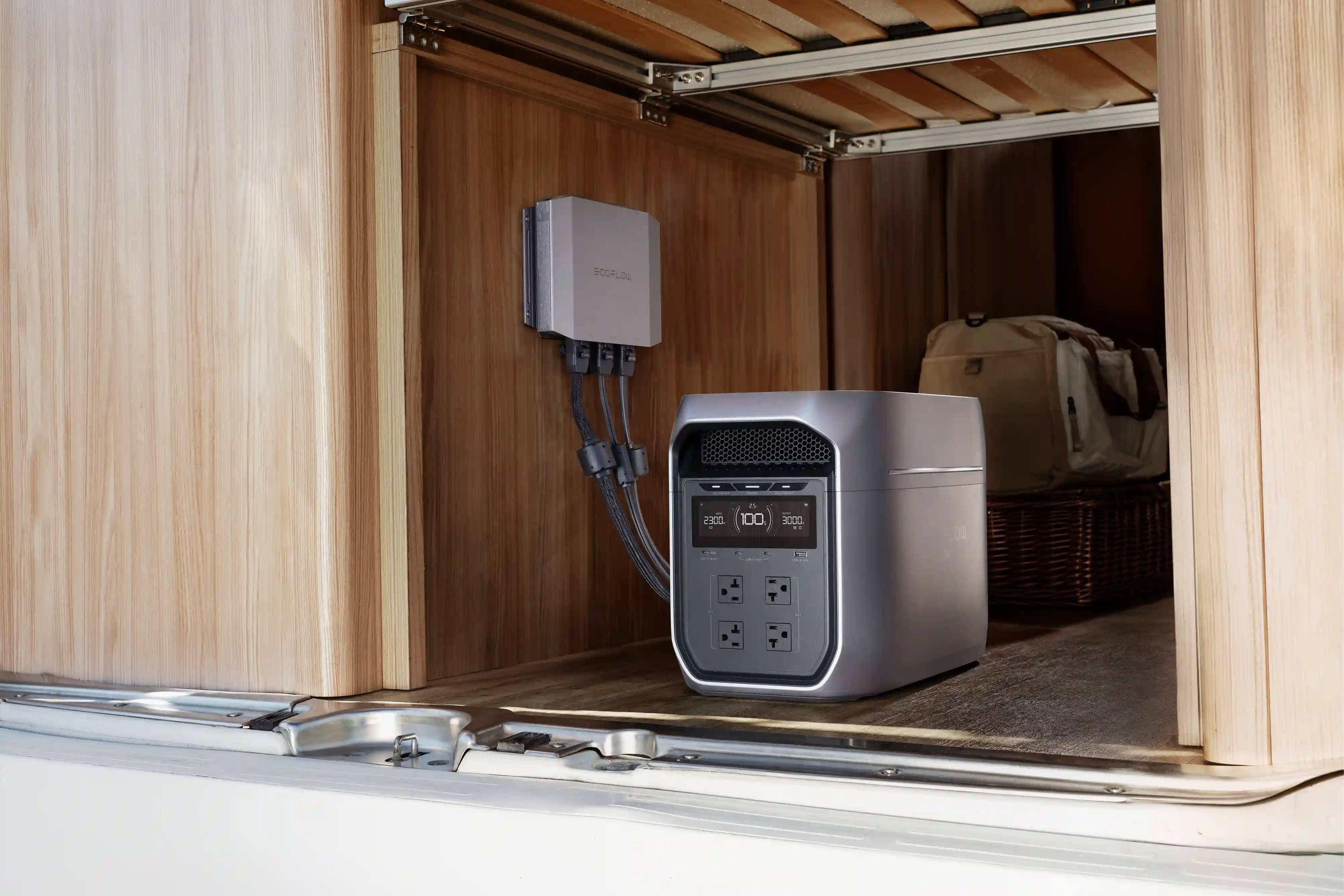
Every camper’s comfort threshold sits somewhere different. Whether a site offers powered hookups or requires bringing a portable power station for your own electricity, confirming what the campground actually provides before booking is essential. The checklist is short. Water first: potable on tap, or a natural source you’ll be filtering. Then toilets, which run from flush to vault privies to wilderness thunderboxes. And food storage: bear-proof lockers and designated waste disposal bins, or neither.
Consider Privacy and Natural Surroundings
Layout decides privacy. Some commercial parks pack tents close together, while walk-in and backcountry sites usually come with dense tree barriers between lots. If peace and wildlife viewing are the priorities, book the end of the loop or a dedicated walk-in forest clearing. The neighbours stay out of your sightline, and the woods feel like yours.
What Camping Equipment Supports a Comfortable Outdoor Stay?
In Canada, warm sunshine at lunch can be cold rain by dinner. When putting together your list of car camping essentials, durable and weather-appropriate gear makes the difference between a slight inconvenience and a damp, miserable night.
Choose Reliable Shelter Equipment
Start with shelter. Everything else is secondary:
Three-Season Double-Wall Tent: Keeps a muggy July night breathable and driving rain out.
Quality Ground Tarp / Footprint: Tent floors die from sharp rocks and groundwater seepage. A footprint takes the abuse instead.
Proper Sleeping System: The ground pulls heat out of you all night. A high-R-value sleeping pad (R-value 3.0 or higher) stops the drain; pair it with a sleeping bag rated a few degrees below the nighttime low you expect.
Prepare Outdoor Cooking Supplies
An open campfire is the classic way to cook. During a fire ban, though, it’s not an option at all. A dependable portable dual-fuel or propane camping stove operates safely through most fire bans, ensuring hot coffee and warm meals when open fires are prohibited. Round out the kitchen with lightweight nested pots, a cast-iron skillet for open grates, a reliable water filtration system, and an insulated cooler or a 12V portable fridge paired with a compact power station.
Bring Essential Lighting Equipment for Campsites
Once the sun drops below the tree line, campsite visibility drops quickly. From that point on, navigating your site relies heavily on the lighting equipment you packed:
Hands-Free Headlamps: After dusk you'll want both hands free, for the tent setup, for the trail to the privy.
Warm-Hue Lanterns: Give the tent soft light without pulling in a swarm of mosquitoes.
String Lights or Perimeter Markers: Guy lines and tent stakes become virtually invisible at night. Mark them, and nobody trips in the dark.
How Can You Plan Power Needs for Off-Grid Tent Camping?
You can camp off-grid without sacrificing comfort. A little energy planning before departure keeps the essentials (navigation tools, camera gear, campsite comforts) running for the whole trip.
Identify Essential Outdoor Power Needs
Do the math at home: total wattage, plus how often each device needs a recharge. For most tent campers, the list runs to four things:
Smartphone and GPS unit recharges, because emergency contact and trail navigation aren't optional
Camera batteries and drone packs, if you're capturing scenic landscapes
Camp lighting, mosquito repellers, and a portable cooling fan during hot summer afternoons
A 12V portable car fridge, which keeps meats, dairy, and beverages chilled without the mess of melting ice
Select Portable Power for Camping Devices
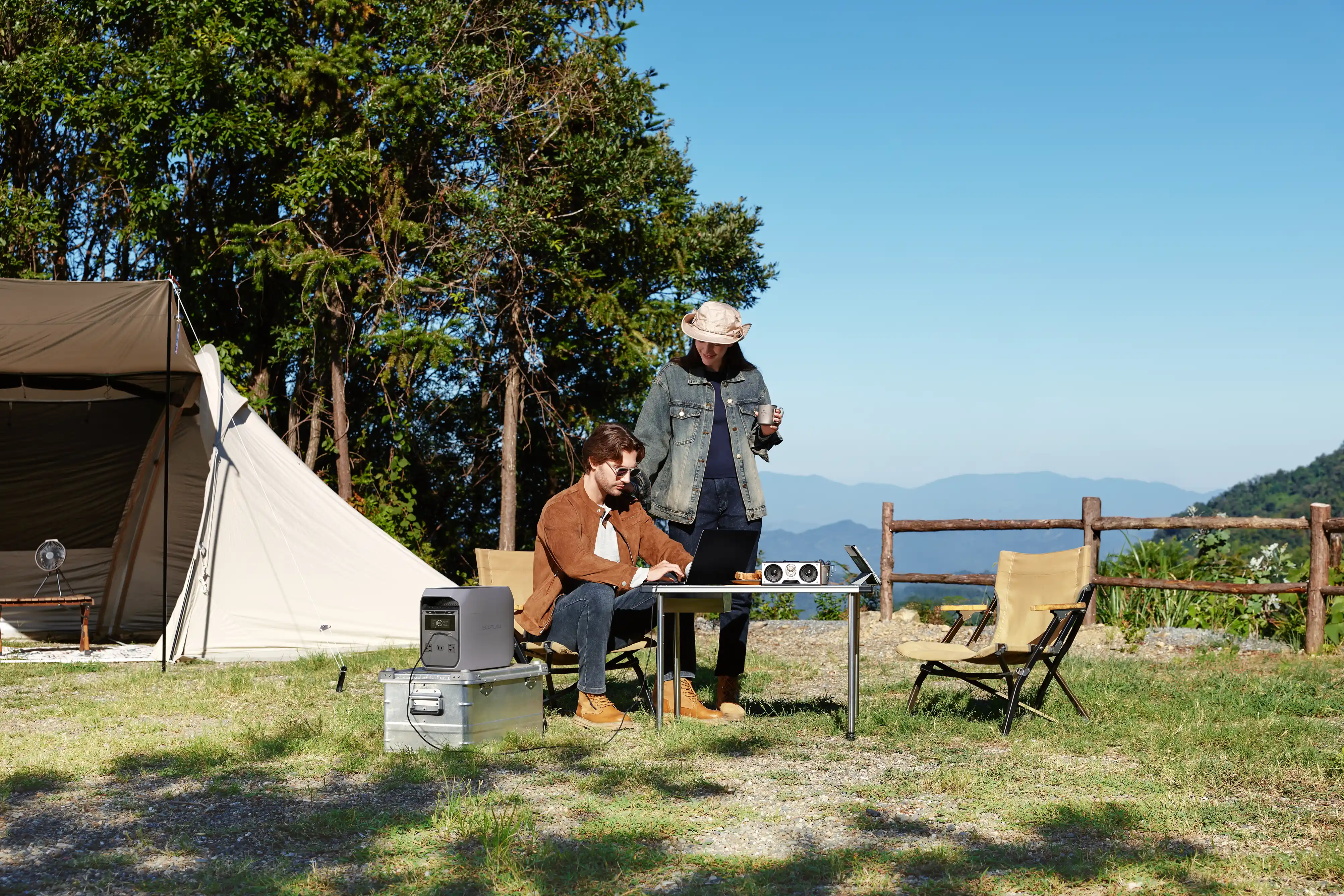
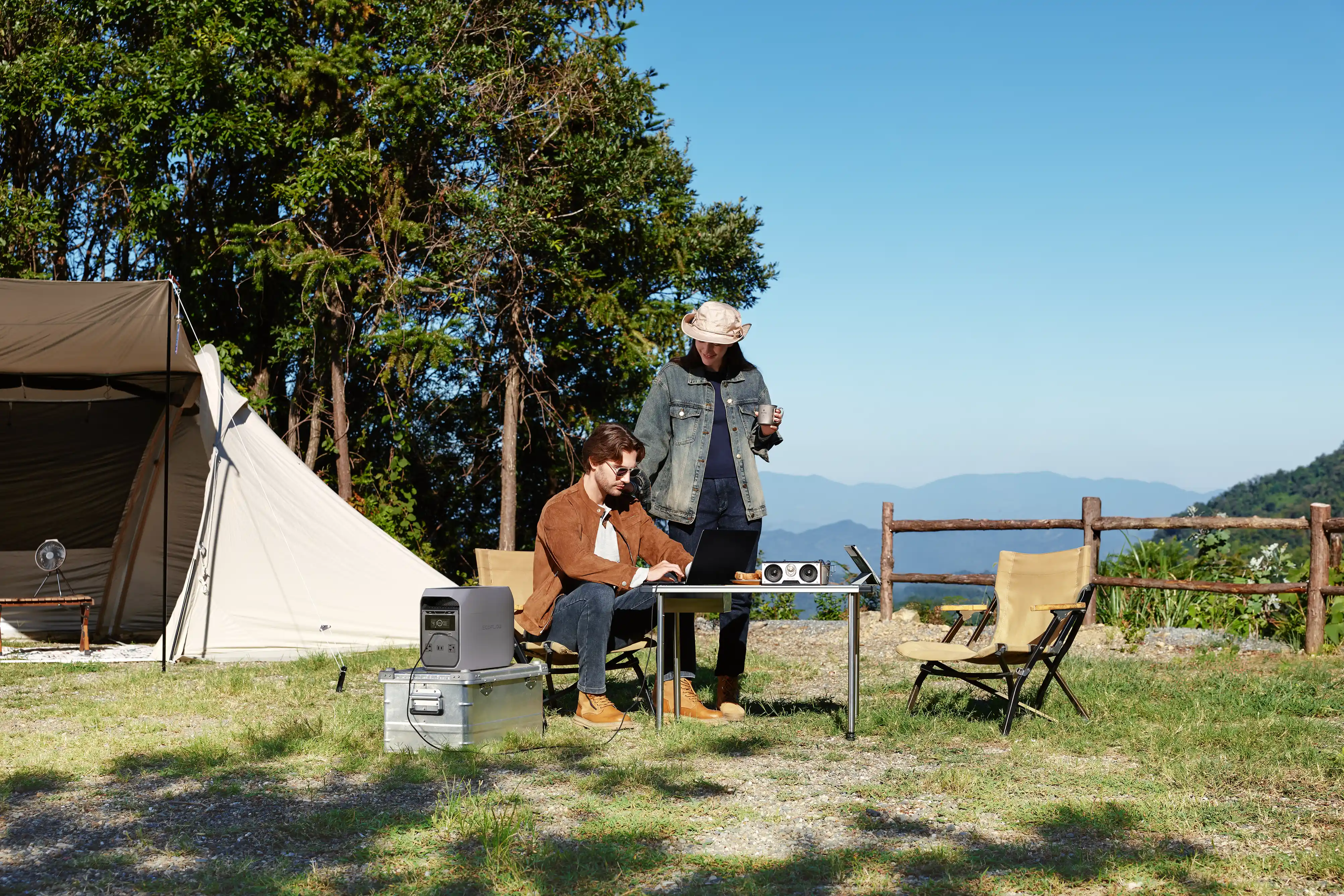
Phones, fans, rechargeable lanterns: a summer tent trip leans on more electronics than most people expect. All of it runs off steady portable power these days — no gas generator, no noise, no fumes. For weekend getaways, lakeside retreats, or secluded forest hideaways, a compact power station like the EcoFlow DELTA 3 Classic Portable Power Station offers the balance of capacity and portability. It supplies flexible, clean power for everyday essentials, keeping your phones, action cams, tent fans, and ambient lanterns reliably powered whenever needed so you can enjoy modern convenience deep in nature.
Prepare Backup Power for Longer Trips
A multi-day run through remote provincial parks or Crown land raises energy demand significantly. At that point the power reserve isn’t topping up phones anymore. It is running high-draw appliances, continuously. The EcoFlow DELTA 3 Max Plus Portable Power Station (2048Wh) is tailored for multi-day, off-grid summer expeditions. With robust output and substantial battery capacity, it can power portable fridges, high-lumen campsite floodlights, cooking gear, and entertainment setups. Having robust backup power lets you maintain a comfortable, self-sufficient basecamp in remote wilderness locations, making extended adventures more relaxing.
How Can You Stay Safe During Tent Camping in Canada?
Safety out there comes down to three things: weather, wildlife, and park rules. Give all three their due.
Monitor Local Weather Updates
Mountain and lake weather in Canada can shift within minutes, so check Environment Canada radar alerts before departing. Whatever the forecast says, the extra thermal layers and rain tarps go in the car anyway.
Prepare Emergency Communication Tools
Cellular reception fades fast past the major highway corridors. Pack a physical topographic map and a compass next to the digital apps. Remote backcountry and Crown land trips call for a satellite communicator. A Garmin inReach or a ZOLEO covers check-ins, and SOS services if it ever comes to that.
Follow Wildlife Safety Practices
Out here you camp alongside black bears, grizzly bears, moose, and wolves. Bears especially have rules:
Never store food, scented toiletries, or trash inside your sleeping tent.
Use bear-proof lockers or hang your food bag at least 4 metres high and 2 metres out on a sturdy tree branch.
Keep bear spray readily accessible on your belt or pack strap, not buried deep inside your backpack.
Respect Camping Area Regulations
Fire restrictions come with dry summers, so look up the current local rules before you light anything. Everything else falls under Leave No Trace. Garbage gets packed out, noise stays low during quiet hours, camping stays inside the designated boundaries. Delicate flora doesn’t survive being trampled.
Conclusion
A great trip gets decided before the car even starts. The right location, shelter and cooking gear you trust, enough power for the length of the stay. Get those right and the rest is the part you came for — waves on a rocky Ontario shoreline, a sunset over the Canadian Rockies. Plan ahead and respect the land. The wilderness gives it all back.
FAQ
What Is the Most Forgotten Item When Camping?
Ask campground regulars and two answers come up first: bug spray and headlamps. Right behind them sit the small but critical things, extra tent stakes, matches or lighters, toilet paper, and spare charging cables.
Where Can You Legally Camp for Free in Canada?
It depends on the province. Canadian residents can camp for free on general Crown land for up to 21 consecutive days in Ontario. Alberta, on the other hand, requires a Public Lands Camping Pass.
What Is the Best Month for Camping in Ontario?
Late July and August are among the most popular months for camping in Ontario, thanks to generally warmer temperatures and comfortable conditions for swimming, paddling, and other outdoor activities.
What Are Some Tips for Tent Camping for Beginners?
If this is your first tent trip, practise the pitch at home. The backyard or the living room works fine; better there than figuring it out at the campground. On the day itself, arrive at the campground well before dark, pack extra warm clothing layers, keep all food out of your sleeping quarters, and reserve an electric or frontcountry site for your first outing.