How to Reduce Your Electricity Bill in Canada: 7 Proven Strategies for 2026
Canadian electricity bills have been climbing in recent years, but there are ways you can cut your bills meaningfully through smarter habits, useful upgrades and better energy management.
This guide shows where your power goes, how to use less and how to take control over your energy spending.
Why Are Electricity Bills Increasing in Canada?
Several factors are pushing up electricity costs in Canada, and it’s important to keep these in mind when planning ways to reduce your bills.
One is the simple fact that grid infrastructure is getting older. It needs more investment to continue providing a reliable service, and ratepayers usually end up paying for these costs.
The shift to cleaner power across several provinces is another factor. This leads to the need for the installation of new transmission lines and other related costs, all of which can add to monthly bills.
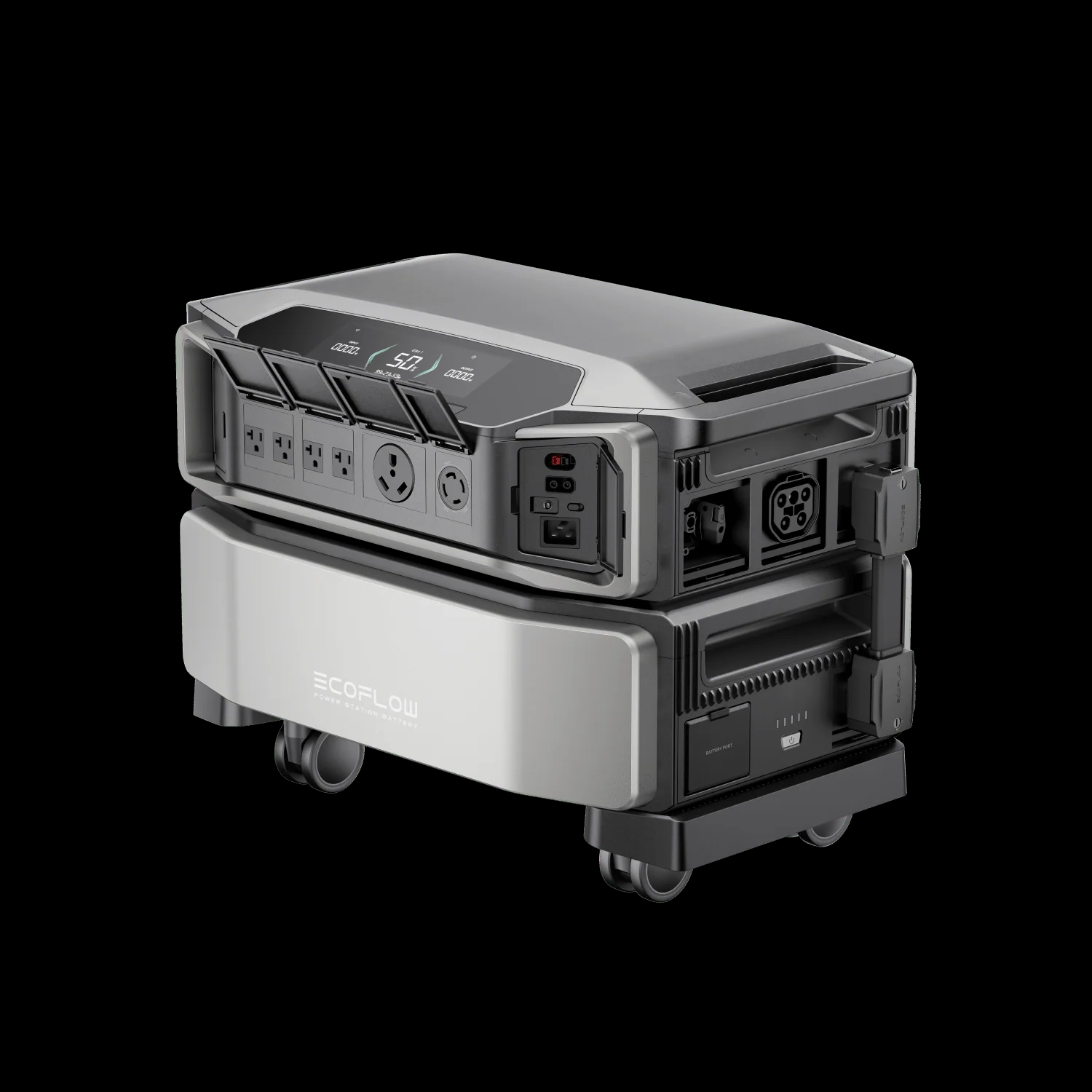
There’s also the changing climate to consider. Hotter summers mean increased use of air conditioning, while colder winters mean more heating. Some people are even turning to backup solutions like the EcoFlow DELTA Pro Ultra Whole-Home Backup Power when the heat or cold gets too great, leading to blackouts.
On top of everything else, inflation has a role to play. As well as increasing costs in general, it also adds to utility bills.
What Uses the Most Electricity in a Home?
It’s important to know where your power goes in your home so you can focus your efforts on reducing it. Here’s a general guide for most Canadian homes:
Heating and cooling often account for over 50% of electricity use.
Water heating can reach 20% of your bill, from showers to laundry.
Appliances like fridges, freezers and dryers can make up another 20%.
Lighting uses much less, and is often as low as 5% of your energy use, due to LED adoption.
Knowing where the energy is going helps you make changes in the right place.
How Can You Reduce Heating and Cooling Costs?
Heating and cooling are where the biggest energy costs lie. Here are seven proven strategies to reduce your electricity bill via heating and cooling in 2026:
1. Upgrade your home’s insulation
Attic insulation has the biggest impact, but basement installation is also a good way to reduce heat loss in your home.
2. Turn down your thermostat
Natural Resources Canada estimates savings of 2% on heating consumption for every degree Celsius you turn it down, especially at night or when you are away.
3. Seal air leaks
Drafts around doors and windows can force your heating or cooling system to work harder, using more energy.
4. Use a smart thermostat
A programmable smart thermostat prevents you from heating or cooling your home when it’s empty. You could save an average of 8% on heating and cooling costs with one of these.
5. Install a heat pump
Heat pumps are efficient in Canadian winters, and they are more affordable now due to federal and provincial rebates.
6. Maintain the HVAC system
Every few months, replace your furnace and AC filters. Clean condenser coils once a year, and arrange for a professional servicing every two years.
7. Install solar panels
Solar panels generate electricity from the sun, helping you to save on your bills. As well as saving money, they can be paired with a whole home generator to keep your home powered during outages.
What Appliances and Habits Waste the Most Energy?
As well as heating and cooling, there are several ways people use energy via habits and appliances.
For example, electric dryers are very energy-intensive. Try to air-dry when you can, and run full loads rather than several smaller ones.
Older fridges and freezers can also use a lot of electricity. If yours is over 15 years old, it can use twice as much electricity as a modern model.
Phantom loads are devices that are switched off but still use power. These can add up to 10% to your electricity bill. Unplug chargers, consoles and entertainment systems to save energy here.
Long, hot showers may be nice, but they use up a lot of energy. Try to cut shower lengths to make savings. You can also use warm or cool water to wash clothes rather than hot water.
Finally, if you are still using incandescent bulbs in your home, switching to LEDs can save a significant amount of energy.
Can Smart Energy Management Lower Electricity Bills?
Yes, it can. This combines storage, monitoring and automation to use less power overall.
In some provinces, time-of-use pricing is common during off-peak hours. For example, in Ontario, there’s a cheap window between 7 PM and 7 AM, and there’s an Ultra-Low Overnight (ULO) plan or even cheaper prices. Run appliances like your dryer and dishwasher at these times to make savings.
Use a home energy monitor to see the consumption level by appliance. This is a useful way to get inspired to change your behaviour.
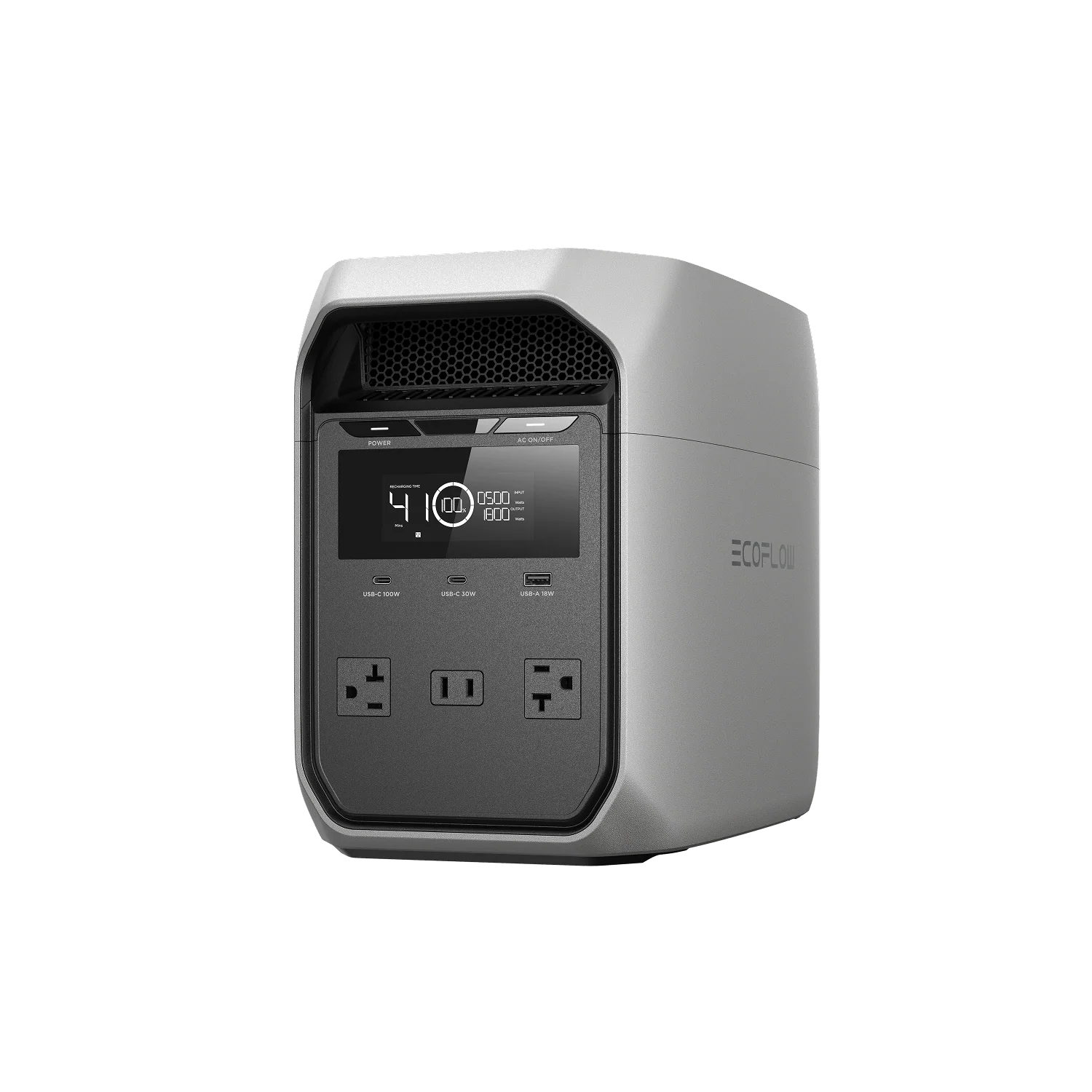
Battery storage is a more serious option now. A portable power station like the EcoFlow DELTA 3 Classic Portable Power Station (1024Wh) can be charged during off-peak hours, or even via a solar panel. You can then use it to run your appliances and save money.
If you’re concerned about storms causing power disruptions, you could even use a whole home generator, which can be used as a backup power source during an outage.
Frequently Asked Questions
Do Smart Thermostats Lower Electricity Bills?
Yes, they can help you to reduce the cost of heating and cooling by an average of 8%. They learn your schedule and help you to avoid heating or cooling an empty home. You can also control them remotely for greater convenience.
Can Solar Panels Reduce Monthly Utility Costs?
Yes, solar panels can help to reduce costs. The savings will depend on your location, the position of your roof and other factors, but they can often offset electricity use and therefore bills significantly.
Smart Energy Habits and Home Upgrades Can Significantly Lower Electricity Costs
If you want to lower your electricity bill in Canada, focus on using less energy, improving your habits and investing in equipment that will pay for itself over the years.
Take simple actions like sealing leaks, installing insulation and replacing old appliances, all of which can add up to serious savings.
Or take it further by exploring EcoFlow's portable power stations combined with solar panels for smart energy storage and to power your devices.