Province-by-Province Solar & Battery Rebates in Canada 2026: What’s Still Available
- Canada’s Solar and Battery Incentive Landscape in 2026
- How Solar, Battery, and Heat Pump Rebates Actually Work
- Province-by-Province Rebates and Incentives to Check in 2026
- How to Stack Rebates and Financing to Lower Your Net Cost
- Frequently Asked Questions
- Build a Lower-Cost, More Resilient Home Energy Plan for 2026
While Canada’s federal solar incentive programs have ended for most homeowners, there are provincial, municipal, and utility-based incentives available in 2026. From BC Hydro’s and Ontario's HRSP rebates to municipal financing options and regional net metering credits, these programs help Canadians lower the cost of solar panels, battery storage, and home energy efficiency.
Canada’s Solar and Battery Incentive Landscape in 2026
With the closing of the Canada Greener Homes Grant to new applicants, the incentive landscape for Canadian homeowners has changed. In 2026, most solar power rebates are handled by provincial and municipal programs.
Province-wide programs like BC Hydro and Ontario’s Home Renovation Savings Program (HRSP) offer up to $10,000 in combined rebates for solar panels and battery storage.
In provinces like Alberta without provincial grants, homeowners utilize municipal property-tax financing like the Clean Energy Improvement Program (CEIP).
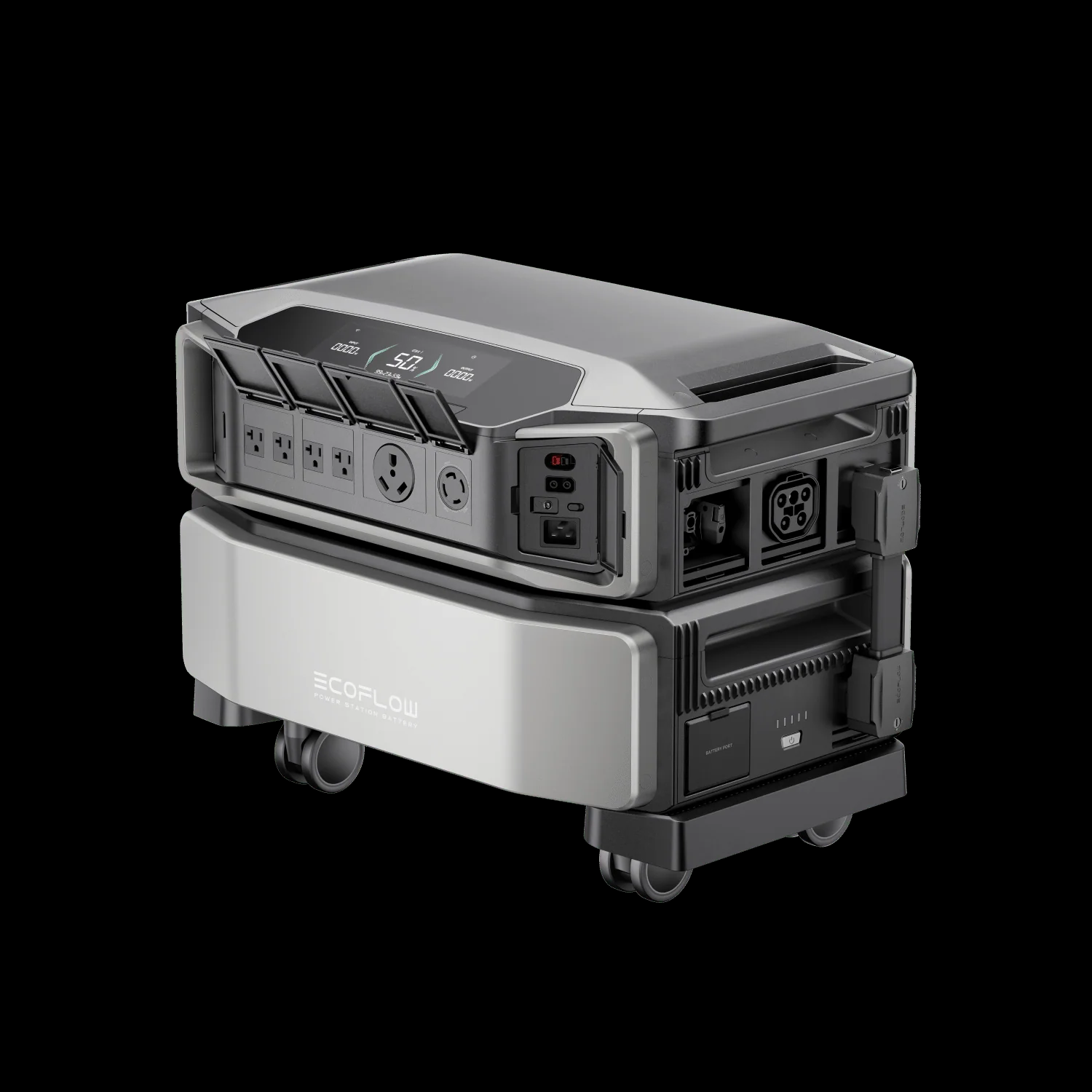
Even without federal funding, stacking these incentives with net metering offers a great return on your investment in battery systems like the EcoFlow DELTA Pro Ultra Whole-Home Backup Power.
How Solar, Battery, and Heat Pump Rebates Actually Work
Many solar and battery rebates are post-installation claims based on system size. These rebates are often capped at $5,000 for solar panels in Canada, while battery-storage systems like EcoFlow whole home generators may get an additional $5,000 in some provinces.
Municipal offerings are generally loan programs that require pre-installation approval, so you’ll need to contact them and apply with your system design and a quote before purchasing anything.
Heat pump incentives may provide upfront discounts or post-installation reimbursement and may be income-based. They’re worth up to $10,000 depending on the province and eligibility.
Province-by-Province Rebates and Incentives to Check in 2026
British Columbia | BC Hydro offers up to $5,000 for solar and up to $5,000 for batteries, but it may lower your net metering rate. There’s also a 7% PST tax exemption on solar equipment. |
Alberta | Alberta has no provincial grants, but municipal programs like the CEIP offer $0-down property tax financing, and some municipal grants are offered. Deregulated retailer incentives and net metering are also available. |
Saskatchewan | There are no provincial grants, but SaskPower’s net metering program is available for residential systems up to 100kW. |
Manitoba | Efficiency Manitoba offers $0.50/W up to $5,000 for residential solar, and Manitoba Hydro offers low-interest loans up to $20,000 and net billing options. |
Ontario | Ontario’s Home Renovation Savings Program (HRSP) offers up to $5,000 for solar ($1,000/kW) and up to $5,000 for batteries, but it generally makes you ineligible for standard net metering. Municipal HELP loans in Toronto also offer financing. |
Quebec | While there are no provincial grants, Hydro-Québec's Solar Bonus may offer up to $3,000, depending on project size and terms, applied to monthly bills for surplus energy exports. |
New Brunswick | NB Power’s rebate is ending May 2026, and their Enhanced Energy Savings Program for heat pumps is still accepting applicants but may experience long wait lists. However, standard net metering is available. |
Nova Scotia | While upfront rebates have closed, Nova Scotia has some of the best 1:1 net metering rates in Canada. PACE financing is also available at the municipal level. |
Prince Edward Island | Efficiency PEI is one of Canada's strongest per-kW incentives, but it’s currently on pause due to high demand. However, major installers are offering rebates, and low-interest loans may be available. |
Newfoundland | The Renewable Energy Rebate is currently closed, but 1:1 monthly net metering rates are available with annual surpluses credited at the wholesale rate. |
Yukon | The Good Energy Rebate offers up to $5,000 for residential solar system installations. |
Northwest Territories | The Arctic Energy Alliance (AEA) grants offer up to $20,000 for residential renewable energy and battery storage for off-grid diesel communities. |
Nunavut | The Home Renovation Program offers grants up to $20,000 and forgivable loans up to $100,000, mostly for home efficiency improvements based on specific qualifications via the Nunavut Housing Corporation. |
How to Stack Rebates and Financing to Lower Your Net Cost
To maximize your savings, combine provincial rebates with municipal low-interest, 0% financing from certain certified installers, or property tax financing.
However, timing is critical. Most programs operate on first-come, first-served budget caps and require specific steps, pre-approval, or other requirements. A certified installer may help you coordinate the applications.
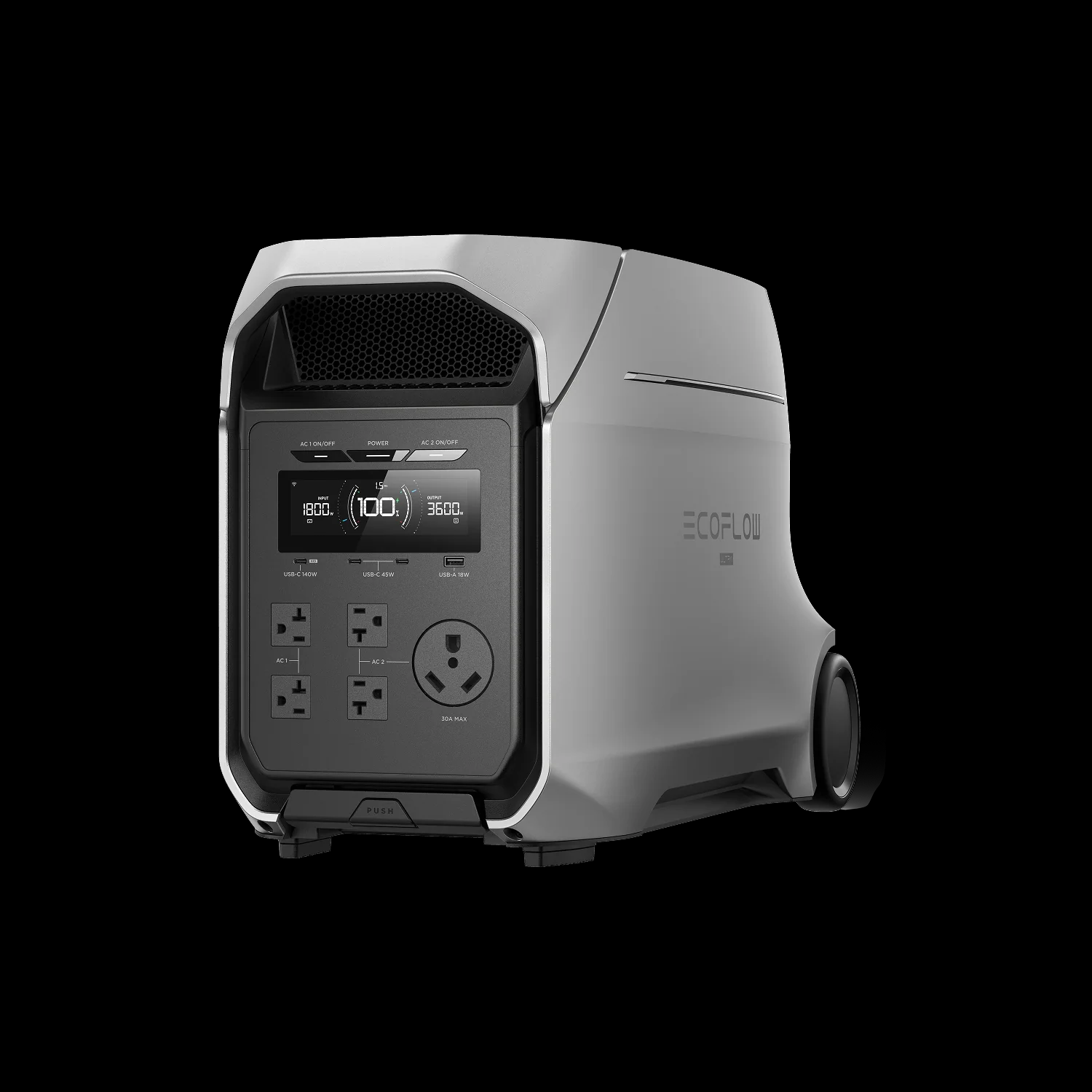
Then, you can stack rebates and purchase your EcoFlow DELTA 3 Ultra Plus Portable Power Station (3072Wh) to further reduce your electrical bills.
Frequently Asked Questions
Are there any federal solar rebates left in Canada for 2026?
Most Canadian federal solar rebates are closed in 2026, but provincial and municipal programs are currently offering multiple incentives. Furthermore, businesses and some affordable housing options can still access certain federal programs.
Which provinces offer solar rebates or battery rebates in 2026?
Provinces with active provincial solar or battery rebates in 2026 include Ontario’s Home Renovation Savings Program, BC Hydro’s solar and battery rebates, and Manitoba's solar rebates and low-interest financing.
What documents do I usually need to apply for solar or battery incentives?
Most incentive programs will want copies of purchase receipts, system specifications, and final electrical permits or inspection reports. Some may require before-and-after installation photos or an EnerGuide home energy audit.
Can I still make solar worthwhile in provinces with no direct rebates?
Even without provincial rebates, utilizing net metering rates and property-tax financing or other 0% financing options can significantly reduce costs. Your system should pay for itself in 8 to 12 years, providing 20+ years of free electricity.
Build a Lower-Cost, More Resilient Home Energy Plan for 2026
Although Canada’s federal solar incentives have closed to new applicants, strong regional rebate and financing opportunities remain available in 2026. Provincial utility rebates, municipal financing tools, and net metering programs are significantly reducing the cost of renewable energy, especially when strategically combined.
Then you can invest in a solar array and battery storage like the EcoFlow DELTA Pro Ultra Whole-Home Backup Power and achieve long-term energy savings and household resilience.