Alberta Solar Incentives 2026: What’s Actually Available After the Federal Programs Closed
- What Changed After Federal Solar Programs Ended in Canada
- Alberta’s 2026 Incentive Stack: What You Can Still Use
- How the Main Alberta Programs Work in Practice
- How to Estimate Cost, Payback, and Cash Flow in Alberta
- Planning Your Solar and Backup Setup for Alberta Homes
- Frequently Asked Questions
- Make Your Solar Decision With Clear Numbers, Not Old Rebate Headlines
With federal solar programs closing, many Albertans may be worried that the days of getting rebates and other incentives when installing solar panels and systems are over. However, that’s not the case, as Albertans still have ways to save on the solar systems they install at home.
This guide takes a closer look at the Alberta solar incentives still available in 2026, how they work, and much more.
What Changed After Federal Solar Programs Ended in Canada
With the end of many federal solar incentives in Canada, the industry went through a major change. The landscape shifted and forced homeowners to evaluate options in their province and read up on net metering, as opposed to simply relying on the simple and straightforward federal programs.
As a result, most customers today rely on provincial rebates, net metering credits, financing, and similar programs to help make solar more financially viable.
While not all federal programs are done, the government moved away from a broad and far-reaching program to one aimed at lower and mid-income households. Also, the federal government is prioritizing the commercial sector, with the Clean Technology Investment Tax Credit, which gives companies a 30% tax credit on eligible investments in clean-energy tech.
Alberta’s 2026 Incentive Stack: What You Can Still Use
Despite federal residential programs ending for many Albertan households, there are still a variety of Alberta solar incentives you can take advantage of.
This includes province-wide net metering under the Micro-Generation Regulation, Clean Energy Improvement Program (CEIP) financing, and Solar Clubs. Because there’s no province-wide cash rebate for solar in Alberta, many towns and cities have taken things into their own hands and designed cash rebates and other programs to make solar more accessible.
Also, in addition to just using a single program or benefit, you’re often able to stack these incentives with one another to maximise how much you save when buying and installing solar solutions.
How the Main Alberta Programs Work in Practice
The Alberta programs are more straightforward than they may appear. Here's how each one works.
Rebates
Rebate programs, such as the ones offered in different municipalities like Canmore and Banff, simply give you a direct lump sum payment, which is either a flat amount or based on the size/capacity of your installed system.
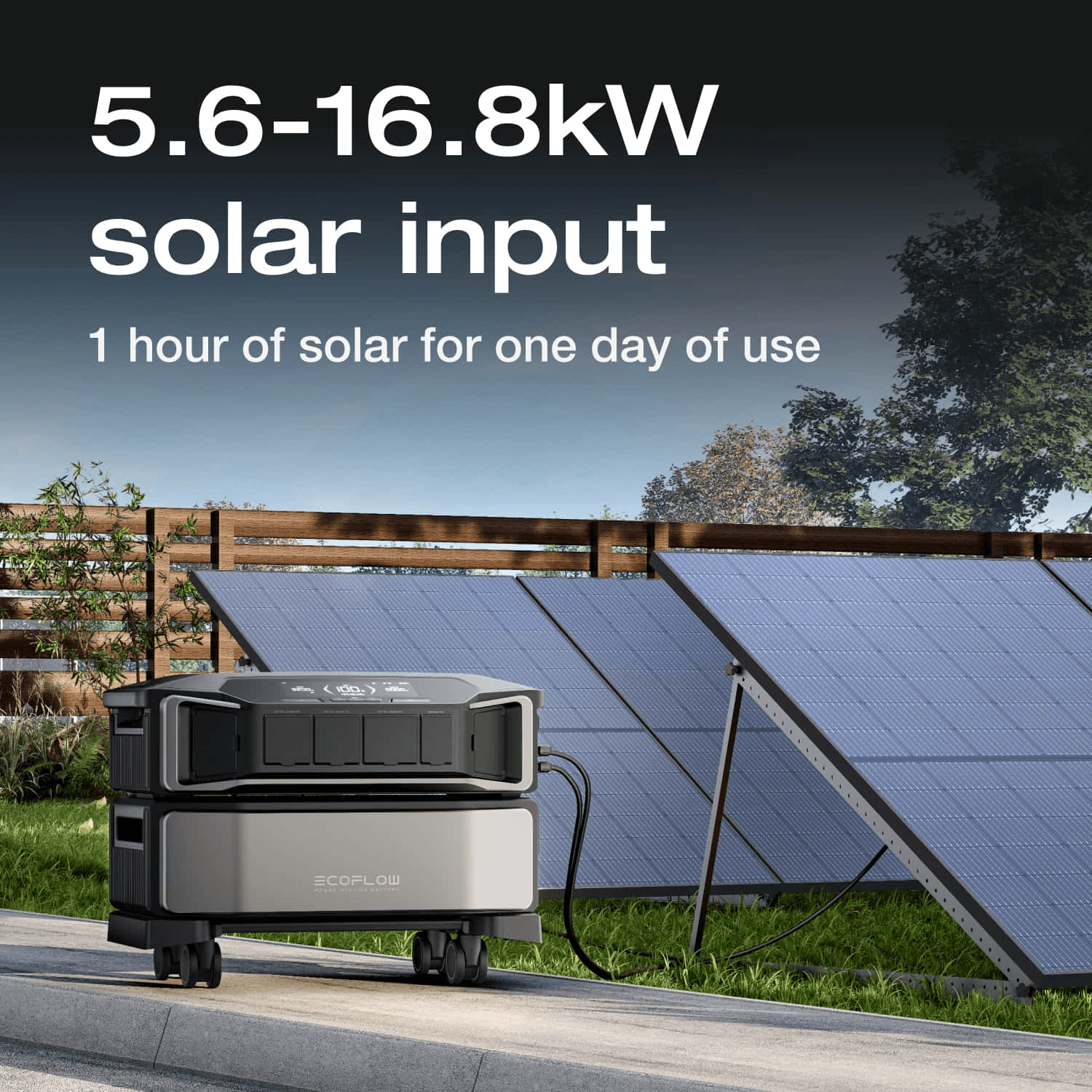
If you're pairing your solar installation with a home battery backup, a municipal rebate can meaningfully offset the upfront cost. The EcoFlow DELTA Pro Ultra, for example, is a whole-home backup solution that integrates with solar panels. Putting rebate funds toward a system like this is a practical way to get more out of the incentive.
Financing
Financing programs, like the CEIP, offer flexible and low-cost funding to help you pay for your solar without high upfront costs. Terms vary depending on the financing program, but for CEIP, it lets residents finance up to 100% of the cost of eligible systems through their property tax.
Net metering
Net metering programs, such as the one offered under Alberta's Micro-Generation Regulation, let customers sell excess electricity that they generate back to the grid to get grid credits that help reduce future bills. The exact rate you get depends on the utility provider you work with.
Solar Clubs
Solar Clubs are an extension of net metering, which permits certain customers to join a program (if their retailer offers it) that provides seasonal rate switching. This lets solar customers alternate from low rates during the winter when buying electricity, to high rates in the summer when generating excess electricity and selling it back to the grid, to maximise financial benefits.
How to Estimate Cost, Payback, and Cash Flow in Alberta
Before making a solar decision, it’s a good idea to estimate things like the cost, payback period, and cash flow/annual savings of the system to ensure it makes financial sense.
The cost of a solar system in Alberta varies depending on size. For example, large whole home backup power solutions are often more expensive than small portable power systems due to their higher capacity.
In general, these systems cost around $2.50 to $3 per watt. As a result, the cost of a 6kW system is estimated between $15,000 and $18,000. When estimating costs, make sure to account for any rebates or other incentives you have access to that may reduce the cost.
Once you have an idea of the costs, make sure to find out how much your system is saving and earning you each month. This involves learning about your export rates, finding out how much energy you’re generating, and how much less grid power you’re using as a result of the solar system.
Finally, to learn your payback period, you need to divide the net system cost by your annual financial benefit. For example, if your system costs $13,000 after incentives and rebates, and it saves you $1,500 annually on your bills, your payback period is just under nine years. Normally, payback periods in Alberta range from around six to 12 years.
Planning Your Solar and Backup Setup for Alberta Homes
If you’re considering adding a solar system to your home in Alberta, it’s important to have a plan. First, always make sure you get the proper size for your needs. The larger your home and the more systems, appliances, and electronics you need to power, the higher the capacity of your system should be.
Ultimately, your goal should be to get a system that can get as close to completely offsetting your annual electricity usage. While grid-tied systems are certainly useful, consider outfitting your system with a battery backup, as well. This gives you protection for outages, as many grid-tied systems may power down during outages for safety.
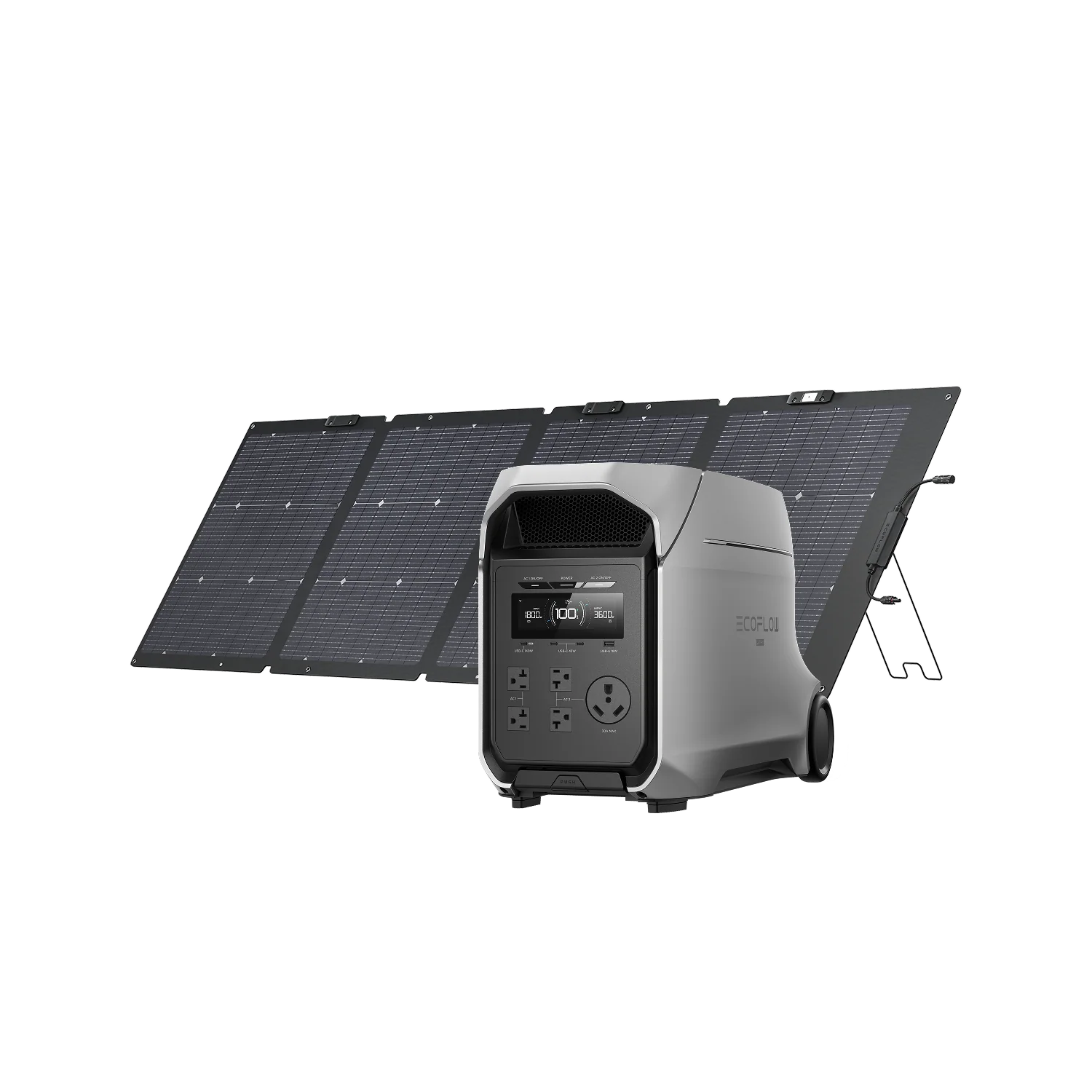
For a flexible starting point, a portable solar generator like the EcoFlow DELTA 3 Ultra Plus + 400W Solar Panel lets you add solar and battery backup without committing to a full rooftop installation. It's a practical option if you want to reduce grid dependence now while you plan a larger system, and it can continue to serve as backup storage once your permanent setup is in place.
Also, keep the future in mind. If you think your electricity needs may change or expand over time, ensure you install a system that’s able to expand to continue to meet your needs in the future.
Finally, be aware that the various solar power incentives and tax breaks in Alberta, and throughout the country, may have different qualification and eligibility rules, so make sure to be aware of the requirements in your area to ensure you fulfil them to be able to enjoy incentives to reduce the cost of your system.
Frequently Asked Questions
Are There Any Federal Solar Rebates Left for Alberta Homeowners in 2026?
No, federal residential solar rebates have ended for Albertans and other Canadians. The Canada Greener Homes Grant closed to new applicants in 2024, and the federal government has since shifted focus toward lower- and mid-income households and the commercial sector. For most Alberta homeowners, provincial and municipal programs are now the primary options for offsetting solar costs.
Does Alberta Have a Provincial Solar Rebate or Tax Credit in 2026?
No, Alberta doesn't have a province-wide solar rebate or tax credit for residential properties. However, there are still plenty of meaningful ways to reduce costs. Many municipalities offer their own cash rebate programs, and province-wide options like net metering and CEIP financing can further improve the financial case for going solar.
Can I Combine CEIP Financing With a Municipal Rebate and Solar Club?
Yes, you can generally combine these incentives, since each falls under a different category: financing, a direct rebate, and a pricing structure. In practice, you'd apply for CEIP financing to cover upfront installation costs, claim any available municipal rebate, and then enrol in Solar Club through your retailer to maximise earnings on excess electricity in summer months.
If I Sell My Home, What Happens to a CEIP-financed Solar Project?
Because CEIP financing is tied to the property rather than the homeowner, you have two options when selling: pay off the remaining balance before closing, or transfer the obligation to the buyer as part of the sale agreement. Many buyers view an existing solar system positively, so it's worth discussing the transfer option with your real estate agent early in the process.
Make Your Solar Decision With Clear Numbers, Not Old Rebate Headlines
Despite federal programs ending recently, Albertans interested in solar still have plenty of incentives to take advantage of, depending on where they live, such as rebates, financing programs, and net metering benefits.
To make the right decisions for your needs and budget, and to ensure the purchase and installation make sense financially, make sure to run the numbers and have a good plan in place.
If you’re looking for solar panels and portable solar power, such as the EcoFlow DELTA 3 Ultra Plus + 400W Solar Panel, or want to learn more about a variety of other solar solutions, explore the EcoFlow solar generator range to find the right setup for your home.