A Guide to Picnic Areas in Canada
- What Makes a Good Picnic Area in Canada?
- How Can You Find a Picnic Area Near Me?
- What Should You Check Before Visiting a Picnic Area Close to Me?
- Which Picnic Area Fits Your Plan Best?
- What Picnic Area Rules Matter Most in Canada?
- What Should You Pack for a Picnic Area Without Outlets?
- How Can You Keep a Picnic Area Clean and Wildlife-Safe?
- What Are Some Picnic Area Ideas Across Canada?
- Choose the Right Picnic Area and Pack With Confidence
- FAQs
A good picnic area can turn a simple meal into a full day outside. In Canada, the right spot is not just about grass and a table. Parking, washrooms, shade, rules, pets, weather, and food storage all matter. If you often search “picnic area near me,” a little planning can help you find a better place before the cooler is packed.
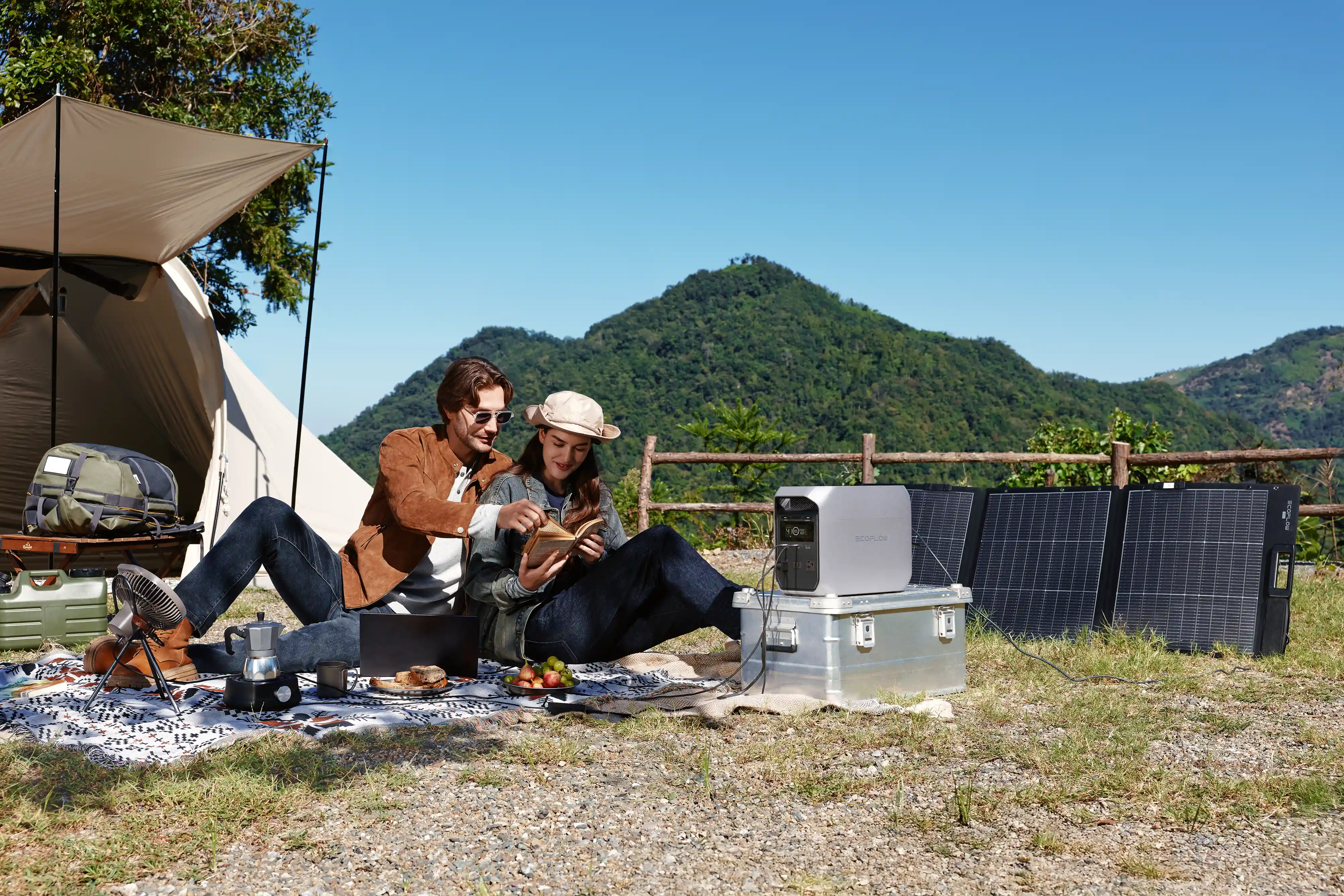
What Makes a Good Picnic Area in Canada?
A good picnic area should fit the people, food, weather, and activities you have planned. A quiet lunch for two and a family day with kids need different spaces.
Start with comfort and access. A nice view helps, but basic facilities often decide how smooth the day feels. Look for picnic tables, shade, washrooms, parking, and clear signs. In many Canadian parks, a day-use area means a place for daytime visits, not overnight camping.
A strong picnic area may include:
Picnic tables or open grass for blankets
Washrooms or outhouses
Shade from trees, shelters, or covered areas
Parking within a short walk
Garbage or recycling bins
Safe access to a lake, beach, trail, or open field
Space for kids, pets, or outdoor games
Accessible paths for strollers or mobility needs
For families, washrooms and shade may matter more than scenery. For a quiet date, a lakeside, garden, or riverfront picnic area may feel better. For a larger group, check whether you need to reserve a picnic shelter before you go.
The best picnic areas in Canada are not always the most famous ones. They are the places that match your group, your timing, and your comfort needs.
How Can You Find a Picnic Area Near Me?
Searching “picnic area near me” is a useful first step, but maps should not be the only source. Photos can be old. Reviews may not mention seasonal closures. Washrooms, parking, and beach access can change.
Use map results to build a short list, then confirm the details on official pages. City park websites, provincial park pages, conservation area sites, and Parks Canada pages are usually more reliable for rules and facilities.
When looking for a picnic area close to me, check:
Park hours
Parking fees or day-use fees
Washroom availability
Picnic shelter reservations
Barbecue or fire rules
Pet rules
Beach or water conditions
Seasonal closures
Construction notices
Weather, smoke, or fire ban alerts
A picnic area that looks perfect online may not work if parking fills early or washrooms are closed for the season. On warm weekends and holidays, popular spots can get crowded fast.
For a smoother day, choose two options before leaving home. Pick your first-choice picnic area and a backup nearby. That small step can save time if the parking lot is full.
What Should You Check Before Visiting a Picnic Area Close to Me?
A picnic area close to me may still have rules that affect your plan. Canada has city parks, provincial parks, national parks, conservation areas, regional parks, and private recreation spaces. Each one can handle fees, fires, pets, alcohol, and reservations differently.
Before you pack the car, check the official page for the location. Look for rules that affect food, cooking, parking, and group size.
Key details include:
Day-use fees or parking permits
Opening and closing times
Picnic table or shelter reservations
Fire, barbecue, or stove rules
Alcohol and cannabis rules
Dog leash rules
Garbage and recycling rules
Swimming or boating notices
Wildlife warnings
Weather and smoke conditions
A fire ban is a temporary rule that limits or stops fires because of wildfire risk. It may affect campfires, charcoal grills, or other heat sources. Rules can change quickly in dry weather, so check local park notices and Parks Canada fire safety information close to your visit. If your picnic plan depends on cooking, confirm the rules first. Some areas allow barbecues only in certain zones. Others may not allow open flames at all.
Which Picnic Area Fits Your Plan Best?
Different picnic plans need different spaces. A quick lunch stop, a family picnic, and a group gathering should not be planned the same way.
Use this table to match the picnic area with the kind of day you want.
Picnic Plan | Best Picnic Area Type | What to Check First |
|---|---|---|
Family lunch | City park or beach picnic area | Washrooms, playground, shade |
Quiet date | Lakeside, garden, or riverfront area | Crowds, seating, parking |
Group gathering | Reservable picnic shelter | Permit, table capacity, rules |
Road trip stop | Day-use area near a highway or lake | Parking, toilets, food storage |
Light hiking picnic | Trailhead picnic area | Trail distance, water, wildlife rules |
The best picnic area is the one that fits the real plan. If your group includes kids, older adults, pets, or a lot of food, choose comfort and access before scenery.
What Picnic Area Rules Matter Most in Canada?
Picnic area rules help protect visitors, parks, and wildlife. They can also help you avoid fines, stress, or a ruined afternoon.
Some terms are useful before you go. Wildlife attractants are food, garbage, scented items, pet food, or dirty dishes that can draw animals. Pack it in, pack it out means you take your waste home if bins are full or not available.
Common picnic area rules may cover:
Barbecues, camp stoves, and open flames
Where food can be prepared or stored
Garbage and recycling
Dogs and leash areas
Music and speakers
Large groups or event permits
Tents, decorations, and shade shelters
Swimming areas and beach safety
Overnight parking
Food should not be left unattended in wildlife areas. Keep coolers closed, store scented items safely, and clean tables before leaving. Even small food scraps can attract animals.
Music is another common issue. A small speaker may be fine in some city parks, but other places may restrict amplified sound. Keep volume low and respect nearby visitors.
What Should You Pack for a Picnic Area Without Outlets?
Many public picnic areas are built for tables, trails, parking, and washrooms. They are not built around plug-in power. Even when outlets exist, they may not be available for public use.
For a longer picnic day, small devices can matter more than expected once you are away from home. Phones, GPS units, headlamps, cameras, radios, and small camp gear all need reliable charging, especially during road trips, lakeside stops, cottage days, or group picnics.
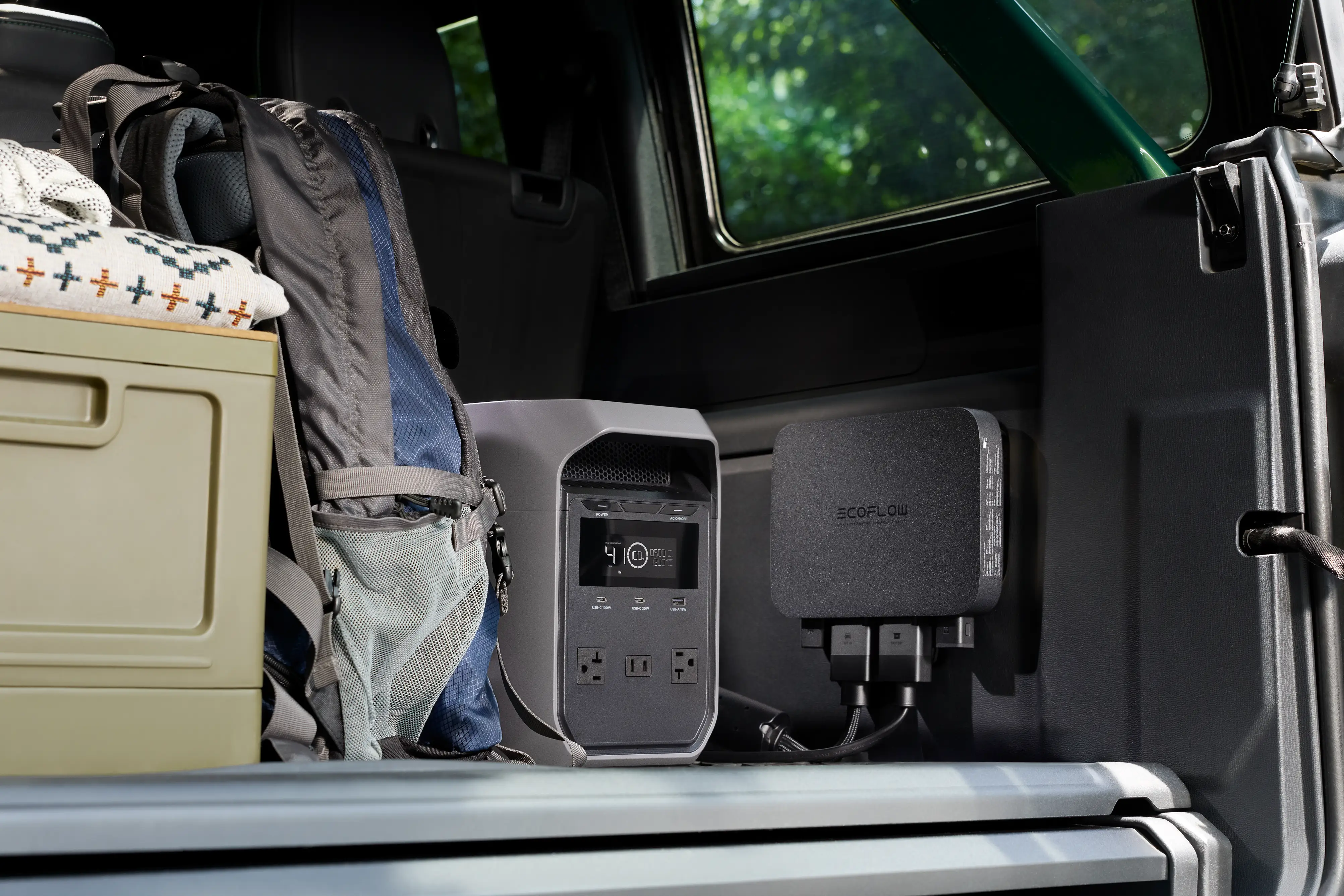
The EcoFlow DELTA 3 Classic Portable Power Station can fit naturally into this kind of picnic area setup. With a 1024Wh capacity and 1800W pure sine wave output, it can help keep essential electronics, lighting, communication gear, cameras, and small picnic devices powered within rated limits. It is a practical addition for families and road trips when the day depends on navigation, weather checks, photos, and staying connected.
Other useful picnic items include:
Reusable water bottles
Cooler with ice packs
Picnic blanket
Wipes or hand sanitizer
Garbage bags
Sunscreen
Bug spray
Extra layers
First aid kit
Portable light for evening cleanup
Always follow local park rules before using powered cooking, heating, or speaker equipment. A good setup should make the picnic easier without bothering other visitors or breaking park rules.
{
产品标题:EcoFlow DELTA 3 Classic Portable Power Station (1024Wh)
产品描述:Get reliable backup with 1800W output, 10ms auto-switch, and 30dB low noise. Fast 45-min charge, durable LFP cells, app smart control, and 5-year warranty.
产品链接:https://ca.ecoflow.com/products/delta-3-classic-portable-power-station
}
How Can You Keep a Picnic Area Clean and Wildlife-Safe?
Clean picnic habits matter across Canada, especially near forests, lakes, mountains, beaches, and national parks. Food scraps can attract wildlife and create problems for future visitors.
Do not feed animals, even birds or squirrels. Human food can make wildlife sick and can teach animals to return to busy picnic areas. That creates risk for people, pets, and the animals themselves.
Keep food packed when you are not eating. Close coolers. Store scented items properly, especially in national parks and wildlife areas. Parks Canada’s wildlife food storage rules explain why food, garbage, coolers, dirty dishes, and scented items should not be left unattended. Before leaving, do a quick cleanup:
Pick up food scraps under the table
Check bottle caps, wrappers, and fruit peels
Wipe down the table if needed
Look under blankets and chairs
Put waste in the right bin
Take extra garbage home
A clean picnic area is safer, nicer, and easier for everyone to enjoy.
What Are Some Picnic Area Ideas Across Canada?
Canada has many picnic area options, so the best choice depends on where you live and how far you want to drive. You do not need a famous park for a good picnic. A close, clean, easy-to-reach spot can be better than a crowded destination.
In Ontario, lakeside parks, conservation areas, cottage-country day-use spots, and urban waterfronts can work well. Around Toronto and Ottawa, city parks and conservation areas are often easier for quick weekend plans.
In British Columbia and Alberta, mountain day-use areas, lakes, rivers, and scenic pullouts can offer beautiful views. These areas may also have stricter wildlife and fire rules, so check before packing food or cooking gear.
In Quebec, picnic areas near rivers, city parks, and regional parks can be great for relaxed outdoor meals. In Atlantic Canada, beaches, coastal lookouts, and seaside parks are popular choices, especially when wind and tide conditions are comfortable.
A better picnic area may be 15 minutes farther away but offer cleaner washrooms, easier parking, more shade, and fewer crowds.
Choose the Right Picnic Area and Pack With Confidence
A great picnic area is easy to reach, comfortable to use, and simple to clean up. Before your next picnic in Canada, check parking, washrooms, shade, rules, weather, food storage, and power needs. Pack for the people coming, not just the meal. With the right location and a practical setup, your picnic can feel relaxed from the first stop to the final cleanup.
FAQs
Q1. How Do I Choose the Best Picnic Area in Canada?
Choose a picnic area based on access, comfort, rules, and group needs. A good spot should have suitable parking, washrooms, shade, seating, and enough space. For longer visits, also check weather, food storage rules, and reservation requirements.
Q2. Are Picnic Areas in Canada Usually Free?
Some picnic areas are free, while others require parking fees, day-use fees, or reservations. City parks are often free, but provincial parks, national parks, and conservation areas may charge. Check the official park page before leaving.
Q3. Can I Bring Pets to a Picnic Area?
Many picnic areas allow pets, but rules vary by park and season. Dogs may need to stay on a leash, and some beaches, shelters, or wildlife zones may restrict pets. Bring water, waste bags, and a shaded rest spot for your pet.
Q4. What Time Should I Arrive at a Picnic Area Near Me?
For popular picnic areas, morning is usually better, especially on weekends and holidays. Parking lots, picnic tables, and shaded spots can fill quickly. If your plan depends on a shelter, beach space, or barbecue area, arrive early or reserve ahead when possible.
Disclaimer: This article is for informational purposes only and does not constitute professional travel, park safety, wildlife safety, fire safety, outdoor recreation, or emergency advice. Picnic area rules in Canada can change by province, city, park type, season, weather, wildfire risk, wildlife activity, and local management policy. Always follow official park notices, posted signs, local fire restrictions, food storage rules, pet rules, reservation requirements, and emergency guidance before visiting a picnic area. For official information and article references, please refer to Parks Canada Fire and Wildfire Information, Parks Canada Wildlife Food Storage Rules, Parks Canada Banff Picnic Areas.