The Ultimate Canadian Road Trip: Power for the Long Haul
- What Makes the Trans-Canada Highway the Ultimate Road Trip?
- What Are the Best Scenic Detours Along the Way?
- What Power Challenges Do You Face on a Cross-Canada Road Trip?
- What Devices Do You Need to Keep Powered on the Road?
- How Do Portable Power Stations Keep You Powered Between Stops?
- Frequently Asked Questions
- Reliable Power Keeps Your Cross-Canada Road Trip Running Coast to Coast
A cross-Canada road trip is equal parts big adventure and logistics puzzle. Picking your stops carefully is a big part of any road trip, but you also need enough power on board to keep your devices and appliances running when you need them. Here’s how to plan a memorable Trans-Canada Highway trip while keeping your phones, coolers, laptops, and camp gear charged from coast to coast.
What Makes the Trans-Canada Highway the Ultimate Road Trip?
The Trans-Canada Highway isn't just a route between two points; treating it as a journey is what makes it memorable. Stretching from the Pacific to the Atlantic, it connects all 10 provinces as one of the longest national highway systems in the world, taking you through:
Rocky Mountain peaks
Endless prairie
Thousands of lakes and forests
Rugged Atlantic coastlines
Big cities and charming small towns
One day you could be hiking in the mountains. A few days later, you're watching the sunrise over Lake Superior or grabbing fresh lobster rolls in the Maritimes.
Summer is the most popular time to go, especially for families. Some plan their drive around the Canada Day long weekend.
What Are the Best Scenic Detours Along the Way?
The Trans-Canada Highway is incredible on its own, but some of Canada's most memorable places are just a short detour away. If you've got a little flexibility in your schedule, these side trips are well worth the extra kilometres.
Icefields Parkway (Alberta): This stretch between Banff and Jasper winds through the Canadian Rockies, with turquoise lakes, glaciers, and wildlife around nearly every bend.
Cabot Trail (Nova Scotia): This coastal loop through Cape Breton Highlands National Park delivers dramatic ocean views and charming fishing villages, and it's especially colourful in autumn.
Gros Morne National Park (Newfoundland and Labrador): A short detour off the highway leads to fjords, dramatic cliffs, and hiking trails on Canada's East Coast.
Glacier National Park and Rogers Pass (British Columbia): This stretch through southeastern B.C. winds through lush forests and historic Rogers Pass, home to some of the country's most dramatic mountain scenery.
What Power Challenges Do You Face on a Cross-Canada Road Trip?
You don’t want your phone to be at 3% if you rely on it for GPS. When you’re driving for days or weeks at a time, keeping your gear charged helps with everything from navigation and safety to snapping family photos.
Still, it isn’t easy to stay charged up during a cross-Canada road trip. You need to plan for challenges like:
Long stretches between stops: Some routes have plenty of towns and service stations. Others are much quieter, especially in Northern Ontario, the Prairies, and mountain passes.
Multiple devices charging at once: Phones, tablets, cameras, laptops, GPS units, portable fridges, lanterns, fans, and campsite gear will drain small power banks.
Unreliable campsite power: Not every campground has serviced sites, and even powered sites may be limited.
Weather-dependent travel: Heat waves, cold snaps, rain, and wind can all change what you need to power, from fans and heated blankets to emergency lights.
Vehicle battery limits: Your car is great for charging on the go, but it’s not meant to be your sole off-grid power source once you’re parked for the night.
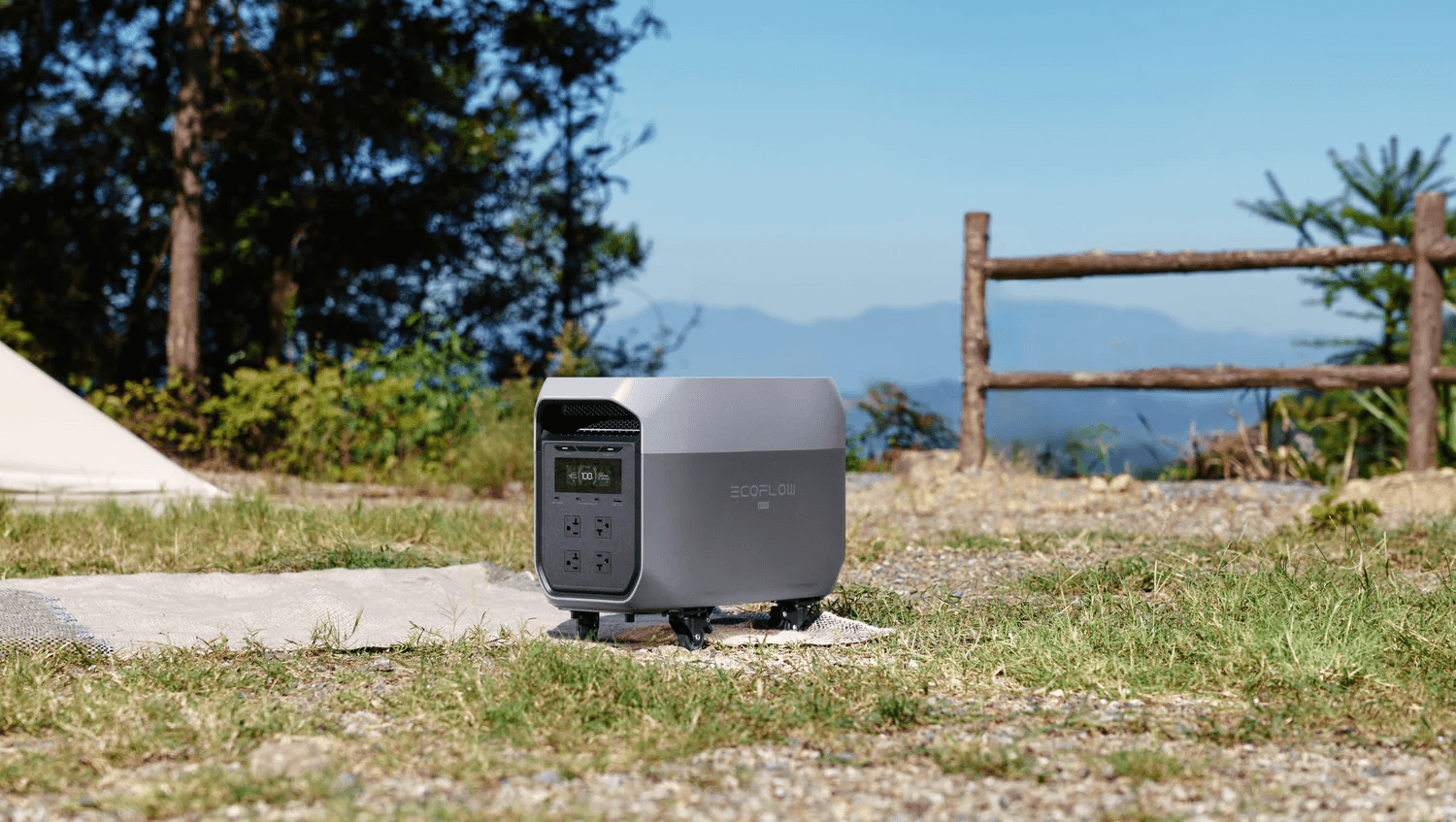
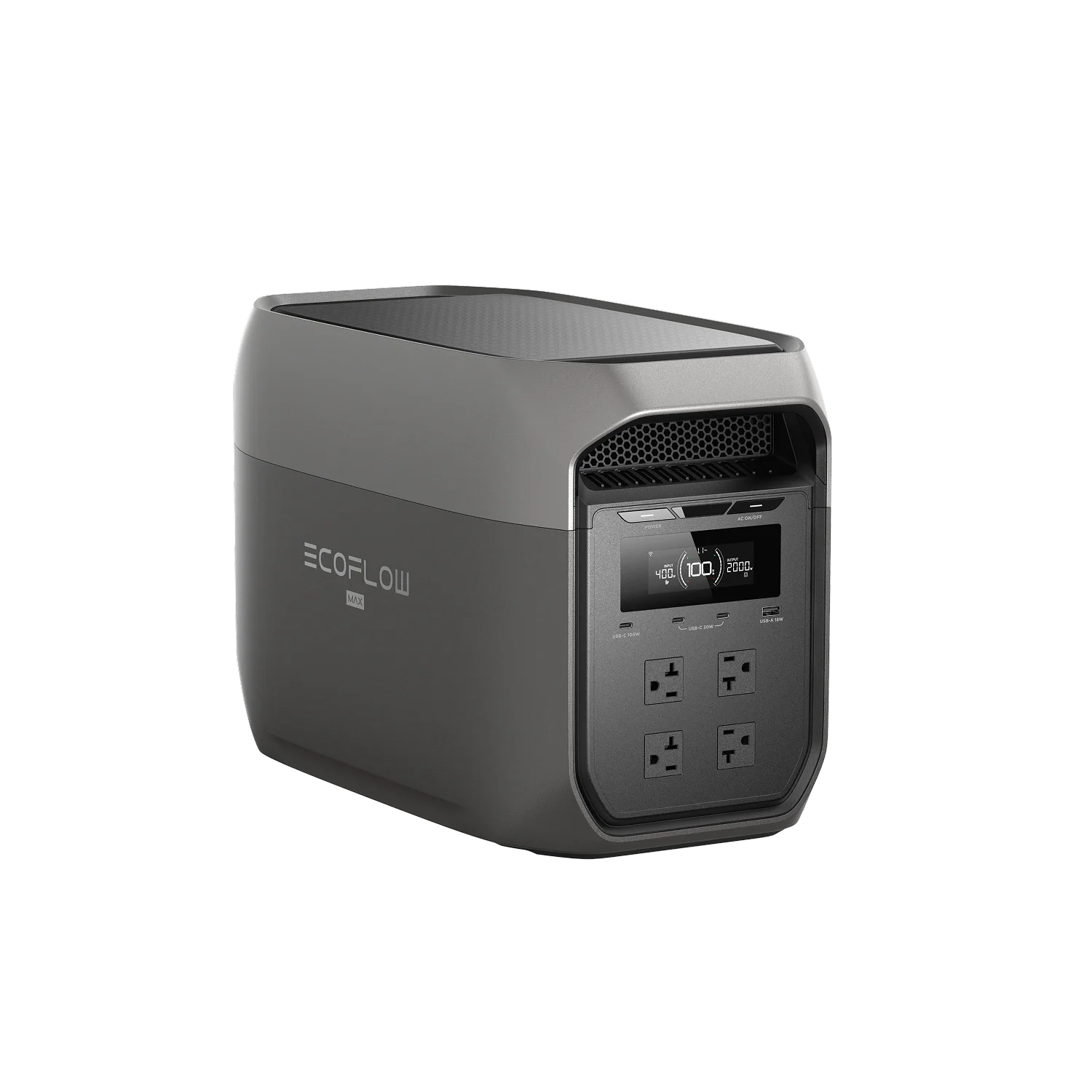
You can’t leave power to chance on a long road trip. The EcoFlow DELTA 3 Max (2048 Wh) has enough capacity for longer road trips, camping stops, remote work days, and multi-device charging.
You can keep essentials running without constantly hunting for outlets or rearranging your plans around the nearest charging station. It’s the second-best thing to having a whole-home generator with you at all times.
What Devices Do You Need to Keep Powered on the Road?
Keeping the right devices powered up will make your long weekend adventure go much more smoothly.
Phones, Navigation, and Chargers
Your phone is your map, camera, weather checker, and campground booking tool, so it will need charging first. GPS units, power banks, camera batteries, and emergency radios or satellite phones round out the list.
Even with vehicle charging, it’s smart to have backup power for stops, hikes, ferry rides, and campground nights when the car is off.
Coolers and Food Storage
If you’re travelling with groceries or drinks, food storage matters. A portable fridge or electric cooler can help keep produce, sandwiches, drinks, and other perishables cold between towns and campsites. These appliances draw a lot of power though, so you may need portable solar for your cross-Canada road trip.
Laptops and Entertainment
For some travellers, fully unplugging is the goal. For others, it’s answering emails from a picnic table with a mountain view. Either way, you’ll likely need power for laptops, Wi-Fi hotspots, e-readers, portable speakers, kids’ tablets or game consoles, and camera or drone chargers.
Camp Gear at Overnight Stops
You need more than just power for the car. You also need enough energy on hand to set up camp. Everyone has different comfort levels, but camping essentials like LED lanterns, string lights, headlamps, fans, heated blankets, air pumps, and small cooking appliances all draw from the same power supply.
How Do Portable Power Stations Keep You Powered Between Stops?
Whether you're stopping for the night at a lakeside campground, working from a picnic table, or pulling over to enjoy an incredible view, a portable power station keeps your essentials running. You can focus on having fun without looking for the next café, campground hookup, or visitor centre.
Unlike your vehicle's battery, a portable power station is designed to run your devices long after you've turned off the engine. That means you can recharge phones, tablets, and laptops, keep a fridge or cooler running, power cameras and drones, light up your campsite, and run small cooking appliances, all without draining your car.
But for a cross-country trip, capacity matters. The EcoFlow DELTA 3 Max (2048 Wh) has enough energy to run multiple devices at once. It also recharges quickly, so you can spend more time exploring and less time waiting around.
Frequently Asked Questions
How Long Does It Take to Drive Across Canada?
It depends. Technically, you can cover huge distances with long driving days, but it’s better to make stops in between. If you’re constantly on the move, you can comfortably make the trip in two weeks. But if you have kids or want to travel more slowly, plan for it to take three to four weeks.
What Is the Best Time of Year for a Cross-Canada Road Trip?
Late spring through early autumn is usually the best time for a cross-Canada road trip. June through September are the most popular because the weather is warm, campgrounds are open, and scenic routes are more accessible. Still, everyone usually has the same idea, so travelling during peak times could mean more traffic and crowds.
Reliable Power Keeps Your Cross-Canada Road Trip Running Coast to Coast
The cross-Canada road trip is about freedom. Take your time so you can stay a little longer, enjoy the sights, and say yes to more. But the further you travel, the more important it is to have reliable power.
If you’re planning a big adventure, include portable power in your packing list from the start. The EcoFlow DELTA 3 Max (2048 Wh) has enough capacity for cross-country travel, camping, remote work, and all the little comforts that make life on the road easier.