How to Plan a Family Reunion: Food, Fun, and Outdoor Tips
Family reunions tend to begin with an easy sentence: “We should get everyone together this summer.” Then the questions arrive. Which side of the family is invited? Who can travel? Is this a potluck, a weekend away, or an afternoon at the park? Even a relaxed gathering has quite a few moving parts.
Learning how to plan for a family reunion is less about building a packed schedule and more about settling the awkward details early. Once the date, budget, food, and responsibilities are clear, the day itself can still feel casual.
Step 1: Set the Basics for Your Family Reunion
When figuring out how to plan for a family reunion, start with the basics: your approximate guest count, available budget, and the relatives who can help. Those answers shape almost every later choice.
Decide Who Is Coming and Who Will Help Plan
Begin with households rather than an exact headcount. A reunion for 25 nearby relatives is one kind of event; 70 people arriving with children, mobility needs and overnight bags is another.
Next, find two or three dependable helpers. Give each person a real area to own, such as food, invitations, activities or site setup. “Everyone will pitch in” sounds generous, but it often means nobody knows who ordered the ice or collected the park key.
Choose the Date and Set a Budget
Offer a few realistic dates. Consider school calendars, long-weekend traffic, cottage plans, and the drive or flight faced by relatives coming from another province. A short poll is useful; an endless family group chat is not. Set a response date and choose the option that works for the largest practical group.
Build the first budget around the large costs: venue, food, rentals, accommodation support and paid activities. If relatives are contributing, explain the arrangement early. Per household can be simple, while per adult may feel fairer when family sizes vary. Keep a small cushion for final-week expenses.
Use a Family Reunion Planning Template
A shared planning template makes it easier to keep everyone working from the same information. It can be a spreadsheet or a plain document. Keep the date, venue, guest list, budget, RSVP deadline, menu, schedule, contacts, and assigned jobs together.
For a larger event, add travel plans, accessibility requests, borrowed equipment and cleanup duties. Keep personal medical or dietary information in a limited-access section rather than a document circulated to the whole family.
Step 2: Choose the Location and Confirm Guest Details
The venue should work for the people attending, not just look good in photographs. Consider arrival, meals, washroom access, and shelter.
Choose a Location That Fits Your Group
A backyard can be ideal when the host has enough parking and indoor washroom access. Larger groups may be more comfortable at a municipal park, campground, provincial park, community hall, or reservable pavilion. If you are considering a public park or day-use site, choosing the right picnic area in Canada comes down to practical details such as washrooms, parking, shade, group rules, and available facilities.
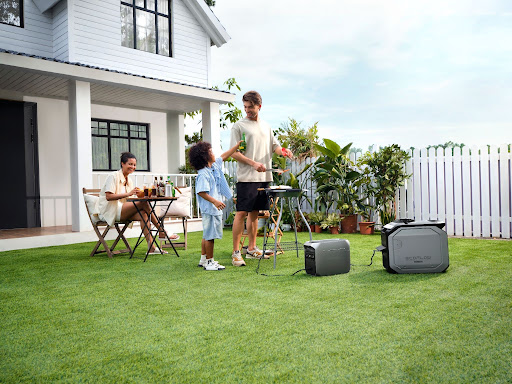
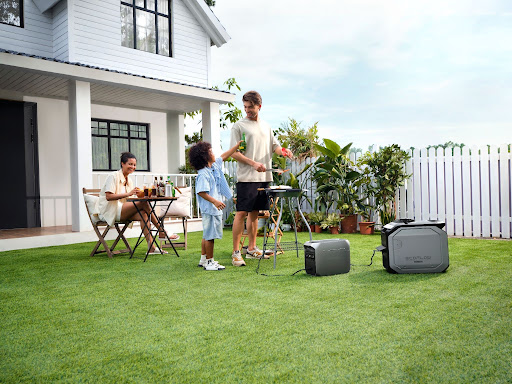
Walk through the day from a guest's point of view. Is the path manageable for a grandparent with a cane or a parent pushing a stroller? Is there shade near the seating? Are washrooms close enough, and can food be unloaded without carrying it across a field? If the reunion will rely on refrigeration, music, lighting, or device charging, check whether usable outlets are available; a power station can be useful at sites without convenient access to electricity. Also confirm local rules for barbecues, tents, alcohol, pets, fires, and amplified sound.
Send Invitations and Track RSVPs
Put the date, start and finish time, address, RSVP deadline and host contact where they are easy to find. Add only what people need, such as what to bring, where to park or whether the event continues in rain. Call relatives who do not use online invitations.
One person should own the guest list. Record adults and children separately, note who is tentative, and follow up with non-responders once. A single list prevents three organizers from working with three different numbers.
Confirm Food, Accessibility, and Travel Needs
The RSVP is the right time to ask about allergies, dietary restrictions, and accessibility. Offer a private way to answer. Someone may be comfortable requesting a vegetarian meal in the group chat but not discussing a medical or mobility need there.
Send out-of-town guests a short note on accommodation, transit, parking, and the easiest drop-off point. If several people arrive at the same airport or train station, matching rides can save both money and confusion.
Step 3: Plan Food and Activities for All Ages
Food and conversation usually matter more than an elaborate program. Add enough structure to avoid gaps, then leave room for people to catch up.
Choose a Simple Meal Plan for a Large Group
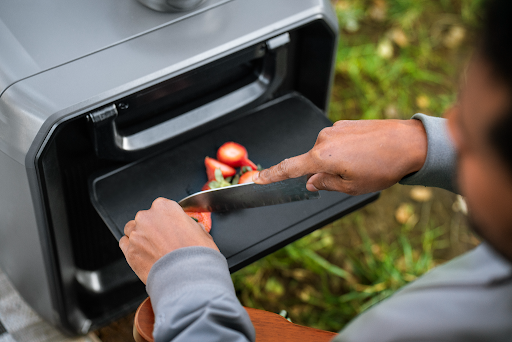
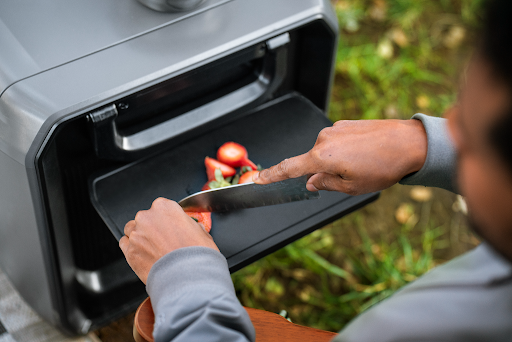
Choose dishes that travel well and do not require complicated service. Barbecue, sandwiches, wraps, salads, fruit and a few familiar hot dishes are easier to manage than a menu that keeps several people tied to the kitchen.
A potluck works best with assignments. “Bring something” can produce six desserts, three bags of chips and no main course. Divide contributions into mains, sides, desserts and drinks, then note the approximate quantity. Label dishes clearly and keep allergen-sensitive food separate, with its own serving utensil.
Keep Food and Drinks Cold Outdoors
At an outdoor reunion, the food table should not become an all-afternoon buffet. Health Canada’s summer food safety guidance says perishable food should stay at or below 4°C and outside the 4°C to 60°C temperature danger zone. On hot summer days, do not leave food at room temperature for more than one hour. Keep coolers in the shade and open them as little as possible.
For an all-day gathering or campground weekend, the EcoFlow GLACIER Classic Portable Fridge Freezer gives organizers a dedicated place for drinks, ingredients, and food that must stay chilled. It avoids the puddles and repeated ice runs that come with relying on coolers alone, and it can be positioned near the serving area when the cottage or household refrigerator is too far away.
Plan Activities for Different Age Groups
The reunion does not need to run like summer camp. Put out a few easy choices: lawn games or a scavenger hunt for children, badminton or volleyball for anyone who wants to move, and cards, trivia or a simple family quiz near the seating area.
Leave one quieter corner. Older relatives, parents with babies, and guests who mainly came to catch up will appreciate somewhere away from the speakers and active games. Unscheduled time is part of the plan.
Include Activities That Celebrate Family History
Often the most memorable part is not a game at all. A table of labelled photographs, old recipe cards or a simple family timeline gives people a reason to trade stories. Ask relatives in advance to bring one photo or memory rather than hoping they remember on the day.
If you want a group picture, take it before dessert or before the first long-distance guests leave. Assign someone to gather people. Otherwise, the photograph tends to happen after three households are already on the highway.
Step 4: Prepare Your Outdoor Reunion Setup
An outdoor site feels much smaller once tables, coolers, games, strollers, and 50 people arrive. A basic layout drawn beforehand helps the setup crew put things in sensible places instead of moving them repeatedly.
Set Up Seating, Shade, and Activity Areas
Keep food service close to dining tables, but move running games well away from hot barbecues and seated guests. If you plan to host a backyard party for the reunion, the same basic layout principles apply: keep food, seating, and activities easy to reach without crowding the main walkways. Create clear routes between these areas, and give coolers, bags, and cords a designated spot.
Mix seating rather than using only picnic benches. A few chairs with backs are useful for older guests, and shade should cover at least part of the sitting area throughout the afternoon, not just when setup begins.
Prepare Power for Food, Music, and Essential Devices
List the devices that truly need electricity: perhaps a portable fridge, speaker, phones, lights, or a laptop for the family slideshow. Do not assume a park outlet works, is close enough, or is available for private equipment. If fixed power is limited, choose a portable power station based on the devices you actually plan to run and whether they will be used at the same time. Check the site before the event and avoid running extension cords through walking areas.
For a park, campground, cottage or large backyard, the EcoFlow DELTA 3 Plus Portable Power Station can serve as one central source for compatible food, entertainment, lighting and personal devices. That keeps the layout flexible when fixed outlets are unavailable or in the wrong place, without turning the site into a web of long cords.
Make a Weather Backup Plan
Choose the backup before guests arrive: a community room, nearby house, later start or reduced program. Rain is only one concern. Wind, extreme heat, wildfire smoke and thunderstorms call for different decisions.
For thunderstorms, Environment and Climate Change Canada advises taking shelter as soon as thunder is heard. Use an enclosed building or an all-metal vehicle, not a gazebo or picnic shelter, and wait at least 30 minutes after the last thunder before returning outside.
Tell the setup team where the safe location is. A backup plan buried in the organizer’s notes is not much help once the sky changes.
Step 5: Make a Final Family Reunion Checklist
In the final weeks, use the short list: tasks with an owner, deadline, and clear status. Stop adding activities and confirm what was promised.
When | What to Check | Who Is Responsible | Status |
3–4 weeks before | Confirm venue and expected guest count | Lead organizer | Not started / Done |
1–2 weeks before | Finalize menu, dietary needs, and food assignments | Food coordinator | Not started / Done |
1 week before | Confirm activities and required supplies | Activity coordinator | Not started / Done |
2–3 days before | Check the forecast and review the backup plan | Lead organizer | Not started / Done |
1 day before | Charge equipment and prepare chilled items | Equipment/food teams | Not started / Done |
Event day | Set up seating, food, power, and activity areas | Setup team | Not started / Done |
After the reunion | Clean the site, return rentals, and share photos | Assigned family members | Not started / Done |
Review it once with the other organizers. That quick conversation usually catches the forgotten detail, whether it is garbage bags, serving tongs, the pavilion key, or a ride for an older relative.
Conclusion
One of the most useful lessons in how to plan for a family reunion is to handle the practical details early without overplanning the day. When the date is clear, the food has a plan, guests know where to go, and a few people understand their responsibilities, the reunion itself can still feel relaxed.
Handle those details early, then resist filling every hour. Families remember the stories, photographs, and conversations far longer than they remember whether an activity began exactly on time.
FAQ
How Far in Advance Should I Plan a Family Reunion?
Several weeks may be enough for a small local barbecue. Start several months ahead if people need flights, accommodation, campground sites or a popular summer venue. The harder the reservation is to replace, the earlier it should be settled.
How Much Should Each Family Pay for a Family Reunion?
There is no standard contribution. Total the shared costs, decide what the hosts can cover, and explain the remainder plainly. Per household, per adult, and voluntary contributions can all work, depending on the family's circumstances.
What Is the Best Month for a Family Reunion?
Canada is too large for one best month. Consider local heat, rain, wildfire smoke, insects, school schedules, and venue demand. The best date is the one that gives the important guests a reasonable chance to attend and still has a workable backup plan.
How Many Days Does a Family Reunion Usually Last?
It can be one afternoon, a full day or a weekend. A longer reunion makes sense when many guests are travelling, but it also adds meals, accommodation and cleanup. Match the length to the effort the family can realistically support.
What Is the Best Dish to Serve at a Family Reunion?
There is no universal winner. Choose a dependable main dish that is easy to make in quantity, transport, and serve, then add several simple sides. The safest choice also fits the venue's cooking facilities and the dietary needs collected with the RSVPs.