Uninterruptible Power Supply Standards: How to Choose a Compliant UPS
An uninterruptible power supply (UPS) can keep computers and network equipment running during a short outage, allowing time to save work and shut down safely. When comparing uninterruptible power supply standards in Canada, check the certification mark, output rating and manufacturer runtime data. The term uninterrupted power supply is also used informally, but certification records normally use uninterruptible power supply.
Which UPS Standards and Certifications Apply in Canada?
The wattage rating can wait. Before that, check that the UPS carries a recognized certification mark confirming it meets the applicable Canadian safety standards.
CSA C22.2 No. 107.3 and UL 1778
For Canadian certification, UPS products may be evaluated to CSA C22.2 No. 107.3, while UL 1778 is the corresponding US UPS safety standard. These standards address safety requirements for equipment such as enclosures, electrical protection and abnormal operating conditions. Check the certification record for the exact standard and country designation that apply to the model.
CSA, cUL, and cETL Certification Marks
A compliance statement in a listing is not enough by itself. Check the physical rating plate for a recognized certification mark and confirm the model in the certification body’s directory. In Ontario, the Electrical Safety Authority explains that approved electrical products must carry an official mark or label from an accredited certification or field-evaluation agency. Common marks include:
Mark | Certifying Body | Meaning / Recognition in Canada |
CSA Mark | Canadian Standards Association | The long-standing Canadian mark. The product is certified to applicable Canadian safety standards. |
cUL / cULus | Underwriters Laboratories | Full compliance with Canadian standards (the c prefix confirms Canadian evaluation). |
cETL / cETLus | Intertek Testing Services | Identical testing and compliance with applicable CSA/UL benchmarks. |
Note: A generic “CE” mark is a manufacturer’s self-declaration for Europe, and it does not satisfy provincial electrical safety requirements in Canada.
Canadian Electrical Code and Provincial Requirements
Electrical product approval and installation requirements are enforced provincially. In Ontario, the Electrical Safety Authority requires electrical products offered for sale or use to carry a recognized approval mark. Hardwired or higher-capacity systems may also need installation under applicable provincial code and permit rules. For insurance implications, check the specific policy and ask the insurer rather than assuming a universal outcome.


How to Choose a Compliant UPS for Your Needs
Sizing starts with what you are protecting, moves on to the power it draws, and ends with how long it has to run. Output type, wattage, and the plug on the power cord are on the spec sheet, and each one trips up buyers.
Identify Your Equipment and Protection Needs
Equipment does not respond to transfer time and output waveforms in the same way. When choosing a UPS for a computer, list every connected device and check each manufacturer’s input requirements. Workstations with Active Power Factor Correction (PFC) power supplies and some NAS equipment may require a pure sine wave output. Compatibility for medical equipment must be confirmed through its manufacturer and the applicable clinical or facility requirements; a consumer UPS should not be assumed suitable.
Calculate Power Requirements and Battery Runtime
Sizing mistakes are common because shoppers confuse Volt-Amps (VA) with Watts (W). Product listings often lead with the larger VA figure, but the wattage rating is what you size against.
Wattage (Real Power): What your devices actually draw. Add up the ratings of everything you run at once.
Volt-Amps (Apparent Power): Voltage and current multiplied together. A typical consumer UPS has a power factor between 0.6 and 0.9 (for example, a 1500VA unit rated at a 0.6 power factor delivers 900W).
Treating the VA rating as the watt rating can leave the UPS undersized. Allow headroom below the manufacturer's watt limit for startup surges and later equipment additions, then check the model's runtime curve at your actual load. If the required runtime is measured in hours rather than minutes, compare the load with a power station or another larger battery system instead of relying on VA alone.
Verify Input and Output Electrical Compatibility
Check the input voltage, frequency, plug type and circuit requirements on the model’s specification sheet. Many consumer UPS models sold in Canada use 120V / 60Hz input and a NEMA 5-15P plug, while some higher-output units use a different plug or require a dedicated circuit. Match the UPS to the outlet and circuit rating; consult a qualified electrician when new wiring or a dedicated circuit is required.
What Are the Alternatives to a UPS for Home Backup Power?
A UPS backup power supply is generally intended to bridge a brief outage or provide enough time for a controlled shutdown. For longer outages, a portable power station or home backup system may provide more capacity, but it must still be sized around the required loads, startup surges and target runtime.
Home Backup Power Systems for Essential Devices
Most homeowners don't need the whole house running through an outage. The list that matters is short: 120V essentials such as the kitchen fridge, the Wi-Fi router, emergency lighting, the heating controls, and the desktop you work from. If keeping that list running is the goal, a home backup system sized for it is the place to start.
The EcoFlow TITAN 5000 Classic Whole-Home Backup Power provides an expandable option for essential household loads during longer outages. Confirm appliance wattage, startup surge, connection method and local installation requirements before use.
Higher-Power Backup Systems for Multiple Household Circuits
For backup across several rooms or major appliances through a dedicated sub-panel, consider both the power output you need and how the system connects to your home’s circuits. A single portable pack cannot manage that many circuits at once.
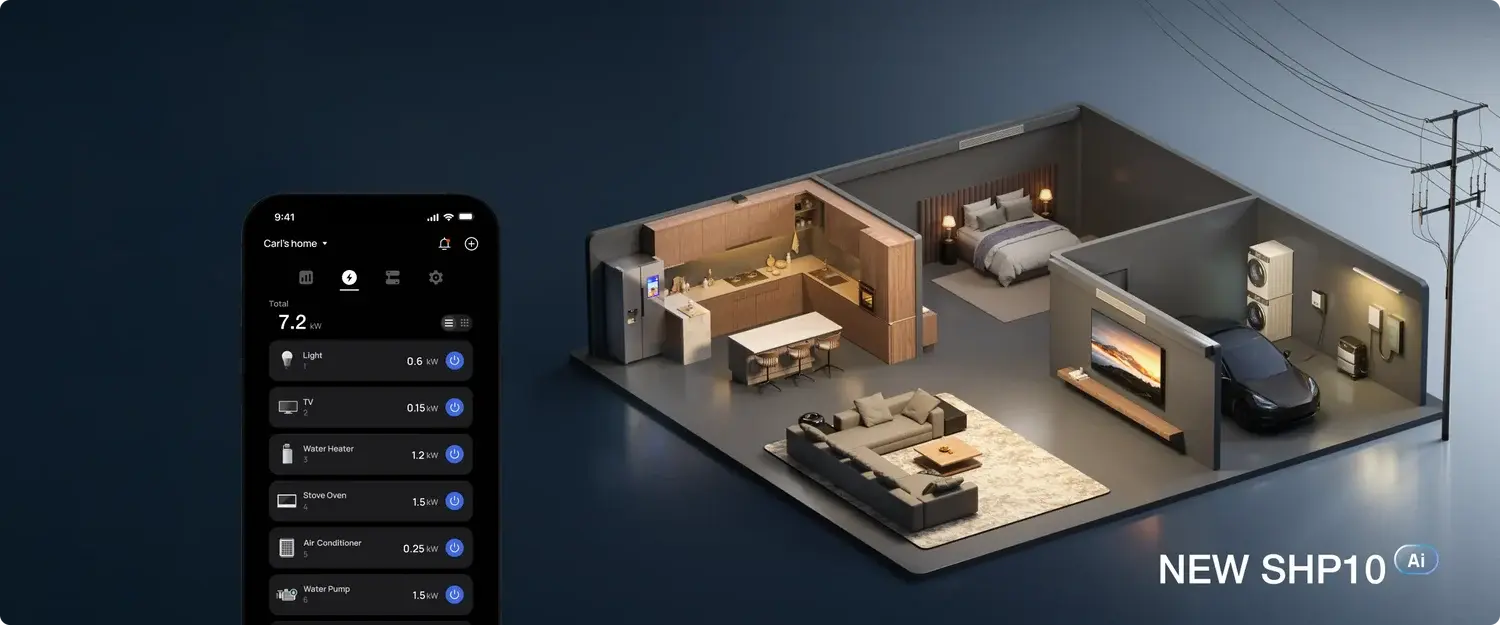
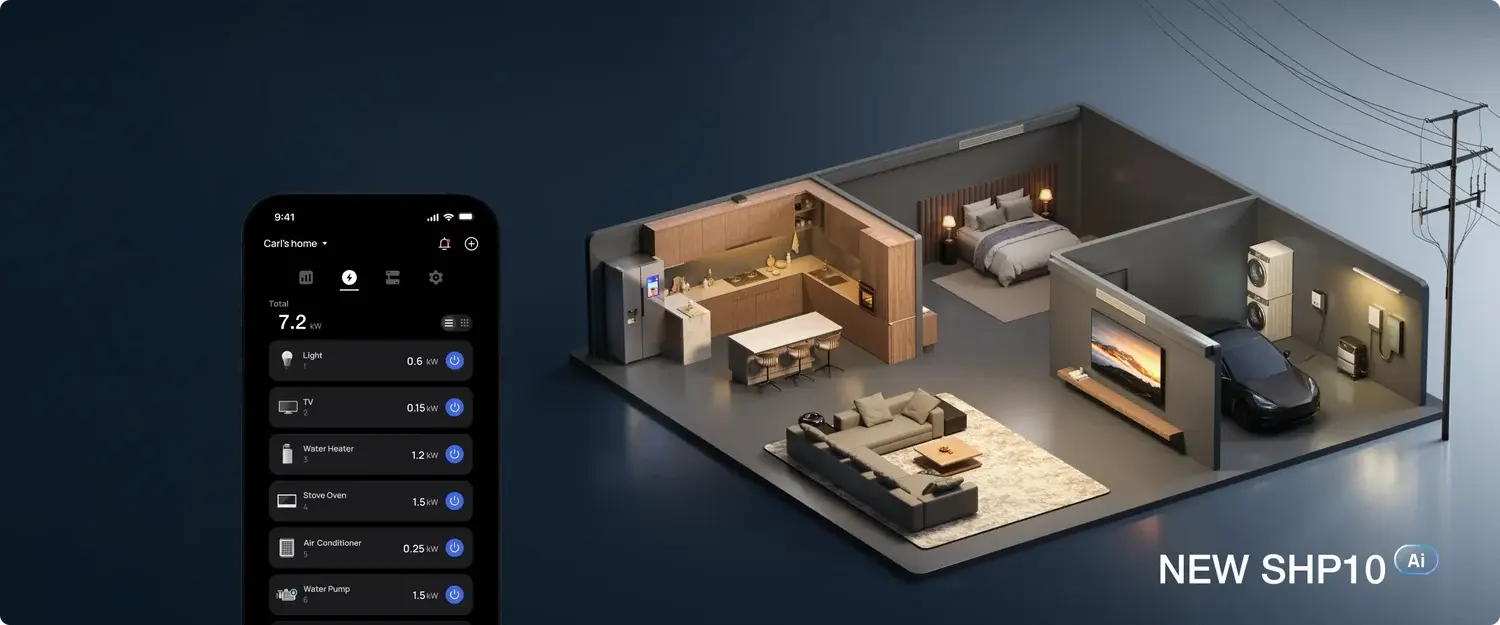
The EcoFlow TITAN 5000 Plus Whole-Home Backup Power delivers up to 7.2 kW of battery output per unit, with expandable capacity from 5 kWh to 30 kWh to accommodate different household backup needs. When paired with the Smart Home Panel 10, it can manage up to 10 household circuits, providing backup power to multiple essential appliances through an integrated system. Actual appliance compatibility depends on operating wattage, startup power requirements, and system configuration. The Smart Home Panel 10 must be installed by a qualified electrician in accordance with applicable local codes.
How to Verify UPS Compliance Before Buying
Before ordering, confirm the certification mark on the unit and the installation requirements that come with it. Battery replacement and ventilation belong on the same list, particularly if the UPS will run continuously or sit in a confined space.
Review the Product Label and Certification Records
Check the permanent rating plate on the back or bottom of the unit. If you are buying online, ask the seller for a clear photo. Look for a mark recognized in Canada, such as the CSA logo, a UL mark with a small “c” beside it, or a cETL mark with a manufacturer control number. Each can be looked up in the issuing body’s own directory, such as the CSA Group Product Listing or the UL Product iQ database. A product listing that shows only a generic CE mark and no file number is a reason to ask for proof of Canadian certification before you pay.
Confirm Installation and Ventilation Requirements
A UPS generates heat while charging and while operating on battery power. Keep its vents unobstructed, use it in the temperature and humidity range stated by the manufacturer, and follow the model-specific clearance instructions. Avoid heating ducts, damp floors and enclosed locations that do not meet those requirements.
Inspect Battery Safety and Replacement Requirements
Battery chemistry, enclosure design and replacement requirements vary by model. For a UPS battery replacement, use only the battery type identified by the manufacturer and follow the product instructions. Check for:
User-replaceable battery trays with a marked isolation switch or pull-disconnect tab.
Replacement packs available from reputable distributors within Canada.
Clear instructions for recycling used batteries through a program such as Call2Recycle, whose drop-off bins sit in major retailers, municipal depots, and community centres. Lead and lithium batteries do not belong in household garbage.
Conclusion
Choose a UPS with a recognized Canadian safety certification, sufficient output for your equipment and enough runtime to save your work and shut down safely. For longer outages, size a home backup system around your essential loads and the runtime you need, and check its installation requirements before buying.
FAQs
Is CSA Certification Mandatory in Canada?
A CSA mark is not the only possible approval mark. Requirements are enforced provincially, and acceptable certification or field-evaluation marks depend on the applicable authority. Check the product’s mark against the recognized-mark list for the province where it will be sold, installed or used.
How Much Does a UPS Cost?
UPS pricing varies with output, waveform, runtime, battery chemistry, monitoring features and certification. Compare current Canadian retailer or manufacturer pricing for models that meet the required load and runtime rather than relying on a fixed price range.
How Long Can a 1000VA UPS Run on Battery?
Runtime cannot be determined from the 1000VA rating alone. It depends on the model’s watt rating, battery capacity, battery condition and connected load. Use the manufacturer’s runtime chart or calculator at the measured load, and allow additional margin for battery ageing.
What Should Not Be Plugged Into a UPS?
Do not connect high-draw heating appliances or motor loads to a consumer UPS unless the manufacturer explicitly rates the model for that equipment and its startup surge. Devices such as laser printers, space heaters, hair dryers, paper shredders and sump pumps can exceed the output or surge limit.