Generator vs. Battery Backup for Canadian Summer 2026: Which Is Right for Wildfire, Heat, and Storms?
- What Changes for Canadian Backup Power in Summer 2026?
- Generator vs Battery Backup: The Key Differences That Matter at Home
- Costs in 2026: Upfront Price, Operating Expenses, and Total Value Over Time
- How to Choose the Right Setup for Your Home and Outage Risk
- EcoFlow Battery Backup Options for Cleaner, Quieter Resilience
- Frequently Asked Questions
- Choose Backup Power You’ll Actually Use All Year
Both generators and battery backups are useful ways to ensure your home remains powered during power outages. But which is right for the wildfires, heat, and storms that many Canadians deal with in the summer?
This guide compares the two and goes over the differences, including cost and value over time. It will also look at how to choose the right setup for your needs.
What Changes for Canadian Backup Power in Summer 2026?
Canadian backup power is evolving fast in 2026, and the reasons go beyond simple grid reliability.
First, rising electricity costs and grid disruptions are leading more Canadians to seek solar or backup systems (or both) for peace of mind, reduced grid reliance, and better home power resilience.
But in addition to considering things like solar systems to combat rising electricity bills, many are also using them to take advantage of the many net metering programs across the country that reward you for generating solar power and sending it back to the grid.
The types of backups people use in their homes are also changing. For example, plenty of people are changing from traditional fuel-powered generators to smart and efficient home battery systems and portable power stations.
There’s also an always-evolving rebate and incentive landscape that’s changing to meet modern needs. For example, many provinces offer rebates and/or low-interest financing options for solar and battery storage installations.
Generator vs Battery Backup: The Key Differences That Matter at Home
The most fundamental difference is how each system is powered. Traditional generators run on fuel (typically propane or natural gas) while battery backups run on stored electricity, charged from the grid or solar panels.
That distinction has real implications for indoor safety: fuel-burning generators produce emissions that require outdoor placement, making them a poor fit during wildfire smoke events when you want windows and doors closed.
Runtime works differently, too. Generators can run indefinitely as long as fuel is available, while battery backups have a finite capacity. That said, pairing a battery system with solar panels significantly reduces dependence on grid charging and can extend usable runtime during multi-day outages.
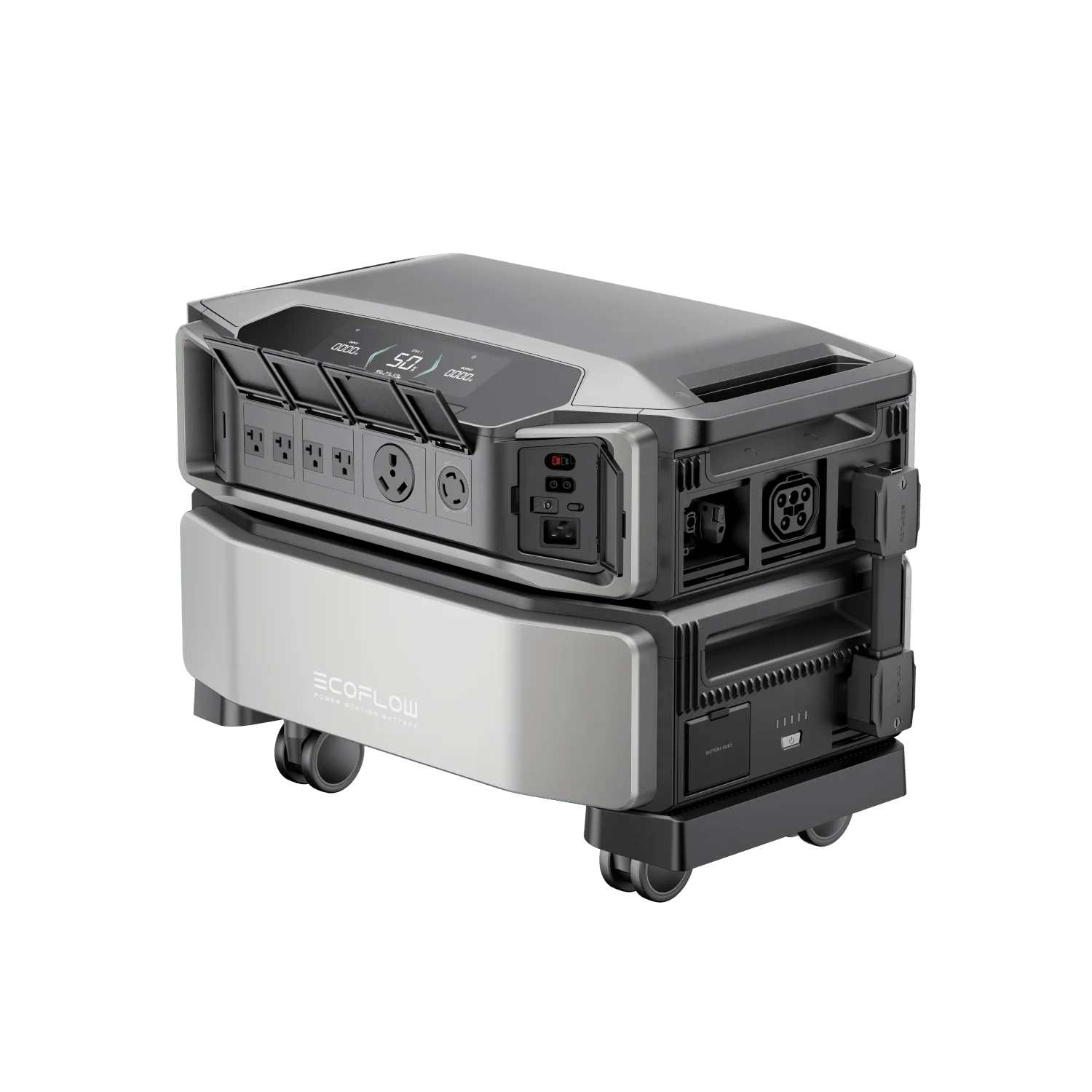
For homeowners who want whole-home coverage without the fuel, maintenance, and outdoor installation requirements of a standby generator, the EcoFlow DELTA Pro Ultra is worth considering. It's designed as a permanent home battery backup system, capable of powering essential circuits or your entire home, without the emissions or noise of a conventional standby generator.
Costs in 2026: Upfront Price, Operating Expenses, and Total Value Over Time
When looking for a backup generator for your home, consider the full cost. At first glance, fuel generators are generally less expensive than battery backups. While exact costs vary depending on the brand and/or store you buy from and the size/capacity of the generator, battery backups often have a higher price tag.
However, don’t just consider the upfront costs but also the operating expenses throughout the lifetime of the generator. You need to think about both the fuel required to power the generator and the maintenance costs to get a better idea of the overall cost.
As a result, the total value over time may be closer than upfront costs suggest, and may even swing in favour of battery backups.
How to Choose the Right Setup for Your Home and Outage Risk
Whether you decide to opt for a fuel generator or a portable solar power generator, make sure to choose the right setup. But keep in mind that the “right” setup varies from person to person.
To determine yours, begin by considering your needs. Someone who wants their entire home to last through a multi-day outage may need a whole-home system, while another person who just wants to keep essentials powered for a few hours can get by with a smaller and less-powerful system.
Also, make sure to evaluate your outage risk. For example, someone who lives in a rural area where outages take longer to get fixed, or in an area that sees intense weather and storms, may need a higher-capacity system.
Finally, make sure to consider things like your budget, how much space you have, the rebates in your area, and more.
EcoFlow Battery Backup Options for Cleaner, Quieter Resilience
If you want cleaner and quieter operation and backup power that’s indoor-safe, EcoFlow has a variety of options to consider. These options range from compact, yet powerful portable stations, all the way up to high-capacity whole-home systems that can keep your entire home operational during outages.
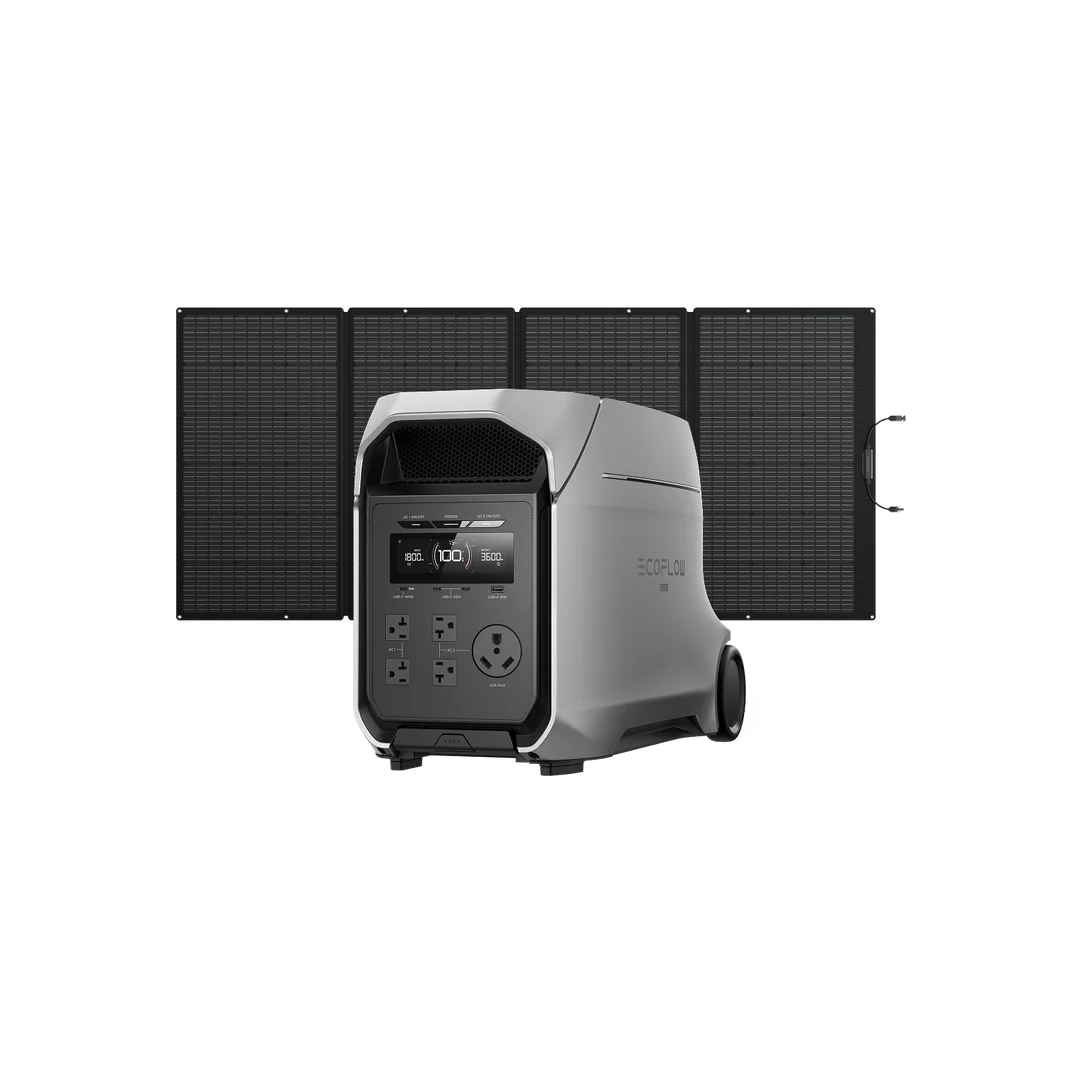
There are even bundles, such as the EcoFlow DELTA 3 Ultra Plus + 400W Solar Panel, which offer both reliable battery backup and solar generation for the whole package.
The waterproof and drop-resistant build also means it holds up in the conditions that matter most, including the heat, smoke, and storm environments that prompt many Canadians to invest in backup power in the first place.
Frequently Asked Questions
Is a Generator or a Battery Backup Better for Canadian Summer Outages?
While both offer you backup power when you need it, a battery backup is often a better choice as it provides silent and zero-emission power that’s safe to operate indoors. They also don’t require any maintenance to keep them working well.
Can a Battery Backup Run Air Conditioning During a Heat Wave?
While it depends on the type of battery system and your home’s HVAC setup, battery backups can usually run an air conditioner to keep you cool during a summer heat wave.
What’s the Safest Backup Power Option During Wildfire Smoke Events?
An indoor-safe portable power station or battery system is often the safest choice during wildfire smoke events. This is because they don’t produce toxic fumes and don’t run on combustible fuel.
How Do I Estimate the Backup Size I Need for Essential Circuits?
To get an idea of the battery backup size you need, calculate the running wattage of your essential devices, appliances, and systems, and multiply this by the number of hours or days you want them to be able to run. It’s also a good idea to add another 20 or 30% to this as a buffer for unexpected demand.
Choose Backup Power You’ll Actually Use All Year
Both generators and battery backups offer reliable backup power for outages, but make sure to choose the type of backup power that works for your needs.
While generators may be cheaper upfront and have near-unlimited runtime if you’ve got enough fuel, they’re loud, may give off harmful emissions, and require plenty of ongoing maintenance. On the other hand, battery backups may be expensive, but they operate silently, don’t have any toxic exhaust, and require no maintenance or testing.
Whether you’re looking for a whole home generator or a portable power station for your essentials that you can’t live without, explore EcoFlow’s collections to find the right fit.