Portable Solar Power Generator vs. Gas Generator in Canada (2026): Which One Actually Saves You More Money?
- Why More Canadians Are Ditching Gas Generators in 2026
- How Solar and Gas Generators Work (And Why It Matters in Canada)
- Solar vs. Gas Generators: Key Differences at a Glance
- Cost Comparison in Canada (2026)
- Real-World Performance in Canada: Winter, Emergencies, and Off-Grid Living
- Recommended Generators in Canada (2026 Picks)
- Solar vs. Gas: Cost, Carbon, and Canada’s Energy Future
- Conclusion
- FAQs
Choosing between a solar setup and a gas generator in 2026 usually comes down to one question: what does this thing actually cost to own over the next five years? Gas generators always look like the “budget” choice at the checkout counter, but the math changes fast once you factor in fuel prices and the constant mechanical babysitting. Solar units require a much bigger check upfront, but they pay themselves off by being silent, fuel-free, and virtually impossible to break. Whether you’re staring down a GTA ice storm or planning a summer haul through the BC interior, here is the real breakdown of where your loonies are going.
Why More Canadians Are Ditching Gas Generators in 2026
The shift away from internal combustion is gaining momentum across the Great White North. This transition is driven by the practical reality of living in Canada right now, moving well beyond the simple goal of being “green.”
Rising fuel prices and carbon tax pressure
Operation costs for gas-guzzling equipment have reached a tipping point. In April 2026, the national average for gasoline had spiked toward $1.98 per litre in some provinces, with the federal carbon tax now sitting at $110 per tonne. This includes a “hidden” carbon cost within fuel regulations that adds up to seven cents per litre on top of the visible tax. For many, that “cheap” gas generator from a few years back now feels like a financial anchor, especially when you realize you’re essentially paying a premium fuel bill that has no end date.
Increasing outages due to wildfires and winter storms
From the smoke-filled summers of British Columbia to the ice storms in the Ottawa Valley, our grid is under more stress than ever. We just saw a record-shattering year for weather-related losses in 2025, and 2026 started with major freezing rain that knocked out power for over a million homes across Ontario and Quebec. Relying on a fuel supply chain that can be completely paralyzed during a state of emergency is a massive vulnerability. If the pumps don’t have power, your “backup” plan is effectively dead. Understanding the direct comparison of a gas vs. solar backup generator becomes vital when traditional infrastructure fails during these climate events.
Shift toward energy independence and off-grid living
Whether it’s a cabin in Muskoka or a van-life setup in Tofino, the desire for energy sovereignty is at an all-time high. Modern Canadians are leaning toward a “set it and forget it” approach to power. Harvesting energy from the sun is just objectively more efficient than the constant, oily chore of hauling jerry cans from a gas station that might be closed or empty.
How Solar and Gas Generators Work (And Why It Matters in Canada)
Understanding the mechanics of these systems is crucial. Our geography, marked by short winter days and vast distances, dictates how effectively they actually perform when the grid goes down.
How Portable Solar Generators Work
Think of a solar generator (or Portable Power Station) as a massive, sophisticated battery with a brain. It captures energy through solar panels, converts it from DC to AC via an internal inverter, and stores it for whenever you need it. By 2026, the efficiency of these units has improved significantly. They can now capture usable energy even during the hazy “silver sky” days typical of a Canadian autumn.
How Gas Generators Work
Gas generators are basically stationary car engines. They use internal combustion to turn fuel into electricity in real-time. While they provide immediate power as long as you have a full tank, they require constant mechanical movement. This leads to heat, exhaust, and the inevitable wear and tear that comes with moving parts.
Solar vs. Gas Generators: Key Differences at a Glance
Before we dive into the dollars and cents, it’s important to understand the operational reality of owning these units in the Great White North. While a gas generator might feel familiar, the day-to-day experience of using one is vastly different from a modern solar setup.
| Feature | Portable Solar Generators | Gas Generators |
|---|---|---|
| Noise Level | Silent. Perfect for quiet campgrounds in Algonquin Park or suburban Oakville. | Loud (70+ dB). Often leads to complaints from neighbors or park rangers. |
| Fuel Source | Free & Renewable. Sunlight is inflation-proof and tax-free. | Fossil Fuels. Requires constant buying, hauling, and storing of gas/propane. |
| Maintenance | Minimal. No moving parts means no oily hands or mechanical repairs. | High. Requires regular oil changes, spark plug swaps, and fuel stabilizers. |
| Lifespan | 10+ Years. Modern LiFePO4 batteries handle 3,000+ cycles with ease. | Limited. Often needs major overhauls after just 500–1,000 running hours. |
| Cold Weather | Resilient. Requires insulation for charging but discharges reliably in the cold. | Temperamental. Engines can be notoriously difficult to pull-start in -30°C. |
| Safety | Indoor-Safe. No fumes or carbon monoxide risks. | Outdoor Only. Must be kept 20ft away from the house to avoid toxic exhaust. |
This table makes the trade-offs clear: you’re choosing between the “manual labor” and recurring costs of gas, or the “set-and-forget” convenience of solar.


Cost Comparison in Canada (2026)
To see the true cost, you have to look beyond the price tag at Canadian Tire or a specialized energy shop. In 2026, the gap between a “cheap” gas generator and a solar system closes much faster than most people realize.
Upfront Cost Comparison (Solar vs. Gas)
There’s no sugarcoating it—solar systems require a much bigger upfront investment. A mid-range 3000W inverter generator typically costs between $900 and $1,300 CAD. In comparison, a portable solar generator system with panels and battery usually starts around $3,000 CAD, while more robust home backup systems can range from $5,000 to $10,000 CAD.
Think of that extra upfront cost as pre-paying for years of fuel and maintenance. While a gas generator may cost a few hundred dollars per year to operate, solar systems can significantly reduce long-term expenses by eliminating fuel costs altogether.
Fuel, Maintenance & Hidden Costs
This is where the math flips. In April 2026, gas prices in provinces like Ontario and BC were hovering around $1.75 to $1.98 per litre. A gas generator running through a typical 3-day blackout can easily burn 60-80 litres of fuel. At current prices, that’s roughly $110 to $145 just for one weekend of power. Add in the cost of oil, fuel stabilizers, and spark plugs, plus the frustration of waiting in a gas station lineup during an emergency, and the “affordable” gas option suddenly looks very expensive. Solar fuel, on the other hand, is literally falling from the sky. It’s inflation-proof and, so far, untaxed.
Real Canadian Usage Scenarios
3-day winter blackout (Toronto / Calgary style): A gas unit requires constant monitoring and a trip into the cold to refuel. A solar system, if kept inside, provides silent, indoor-safe power for your furnace blower and fridge without you ever having to step into the snow.
7-day RV camping trip: Most Parks Canada sites now have strict “quiet hours” or total bans on generators. With solar, you save on $15/night electrical hookup fees and fuel costs, enjoying the silence of the woods instead of a 70dB engine.
Wildfire emergency week: When gas stations are closed due to evacuations or power failures, a solar generator keeps your air purifiers and satellite comms running indefinitely.
5-Year Total Cost of Ownership
By year five, the true cost of a gas generator, including fuel, annual tune-ups, and the inevitable battery replacement, often exceeds the initial price of a premium solar unit.
Break-Even Point in Canada
For the average Canadian who deals with a couple of outages a year and spends two weeks off grid, the break even point usually hits between 3.5 and 5 years. After that, every kilowatt you harvest is pure profit.
Real-World Performance in Canada: Winter, Emergencies, and Off-Grid Living
The Canadian environment is the ultimate “torture test” for power gear. It doesn’t matter what the brochure says; what matters is whether the unit turns on when it’s -30°C in Regina or when wildfire smoke is so thick you can’t see across the street.
Cold Weather & Snow: Which One Holds Up Better?
There is a common myth that solar doesn’t work in winter. In reality, photovoltaic panels are actually more efficient in cold temperatures because the reduced heat lowers electrical resistance. The only catch? You have to clear the snow. A quick brush-off is all it takes for those panels to start harvesting that crisp, winter sunlight.
Gas generators, meanwhile, struggle with the cold. Oil thickens into a sludge that makes pull-starting a nightmare, and carburetors can freeze up entirely. Here’s the deal: to make solar work in a Canadian winter, you keep the battery unit inside your heated home or RV while the panels sit out in the sun. This protects the battery’s chemistry, ensuring it discharges reliably when you need that furnace fan to kick in.
Power Outages, Wildfires & Emergency Readiness
During the wildfire seasons we’ve seen lately, air quality becomes a critical health issue. Running a gas generator outside your home literally pumps more pollutants and fine particulates into the very air you’re trying to breathe.
Solar is a “closed-loop” system. It’s silent and emission free, which is vital when you’re huddled indoors with an air purifier running. Being able to safely power cooling fans inside without carbon monoxide risks is a primary reason why a portable solar power generator is a must-have for Canadian summers during intense heatwaves." Also, during major emergencies, gas stations are often the first things to fail, either because they’ve run out of fuel or they don’t have the electricity to run their own pumps. Sunlight, however, doesn’t rely on a delivery truck.
RV Camping & Remote Travel Across Canada
If you’re trekking the Trans-Canada Highway or heading up the Dempster, space in your rig is at a premium. Hauling heavy, smelly jerry cans of gasoline wastes valuable room and creates a fire hazard that most travelers want to avoid. Ditching those cans makes your rig lighter and much safer for long hauls. Another thing is the noise. You won’t be “that person” at the campsite whose rattling generator ruins the silence of a BC forest. Most national parks have tightened their “quiet hours” significantly in 2026, so using solar is the only way to keep your electronics charged 24/7 without getting a knock on the door from a park ranger. Bottom line: the silence of a battery system is a massive social and practical upgrade.
Recommended Generators in Canada (2026 Picks)
Choosing the right rig depends entirely on whether you’re bracing for a week of Maritimes ice or just trying to keep a laptop alive on the shores of Lake Superior. The market has finally matured this year, offering tools that actually survive our climate instead of just failing the first time the mercury hits -10°C.
Solar Generator Picks
When you’re shopping for solar in Canada, keep the “Albedo Effect” in mind. Sunlight bouncing off snow can actually boost your panels, but you need an inverter that can handle the high surge of a sump pump or a space heater.
EcoFlow DELTA Pro Ultra Whole-Home Backup Power
The EcoFlow DELTA Pro Ultra Whole-Home Backup Power is built for high-stakes Canadian scenarios like a three-day February blackout. Unlike small portable units, this rugged backup can wire directly into your breaker box to run heavy loads like furnace blowers, sump pumps, and 240V well pumps. One unit handles 7,200W, and the stackable design lets you scale from 6kWh to a massive 90kWh for week-long independence during ice storms or wildfires. It can reliably start even in extreme sub-zero conditions without the noise or fumes of gas. Just pick your spot carefully, as the battery is quite heavy and not something you’ll want to move often. It even includes internal heating to ensure it keeps charging through a deep freeze.
EcoFlow DELTA 3 Ultra Portable Power Station
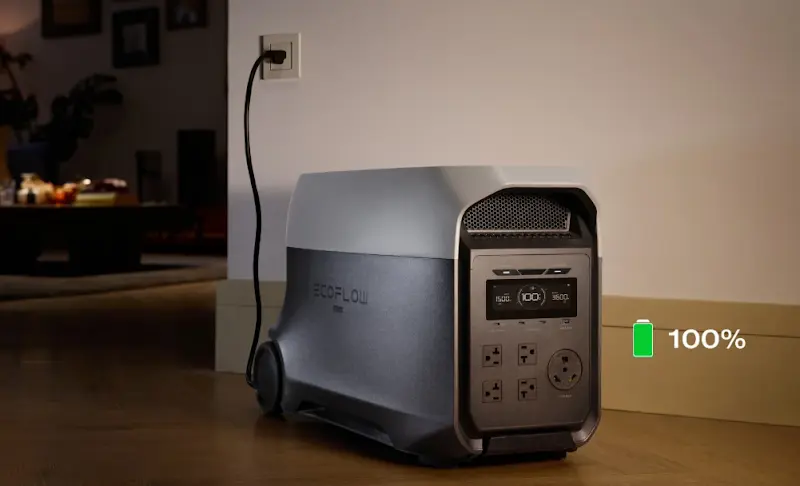
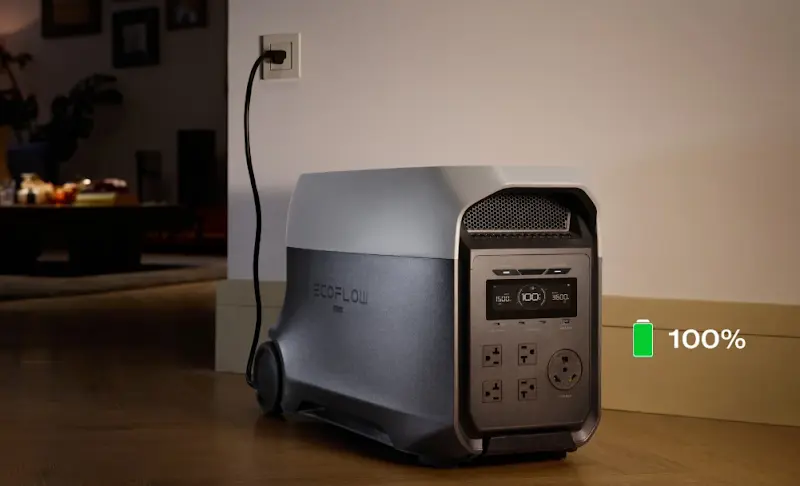
While the EcoFlow Delta Pro Ultra handles the heavy lifting at home, the EcoFlow DELTA 3 Ultra Portable Power Station (3072Wh) is the versatile workhorse for everything else. If you’re heading out for a week of RV camping in Banff or need power for a remote job site, this unit hits the sweet spot between portability and raw power. In 2026, it will serve as a sophisticated alternative to noisy gas generators that are increasingly restricted in national parks. It easily handles high-wattage gear like coffee makers and space heaters without the oily maintenance or the smell of gasoline in your trunk. It offers a 3,072Wh capacity and a 3,600W output, which is plenty of juice for emergency home backup while remaining mobile enough for a cross-country road trip. The LFP battery is rated for 4,000 cycles, meaning it will likely outlast your vehicle. It’s also incredibly fast, hitting an 80% charge in about 89 minutes from a standard outlet.
Gas Generator Picks
Solar is taking over, but the traditional engine is not dead yet. If your property is buried under a thick canopy of cedar and pine where the sun never hits, or if you’re running high-draw power tools for ten hours straight on a remote job site, you need “brute force.”
Honda EU series / Generac IQ series
These are the gold standards for a reason. If you have to go gas, these are the only ones I’d trust when it’s -30°C and your pipes are at risk of freezing—provided you’ve switched to a 0W-30 synthetic oil for the winter.
The Honda EU2200i remains the king of reliability; it’s so quiet that you can have a normal conversation right next to it without raising your voice. For a bit more “oomph” on a budget, the Generac iQ3500 is a beast. It offers 3,000 running watts and features a brilliant digital display that calculates your exact remaining runtime based on the current load—no more guessing how much gas is left in the middle of a blizzard.
Solar vs. Gas: Cost, Carbon, and Canada’s Energy Future
Looking toward the late 2020s, the choice between these two moves beyond simple preference. It’s a calculation of long-term survival in a shifting economic landscape.
Carbon emissions comparison
A gas generator produces significant noise while acting as a heavy emitter. Each kilowatt-hour generated by a small engine spits out nearly 0.9kg of CO2, which adds up to several tons of carbon in your backyard over five years. Solar generators offer a carbon-neutral operational phase. While manufacturing creates an initial footprint, these systems typically “pay back” that energy debt within two years of use. Plus: the long term environmental cost of gas makes it a much heavier burden than the one-time manufacturing cost of a battery.
Government push toward clean energy
Even with the temporary April 2026 fuel tax suspension, the long-term trend for gasoline is only going up. Conversely, the government is making the transition to solar cheaper than ever. In 2026, BC Hydro offers up to $10,000 for solar and battery bundles, and Ontario’s HRS program provides a similar $10,000 rebate. These incentives are designed to turn your home into its own micro-grid before the 2030 targets hit.
Long term sustainability
Investing in solar is about being a participant in the Canadian wilderness rather than just a consumer of it. It’s the difference between hearing the loons on a quiet evening or listening to the rhythmic thrum of a 70dB engine. As supply chains remain vulnerable to wildfires and winter storms, solar provides a level of energy sovereignty that gas simply cannot match. You aren’t just buying a battery; you’re buying independence from a fuel price you can’t control.
Conclusion
In 2026, energy sovereignty is the ultimate Canadian luxury. As our grid faces increasing pressure from extreme weather, the peace of mind that comes from a silent, sun-powered backup is priceless. Don’t just look at the price tag at the checkout, look at what your energy bill and your stress levels will look like five years from now.
FAQs
1. Are gas generators still cheaper in the long run?
Gas generators only look cheap at the checkout. Over five years, the “compounding costs” of fuel and maintenance usually make them more expensive. Even with the April 2026 fuel tax suspension providing a 10-cent break at the pump, global prices are still high. Most engines die after 1,000 hours, while modern solar batteries last for 3,000+ cycles. You’re choosing between an endless fuel subscription or a one-time investment that pays for itself by year four.
2. What size solar generator do you need to run a whole house?
To survive a Canadian winter blackout, you need 6kWh to 15kWh of storage. Systems like the EcoFlow DELTA Pro Ultra Whole-Home Backup Power are built for this because they offer the 7,200W output required for 240V gear. If you’re pulling a furnace blower and a sump pump at once, you need that high wattage capacity to keep the lights on.
3. What size generator do I need for RV camping?
For most RVers, 2kWh to 3.5kWh is the sweet spot. The EcoFlow DELTA 3 Ultra Portable Power Station hits this mark, running a microwave and coffee maker without the massive weight of a home system. With National Parks tightening noise rules in 2026, a silent battery is often the only way to get power after 10 PM.
4. Is it worth switching from gas to solar in 2026?
Yes, because solar tech has finally matched gas in raw power. While gas offers brute force, solar provides zero-maintenance reliability at -30°C. Plus, while the consumer carbon tax was cut, the industrial tax is still rising, making the long-term cost of fossil fuels unpredictable compared to free sunlight.
5. What is the 80% rule for generators?
Never pull more than 80% of a unit’s rated capacity for long periods. For gas, it prevents overheating; for solar, it protects the inverter from thermal stress. If your unit is rated for 3,600W, keep your steady load under 2,800W to ensure it actually lasts the full decade.