Are Home Backup Electrical Generators Worth It?
When the power goes out in Canada, it’s usually more than a small inconvenience. An ice storm in Ontario or a heavy summer storm across the Prairies can shut things down fast. And when that happens, it’s not just the lights, it’s your heat, your water, your Wi-Fi, sometimes even your ability to cook a proper meal.
So the real question is: Are home backup electrical generators worth it for your household? In this guide, we’ll look at when it makes practical sense, what a system can realistically power, and how to weigh the upfront cost against the peace of mind of knowing you’re covered when the grid goes down.
When Do You Actually Need a Home Backup Generator?
Whether a home backup generator is a “must-have” or just a “nice-to-have” really comes down to where you live and how your home runs day to day. For a lot of Canadians, it’s less about convenience and more about practicality.
Areas Prone to Severe Weather and Grid Outages
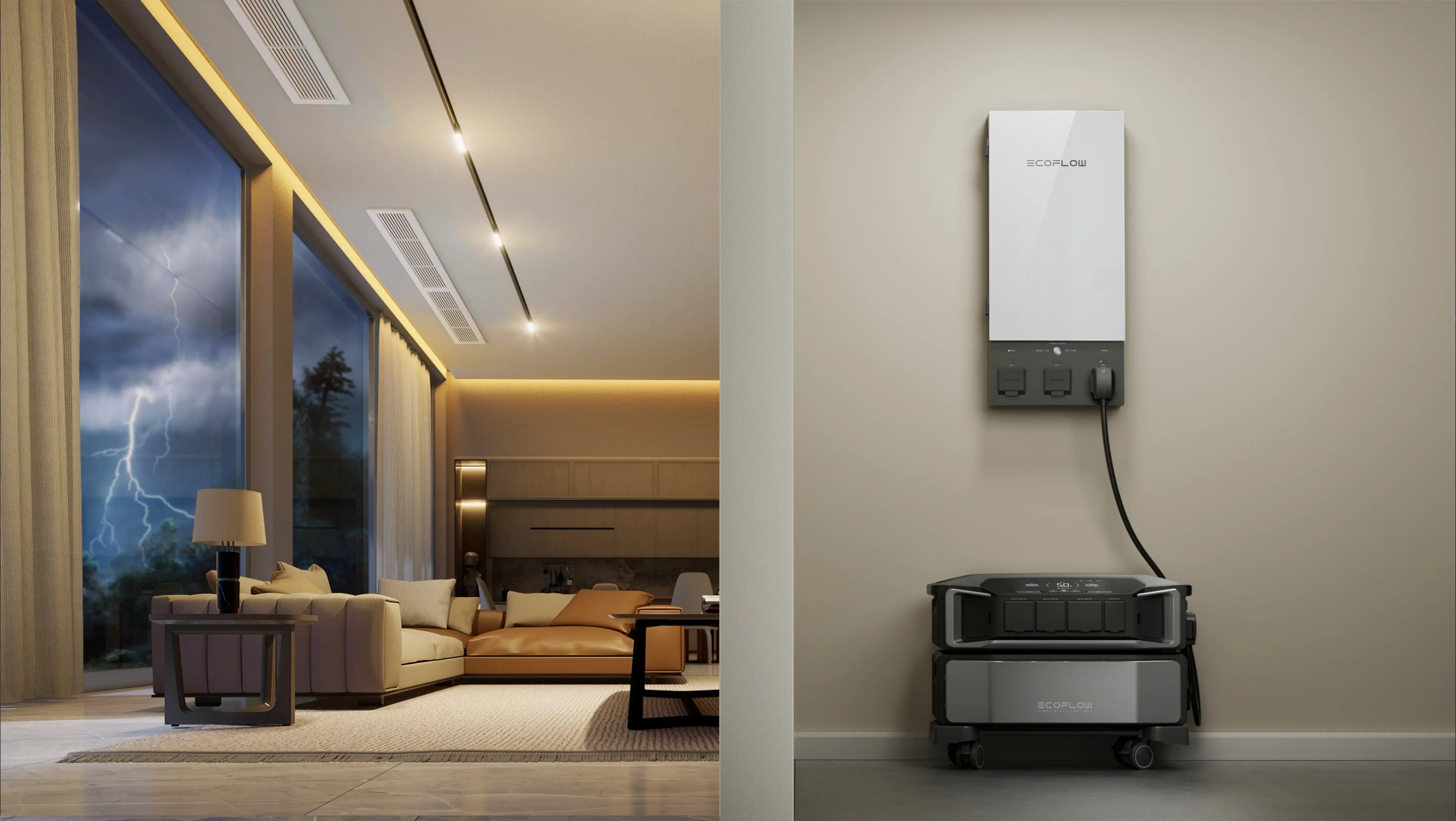
If you’re in a part of the country that sees regular ice storms, heavy snow, or strong summer thunderstorms, outages aren’t unusual, they’re part of the season. In parts of Ontario and Quebec, losing power for a day or two isn’t rare. In those situations, a system that switches on automatically and can handle bigger household loads makes a real difference. Higher capacity options like the EcoFlow DELTA 3 Ultra Plus Portable Power Station (3072Wh) are designed for that kind of home backup (expandable to 11kWh), with features such as Storm Guard that monitor incoming weather and make sure the battery is ready before a storm hits, no scrambling for gas or worrying about fuel in freezing temperatures.
Homes with Well Water or Septic Systems
For rural homeowners, electricity isn’t just about lights. If you rely on a well, no power means no running water. That affects everything from cooking dinner to flushing toilets. In that case, backup power moves from optional to essential pretty quickly.
Basements with Sump Pumps
Anyone with a finished basement knows how fast water damage can happen. During a heavy rainfall or rapid snowmelt, a sump pump is your first line of defence. If the power cuts out at the wrong time, flooding can start within minutes, and repairs aren’t cheap.
Households Working Remotely
Working from home is normal now across Canada. When the power drops mid-meeting, it’s not just inconvenient, it can cost you a full day of productivity. A reliable backup keeps your router, laptop, and workspace running without disruption.
Regions with Frequent Winter Freezes
January outages hit differently. Without electricity, even gas furnaces can’t circulate heat. Indoor temperatures can fall quickly, and frozen pipes become a real risk. In colder regions, backup power isn’t about comfort, it’s about protecting your home.
What Can a Home Backup Generator Power During Outages
Modern backup systems can do a lot more than keep a couple of lamps on. Depending on the size and output of your unit, you can choose to run only your “critical loads” or keep most of the house operating almost like nothing happened. When comparing system sizes, many homeowners may ask: what will 10000 watt generator run in a typical home outage. Here’s what that usually looks like in a Canadian home:
Refrigerators and Freezers: This is priority number one for most families. A powered fridge and freezer mean no throwing out groceries after 24 hours and no scrambling to save what’s in the deep freeze in the garage.
Well Water Pumps: In rural areas, electricity and water go hand in hand. A 240V-capable backup system keeps the pump running, so you can still shower, cook, and flush toilets without hauling buckets.
Sump Pumps: During heavy rain or spring melt, your sump pump works quietly in the background, until the power cuts. Backup power keeps it cycling when you need it most, helping avoid major basement damage.
Heating Systems and Furnaces: Even gas furnaces rely on electricity to run the blower and ignition. In the middle of a Canadian winter, keeping the heat circulating isn’t optional, it protects both your comfort and your plumbing.
Essential Lighting and Connectivity: A few LED lights and working outlets make a big difference. Keeping phones charged and the modem running means you can check weather alerts and stay connected with family.
Home Office Equipment: If you work from home, stable power keeps your router, laptop, and monitors online. Systems with fast switchover times prevent those awkward “Sorry, I lost power” moments mid-meeting.
High-Demand Appliances: Larger capacity systems can handle heavier 240V loads. That might mean running the electric stove for dinner, taking a hot shower, or keeping the AC on during a July heatwave.
What Are the Benefits of Home Backup Electrical Generators?
It’s not just about “keeping the lights on.” A home backup generator acts as a safety net, protecting your house, your belongings, and in many cases, your savings account.
Maintaining Whole-Home Power During Extended Outages
With a high capacity system, daily life doesn’t completely stop when the grid does. You can still cook, stay warm, and move through your routine without the added stress that usually comes with a multi-day outage. That stability matters more than people realize until they’re sitting in the dark.
Preventing Frozen Pipes and Costly Water Damage
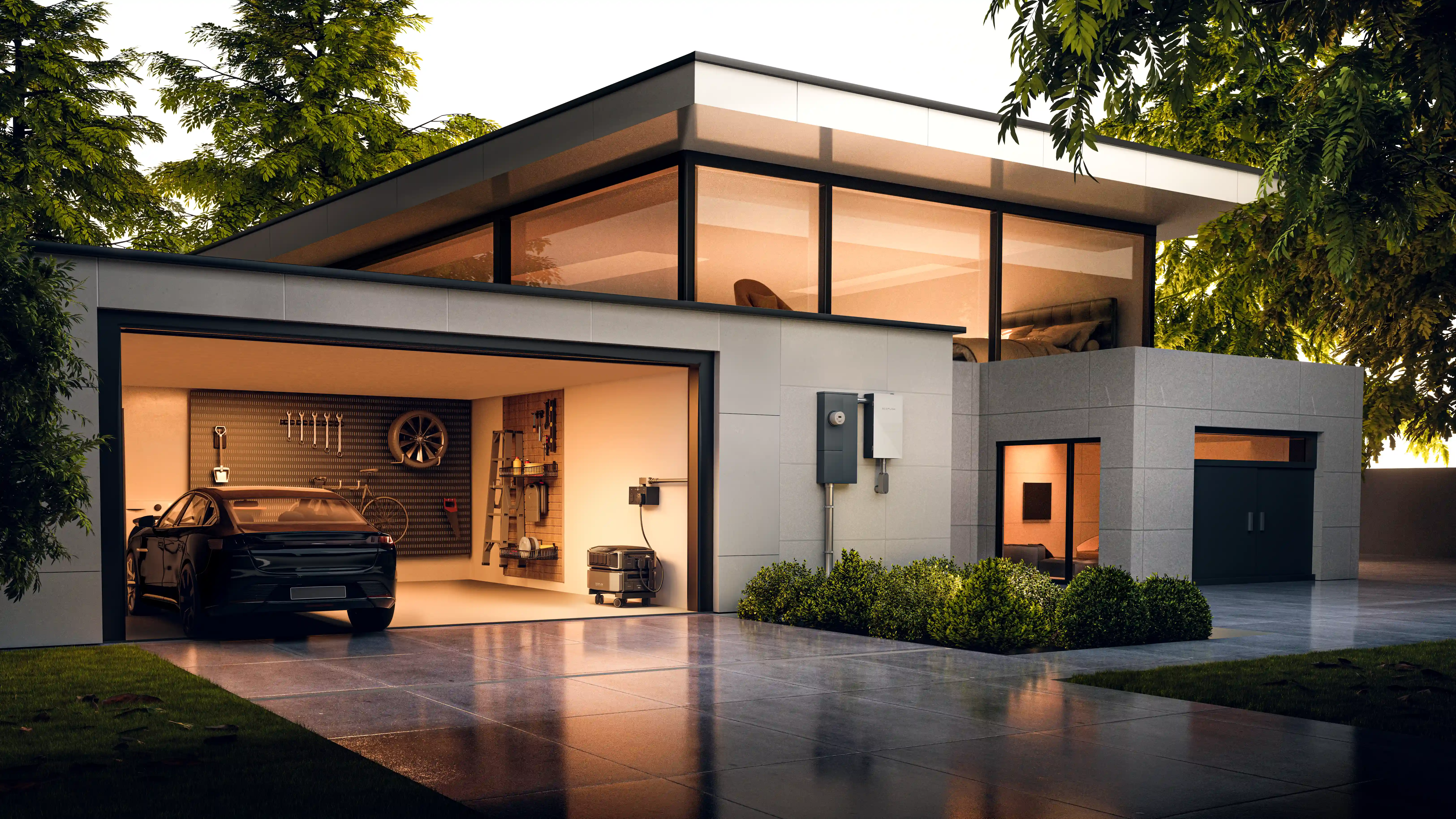
In sub-zero Canadian winters, heat isn’t optional. If the furnace can’t run, pipes can freeze and burst quickly, leading to serious repairs. Solutions like the EcoFlow DELTA Pro Ultra Whole-Home Backup Power are designed for reliable home emergency power, offering 7200W of output, enough to support heating systems and essential circuits. Its <20ms UPS switchover means appliances like pumps and furnaces continue running without interruption. Because it’s battery-based, there’s no engine upkeep and no need to store gasoline in the garage, which many urban homeowners prefer.
Reducing Basement Flood Risks
A working sump pump during a storm can be the difference between a dry basement and a major insurance claim. Backup power keeps it cycling when heavy rain or snowmelt pushes your drainage system to its limit.
Protecting Food and Essential Supplies
Extended outages often end with a fridge full of spoiled groceries. Keeping refrigeration running avoids waste and saves the cost of replacing everything from fresh produce to frozen meat.
Ensuring Business and Remote Work Continuity
For Canadians working remotely, reliable power keeps your home office functional. Staying online during business hours protects your productivity and your professional reputation.
Accessing Energy Storage Incentives and Rebates
Battery backup and solar integrated systems may qualify for certain federal or provincial programs, including past initiatives like the Greener Homes Grant, as well as select provincial incentives in Ontario, British Columbia, and Alberta. It’s always worth checking current eligibility before making a decision.
How Much Does a Backup Generator Cost in Canada?
The cost really depends on how much of your normal routine you want to keep running when the power goes out. Some households just want to charge phones and keep the fridge cold. Others want the house to feel almost unchanged during a multi-day outage.
Portable Generators ($500-$6,000 CAD):
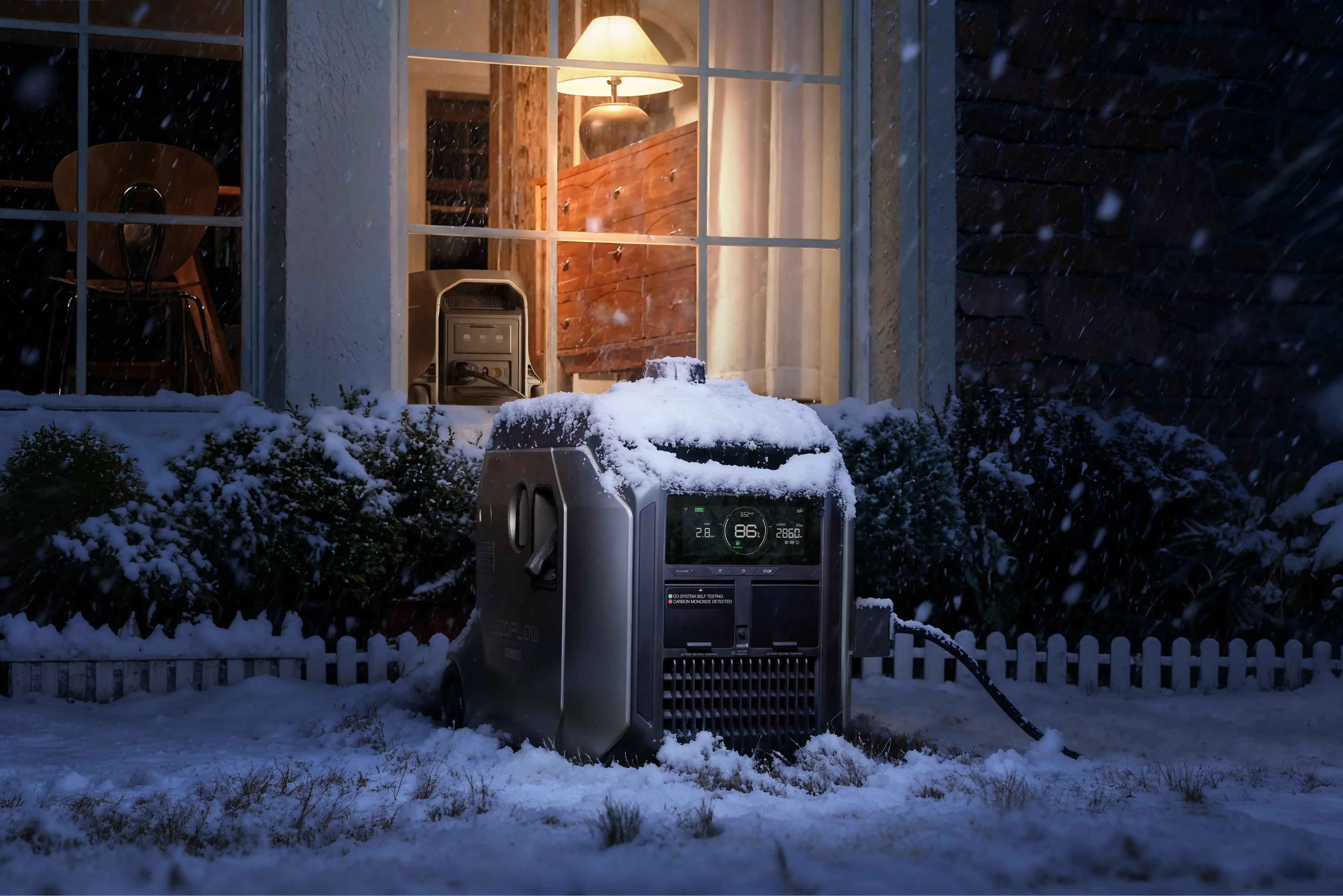
These are the most affordable entry points. Traditional models usually run on gas or propane. A portable power station sits at the higher end of this range, but they offer quieter operation and indoor safe use, which many homeowners prefer.
Whole-House Standby Generators ($8,000-$16,000+ CAD):
These are permanently installed systems connected to natural gas or large propane tanks. They turn on automatically and can power essential circuits, sometimes the entire home, but professional installation is part of the investment.
Solar and Battery Backup Systems ($15,000-$35,000+ CAD):
These are premium solutions focused on silent, long term reliability. They store energy and can recharge through solar panels, reducing ongoing fuel costs over time, essentially functioning as a large-scale solar generator for home backup.
Here’s a simplified comparison:
| Generator Type | Cost CAD | Total Cost of Ownership (TCO) | Typical Use |
|---|---|---|---|
| Portable | $500-$6,000 | ~$6,500 CAD: $5,000 unit + $1,500 installation + minimal maintenance | Small electronics, temporary backup |
| Whole-House | $8,000-$16,000+ | ~$12,500 CAD average: $10,000 unit + $2,500 installation + annual maintenance | Essential appliances, furnaces, sump pumps |
| Solar/Battery | $15,000-$35,000+ | ~$18,500 CAD initial + negligible operational cost, long-term solar recharge | Silent, eco-friendly, full-home backup |
Installation and Permits:
In most provinces, you’ll need a licensed electrician to install a transfer switch or smart panel, which can add $1,500-$4,000 to the total cost. Whole house gas or diesel systems must meet Canadian Electrical Code (CEC) requirements, so professional installation isn’t optional, it’s about safety and compliance.
The key is matching the investment to your actual risk and how disruptive an outage would be for your household.
When You Don’t Need a Home Backup Generator in Canada?
While backup power offers real peace of mind, it’s not essential for every household. In some situations, holding off on a major purchase simply makes more sense.
Areas with a Highly Stable Grid
If you live in a dense urban neighbourhood with underground power lines and outages rarely last more than 10-15 minutes, a full home backup generator might be unnecessary. In many downtown areas, restoration crews respond quickly and extended blackouts are uncommon.
Homes Needing Backup for Small Electronics Only
If your main priority is charging your phone to check weather alerts or keeping a laptop alive for a couple of hours, investing in a whole home system is overkill. A compact power bank or small portable station can handle that without taking up space or stretching your budget.
Condo and Apartment Dwellers
In high rise buildings in cities like Toronto or Vancouver, space and regulations can limit your options. Many modern condos already have building level backup systems for common areas like elevators and hallways. For most residents, a small battery unit is more practical than a full generator setup.
Renters or Short-Term Residents
In high rise buildings in cities like Toronto or Vancouver, space and regulations can limit your options. Many modern condos already have building level backup systems for common areas like elevators and hallways. For most residents, a small battery unit is more practical than a full generator setup.
Conclusion
For many Canadian homeowners, especially in rural areas or storm-prone regions, home backup electrical generators are more about protection than convenience. It’s practical insurance against frozen pipes, flooded basements, and unexpected downtime.
The upfront cost isn’t small, but one serious outage can easily make it worthwhile. It ultimately comes down to how often outages affect you, and how prepared you want to be when they do.
FAQ
1. What size generator do I need to backup my house?
It depends on how much you want to run. For most Canadian homes, a 5kW to 7kW system can cover essentials like the fridge, furnace, and sump pump. The safest way to size it properly is to add up the “starting watts” of your priority appliances before choosing a unit.
2. Is it better to have an inverter or a generator?
Inverter based power stations are often a better fit for modern households because they produce clean, stable electricity that’s safe for electronics like laptops and routers. They’re also quieter and, in many cases, safe for indoor use, unlike traditional gas generators.
3. Where is the best place to put a whole house generator?
Gas or propane generators should be installed outdoors on a flat surface, at least 1.5 metres (about 5 feet) away from windows and doors to prevent exhaust fumes from entering the home. Battery based systems offer more flexibility and can usually be placed safely in a garage or utility space.
4. How long can a generator run a sump pump?
It depends on the system’s capacity and how often the pump cycles. A larger battery backup can handle hundreds of pump cycles on a single charge, while fuel-powered systems can run as long as fuel is available.
5. What is the average lifespan of a whole home generator?
A properly maintained whole home generator typically lasts 15 to 30 years. Battery based systems are rated by charge cycles, with high quality LFP batteries often delivering 10+ years of consistent performance before noticeable capacity decline.