Sump Pump Wattage: Starting Vs Running Watts + Generator Sizing Guide
- What Is Sump Pump Wattage, and Why Does It Matter for Backup Power?
- What Is the Difference Between Starting Watts and Running Watts?
- How Many Watts Does a Sump Pump Use by Horsepower?
- How Do You Calculate the Right Generator Size for a Sump Pump?
- What Other Factors Affect a Sump Pump's Power Needs?
- How Can a Portable Power Station or Solar Generator Back Up Your Sump Pump?
- Frequently Asked Questions
- The Right Generator Size Keeps Your Sump Pump Running and Your Basement Dry During Outages
When your sump pump fails during an outage, it can quickly turn into a flooded basement. The same storms that trigger outages often bring heavy rain and groundwater inflow. Matching the right backup power to your sump keeps it running when it matters most.
Here's what to know about sump pump wattage, what factors affect its power needs, and how a PPS or solar generator can protect your sump pump when the power's out.
What Is Sump Pump Wattage, and Why Does It Matter for Backup Power?
Sump pump wattage refers to both the continuous power that the motor draws while pumping and the brief but increased surge it pulls as soon as it switches on.
It's common to undersize backup power by overlooking surge power. An underrated unit can trip, stall, or fail to start the pump when you need it most.
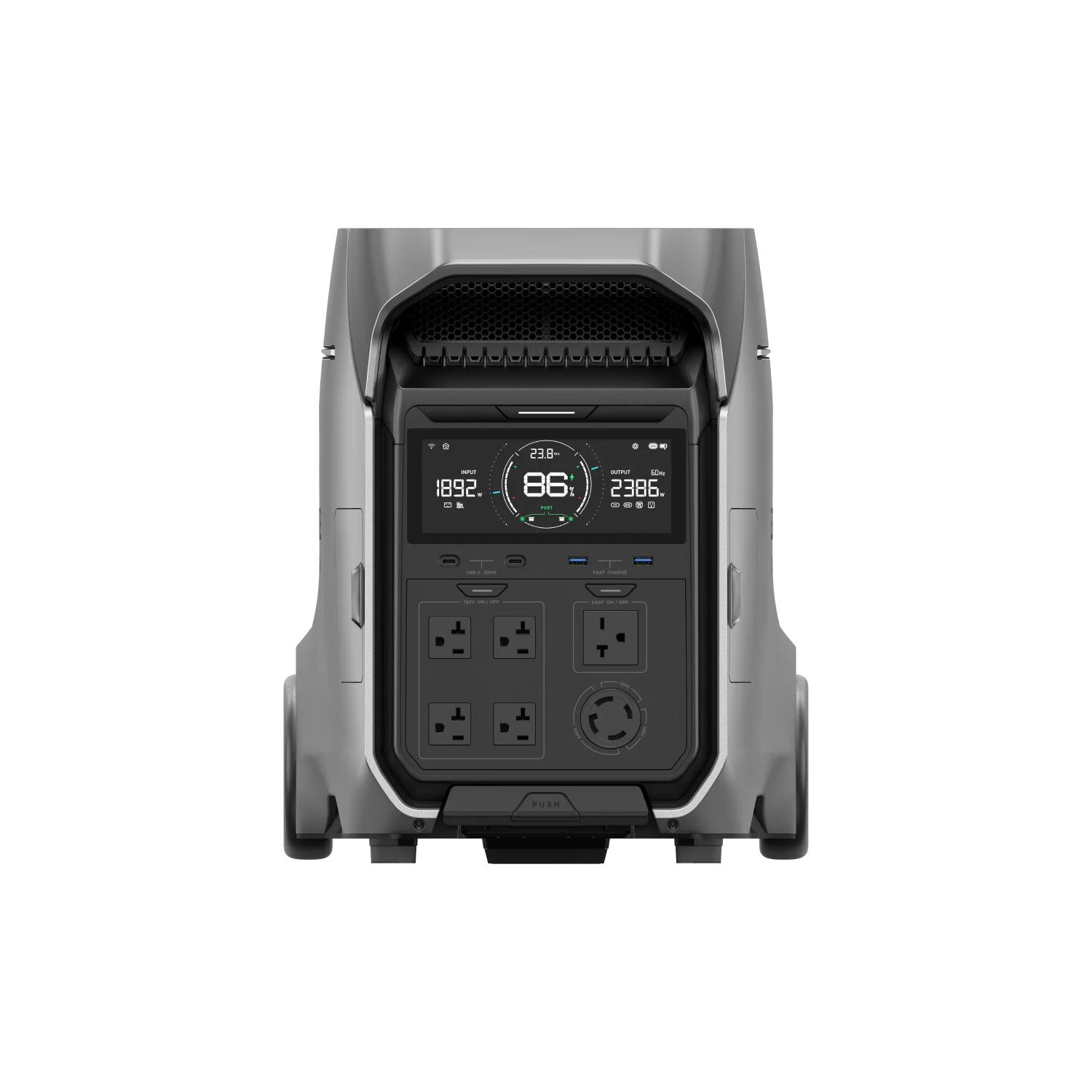
A properly sized setup, on the other hand, such as a 4,000-watt generator, typically has enough surge headroom to start a larger residential pump without issues. Battery-based options like the EcoFlow DELTA Pro 3 pair a high running output with a much larger surge rating, which matters most for motor-driven loads like a sump pump.
What Is the Difference Between Starting Watts and Running Watts?
Running watts is the steady electrical load that a sump pump motor draws once it's already spinning.
Starting watts, which can also be referred to as surge watts, is the momentary spike a motor pulls as soon as it's energized.
For most sump pumps, starting and running watts don't have a fixed ratio. The difference depends on how the motor is designed, but a 2-3x multiplier over running watts isn't uncommon.
How Many Watts Does a Sump Pump Use by Horsepower?
Wattage scales with horsepower, but it’s not perfectly linear — horsepower rating doesn't guarantee a specific wattage, but gives you a good starting point. For a closer look at how many watts a sump pump uses, here’s a breakdown by horsepower class:
1/3 HP Sump Pumps
General guidelines on running wattage fall around 800W, and the starting wattage can spike to roughly 1,300 to 2,900W depending on the model. Look for a backup power source rated for at least 3,000W of surge capacity for comfortable headroom for this class of pump.
1/2 HP Sump Pumps
For a 1/2 HP model, running wattage tends to fall around 1,050W, with starting wattage ranging from about 2,150 to 4,100W. A 2,000W generator often covers a 1/3 HP pump surge, but it can fall short for 1/2 HP models, which can spike well above that threshold. So you'll want to look for something larger.
3/4 HP and 1 HP Sump Pumps
These bigger pumps are more common in flood-prone basements, homes with high water tables, or light commercial settings. Running wattage for this class usually lands in the 1,500 to 2,000W range, though applying that 2–3x range to this class's running wattage puts starting watts at roughly 3,000 to 6,000W on the high end.
How Do You Calculate the Right Generator Size for a Sump Pump?
Start the process by listing all the appliances you want the backup source to run simultaneously and add the running wattages. Appliances that cycle on and off (sump pumps, refrigerators, air conditioners) draw a power spike the moment they switch on. Size the unit for the single highest starting watt appliance on top of the combined running load.
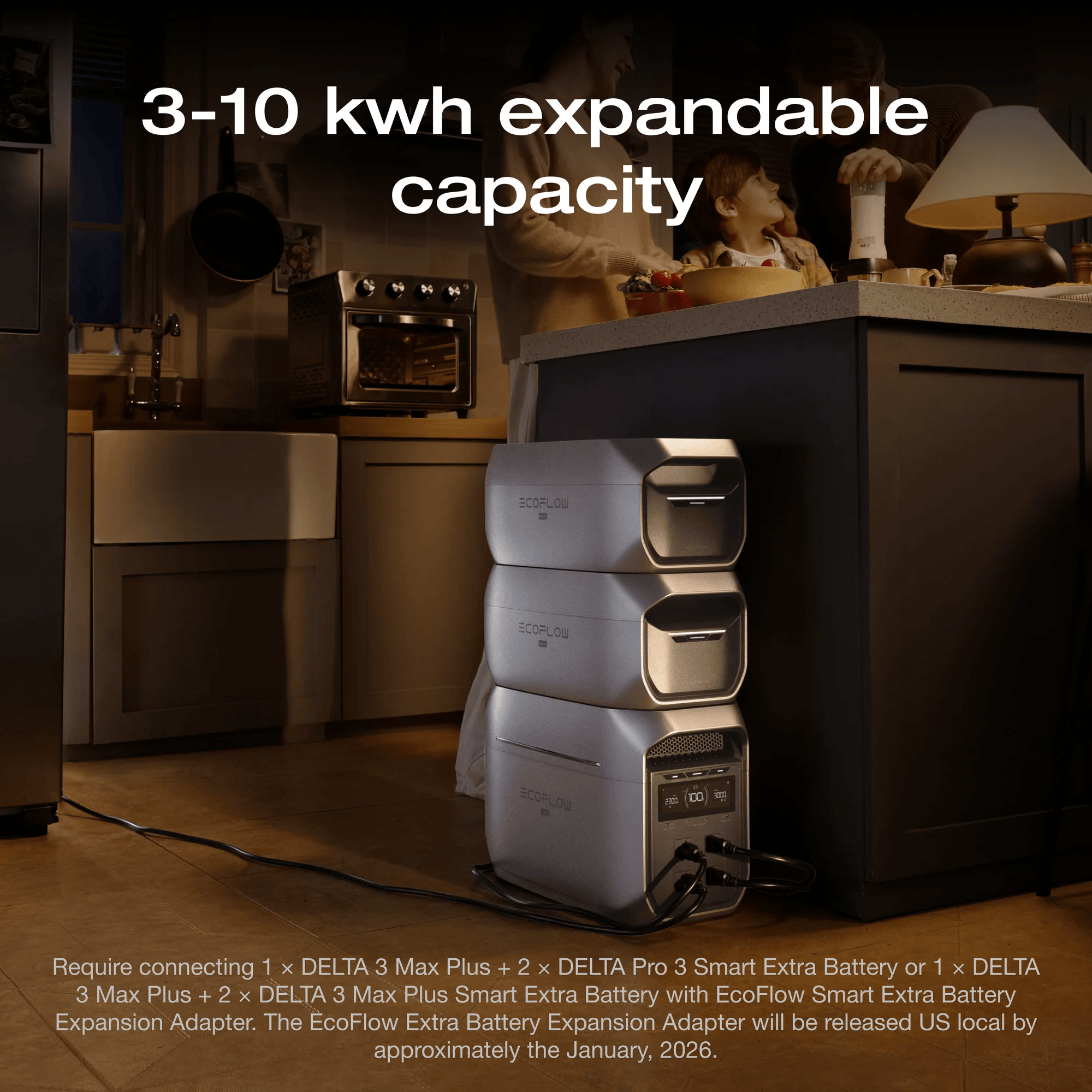
A good option is a scalable unit like the EcoFlow DELTA 3 Max, which allows headroom for the sump pump surge plus other essential circuits.
What Other Factors Affect a Sump Pump's Power Needs?
Pump age and wear. Older motors draw more current as bearings/seals degrade.
Cycling frequency. Repeated starting-watt spikes draw more power.
Discharge pipe length and diameter. Adds resistance.
Voltage drop from extension cords/undersized wiring. Draws more current.
How Can a Portable Power Station or Solar Generator Back Up Your Sump Pump?
A battery-based power station switches over near instantly during an outage, unlike a fuel generator that requires you to manually start it up.
Battery or solar-powered portable generators also produce no carbon monoxide and can be used indoors, unlike fuel-burning units that must run safely outside. Adding solar recharging can extend runtime during multi-day outages without having to store extra gasoline or propane.
A whole home backup power solution integrates a sump pump circuit with other essentials, using just one system to cover both flood protection and everyday power needs.
Frequently Asked Questions
How Many Starting Watts Does a 1/2 HP Sump Pump Need?
A 1/2 HP sump pump typically needs around 2,150 to 4,100W starting, depending on the specific motor and manufacturer. Running watts, however, are lower, usually around 1,050W once the motor is up to speed. The wide range comes down to differences in motor design, so checking the pump's nameplate rating gives you the most accurate figure for your specific unit.
Can a Portable Power Station Run a Sump Pump During an Outage?
Yes, a PPS can run a sump pump as long as the unit's surge output covers the pump's starting watts. Models with a running output in the 2,000 to 3,000W range, and proportionally higher surge capacity, can typically handle 1/3 to 1/2 HP pumps comfortably.
What Size Generator Do You Need to Run a Sump Pump and Other Appliances Together?
Add up the running watts of every appliance you want to run simultaneously, and then add the starting watts of only the single largest motor-driven appliance. Oversizing slightly gives you a safety margin for voltage drop, aging equipment, and simultaneous startups. This approach avoids the common mistake of adding every appliance's starting watts together, resulting in an oversized unit.
How Long Can a Battery Backup Run a Sump Pump During a Storm?
The runtime formula is battery capacity in watt-hours divided by the pump's running wattage, and then adjusted for inverter efficiency. A pump that cycles intermittently rather than running continuously will stretch a battery's charge further than constant operation. Larger-capacity units naturally extend this runtime, which matters most during multi-day outages.
The Right Generator Size Keeps Your Sump Pump Running and Your Basement Dry During Outages
Sizing your backup power around starting watts, not just running watts, is the biggest key to ensuring your sump pump stays operable during an outage. Horsepower is a good starting point, but the pump's nameplate rating is what should guide your final decision.
An expandable option like the EcoFlow DELTA Pro 3 is flexible, as it allows you to increase capacity if your power needs grow beyond the sump pump.