Gas Generator vs. Solar Generator: The 2026 Canadian Cost Comparison
- What Is the Difference Between Gas and Solar Generators?
- How Much Do Gas Generators Cost in 2026?
- How Much Do Solar Generators Cost in 2026?
- What Are the Long-Term Fuel and Maintenance Costs?
- Which Option Performs Better During Power Outages?
- Which Generator Type Is Better for Canadian Weather Conditions?
- Frequently Asked Questions
- Solar Generators Cost More Upfront but Reduce Fuel Costs and Maintenance Over Time
For most Canadian households, solar generators cost more upfront but come out ahead over a 5–10 year window once you factor in fuel, maintenance, and the unpredictability of Canadian gas prices. Gas generators remain a viable option for those who need unlimited runtime or already have a natural gas line, but the long-term math rarely favours them.
Below you'll find updated 2026 cost estimates for both options, along with a breakdown of how climate, fuel availability, and cold-weather performance factor into which choice makes more sense for Canadian buyers.
What Is the Difference Between Gas and Solar Generators?
Gas generators use fuel and an internal combustion engine to produce AC power on demand. Their fuel source can be gasoline, propane, or natural gas.
During operation, gas generators are loud and require outdoor operation due to the risk of carbon monoxide poisoning. They also need regular mechanical maintenance over time. They can range from small portables to whole-home standby units wired to a natural gas line.
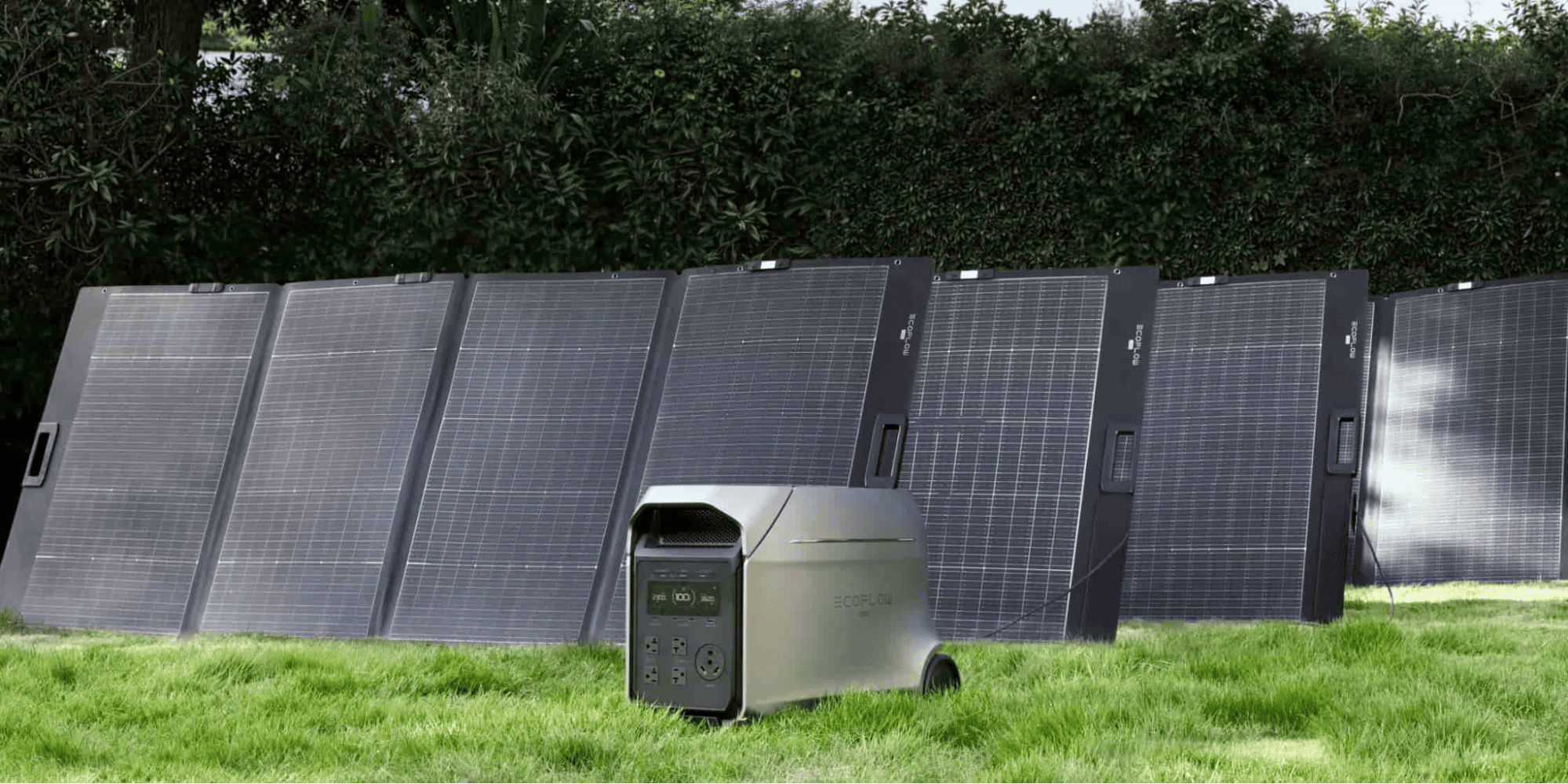
Solar generators, on the other hand, don’t require fuel. They use a battery and inverter duo along with solar panels to capture and store energy, running silently with no emissions.
The EcoFlow DELTA 3 Ultra Plus Portable Power Station (3072Wh) is an example of a solar generator with expandable capacity from 3kWh to 11kWh and a 3600W output.
Solar generators start as compact portable stations and range all the way to whole-home backup power solutions. Portability also makes them the stronger choice when weighing a solar or gas generator for camping, where noise, emissions, and the absence of fuel resupply points all work against gas.
How Much Do Gas Generators Cost in 2026?
In 2026, a small portable gas generator typically starts around $500 CAD. If you move up to a mid-range inverter model around 3000W output, that runs $900–$1,300 CAD. Those who opt for a whole-home standby unit can reach $6,100–$7,800 CAD for the unit alone.
These are just the upfront equipment costs. You'll also need to pay for installation, including the certified electrician, licensed gas fitter, permits, and transfer switch, for an additional $3,000–$5,500 CAD.
Canadian installations also require a cold-weather kit, including battery warmers and oil heaters, which can add roughly $250. But if your home is older and has 100-amp panels, you may also need a panel upgrade, which can add $1,500+, bringing the total costs between $10,000 and $16,000 CAD.
How Much Do Solar Generators Cost in 2026?
An entry-level portable solar generator, including the station itself plus panels, usually starts around $3,000 CAD. A more robust home backup system, however, ranges from $5,000–$10,000 CAD.
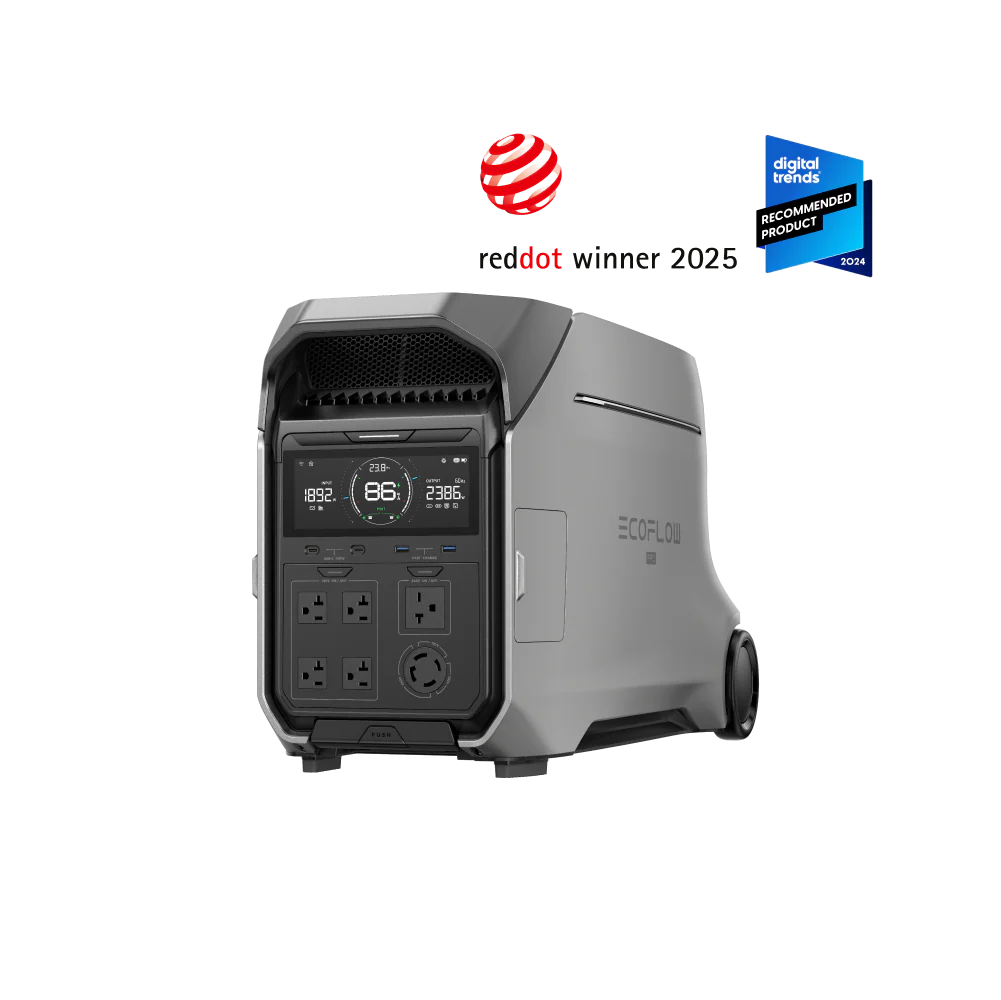
For example, the EcoFlow DELTA Pro 3 Portable Power Station (at 4,096Wh capacity, 4,000W output with dual 120V/240V output) runs $2,999 CAD.
Portable solar generators do not require installation permits, gas line connections, or licensed contractors, reducing total startup costs.
What Are the Long-Term Fuel and Maintenance Costs?
As of April 2026, average Canadian gas prices hovered around 178.8 cents per litre. If planning for a typical 3-day power outage, that’s 60–80 litres or $110–145 for fuel.
That doesn't begin to account for gas generator maintenance. You'll need to cover the cost of oil changes, spark plug replacement, battery checks, new air filters, and load tests, which can run a few hundred dollars per year.
If storing gasoline, you'll also need a fuel stabilizer, which adds cost and complexity. For those with natural gas generators, you'll avoid the need for storage, but will require periodic gas line and regulator inspections. You'll also pay for any usage on your monthly gas bill.
Solar generators don’t have fuel costs and require minimal maintenance. There's no oil, no filters, and no spark plugs. They're rated for roughly 10+ years of use, bringing the lifetime cost of ownership of a solar generator system far below that of a mid-range gas generator.
Which Option Performs Better During Power Outages?
Gas generators can provide continuous runtime as long as you have fuel available, but solar is often better than gas generators for backup power if fuel supply chains are disrupted, such as if gas stations lose power or there’s widespread grid failure.
Solar generators can switch to backup power in 10 ms, preventing device restarts. They also recharge passively from panels during daylight.
Which Generator Type Is Better for Canadian Weather Conditions?
Because Canadian weather can be brutally cold, gas generators require cold-weather kits so they can start reliably below -20ºC. LFP batteries used in EcoFlow solar generators operate between -20ºC and 60ºC for discharge. When it drops below -20ºC, LFP cells can retain approximately 70–80% of their rated capacity.
Shorter winter daylight hours and lower sun angles in Canada can mean a slower recharge time for panels, but keeping them clear of snow and pairing them with AC or generator input can help compensate.
Frequently Asked Questions
Is a Solar Generator Better Than a Fuel Generator?
Whether a solar generator is better than a fuel generator depends primarily on the use case. However, for most Canadian households facing occasional outages, solar generators offer better value over a 5–10 year horizon because they have zero fuel dependency and minimal maintenance.
Are Solar Generators Worth It in Canada?
Solar generators are worth it for most Canadian buyers because there are no ongoing fuel costs, no maintenance contracts, and expandable capacity to cover the majority of your household outage needs.
Solar Generators Cost More Upfront but Reduce Fuel Costs and Maintenance Over Time
Gas generators have a lower upfront cost and unlimited runtime with enough fuel, but solar generators eliminate fuel costs entirely and minimize long-term maintenance, despite their higher purchase price.
When you look at the lifetime of ownership of these technologies, solar becomes a better option, especially as Canadian gas prices remain volatile.
If you're managing outages that last from a few hours to a few days, consider pairing a solar generator like the EcoFlow DELTA Pro 3 Portable Power Station with panels for a lower-friction, lower-cost, long-term choice.