How Do Wildfires Start? Causes, Risks, and Backup Power Preparation for Power Outages in Canada
Wildfires have become a regular part of summer across much of Canada. They can damage forests, threaten communities, and cause power outages when flames, smoke, or falling trees affect electrical infrastructure. Utilities may also shut off power as a safety precaution to protect workers and nearby residents. Depending on the situation, outages can last for hours or even several days.
This guide explains what causes wildfires, why they can lead to blackouts, and how to prepare your home with emergency supplies, backup power, and solar charging options to keep essential devices running during an outage.
What Causes Wildfires to Start?
Wildfires in Canada are usually caused by either lightning or human activity. Once a fire starts, weather conditions determine how quickly it grows and spreads.
Natural Causes of Wildfires
Lightning is one of the leading natural causes of wildfires in Canada. According to Natural Resources Canada, lightning starts about half of Canada’s wildfires but causes nearly 85% of the total area burned each year. This is because lightning-caused fires often occur in remote forest areas, where they may be harder to detect and contain early. When conditions are hot and dry, lightning strikes can ignite dry vegetation and contribute to rapidly spreading wildfires.
Why Wildfires Are Becoming More Frequent in Canada
Longer summers, hotter temperatures, and prolonged drought conditions are pushing wildfire risk up across much of Canada. Milder winters mean less snow, so the ground and brush dry out earlier each spring. When that dry spell stretches on, forests turn into kindling. One lightning strike or stray spark can start a wildfire when dry conditions and available fuel are present.
How Wildfires Spread and Why They Cause Power Outages
Once a wildfire starts, wind, dry vegetation, and terrain determine how quickly it spreads. These same conditions can also damage power lines or force utilities to shut off electricity, so even a fire several kilometres away may cause a power outage.
Factors That Help Wildfires Spread Quickly
Weather, vegetation, and terrain all shape how a wildfire moves. High winds can push flames into new areas and carry embers across valleys, starting fresh fires well ahead of the main front. Steep slopes speed things up too. Heat rising up the hill dries out the vegetation above, so the fire climbs faster than you’d expect. All three factors together can turn a manageable fire into a fast‑moving one.
How Wildfires Damage Canada's Power Grid
Wildfires don’t need to reach your front door to knock out your power. Extreme heat and fire conditions can weaken or damage electrical infrastructure. Smoke can cause arcing. Falling trees take out poles and conductors. And sometimes utilities may intentionally shut down power to protect workers and reduce additional fire risks. Even communities located away from active fire zones may experience outages, making a portable power station a practical option for keeping essential home devices running during unexpected blackouts.
Which Canadian Regions Are Most at Risk?
Wildfires can break out anywhere across Canada, but the areas with historically higher wildfire activity include BC, Alberta, Saskatchewan, the Northwest Territories, and parts of Northern Ontario and Quebec. Dry summers, dense bush, and gusty winds all feed fast‑moving fires. And if your place backs onto the bush, you’re also more likely to lose power when wildfire season ramps up. Homes in higher-risk areas may face a greater chance of wildfire-related outages.
How to Prepare for Wildfire-Related Power Outages at Home
Wildfires can cause power outages with little warning. Knowing how to prepare and survive a wildfire ahead of time can help you stay safe and keep essential appliances running until power is restored.
Why Backup Power Matters During Wildfire Season
Most Canadian homes depend on electricity for essential daily functions. During wildfire-related outages, even short disruptions can affect food storage, communication, and daily routines. A reliable backup power solution can provide additional support while utility repairs are underway.
Build a 72-Hour Emergency Preparedness Kit
Get your 72‑hour kit together before wildfire season hits. Follow Canada’s emergency preparedness guidance and prepare essentials such as non‑perishable food, a first‑aid kit, flashlights, a battery‑powered radio, and copies of key documents. For water, plan for about two litres per person per day for drinking, cooking and hygiene. Keep everything in a backpack or bin you can grab and go if an evacuation order comes.
Protect Essential Home Appliances During Outages
A power outage can quickly affect everyday life. Food may spoil, sump pumps may stop working, and medical equipment may be interrupted. During extended outages, keeping essentials like refrigeration, lighting, internet access, and critical devices running can help your household stay comfortable and connected.
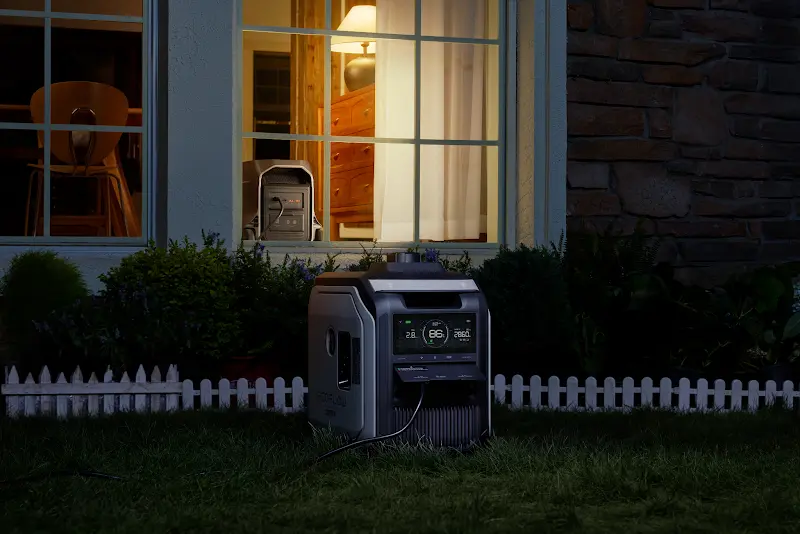
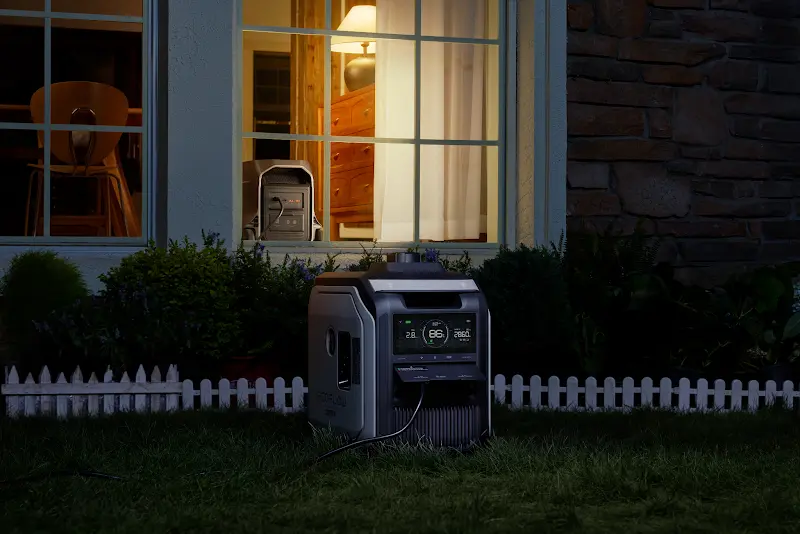
For Canadian homes that require longer backup duration, a high-capacity system like the EcoFlow DELTA 3 Ultra Plus Portable Power Station can provide additional support. Its expandable battery capacity, high output, and UPS function provide additional support for essential household devices when grid power is interrupted, helping extend backup availability during longer outages.
Stay Informed During Wildfire Emergencies
Stay informed throughout wildfire season. Monitor local news and ensure your phone is set up to receive emergency alerts through Alert Ready. Keep your phone charged so you can receive evacuation alerts and stay in touch with family and neighbours.
Choosing the Best Backup Power Solution for Wildfire Season
The best backup power solution depends on your home, your power needs, and how you plan to use it.
Portable Power Stations vs. Gas Generators
| Feature | Gas Generator | Portable Power Station |
|---|---|---|
| Safe to use indoors | No | Yes |
| Exhaust emissions | Yes | None |
| Noise level | High | Low |
| Fuel required | Gasoline or propane | No |
| Solar charging | No | Yes |
| Maintenance | Regular | Minimal |
| Suitable for wildfire-related outages | Limited | Well suited |
For wildfire-related outages, many homeowners prefer portable power stations because they operate indoors, don’t rely on fuel, and can be recharged with solar panels if the outage lasts several days.
What Features Matter Most During Wildfire Emergencies?
Choose a backup power system based on your household’s needs. Battery capacity, output, charging speed, and solar compatibility are some of the most important features to consider.
Portable Solar Power for Extended Grid Outages
Wildfire-related blackouts can last for hours or even several days. Relying on a single wall charge may not be enough during longer disruptions. However, the wildfire season in Canada often overlaps with longer daylight hours, making solar charging a useful option for extending available backup power when the grid is unavailable.
The EcoFlow DELTA 3 Max Plus + 400W Solar Panel can help support this type of extended backup setup. When paired with the solar panel, it can capture solar energy during daylight hours to help recharge the system and extend power availability during longer outages. With no need for fuel during operation and quiet performance, it offers a practical alternative for homeowners looking to reduce reliance on traditional generators. It provides a practical way to maintain access to basic power needs during extended outages or emergency preparation.
Staying Safe Before, During, and After a Wildfire
Follow official wildfire preparedness guidance to understand how to prepare, respond, and safely return after a wildfire.
Before a Wildfire
Get your property ready. Clear dry leaves, twigs, and any flammable junk off your roof, gutters, and around the foundation. Trim tree branches and maintain vegetation around your home to reduce wildfire risks. Make sure your backup power units are fully charged and easy to grab. Map out a couple of evacuation routes and establish a family communication plan. These simple steps can provide more time to respond and greater flexibility during an emergency.
During a Wildfire
If you get an evacuation order, grab your 72‑hour kit and your portable power station, load them in the car, and go. Don’t wait around.
If you’re not under an order but the smoke is thick, stay indoors. Seal windows and doors, and run a good air purifier. Keep the emergency radio on and stay tuned. Situations can change fast, and you want to be the first to know.
After Returning Home
Wait for local officials to give the all‑clear before heading back. When you do return, walk the property first. Check for hidden embers, structural damage, and any utility lines that look off. Before you go inside, make sure the water is safe to drink and the power lines are stable. Once everything checks out, take stock and restock your emergency supplies for the next time.


Conclusion
Wildfires are a growing reality for Canadian communities, but understanding how they start and how they affect the power grid helps you prepare more effectively. Put together a solid 72‑hour kit, back it with a clean solar‑ready power system, and keep a clear plan in place.
This preparation can help your household manage extended outages with fewer disruptions. Stay informed, prepare essential supplies, and take steps before wildfire season begins. Come wildfire season, your home will be safer, more comfortable, and ready for whatever comes.
FAQ
What Is the Most Common Cause of Wildfires in Canada?
Wildfires in Canada are mainly caused by human activity and lightning strikes. Human activity accounts for around half of wildfire starts, while lightning-caused fires are responsible for a much larger share of the total area burned each year.
Can Lightning Start a Wildfire?
Yes, lightning strikes are a major natural cause of wildfires across Canada, especially during hot, dry summer periods. “Dry lightning” storms can easily ignite dry forest canopies and remote underbrush without bringing any rain to extinguish the flames.
Why Do Utilities Shut off Electricity During Wildfires?
Utility companies proactively shut off power during wildfires to prevent live, damaged lines from sparking new fires and to protect emergency crew members working in the area. High winds can drop power lines into dry brush, creating severe safety hazards.
How Long Can Wildfire-Related Power Outages Last?
Wildfire-related power outages can last anywhere from a few hours to several consecutive days, depending on the extent of infrastructure damage. Repair crews cannot safely enter an area to replace burned poles and wires until active fires are fully contained.
Is a Portable Power Station Better Than a Generator During Wildfires?
A portable power station can be a safer and more practical option for many wildfire-related outages because it produces no exhaust emissions, operates quietly, and does not require fuel storage. This makes them significantly easier to pack and use during sudden community evacuations.
What Appliances Should I Power First During an Outage?
You should prioritize powering essential health and safety equipment first, such as home medical devices, refrigerators, deep freezers, Wi-Fi routers, and basic emergency lighting. Keeping these units operational prevents food spoilage and maintains vital communication channels.
Can Solar Panels Recharge a Portable Power Station During Wildfire Season?
Yes, solar panels are highly effective at recharging portable power stations during wildfire season because the peak fire months align with Canada’s longest and brightest summer days. Even if thick regional smoke partially reduces direct sunlight, high-efficiency panels will continue to supply valuable supplemental energy to your battery system.