Understanding Generator and Solar Power: How Do They Work Together?
- Why Are More Canadians Turning to Solar and Generator Power Solutions?
- What Is the Difference Between a Traditional Generator and a Solar Power System?
- How Do Solar Power and Generators Work Together in Hybrid Systems?
- How to Build an Efficient Solar + Generator Energy Setup at Home?
- What Should Canadian Buyers Consider Before Investing?
- Conclusion
- FAQ
Weathering a brutal Canadian summer storm or heading into Ontario’s Crown land for a remote camping trip requires a rock-solid energy setup. This comprehensive guide explores how traditional generators and modern solar energy systems work together in hybrid setups to deliver ultimate energy independence, comparing their mechanics, outlining the components of a robust home setup, and offering practical buying advice tailored specifically to the Canadian climate.
Why Are More Canadians Turning to Solar and Generator Power Solutions?
From coastal British Columbia to the rural communities of the Prairies, Canadians are taking a fresh look at how they power their lives. The old default of just plugging into the grid doesn’t cut it for a lot of people anymore. Between the extreme weather, a deep love for the outdoors, and a growing push for sustainability, there’s been a real shift in how we think about staying powered up.
Increasing Demand for Reliable Backup Electricity
From sudden severe thunderstorms in Quebec to wildfires in Alberta, severe weather is putting more pressure on local power grids than ever before. When regional grids collapse under scorching heatwaves and massive air-conditioning loads, a reliable backup system is a safety essential for keeping your cooling appliances running and your home secure.
Expanding Outdoor and Recreational Power Needs
Canada’s backcountry is as beautiful as it gets, but these days, adventurers still want to stay connected. Whether you’re fixing up a remote hunting cabin in Northern Ontario, taking an RV through the Rockies, or spending a weekend at the family cottage, having portable, reliable off‑grid power such as a solar generator has become a must‑have for the modern outdoor experience.
Growing Interest in Energy Independence at Home
With electricity rates on the rise in provinces like Ontario and Alberta, more homeowners are looking for ways to cut their monthly bills and shrink their carbon footprint. By generating their own power, Canadian families are protecting themselves from future rate hikes while building a more self‑sufficient household.
What Is the Difference Between a Traditional Generator and a Solar Power System?
To see how these two systems work so well together, it helps to look at what makes them different. Both are built to keep the power on when the grid goes down, but they tap into entirely different energy sources and engineering approaches to do it.
Gas Generators Burn Fuel to Produce Electricity
Traditional gas generators rely on internal combustion engines that burn gasoline, diesel, or propane to generate electricity. They convert mechanical energy into electrical power and can deliver reliable, high-output performance whenever you need it. However, they require regular refueling and maintenance, while also producing engine noise, exhaust fumes, and emissions.
Solar Systems Convert Sunlight into Electricity
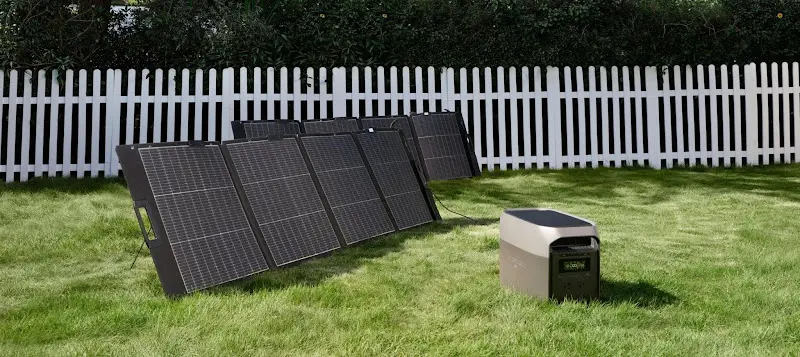
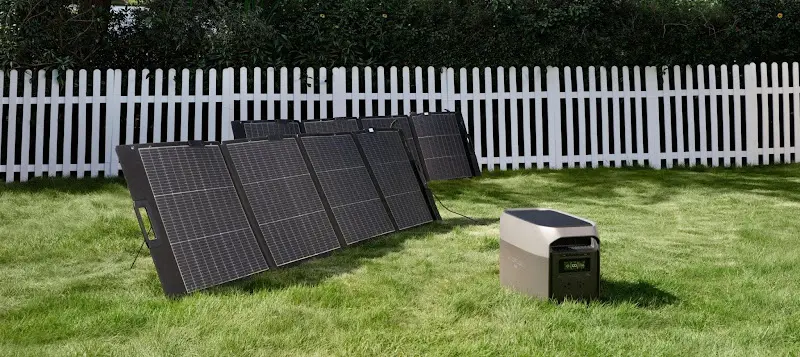
Solar systems use photovoltaic panels to capture sunlight and quietly turn it into clean DC electricity. That power then goes through an inverter to run your home, or gets stored in a battery bank for later. It’s emission‑free, low‑maintenance, and once it’s set up, it can help reduce reliance on grid electricity.
How Do Solar Power and Generators Work Together in Hybrid Systems?
Instead of picking between gas and solar, smart energy planning brings them together in a high‑efficiency hybrid setup. Combining solar with a backup generator gives you the benefits of both: clean energy for everyday use and dependable backup power when solar production drops.
Solar Energy Provides Daily Primary Power
In a typical hybrid setup, solar panels supply a significant portion of daytime electricity demand. During daylight hours, the PV system can offset consumption from devices such as home office equipment and kitchen appliances, helping reduce reliance on grid electricity.
Generator Provides Backup When Solar Is Low
When heavy summer downpours or days of overcast storm clouds cut into your solar output, the gas generator steps in as your ultimate safety net. It kicks in to handle heavier loads or fill the gap until the sun comes back out.
Battery Stores and Balances Energy Use
A battery does much more than store electricity. It balances when energy is produced and when it’s actually needed, helping households make better use of their solar generation. Solar output typically peaks during midday when household demand might be low, while peak electricity usage often spikes during the evening or during overcast periods. A high-quality battery bridge eliminates this mismatch by storing excess daytime generation and releasing it exactly when you need it most.
A prime example of this seamless time-shifting balance is the EcoFlow DELTA 3 Ultra + 400W Solar Panel kit. This heavy-duty system captures and stores excess solar energy generated during peak daylight hours, saving it to be released smoothly during high-demand periods or long overnight stretches. By keeping your home supplied with continuous, reliable electricity, it helps Canadian households stabilize their energy supply-and-demand cycles while significantly maximizing their overall solar self-consumption rate.
Systems Switch Automatically Between Sources
Modern hybrid systems use intelligent transfer and energy management systems to automatically switch between power sources. When battery state of charge drops below a predefined threshold or grid conditions become unstable, the system can reroute power or start a backup generator to maintain continuous electricity supply.
How to Build an Efficient Solar + Generator Energy Setup at Home?
Putting together a high‑performance hybrid power system takes some careful planning and the right component match. You want your generation capacity, storage size, and backup safeguards to line up with your household’s actual daily energy needs.
Choosing the Right Battery Storage Capacity
Your battery capacity determines how long your home can run on stored solar before you need backup. When sizing your storage system, it is important to account for essential baseline loads such as the refrigerator, well pump, and heating system fans, ensuring sufficient energy capacity to maintain critical household functions throughout the night.
Matching Solar Panel Output with Daily Consumption
To keep your batteries topped up, your solar array needs to be sized right for where you live. In Canada, winter days are short, so oversizing your panel wattage makes sure even a few hours of winter sunlight can generate enough power to cover your daily use.
Integrating Backup Generator for Energy Security
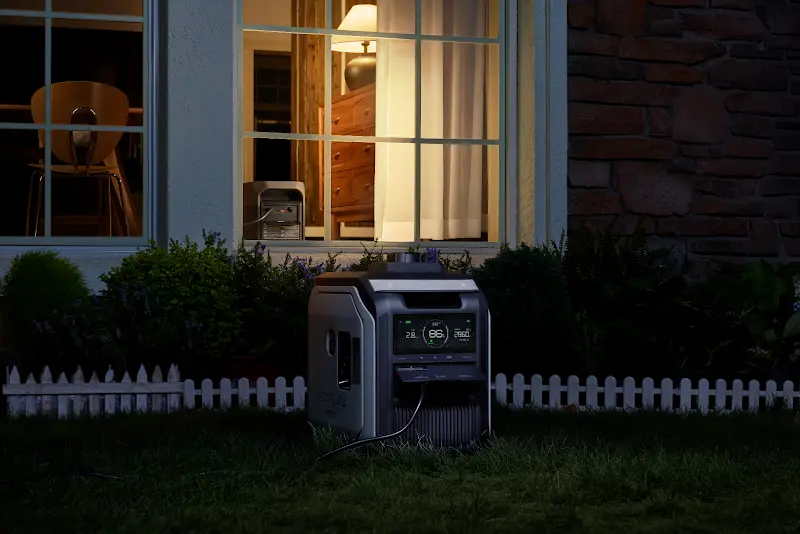
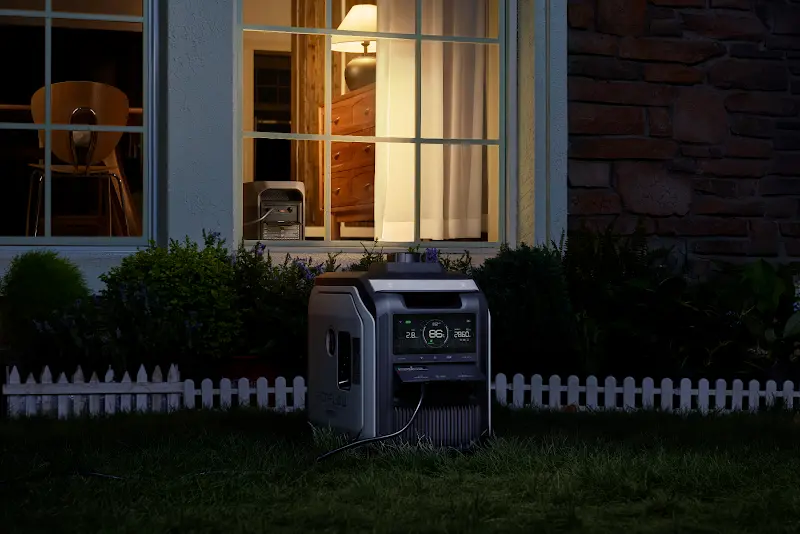
Integrating a backup system such as a solar power generator adds an extra layer of energy security to a residential solar setup, especially during severe storms, power outages, or unexpected spikes in energy demand. It serves as a reliable backup plan, automatically stepping in when your battery level drops below a preset threshold. With today’s smart energy systems, the transition happens seamlessly in the background, keeping your essential appliances running without any manual setup.
For homeowners looking for a practical all-in-one solution, the EcoFlow DELTA 3 Max (2048Wh) + 400W Solar Panel bundle is a great example of how solar generation and backup power can work together. During the day, the solar panel helps power your devices while storing excess energy in the battery. When sunlight is limited or the grid goes down, the system automatically switches to battery power to keep your home essentials running. With plenty of output capacity for multiple high-power devices, it offers Canadian households a reliable, low-maintenance way to stay powered through outages and everyday energy needs.
Optimizing Energy Use with Smart Load Management
With a smart home panel or intelligent power strips, you can prioritize essential gear, like medical devices and your fridge while automatically cutting back on non‑critical loads during an outage. This helps maximize overall system runtime when backup power is needed most.
What Should Canadian Buyers Consider Before Investing?
To get the most out of your hard‑earned money, there are a few things you’ll want to keep in mind before you pull the trigger, especially given how Canadian conditions come into play.
Local Climate and Seasonal Sunlight Availability
Canada’s dramatic seasonal swings have a huge impact on solar output. Summer gives you long, sunny days, but winter brings short daylight hours and snow that can cover your panels. That’s why a rugged hybrid system with a builtin generator is key to keeping things consistent all year round.
Installation Complexity and Portability Requirements
Think about how you’re going to use it. If you want a whole-home battery backup system, a permanently installed system is probably the way to go, though it usually means hiring an electrician and pulling permits. If you’re after power for camping, the cottage, or RV trips, a portable plug‑and‑play setup gives you a lot more flexibility.
Long-Term ROI and Energy Cost Savings
The upfront cost of a premium hybrid solar system can be a significant initial investment, but the long-term benefits may help offset these costs over time. By reducing peak-rate electricity consumption, lowering reliance on fuel-based backup power, and taking advantage of available clean energy incentives, the system can improve overall energy efficiency and may increase the value of your home.
Conclusion
In a country as big and weather‑unpredictable as Canada, having a reliable power supply is a top priority for homeowners and outdoor enthusiasts alike. Relying solely on a loud, gas‑guzzling generator gets expensive and draining fast. And depending only on solar can leave you in the dark during those long, stormy winter weeks. But bring both together in a single hybrid system, and you’ve got the best of both. Clean, free daily solar energy, backed by the rock‑solid security of a generator that fires up when you need it. This type of setup combines solar power and generator systems to improve energy reliability during severe Canadian weather conditions, including storms, snow events, and power outages.
FAQ
Can You Run a Whole House on a Solar Generator?
It is possible to power an entire home with a solar generator in certain configurations, depending on the system’s output capacity and the household’s total energy demand. High-capacity systems can support essential appliances such as refrigerators, well pumps, lighting, and climate control fans during a power outage.
Can a Solar Generator Run All the Time?
A solar generator can operate continuously when the energy generated from solar panels or other input sources is sufficient to balance the system’s power consumption. In a well-designed hybrid setup, solar panels generate electricity during daylight hours while the battery supplies power when solar input is limited, helping maintain near-continuous operation under stable conditions.
Can You Overcharge a Solar Generator?
No, under normal operating conditions, a solar generator cannot be overcharged because modern units are equipped with a Battery Management System (BMS). This system monitors cell voltage and temperature and automatically regulates or stops charging when the battery approaches full capacity, helping protect the battery from overheating and long-term degradation.
How Long Can a Solar-Powered Generator Run?
A solar-powered generator can operate for an extended period if the daily solar recharging energy matches or exceeds the household’s total electrical consumption. If you are running entirely on stored battery power without active recharging from solar panels or a backup generator, a premium unit will typically power essential home loads for around 12 to 48 hours, depending on battery size and usage.
Do Solar Generators Work in Cold Weather?
Yes, solar generators can operate effectively in cold weather, although extremely low sub-zero temperatures may temporarily reduce battery efficiency and usable capacity. To maintain optimal performance during harsh Canadian winters, it is recommended to keep the main battery unit in a temperature-controlled or insulated indoor space while placing the weather-resistant solar panels outdoors to capture available winter sunlight.