Ontario Electricity Costs Per kWh in 2026: Current Rates, TOU Tiers, and Tips to Lower Your Hydro Bill
- What Is the Average Cost of Electricity in Ontario in 2026?
- How Does Ontario's Time-of-Use Pricing Work?
- What Is the Tiered Pricing Option and Who Does It Suit?
- How Can You Lower Your Hydro Bill?
- Can Solar and Battery Storage Reduce What You Pay for Electricity?
- Frequently Asked Questions
- Save, Stabilize, and Protect Your Home With Modern Energy Management
With household budgets under strain in 2026, any way to reduce the cost of your hydro bill is welcome. This guide looks at electricity costs in Ontario, including TOU tiers and tiered pricing, as well as options to reduce your bill.
What Is the Average Cost of Electricity in Ontario in 2026?
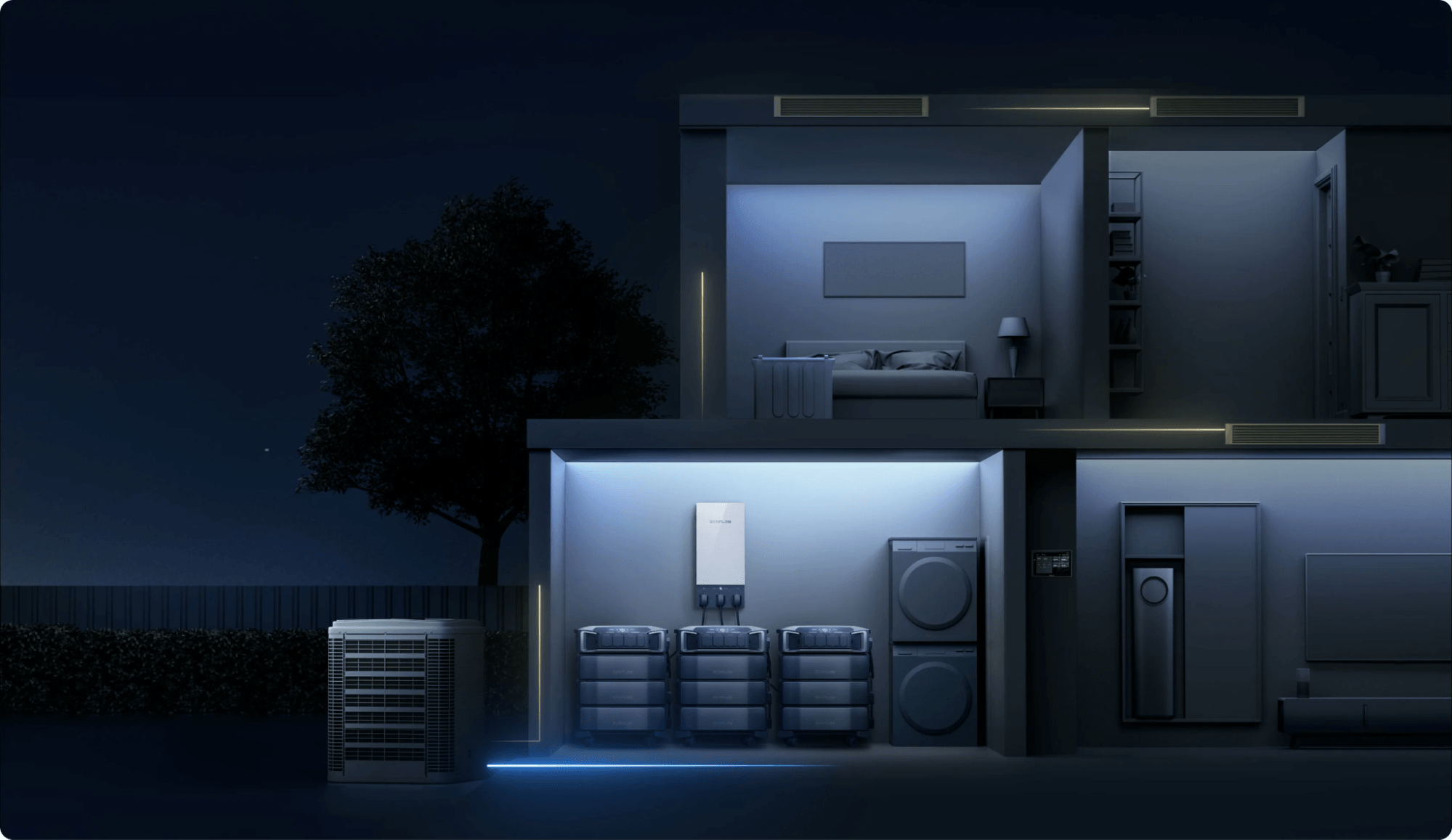
When you’re trying to save on your utility bills, it’s good to look at every option, from investing in whole-home backup power solutions like an EcoFlow DELTA Pro Ultra to simply making changes to how you use energy.
This starts by knowing the average cost of electricity in Ontario, which depends on the supply plan you have opted for.
The standard Time-of-Use (TOU) pricing plan sets different prices for different times of day. The lowest rate is 9.8 ¢/kWh (cents per kilowatt-hour), but this rises to 20.3 ¢/kWh during on-peak hours.
If you have selected Tiered pricing, the cost is either 12.0 ¢/kWh or 14.2 ¢/kWh, which depends on how much power you use.
This is just the raw electricity supply rate, and it only represents a portion of your monthly bill. The rest includes localized service charges like volumetric delivery fees, transmission network maintenance costs, line losses, and standard regulatory fees.
The Ontario Electricity Rebate (OER) also helps to reduce costs in some cases by applying a 23.5% credit to eligible bills before the Harmonized Sales Tax (HST) is added.
How Does Ontario's Time-of-Use Pricing Work?
Time-of-Use (TOU) pricing tracks when you use power, and the cost per kWh changes depending on the time of day. When energy demand is highest, it costs more; when it’s lowest, it costs less.
Off-Peak Hours
This is when the lowest rate applies, which is currently 9.8 ¢/kWh. The discounted rate lasts every evening throughout the year from 7:00 pm until 7:00 am, as well as Saturdays, Sundays, and official statutory holidays.
Mid-Peak Hours
Mid-peak hours apply to periods of the day with moderate energy demand, and the cost is 15.7 ¢/kWh.
During the summer schedule, from May 1 to October 31, this lasts from 7:00 am to 11:00 am and from 5:00 pm to 7:00 pm. During the winter schedule, from November 1 to April 30, it lasts from 11:00 am to 5:00 pm.
On-Peak Hours
This is the most expensive time of the day, with a cost of 20.3 ¢/kWh — over double the off-peak price.
In summer, this period is from 11:00 am to 5:00 pm. In winter, it’s from 7:00 am to 11:00 am and again from 5:00 pm to 7:00 pm.
What Is the Tiered Pricing Option and Who Does It Suit?
While TOU is the most common, there are different types of electricity rates to choose from in Ontario, one of which is tiered pricing. This isn’t affected by when you use electricity but by how much you use. If you opt for this, you will pay a flat rate, which is either:
Tier 1 — 12.0 ¢/kWh.
Tier 2 — 14.2 ¢/kWh.
Tier 1 pricing applies to the first 600 kWh of monthly usage in the summer and the first 1,000 kWh in the winter.
If you have high daytime power usage in your household, this could be a better option if you want to save money, and it can help shield you from the higher on-peak costs.
How Can You Lower Your Hydro Bill?
There are several ways to lower your hydro bill, including behavioural changes and home upgrades:
If you’re on the TOU plan, try load shifting, where you program your major appliances, like the dishwasher, to run after 7:00 pm or on the weekends.
You could also use less energy by installing a smart thermostat, which can help reduce your energy use by only heating your home when needed.
Swapping old incandescent light bulbs for LEDs is another simple way to save energy.
It’s also worth reducing “vampire loads.” This refers to devices like home entertainment systems that use energy even when turned off. By using a smart power bar, you can ensure they turn completely off when not being used.
Can Solar and Battery Storage Reduce What You Pay for Electricity?
Solar panels can save you a significant amount on your electricity bill because you’re generating power without drawing from the grid.
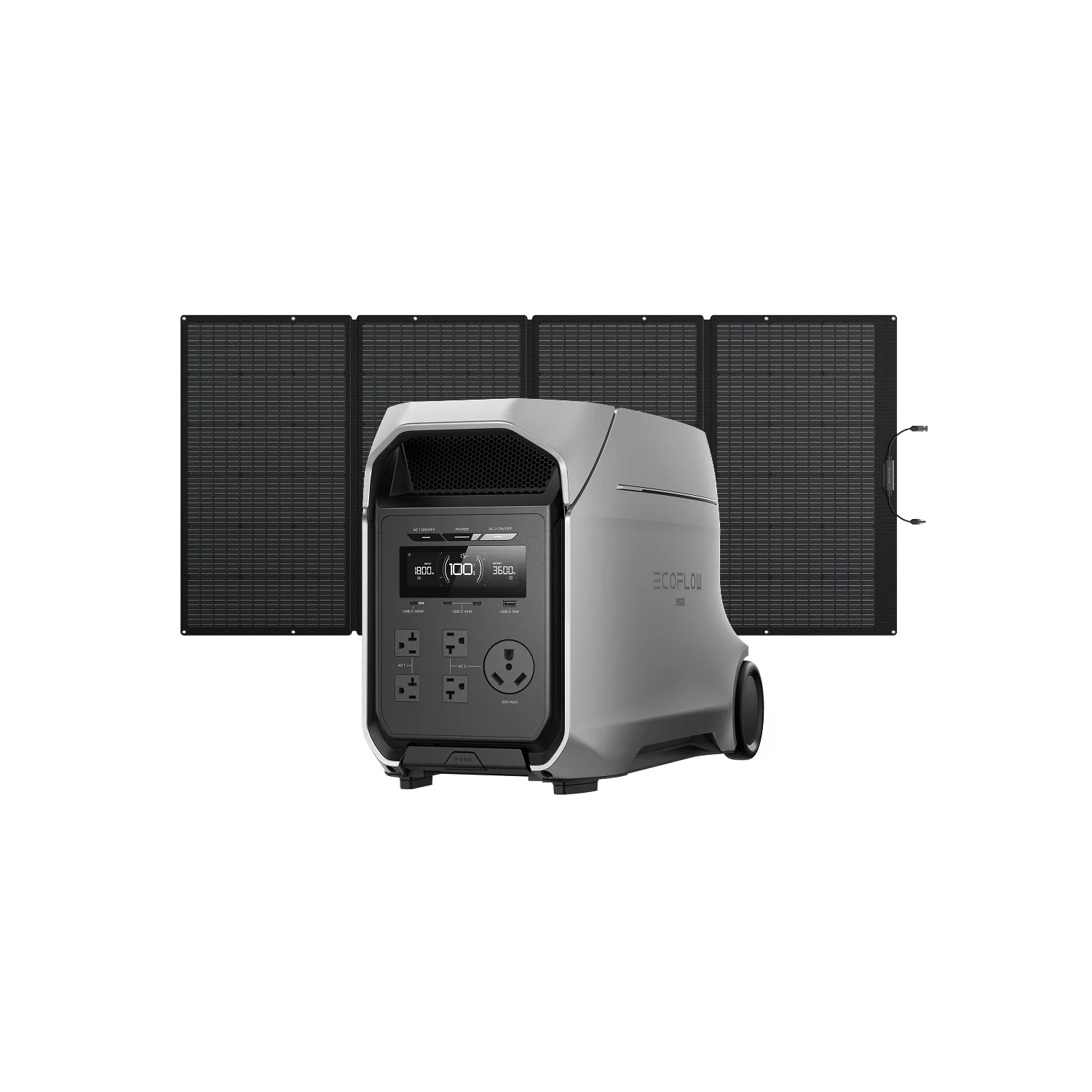
You might also want to consider using advanced battery storage setups like the EcoFlow DELTA 3 Ultra Plus + 400W Solar Panel. With a device like this, you can generate solar power to charge up the power station and then use it to power devices in your home.
Peak shaving, or load shifting, is where you charge a battery station overnight, then power up household appliances during the day to take advantage of the lower overnight rate.
You could even transition to the Ultra-Low Overnight (ULO) rate plan, which costs 3.9 ¢/kWh for overnight energy use, to save more using this strategy.
Frequently Asked Questions
How Much Does 1 kWh of Electricity Cost in Ontario?
Under the TOU plan, the raw cost of electricity for 1 kWh depends on the time of day. The cost is 9.8¢ for off-peak hours, 15.7¢ for mid-peak hours, and 20.3¢ for on-peak hours. The tiered plan costs either 12.0¢ or 14.2¢, and the Ultra-Low Overnight plan costs 3.9¢ for the overnight rate.
How Much Can I Save By Shifting to Off‑Peak or Adding Battery Storage?
Moving your heaviest consumption tasks, like dishwashing and laundry, to off-peak periods can save you up to 10.5 ¢/kWh compared to on-peak periods. By using a battery storage system, you can offset on-peak windows and potentially increase your monthly savings further.
Save, Stabilize, and Protect Your Home With Modern Energy Management
If you want to save money on your hydro bill in Ontario, carefully review your current plan and energy habits. This might mean changing the time of day you use your largest devices or switching to a different plan if it makes sense.
For maximum energy independence, consider one of EcoFlow’s whole-home backup power solutions that you can use to offset your electricity use and even generate power from clean solar energy.