Comparing the 4 Main Types of Electricity Rates: Pros, Cons, and Costs
Electricity rates in Canada aren’t uniform. The amount you pay each month depends on your province, your utility, and the rate structure tied to your account. Whether you live in a Toronto condo, a suburban home in BC, or a rural property in Alberta, your bill is calculated using a specific pricing model based on cents per kilowatt hour (kWh).
Understanding how these rate structures work is the first step toward managing your energy costs. In this guide, we’ll break down the four main types of electricity rates used across Canada, explain their advantages and drawbacks, and look at how certain technologies can help reduce exposure to peak pricing.
Why Does Canada Have Multiple Electricity Rates?
If you’ve ever compared your hydro bill with someone in another province, you’ve probably noticed the numbers don’t match. That’s because Canada doesn’t run on one national electricity system. Each province sets its own rules.
Provinces Set Rates Independently
Energy regulation is handled at the provincial level. In Quebec, most people deal with Hydro-Québec, which is government owned. In Alberta, the market is deregulated, so residents can choose between different retailers. Those structural differences affect how rates are set and how much they fluctuate.
Energy Sources and Grid Differences
Where your power comes from also matters. Provinces like BC and Quebec rely heavily on hydroelectricity, which tends to be stable once the dams are built. Other provinces use more natural gas or nuclear, and those systems come with different costs and market pressures. That directly impacts what shows up on your monthly bill.
Market Rules and Policy Goals
Rate structures are also shaped by policy. Time-of-Use pricing encourages people to shift heavy electricity use away from peak hours to reduce strain on the grid. Tiered pricing is meant to keep basic usage affordable while charging more once you go beyond a set threshold.
4 Main Types of Electricity Rates
Not all electricity rate plans are built for the same kind of household. Some are designed to keep things simple and predictable. Others reward you for paying attention to when and how you use power. In certain cases, shifting your usage by just a few hours can noticeably lower your monthly bill. Understanding how each rate structure works makes it easier to choose a plan that actually matches your daily routine, and helps you avoid paying more than you need to.
1. Flat Rate Electricity
A flat rate is the most straightforward pricing model. You pay the same price per kilowatt hour no matter when you use electricity or how much you consume.
Pros:
Easy to understand
Fully predictable month to month
No need to think about peak hours
Cons:
No incentive to shift usage to cheaper times
Often slightly higher than the lowest off-peak or Tier 1 rates
Typical Cost:
Usually falls between 10¢ and 15¢ per kWh, depending on your province and utility. Flat rates work best for households that value simplicity and don’t want to adjust their daily routines around electricity pricing.
2. Tiered Rate Electricity
With tiered pricing, your electricity is divided into usage blocks. You pay one rate for electricity up to a set monthly limit, and a higher rate once you go over that threshold.
Pros:
Works well for smaller households
Good for energy efficient homes that stay within the lower tier
Cons:
Costs can rise quickly if your usage increases
Homes with electric heating may move into the higher tier during winter
Typical Cost:
Tier 1 is often around 11¢-12¢ per kWh, while Tier 2 can reach 14¢ or more, depending on the province and current rates. Tiered plans reward moderate usage but can become expensive if your consumption spikes, especially during a cold Canadian winter.
3. Time-of-Use (TOU) Rates
Time-of-Use pricing means the cost of electricity changes depending on when you use it.
On-peak hours (usually late afternoon to early evening) cost the most.
Off-peak hours (overnight and weekends) cost the least.
Pros:
Real savings if you shift high usage tasks like laundry, dishwashers, or EV charging to off-peak hours
Cons:
Requires planning
Running appliances during peak hours can be expensive
Typical Cost:
On-peak rates can reach 20¢-25¢ per kWh in some provinces, while off-peak may drop to around 9¢-10¢. Exact rates depend on the utility and change over time.
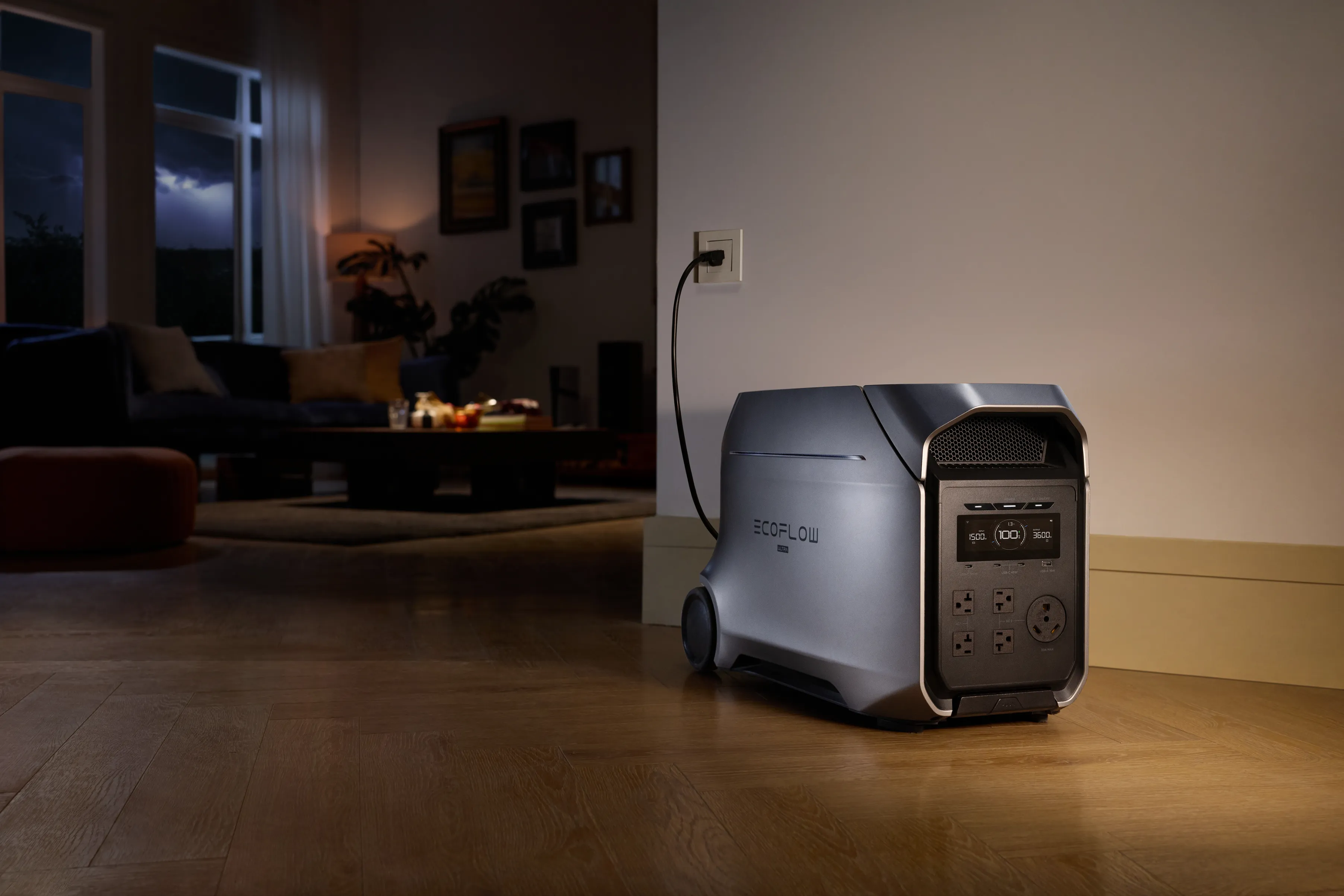
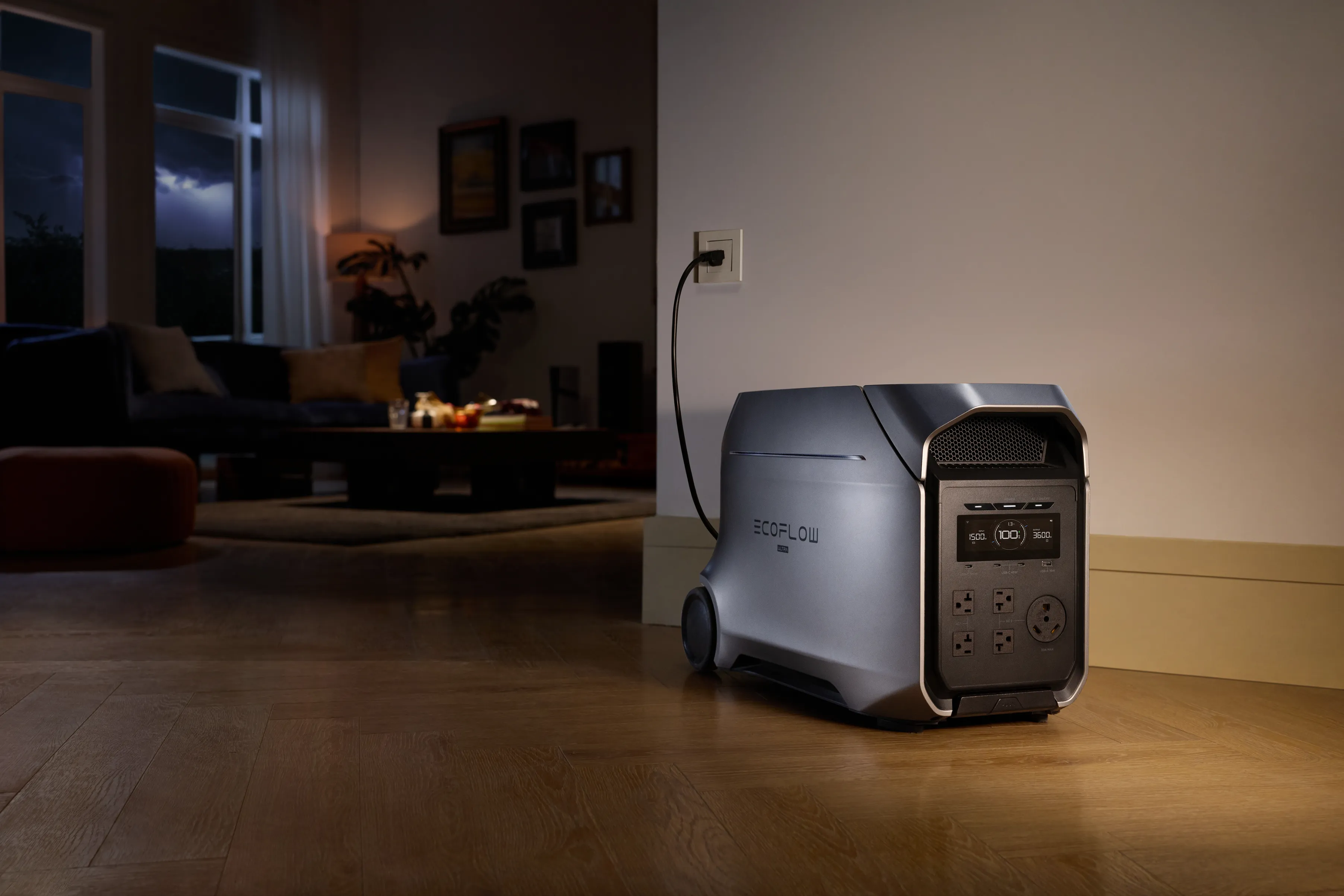
For Ontario households on TOU or Ultra-Low Overnight plans, some homeowners use battery systems such as the EcoFlow DELTA 3 Ultra Plus Portable Power Station (3072Wh) to store cheaper overnight electricity and reduce grid usage during peak hours. Whether that makes sense depends on your home’s setup and daily consumption patterns.
4. Fixed / Contract Rate
Fixed rates are common in Alberta’s deregulated electricity market. You sign a contract with a retailer to lock in a set price per kWh for a specific term, usually between one and five years.
Pros:
Protects you from sudden price spikes
Makes monthly budgeting more predictable
Cons:
If market prices drop, you’re still locked into your contract rate
Many plans include cancellation or exit fees
Typical Cost:
Often around 8¢ to 11¢ per kWh in Alberta, plus delivery and distribution charges.
Fixed rates are mainly about stability. They don’t always guarantee the lowest price, but they reduce the risk of sudden increases during extreme weather or volatile market periods.
Core Comparison Table
Here’s a side-by-side look at how the four main electricity rate types compare:
Rate Type | Best For | Predictability | Savings Potential |
|---|---|---|---|
Flat | Simplicity seekers | High | Low |
Tiered | Low-energy users | Medium | Medium |
Time-of-Use | Tech-savvy / EV owners | Low | High (with automation) |
Fixed | Budget-conscious | Very High | Medium |
There’s no universal “best” plan. The right choice depends on how consistent your usage is, whether you can shift consumption to cheaper hours, and how much price stability matters to you.
How To Choose The Right Electricity Rates
Choosing a rate plan isn’t just about picking the lowest advertised number. It’s about how that rate fits your daily routine and overall energy use.


Check Your Utility Account and Usage History
Log into your utility account, whether it’s Toronto Hydro, Hydro One, BC Hydro, or another provider, and review your usage history. Many portals show hourly data. If most of your electricity use happens during the day while you’re working from home, a Time-of-Use plan may not offer much benefit. If your heavy usage happens overnight, TOU could make sense.
Use Official Cost Calculators
Several provinces provide online tools that let you compare what you would have paid under different rate structures. Ontario and BC both offer calculators where you can upload past usage and see projected costs. It’s one of the simplest ways to make an informed decision.
Match Rates to Your Consumption Habits
Your electricity plan should reflect how your household actually uses power. If you work from home and rely on heating or AC throughout the day, a Tiered or Fixed rate may offer more stability. On the other hand, if most of your heavy usage happens overnight, like EV charging or running large appliances, Time-of-Use plans can reduce costs.
For homeowners who want to reduce exposure to peak pricing, a load-shifting approach may be worth considering. Battery systems such as the EcoFlow DELTA Pro Ultra Whole-Home Backup Power can connect through a manual transfer switch to support selected circuits. In a TOU environment, that allows electricity is stored during lower-cost hours to offset usage during peak periods.
Whether that strategy makes financial sense depends on your local rates and overall consumption. The key is matching the rate structure, and any supporting technology to your real world energy habits.
Track Rebates and Incentives
Keep an eye on provincial and federal programs, such as the Canada Greener Homes initiatives. Rebates for energy upgrades, including heat pumps or smart energy systems, can lower upfront costs and improve long term savings.
How Do Residents Manage Costs Across Canada?
Electricity strategies vary by province, largely because the rate structures are different.
Quebec: Simple Tiered Rates
Quebec has some of the lowest residential electricity rates in the country, thanks to its hydroelectric system. Most households stay on the standard tiered plan. Because the base rate is already low, the savings from shifting usage to certain hours are often minimal compared to provinces with peak pricing.
Ontario: Shifting Loads to Save
When evaluating rate plans, many people look up the average electricity bill in Ontario to understand how peak and off-peak pricing impact real-world expenses. Ontario residents deal with Time-of-Use or Ultra Low Overnight pricing. Many households schedule heavy electricity use, like laundry, dishwashers, or EV charging for late at night. Some homeowners also use battery systems to reduce grid consumption during the higher-priced 4 PM to 9 PM peak window. The focus in Ontario is usually on timing.
Alberta: Comparing Fixed vs. Regulated
In Alberta’s deregulated market, residents can choose between a fixed rate contract or the Regulated Rate Option (RRO), which fluctuates monthly. Many people compare offers from retailers to lock in a fixed rate that provides stability. The main goal is avoiding unexpected price swings. Across Canada, the strategy depends less on what’s “best” nationally and more on how each province structures its rates.
Conclusion
Whether you’re on a tiered plan in Quebec, Time-of-Use in Ontario, or a fixed contract in Alberta, the objective is the same: manage your electricity costs without sacrificing comfort.
Understanding how your province structures rates gives you more control over your monthly bill. In some cases, adjusting when you use power is enough. In others, homeowners look at storage solutions like EcoFlow portable power stations to reduce exposure to peak pricing.
The key isn’t chasing the lowest advertised rate, it’s choosing a structure that fits how your household actually uses electricity. When your rate plan matches your habits, your bill becomes far more predictable.
FAQ
1. What is the current price of electricity per kWh in Canada?
It depends on where you live. In Quebec, rates are usually around 7-8¢ per kWh. In Alberta, prices can go over 25¢ per kWh depending on your plan. Across Canada, once you include delivery and other charges, most households land somewhere around 15¢-17¢ per kWh. Rates shift over time, so it’s always best to check your local utility.
2. Did Canada put a 25% tariff on electricity?
No. There isn’t a 25% tariff on residential electricity. In early 2025, Ontario briefly talked about a surcharge on electricity exports to the U.S. during trade tensions, but that didn’t apply to regular households and was later paused.
3. Where is electricity cheapest in Canada?
Quebec. The province runs mostly on hydroelectric power, which keeps rates lower than most other provinces. That’s why Quebec households typically pay less per kWh than anywhere else in Canada.
4. What runs your electric bill up the most?
In most Canadian homes, it’s heating in the winter and cooling in the summer. In colder provinces, heating can easily make up more than half of your energy use. Water heaters and dryers also add up quickly.
5. How can you reduce your electricity bill in Canada?
Shift heavy appliances to off-peak hours if you’re on a TOU plan. Seal drafts around windows and doors to cut heating costs. Some homeowners also use battery storage to run on cheaper electricity stored overnight. The biggest savings usually come from adjusting when you use power.