What Is the Definition of Ampere Hours (Ah)? A Canadian’s Guide to Battery Capacity (2026)
Whether you’re keeping a lakeside cabin in Muskoka running or making sure your family in Calgary stays warm during a snap freeze, understanding battery capacity is a non-negotiable. It’s the difference between a minor inconvenience and a cold, dark night. In this guide, we’re stripping away the technical jargon to define Ampere Hours (Ah), explaining why the Canadian winter is the ultimate battery thief, and showing you exactly how to calculate the storage you need to keep the lights on when the grid decides to quit.
What Does Ampere Hours Actually Mean for Your Battery Use
To manage your home energy effectively, you first need to speak the language of electrical storage. Think of Ampere Hours (Ah) as the “fuel tank” size of your battery system. It tells you exactly how much juice you have to work with before you’re left in the dark.
Understand the Meaning of Ampere Hour
Technically, one Ah represents a one-ampere current flowing for exactly one hour. It’s a measure of total volume, much like counting the liters of gas in your truck. If you’re trying to figure out your runtime, remember that the math is straightforward but the real world is messy. A 100Ah battery can theoretically provide 1 amp for 100 hours, or 10 amps for 10 hours.
Link Ah to Real Battery Runtime
Another thing to keep in mind is that runtime is dynamic. In 2026, we’re seeing more Canadian households using high-draw appliances like heat pumps or electric kettles during outages. These intensity spikes mean your “100-hour” battery might only last four or five hours if you’re pushing it. To get a quick estimate of your capacity, just divide the Ah rating by the hours you need. For instance, 100Ah ÷ 20 hours = 5 amps. This helps you see if your battery can actually handle a steady draw over a long winter night.
Convert Ampere Hours to Amps Simply
To figure out your power limits, you can convert the Ah rating to actual amps with a quick bit of math. Just divide the total Ah by the number of hours you need the gear to run. For example:
100 Ah ÷ 20 hours = 5 amps
The real secret is using this calculation to see if a battery can actually handle an appliance’s draw over an entire evening. If your portable heater pulls 15 amps and you only have that 5-amp budget, you’re going to be reaching for an extra blanket pretty quickly. It’s a simple check that keeps you from overestimating your backup and getting caught in the cold.
Estimate Usable Capacity in Daily Use
You rarely get to use 100% of a battery’s rated capacity. If you’re running old-school lead-acid, you should only tap into about 50% of the Ah to avoid damaging the cells. Modern Lithium Iron Phosphate (LiFePO4) units are way more efficient, letting you use 80-90% of the total juice. The real secret is that a LiFePO4 battery's life lasts much longer than lead-acid, which means you’ll get more consistent use over time. Bottom line, always calculate your runtime based on usable energy, or you’ll be left in the dark halfway through a storm.
Why Does Battery Capacity Often Feel Misleading
Ever notice your battery percentage tanking faster than expected during a damp Vancouver November? It’s frustrating, but there are scientific reasons why the number on the box rarely matches your actual experience.
Rated Ah Vs. Real Usable Energy
The “Rated Capacity” on the label is measured in perfect 25°C labs, which is not exactly a Canadian reality. In practice, internal resistance and discharge limits mean your usable energy is almost always lower than the sticker value. I’ve seen people plan their backup around those lab numbers, only to have the lights flicker out way earlier than expected.
Voltage Affects Total Energy Output
Ampere-hours only tell half the story; the real secret is that voltage provides the rest. A 100Ah battery at 12V stores 1,200Wh, but a 100Ah battery at 48V packs a massive 4,800Wh. This is why professional home systems in 2026 are shifting toward higher-voltage builds, it’s simply a more efficient way to move power.
Temperature Reduces Battery Efficiency
In Canada, the cold is the ultimate energy thief. When temperatures dip toward freezing, the chemical reactions inside your battery slow to a crawl, effectively slashing your available Ah. Without a heated battery management system, you could lose 30% of your capacity in the dead of winter. It’s a bitter pill when a Calgary cold snap leaves your “full” battery feeling half empty.
High Load Drains Capacity Faster
The faster you pull energy out, the less efficient the battery becomes. Thanks to Peukert’s Law, heavy loads generate internal heat that wastes precious Ampere Hours as thermal energy instead of electricity. Another thing is that high-surge appliances actually shrink your total “fuel tank” in real time. Bottom line: slow and steady draws always get the most out of your storage.
How Can Home Energy Systems Manage Battery Capacity Better
Managing capacity is not just about having a big battery; the real secret is how intelligently that energy is deployed. In 2026, the best systems don’t just sit there, they actively work to keep your household running without a hitch.
Support Heavy Home Loads During Peak Demand
In the shoulder seasons, when a sunny afternoon in Ontario turns into a freezing night, the weather is a total wildcard. You might be using a pressure washer for yard cleanup, only for the furnace to kick in at dusk. Most batteries struggle with these sudden spikes, leading to annoying tripped breakers or “voltage sag” that dims your lights.
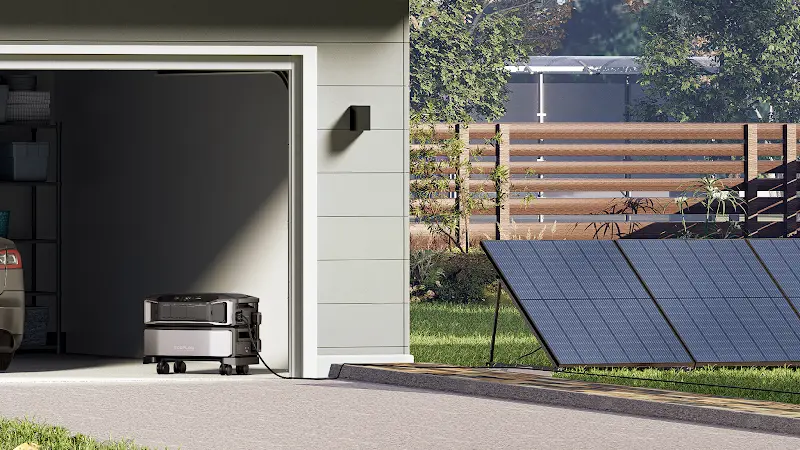
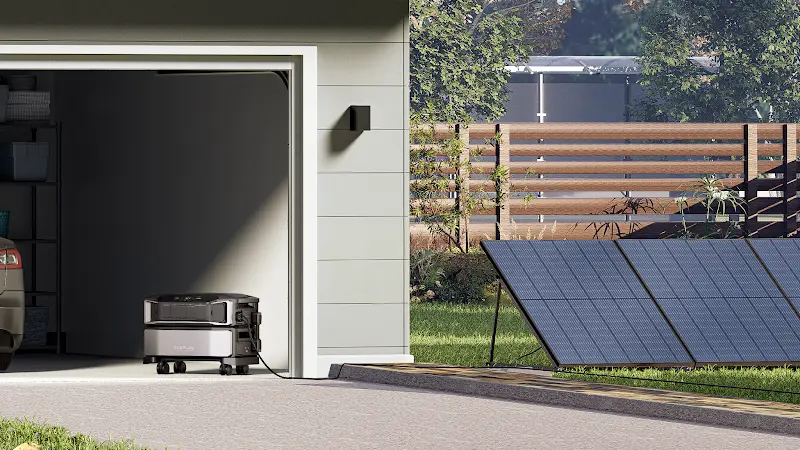
The EcoFlow DELTA Pro Ultra Whole-Home Backup Power is built specifically for these high-load moments. With a massive 7.2kW continuous output, it handles central air or heavy power tools without flinching. Every Watt-hour is delivered reliably, so your system doesn’t shut down right when the temperature plunges. Bottom line, it ensures high surge appliances don’t waste energy through inefficiency when you need power most.
Optimize Runtime Through Smart Circuit Prioritization
During our nasty thunderstorm seasons, high winds can knock out the grid for days. When you aren’t sure how long the darkness will last, rationing your Ampere Hours becomes a survival skill. Running non-essential patio lights or the dishwasher will drain your backup in no time, leaving you in a tight spot.
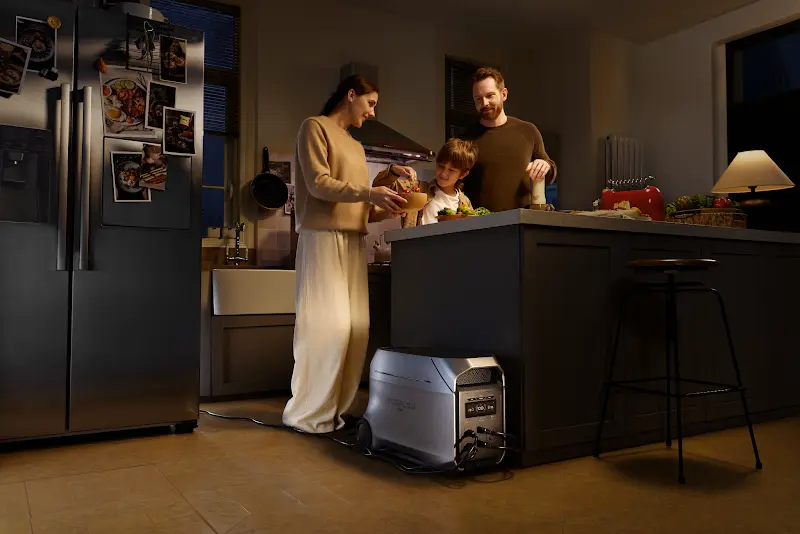
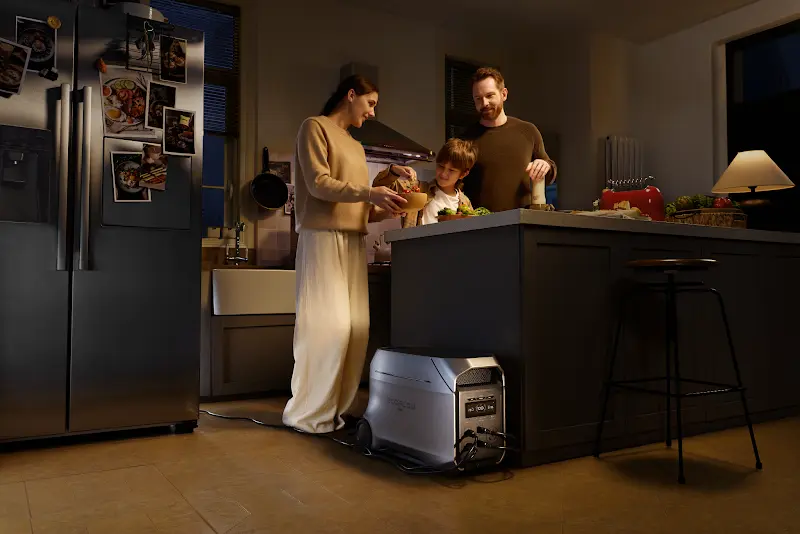
The EcoFlow DELTA 3 Ultra Plus Portable Power Station (3072Wh) solves this with the Smart Output Priority function. Through an app, you can flag the fridge and Wi-Fi as “must-runs.” During a blackout, it automatically cuts power to the fluff, stretching your capacity so your core needs are met until the crews finish their repairs. The real secret is that this automation stops you from accidentally wasting juice on a TV left on in another room. Bottom line, it turns a limited battery into a long term lifeline.
Balance Electrical Loads Across Multiple Household Devices
Another thing is how modern systems use software to balance the load. Instead of one hungry device hogging all the current, smart inverters distribute the flow evenly. This prevents any single battery cell from overheating, which is huge for preserving the long-term health of your capacity. Bottom line, smart balancing means your battery lasts longer both during a single outage and over the years you own it.
How Do You Calculate the Right Battery Size for Your Needs
Don’t guess your capacity, calculate it. Follow these steps to ensure you aren’t left in the dark during the next 2026 storm cycle.
List Essential Devices During Outages
Start with the absolute basics. You’ll want the fridge, furnace fan, well pump if you’re out in the sticks, and charging ports for your phones. Note the wattage of each; most of this is on the back of the appliance, but for things like a 2026-era smart fridge, you might see a range.
Calculate Watt Hours from Usage
Multiply the wattage of each device by the number of hours you need it to run:
Watts × Hours = Watt-hours (Wh)
Calculation for wattage ensures you don’t underestimate the energy required to keep your devices running. For example, if a small light pulls 10W and you need it for 5 hours, that’s 50Wh. Another thing to consider is that some gear, like a fridge, cycles on and off, so it won’t pull its max wattage every single minute.
Convert Watt Hours to Ampere Hours
Since most standalone batteries are sold in Ah, use this formula to convert your needs:
Watt-hours ÷ Voltage = Ampere-hours (Ah)
If you have a 1,200Wh requirement on a 12V system, you need 100Ah. The real secret is that jumping to a 48V system means you’d only need 25Ah for that same energy, which is why higher voltage is often more efficient for home backup.
Plan Buffer for Unexpected Usage
Always add a 20-30% safety margin. Whether it’s an extra-long cold snap in the Prairies or a neighbor needing to charge their satellite comms, a buffer ensures you never hit 0% unexpectedly. Bottom line: it’s better to have 20% left over than to be 5% short when the sun goes down. Additionally, using a portable power station as a secondary backup can provide that extra layer of security, ensuring you’re always prepared for unexpected power needs.
What Should You Check Before Buying a Battery in Canada
Before you swipe your card at a retailer in Toronto or order online, keep these 2026 Canadian specific factors in mind.
Check How Many Ampere Hours in a Car Battery
A standard car battery usually sits between 45Ah and 70Ah, but don’t let the number fool you. It’s a “starter” battery, built for a quick, massive burst of energy to turn over an engine. Using one for home backup is like asking a sprinter to run a marathon; it just is not built for the slow, steady drain of keeping your fridge running. Relying on these for a backup bank will likely result in a dead battery after just a few deep cycles.
Compare Battery Types and Chemistry
The real secret to picking the right battery is knowing the chemistry.
Lead-Acid: These are cheap upfront, but they’re incredibly heavy and have a short lifespan. In the Canadian cold, their performance drops off a cliff.
LiFePO4 (Lithium): While more expensive, these offer 10x the lifespan, often 3,000 to 5,000+ cycles. They handle fluctuating temperatures better and let you use almost all their rated Ah without damage.
Verify Compatibility with Home Systems
Make sure your battery can actually “talk” to your existing solar panels or transfer switch. In 2026, many high end systems are modular, but watch out for “closed” brands that only work with their own gear. The real secret is avoiding these closed ecosystems so you don’t get stuck with a massive, expensive headache when you want to upgrade your setup later.
Review Warranty and Cycle Lifespan
In our harsh climate, you need a manufacturer that stands behind their gear. Look for a warranty covering at least 5 to 10 years and check the “Cycle Life” to see how many charges it can handle before capacity drops. Another thing to consider is that a battery with a 5,000-cycle rating will likely outlast your next two cars, making it a much better long-term investment.
Confirm Delivery and Installation Timeline
With recent supply chain shifts, always check if the unit is stocked locally in Canada. Importing a heavy battery system from across the border can lead to surprise duties or months-long waits. Bottom line: unless you want to spend your spring waiting on a delivery truck, stick with brands that have a solid Canadian distribution network.
Conclusion
Understanding Ampere Hours is the first step toward real energy independence. By knowing how to calculate your needs and choosing smart systems like the EcoFlow DELTA series, you can move from “hoping the lights stay on” to knowing you’re covered. Another thing is that the right capacity makes all the difference in the Canadian wild. Whether it’s high-output reliability or smart circuit management, having that backup ensures you aren’t left scrambling in a cold snap. The real secret is that prep work today buys you peace of mind tomorrow. Bottom line, get your numbers right and you’ll never have to worry about the grid quitting on you again.
FAQ
Can I mix different Ah batteries?
No, you should generally avoid mixing batteries with different Ah ratings in a single bank. Doing so causes the batteries to charge and discharge at uneven rates. The real secret is that this imbalance forces the lower-capacity battery to work harder, which can lead to it wearing out prematurely or even overheating. Bottom line: keep your battery bank uniform to avoid a total system failure.
What happens if I use a higher Ah battery?
Using a higher Ah battery simply means your devices will run for a longer duration before needing a recharge. It doesn’t increase the “force” of the electricity (voltage), so it’s perfectly safe as long as the voltage matches your gear’s requirements. Another thing to remember is that while it lasts longer, it will also take longer to charge back up to 100%.
Does a higher Ah battery mean more power?
Not necessarily. Ah measures capacity (total energy volume), while “power” (Watts) depends on both voltage and current. Think of it like a bigger gas tank versus a bigger engine. A high Ah battery provides energy for a long time, but the maximum power output is actually determined by the battery’s discharge rating and your inverter’s capabilities.
Do batteries stop charging when solar gets full?
Yes, modern charge controllers automatically cut off the flow of electricity from solar panels once the battery hits its maximum capacity. This prevents overcharging and protects the battery cells from chemical damage. It’s one of those set-it-and-forget-it features that makes 2026 solar setups so much more reliable than older tech.
How many solar panels do I need to charge a 100Ah battery in 5 hours?
You would typically need approximately 300W to 400W of solar panels to charge a 12V 100Ah battery in a 5-hour window. This accounts for the 1,200Wh total capacity plus a 25% buffer to compensate for energy loss during the charging process. Of course, this assumes you’re getting decent sunlight, if you’re dealing with a cloudy day in the Maritimes, you’ll likely need a bit more.