The Ultimate Guide to LiFePO4 Battery Life and Maintenance
Whether you’re heading into the Rockies for the weekend or powering a quiet cabin up north, your battery is the backbone of the whole setup. LiFePO4 (Lithium Iron Phosphate) batteries have quickly become the go-to choice for RV owners, off grid homeowners, and anyone serious about reliable energy in Canada. But like any long term investment, how you use it matters.
In this guide, we’ll break down how long LiFePO4 batteries actually last, what affects their lifespan in real world Canadian conditions, and the practical habits that help you get the most out of every watt hour.
How Long Will My LiFePO4 Battery Last?
When people mention LiFePO4 battery, longevity is usually the first thing that comes up. Compared to traditional lead-acid batteries that often last 300 to 500 cycles, a quality LiFePO4 battery is typically rated for 3,000 to 5,000 cycles before it drops to about 80% of its original capacity.
If you cycle it daily, that can translate to 10 years or more of consistent performance. For seasonal use like an RV, fishing boat, or cottage setup, it’s common to see 12 to 15 years of service. In practical terms, it’s built for long-haul reliability, not short bursts.
What Affects LiFePO4 Battery Lifespan?
LiFePO4 batteries are tough, but they’re not indestructible. How you charge, discharge, and store them, especially in Canada’s climate, makes a real difference over time.
Depth of Discharge (DoD)
Depth of Discharge simply means how much of the battery you use before recharging. While LiFePO4 can technically handle 100% discharge, running it to zero every day creates more stress than stopping at 20% or 30%. Shallower cycles generally extend overall lifespan.
Maximum Charge Voltage
Overcharging is one of the quickest ways to shorten battery life. For a 12V system, most manufacturers recommend charging between 14.4V and 14.6V. Staying within that range keeps the internal chemistry stable over thousands of cycles.
Ambient Operating Temperature
Canadian weather is one of the biggest factors in battery performance. It’s important to separate discharging from charging.
LiFePO4 batteries can safely discharge, meaning power your lights, fridge, or heater in temperatures down to about -20°C. That makes them well suited for winter camping or off grid cabins, where a portable power station using LiFePO4 cells can also provide an extra buffer during extended cold spells.
Charging is where you need to be careful. Charging below 0°C can cause lithium plating inside the cells, which permanently damages the battery. If your system lives in a garage, trailer, or shed, make sure it’s in a heated space before charging. Alternatively, choose a battery with built-in self heating that automatically warms the cells to a safe temperature before accepting a charge.
Charge and Discharge C-Rate
C-Rate refers to how fast energy moves in or out of the battery. Frequent high current draws or ultra fast charging generates heat, and heat gradually reduces lifespan. Moderate charging and discharge rates help keep internal temperatures stable.
Battery Management System (BMS) Quality
The BMS acts as the battery’s control centre. It balances cells and protects against overvoltage, short circuits, and temperature extremes. A well designed BMS ensures the battery reaches its full rated cycle life. Without it, even high quality cells won’t perform as intended over the long term.
How Can You Extend LiFePO4 Battery Life?
You don’t need to be an electrician to make your battery last. A few practical habits go a long way, especially if you’re relying on it for RV trips, cabin season, or backup at home.
Maintaining 20–80% State of Charge
If you want maximum lifespan, try keeping your battery between 20% and 80% for daily use. That middle range reduces stress on the lithium chemistry. While LiFePO4 can handle full 0-100% cycles, staying in the “sweet spot” can noticeably extend total cycle life over the years.
Estimating Runtime for Your Battery Knowing your daily usage helps prevent unnecessary deep discharges.
Example: Fridge: 50W × 24h = 1200Wh LED lights: 10W × 4h = 40Wh Total daily use = 1240Wh
For a 12V 100Ah LiFePO4 battery: 12V × 100Ah = 1200Wh Runtime ≈ 1200 ÷ 1240 ≈ 0.97 days (about 23 hours)
In real life, factor in inverter losses and a small buffer. Planning this way keeps you from running the battery flat too often.
Avoiding Long-Term 100% Storage
If you’re packing up the trailer after Thanksgiving or shutting down the cottage for winter, don’t store the battery fully charged. Sitting at 100% for months increases internal stress. Around 50% charge is ideal for long-term storage. Check it every few months and top up if needed.
Using Compatible LiFePO4 Chargers
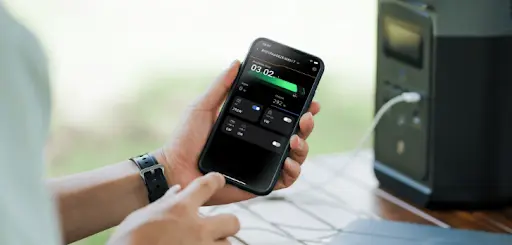
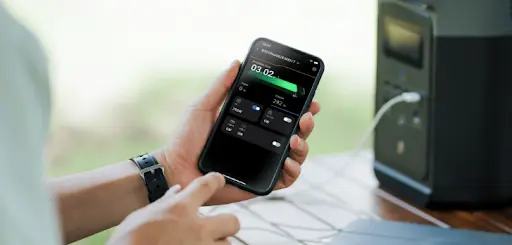
Proper charging is essential for battery health, as LiFePO4 cells require specific voltage profiles to stay in peak condition. To avoid the hassle of mismatched chargers and manual settings, integrated systems like the EcoFlow DELTA 2 Portable Power Station handle everything automatically. Its sophisticated Battery Management System (BMS) works behind the scenes to monitor voltage, temperature, and cell health in real-time. For many users, this "plug-and-play" simplicity is a major advantage, it eliminates guesswork and ensures the internal cells are protected for years of reliable use, no matter where you're charging from.
Limiting High Continuous C-Rates
Running heavy appliances for long stretches generates heat, and heat accelerates wear. Short bursts are fine, but if your battery bank is small, avoid powering high draw devices continuously. Keeping discharge rates moderate helps maintain internal temperature and overall health. Treat your LiFePO4 battery with a bit of consistency, and it’ll reward you with years, often a decade or more of steady, reliable power.
What Are the Signs of LiFePO4 Battery Aging?
LiFePO4 batteries rarely fail suddenly. More often, they slowly lose capacity over time. Knowing what to watch for helps you plan ahead instead of being caught off guard during a trip or outage.
| Cycle Count | Capacity Remaining | Notes |
|---|---|---|
| 0 | 100% | New |
| 1000 | 95-98% | Minor degradation |
| 3000 | 80% | Typical end-of-life threshold |
Reaching 80% capacity doesn’t mean the battery is unusable, it simply means it won’t hold as much energy as it once did.
Noticeable Runtime Reduction
The first sign most people notice is shorter runtime. If your camping fridge used to run for three days and now lasts two, that’s normal aging. The battery still works, it just stores less energy.
Measurable Capacity Loss
A battery monitor gives clearer proof. For example, if your 100Ah battery now only accepts 70Ah from empty to full, that indicates reduced internal storage capacity.
Increased Internal Resistance
As batteries age, internal resistance rises. You might see voltage sag more than usual when turning on a pump or inverter. Lights may dim slightly under heavy load compared to when the battery was new.
Frequent BMS Protection Triggers
If the Battery Management System starts shutting down unexpectedly, it can signal imbalance between cells. Often, one cell has weakened faster than the others, and the BMS steps in to prevent damage.
Aging is normal, especially after thousands of cycles. The key is recognizing gradual changes so you can adjust your expectations and plan upgrades on your own schedule.


How Does LiFePO4 Compare to Other Lithium Batteries in Lifespan?
When you stack lithium chemistries side by side, the difference shows up in the long run. The benefits of lithium iron phosphate batteries become especially clear if you’re powering a cabin in Muskoka or an RV headed through Banff, where durability usually matters more than shaving off a bit of weight.
Higher Cycle Life Than NMC
NMC (Nickel Manganese Cobalt) batteries are common in phones and many EVs. They’re compact and energy dense, but most are rated for roughly 500 to 1,000 full cycles. LiFePO4 is in a different league. A quality pack typically delivers 3,000 to 5,000 cycles. In everyday terms, that can mean years longer service in solar, marine, or off-grid systems.
Slower Capacity Fade
All batteries age, but LiFePO4 tends to fade gradually. Even after 3,000 cycles, it’s normal to still have around 80% of the original capacity. Other lithium chemistries often drop off more quickly once degradation starts. That steady decline makes performance easier to predict, important when your power source isn’t just a convenience but a necessity.
Better Thermal Stability
LiFePO4 is also more chemically stable. It’s far less prone to thermal runaway compared to some other lithium-ion types. For homeowners and RV users, that added stability brings peace of mind, especially in enclosed spaces.
Lower Cost Over Time
While the upfront price can be higher than lead-acid or some lithium options, lifespan changes the math. A battery rated for 3,000+ cycles spreads its cost over far more usable energy. For instance, the EcoFlow Lithium 12V 100Ah Deep Cycle LiFePO4 Battery used in a Canadian off-grid setup can realistically deliver close to a decade of service under normal conditions. Over time, that makes the cost per kilowatt hour significantly lower than shorter lived alternatives. If the goal is long term reliability rather than short term savings, LiFePO4 usually comes out ahead.
Conclusion
LiFePO4 batteries have become a solid, no-nonsense choice for Canadians powering RVs, cabins, and home backup setups. Treat them right, and getting 10 years or more out of one isn’t wishful thinking, it’s realistic.
Don’t charge them below freezing, store them around 50% if they’re sitting all winter, and avoid constantly running them from zero to full unless you have to. If you rely on a power station as part of your setup, keep it warm, charge it properly, and it’ll last through just as many Canadian winters without giving you headaches.
FAQ
1. Which is better, LiFePO4 or lithium battery?
It depends on the job. For RVs, cabins, solar, and home backup, LiFePO4 is usually the better choice. It’s safer, lasts much longer, and handles deep cycling better than standard lithium-ion (like NMC). Traditional lithium batteries are lighter and pack more energy per pound, which is why they’re common in phones and laptops. But for long-term durability, LiFePO4 wins.
2. Do lithium batteries really last 10 years?
Quality LiFePO4 batteries absolutely can. With 3,000+ cycles, daily use can easily stretch past a decade while still keeping most of the original capacity. Of course, that assumes proper charging and not storing it frozen in the garage all winter.
3. How long will a 12V 100Ah LiFePO4 battery last?
A 12V 100Ah battery holds about 1200Wh of energy. If you’re running a steady 100W load, that works out to roughly 12 hours of runtime (realistically a bit less once you factor in inverter losses). In terms of lifespan, expect 3,000 to 5,000 cycles, often 10 years or more in normal Canadian use.
4. Does charging to 100% reduce LiFePO4 battery lifespan?
Charging to 100% once in a while is fine and actually helps balance the cells. But keeping it parked at 100% all the time can slowly speed up wear. For everyday use, many people stick to 80-90% and only top it off fully when needed.
5. Can a 200Ah battery run AC?
Yes, but for how long depends on the air conditioner. A 200Ah LiFePO4 battery gives you about 2560Wh. A typical 13,500 BTU rooftop AC pulling around 1200W would run for roughly 1.5 to 2 hours after inverter losses. A high efficiency inverter AC can stretch that to 3-5 hours in moderate weather. For overnight cooling, you’d need a larger battery bank or a hybrid setup with shore power or solar.
6. How many 100Ah batteries do I need for a 3000 watt inverter?
At least three or four 100Ah LiFePO4 batteries are recommended for a 3000W inverter running near full load. That spreads the current draw out so each battery stays within a safe discharge range and prevents the BMS from tripping.