Idling Your Car for Power: Is There a Better Alternative?
- Key Takeaway
- The Reality of Getting Electricity from an Idling Car
- Figuring Out How Much Power You Actually Need
- Better Ways to Power Small and Medium Devices
- Solutions for Staying Comfortable Without the Engine
- When Is It Okay to Idle Your Vehicle?
- Selecting the Best Setup for Your Lifestyle
- Stop Car Idling and Save Money
- FAQs About Vehicle Power
- Disclaimer and Legal Notice
Whether you are working from your car in a snowy Ontario parking lot or camping in the Rockies, car idling feels like an easy way to keep the heater or the laptop going. However, using a multi-ton machine as a glorified phone charger comes with hidden costs. Not only does it burn through expensive fuel and contribute to engine wear, but it can also land you a fine in cities with strict noise and emission bylaws.
This guide looks at why relying on your engine for stationary power is often a mistake and explores smarter, more modern alternatives that save you money while keeping you powered up and comfortable.
Key Takeaway
Knowing the best ways to get electricity without running your engine saves you money and protects your vehicle. Here are the main points to keep in mind for your daily habits.
Running a vehicle just for electricity is inefficient and speeds up engine wear.
Small devices like phones and laptops are better served by portable power stations or extra batteries.
For staying comfortable in extreme weather, insulation and specialized heaters are more effective than the car's vents.
The right solution depends on if you are a daily commuter, a long-distance traveler, or someone living in their van.
The Reality of Getting Electricity from an Idling Car
It is easy to assume that a running engine provides a limitless supply of electricity, but a vehicle's electrical system isn't designed to act as a high-output generator for a stationary cabin. Relying on the alternator while parked is often inefficient and can lead to unexpected technical issues.
How Your Vehicle Generates Power at a Standstill
Inside your car, the engine turns a belt that spins the alternator. This part creates electricity to run your lights, radio, and dashboard. It also sends power back to the battery to keep it ready for the next start. A common question is: does a car battery charge in idle? The answer is yes, but not very well. At low speeds, the alternator does not spin fast enough to create its full power. It provides just enough to keep things running, which makes it a very weak generator compared to when you are driving on the highway.
The True Costs of Long-Term Idling
Burning fuel while sitting still is a waste of money. Depending on the engine size, you could burn over a liter of fuel every hour. Over a year, this adds hundreds of dollars to your fuel bill.
Additionally, is idling bad for your car? Frequent idling leads to carbon buildup on your spark plugs and inside the cylinders. Since the engine doesn't get as hot as it does during driving, moisture can build up in the oil. This leads to more frequent oil changes and higher repair costs.
Serious Safety and Security Risks
Running a car in a garage or a semi-enclosed space is dangerous because of carbon monoxide. This gas is invisible and can be deadly if it leaks into the cabin. There is also the risk of theft. Leaving a running car unattended is an invitation for someone to jump in and drive away. In many parts of Canada, this is also against the law and can lead to a fine.
Figuring Out How Much Power You Actually Need
Choosing the right setup starts with a clear look at your actual energy usage. Matching your gear to your specific habits ensures you get reliable power without spending money on oversized equipment or complicated wiring you might never use.
Low-Power Needs
These are basic items like smartphones, tablets, and LED flashlights. They require very little energy. You can usually charge these several times even when the car is off without worrying about the battery dying, as long as the battery is healthy.
Medium-Power Needs
If you use a 12V portable fridge to keep food cold or a small fan to move air, you are in the medium range. These devices pull a steady stream of power. Using them for several hours without the engine running might make it hard to start your car later.
High-Power Needs
Items like electric kettles, hair dryers, or space heaters use a massive amount of electricity. Your car's standard electrical system is not built for these. Trying to run them through a cheap plug-in adapter can blow fuses or melt wires.
All in all, power levels dictate your choice, a simple power bank is enough for a phone, but it won't run a heater. Matching your gear to your specific needs prevents you from being stranded with a dead battery in the middle of a trip.
Better Ways to Power Small and Medium Devices
Running a massive engine just to charge a laptop or a small light could be a waste of energy. Several quiet tools can handle these tasks much better than a gas engine while keeping your car battery safe and healthy.
Using a Small Inverter Safely
An inverter takes the DC power from your battery and turns it into AC power, like the outlets in your house. For small electronics, a portable inverter is great. To avoid damage, look for "pure sine wave" models. It is best to connect larger inverters directly to the battery terminals with a fuse. This prevents the car's internal wiring from getting too hot.
The Dual-Battery System
Serious travelers often install a second battery. This "house battery" is separate from the one used to start the engine. A special switch ensures that your accessories only pull from the second battery. While you drive, the alternator charges both. When you park, you can use your lights and fridge until the second battery is empty, and your car will still start perfectly every time.
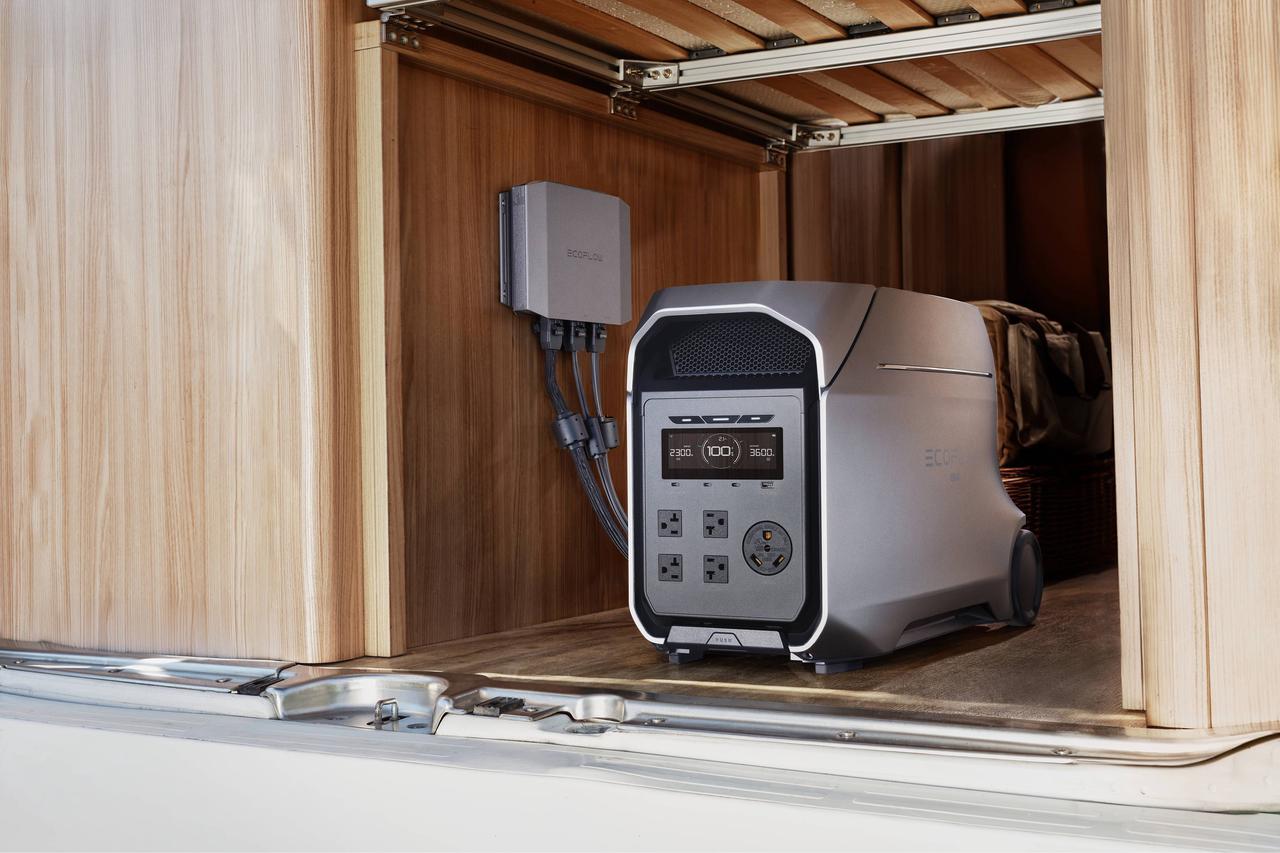
Portable Power Stations
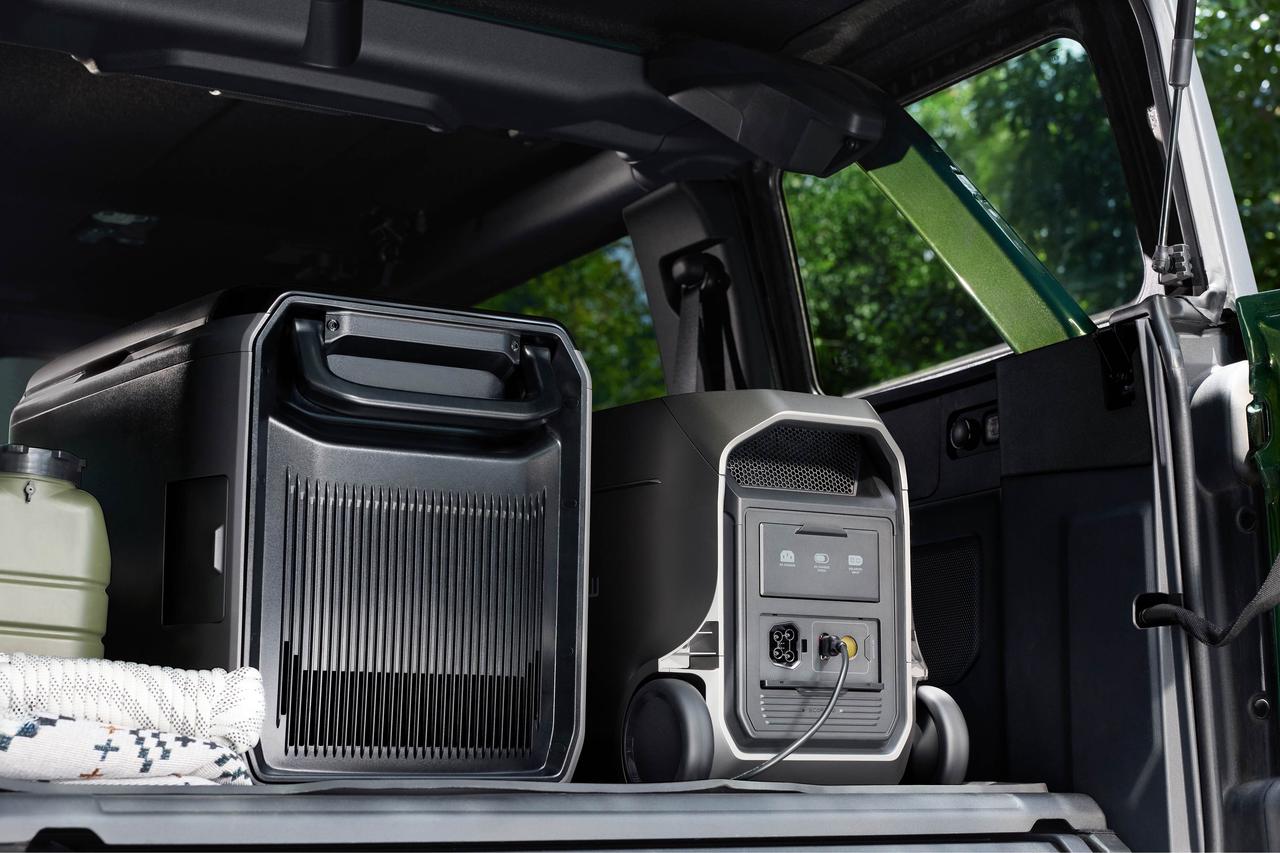
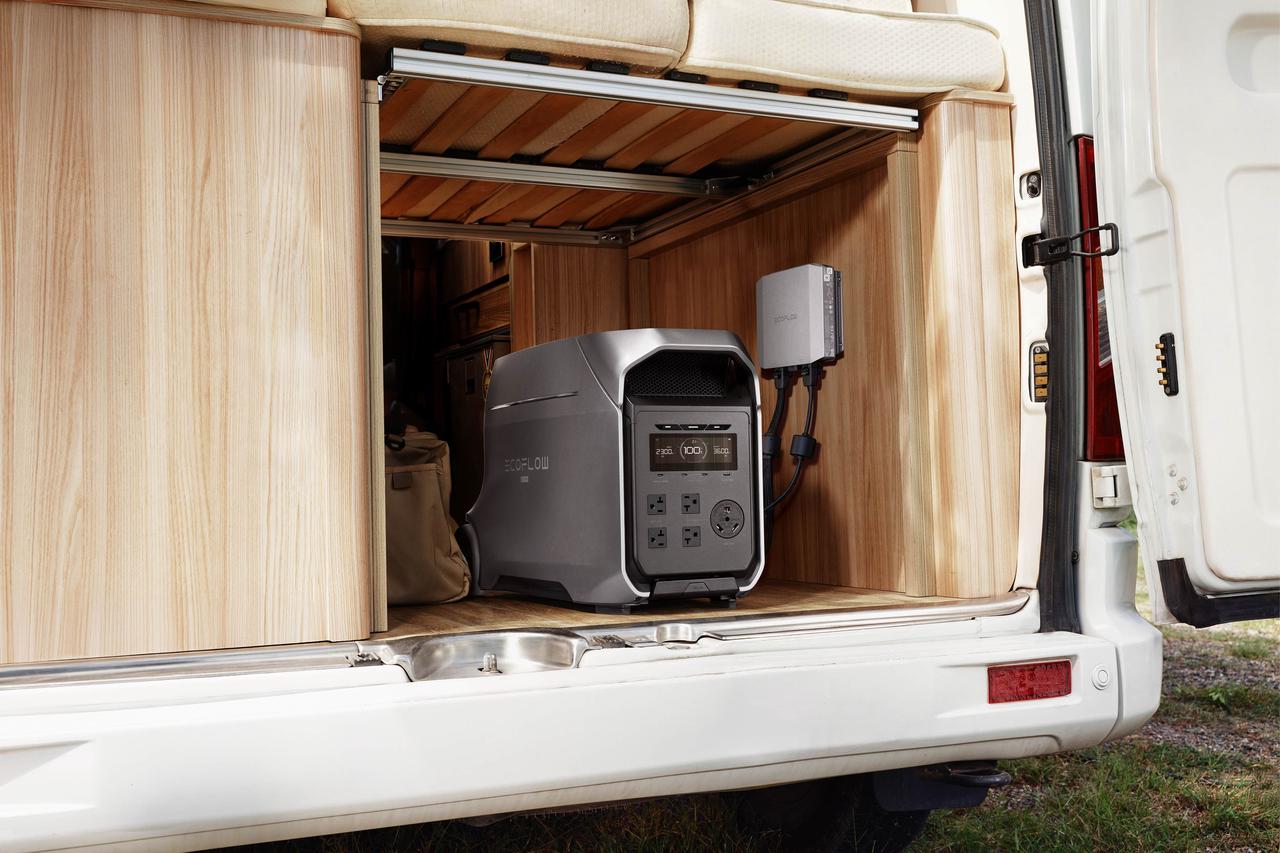
These are basically large batteries inside a box with built-in plugs. They are very popular in Canada for camping. You can charge them at home or while driving. They are silent, produce no fumes, and you can carry them into a tent or a hotel room. They are the easiest way to avoid car idling because they require no special wiring or mechanical knowledge.
A larger unit like the EcoFlow DELTA 3 Ultra Plus (3072Wh) can run laptops, fridges, and small heaters for hours. Smart output control, expandable capacity, and fast dual charging make it ideal for working in your car or camping without idling.
Using Electricity from the Grid
Whenever you can, use a wall outlet. If you are at a coffee shop or a library, plug in your devices there. This keeps your portable batteries full for when you are actually on the road. Many modern campgrounds also offer "shore power" plugs, which are much cheaper than burning fuel to stay powered.
Solutions for Staying Comfortable Without the Engine
Keeping the cabin at a nice temperature is the main reason people idle. These alternatives keep you warm or cool without needing to keep the engine turning.
Staying Cool in the Heat
Parking in the shade is the simplest way to keep temperatures down. Using thick reflective shades on your windows blocks the sun before it heats up the interior. A small 12V fan uses very little power compared to the car's AC system. For people who spend a lot of time in their cars in the summer, there are portable cooling units that run off a battery bank.
Staying Warm in a Canadian Winter
Instead of running the heater, focus on keeping the heat near your body. Good insulation on the windows and floor helps a lot. High-quality blankets or a 12V heated mattress pad can keep you warm all night while using less energy than a single headlight. For those in very cold areas, a small fuel-fired heater is a great investment. These units use a tiny amount of fuel to create a lot of heat without needing the engine to run.
When Is It Okay to Idle Your Vehicle?
While shutting off the engine is usually the best move, a few situations make it necessary to keep the car running. Knowing when these moments happen and how to handle them helps you stay safe and follow local laws.
Short and Unavoidable Situations
If you are stuck in a massive traffic jam on the 401 or waiting for a train, you have to stay ready to move. In these cases, idling is part of driving.
Also, if the temperature is dangerously low and you have no other heat source, running the engine for a few minutes to warm up the cabin is a matter of safety.
The Two-Minute Rule
A good rule of thumb for most drivers is to turn off the engine if you expect to be stopped for more than sixty seconds. Modern cars do not need a long time to warm up. Restarting the engine uses less fuel than idling for a minute, and it causes very little wear on the starter.
Knowing Anti-Idling Laws
Many Canadian cities have laws that limit idling to three minutes or less. Near schools or hospitals, these rules are even stricter. Police and bylaws officers can hand out fines to discourage people from polluting the air where children and patients are breathing. Staying informed about your local rules helps you avoid unwanted costs.
Selecting the Best Setup for Your Lifestyle
Finding the best power solution depends on how you use your vehicle, whether you are just waiting for the kids or living on the road full-time.
Commuters and Parents
If you are just waiting for your kids at soccer practice, a simple power bank for your phone and a good window shade are usually enough. You don't need expensive gear to stay comfortable for thirty minutes.
Road Trippers and Weekend Campers
A portable power station is the best choice here. It gives you enough juice for a weekend of charging phones and running a small light. You can also add a foldable solar panel to keep it topped up without ever needing to turn the key.
Vanlifers and Full-Time Travelers
For people living on the road, a permanent dual-battery system with solar panels on the roof is the gold standard. This provides constant power for a fridge, a heater, and computers without any stress on the vehicle's starting system.
Professional Drivers
If you drive for a living, you spend a lot of time in your car. Using a dedicated battery for your phone and tablet saves your car battery from wearing out early. It also keeps your overhead costs low by saving fuel during your breaks.
Stop Car Idling and Save Money
Relying on your engine for power is an expensive, noisy habit that wears out your vehicle. Switching to a dedicated power setup keeps your cabin quiet and protects your engine from damage. You can stay warm and keep your gear running without wasting gas. For a professional solution, try the EcoFlow DELTA 3 Ultra Plus. It offers massive capacity and fast charging to keep you comfortable on every trip!
FAQs About Vehicle Power
Q: How long can I safely idle to charge my phone?
A few minutes won't hurt the car, but it is a very expensive way to charge a phone. It is always better to use a small power bank or charge while you are actually driving.
Q: Will charging a laptop kill my car battery?
Yes, it can. Laptops pull much more power than phones. If your engine is off, a laptop can drain a standard car battery in a few hours, leaving you unable to start the engine.
Q: Is it really that bad for the engine to idle for an hour?
Doing it once won't break the car, but doing it daily causes carbon buildup and thins out your oil. It is much harder on the engine than driving at highway speeds.
Q: What is the easiest way to stop idling if I don't know about electronics?
Buy a portable power station. You just plug it into the wall at home to charge it, then bring it into the car. It requires no installation and works just like a wall outlet.
Disclaimer and Legal Notice
The information provided in this guide is for educational purposes only. Every vehicle has unique electrical limits, and making modifications or using high-power appliances can lead to battery drain or mechanical damage. For specific guidance on your vehicle's capabilities, always consult your owner's manual or a certified mechanic.
Additionally, anti-idling laws vary significantly across Canada. For example, many municipalities in Ontario and British Columbia have specific bylaws that restrict car idling to three minutes or less to protect air quality. You can check the Government of Canada's official resources on idling for more details on environmental impact and local regulations. Always prioritize safety by ensuring proper ventilation and never leaving a running vehicle unattended.