What Is an Anderson Connector For?
- Safety Disclaimer and Professional Verification Guide
- Technical Selection Table and Environmental Boundaries
- Common Applications: Where You Will Find Anderson Connectors
- Core Design Principles: What Makes Anderson Connectors Different
- Selecting the Right Connector: Technical Calculations and Best Practices
- Why Anderson Connectors Are the Preferred Choice for RV and Off Grid Systems
- Case Study: High Current Implementation in Modern Power Stations
- Data Sources and Technical Methodology
- FAQs About Anderson Connectors
Safety Disclaimer and Professional Verification Guide
Reliable electricity is the foundation of any off-grid setup. When standard connections fail, specialized hardware is required to keep high-amperage systems running safely and efficiently over long distances.
High current DC systems carry significant risks of electrical fire and equipment damage. Because heat is the primary enemy of electrical systems, all installations must follow strict engineering standards and local safety codes. The information provided here is for educational purposes. For high current installations, you should always consult a licensed electrician or an ASE certified technician.
Quick Answer: The At-a-Glance Guide
An Anderson connector is a high current DC power plug designed to create a safe, locking, and low resistance connection between heavy duty electrical components. They are the industry standard for RVs, solar arrays, and industrial battery systems where standard plugs would melt or vibrate loose under load.
Best For: Connecting batteries to chargers, running 12V fridges, and linking portable solar panels.
Key Feature: Genderless design means any two plugs of the same color and size can connect.
Critical Safety Rule: Never mix colors. Housings are physically keyed, so only matching colors fit together to prevent voltage mismatches.
Standard Choice: The SB50 series is the most popular for general 12 volt and 24 volt mobile use.
Technical Selection Table and Environmental Boundaries
Effective electrical design relies on matching your components to the expected workload. This table provides the baseline values needed to select the correct hardware for common mobile and industrial power tasks.
Selection Table for Common Series
The values below assume an ambient temperature of 25°C (77°F), a single wire in free air, and no bundling with other hot wires. Ratings are derived from UL 1977 certified component tests and manufacturer technical catalogs.
| Connector Series | Continuous Current Rating | Recommended Wire Gauge (AWG) | Common Application | Recommended Fuse |
| SB50 | 50 Amps | 6 to 12 AWG | 12V Fridges, Battery Boxes | 40A to 60A |
| SB120 | 120 Amps | 2 to 6 AWG | DC to DC Chargers, Winches | 100A to 150A |
| SB175 | 175 Amps | 1/0 to 4 AWG | Heavy Winches, Lift Trucks | 150A to 200A |
| SB350 | 350 Amps | 4/0 to 2/0 AWG | Industrial Battery Banks | 300A to 400A |
Important Derating Factors and Operating Limits
If your installation environment is not ideal, you must lower these ratings to prevent melting. These percentages are industry standard heuristics for high temperature and high density wiring.
High Temperature (Engine Bays): If the connector is placed in an area exceeding 60°C (140°F), reduce the continuous current limit by 40 percent. This follows thermal dissipation curves found in most manufacturer data sheets.
Wire Bundling: If you tie three or more high current wires together in a tight bundle, reduce the current limit by 20 percent. This is consistent with adjustment factors for multiple conductors in a raceway or cable.
Enclosures: Placing an Anderson connector inside a small, sealed battery box reduces its ability to shed heat. Check temperatures periodically with an infrared thermometer during the first hour of high load.
Common Applications: Where You Will Find Anderson Connectors
These versatile components serve as the primary bridge for electricity in demanding mobile environments. Their ability to manage heavy amperage makes them the top choice for both weekend campers and industrial pros.
Recreational Vehicles and Dual Battery Systems
In the travel trailer and vanlife community, an Anderson plug is the standard way to connect a tow vehicle to a trailer. This link allows the car alternator to charge the house batteries while the engine is running. Because these plugs can handle 50 amps or more, they charge batteries much faster than the thin wires found in a standard seven-way trailer harness. They are also used for auxiliary battery boxes and DC to DC chargers, which require a stable and high volume flow of energy to operate at peak efficiency.
Solar Energy and Portable Power Stations
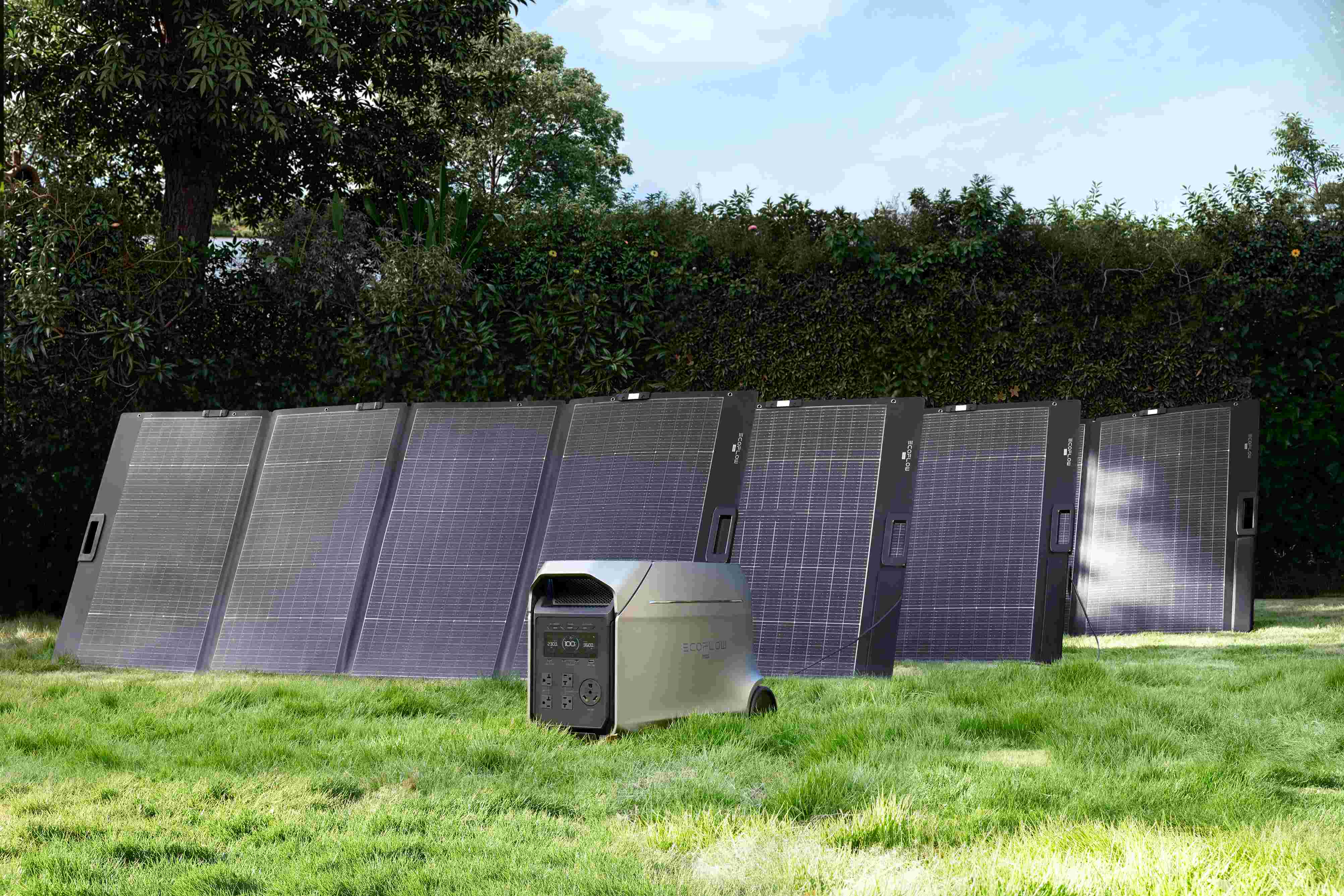
Solar users rely on Anderson plug connectors to link portable solar blankets to charge controllers or portable power stations. While standard solar connectors are excellent for fixed roof mounts, the durability of this hardware is better suited for portable gear that is handled daily. They also act as a high draw output for heavy appliances like portable fridges, diesel heaters, and mobile air conditioners. A dedicated high current port ensures these devices receive consistent voltage even during high startup surges.
Industrial and Professional Equipment
In the commercial sector, Anderson electrical connectors are used for electric forklifts, pallet jacks, and heavy machinery. These environments require frequent battery swaps under intense duty cycles. The connectors are also common on emergency vehicle winches, where a sudden burst of several hundred amps is needed to recover a trapped vehicle. The standardized design allows recovery crews to swap components rapidly without proprietary tools or complex wiring changes.

Core Design Principles: What Makes Anderson Connectors Different
The engineering behind this hardware focuses on eliminating the common failure points found in traditional plug designs. By using a genderless system, these connectors offer better reliability and simplified installation.
The Efficiency of the Genderless Housing System
One of the most distinct features of these units is the hermaphroditic or genderless design. This means there are no separate male and female plugs to manage. Any two connectors of the same series and color can mate with each other by flipping one of them 180 degrees. This design significantly reduces inventory costs and prevents the frustration of having two male ends that cannot connect. This simplicity is highly valued by DIY builders who need to create custom wiring harnesses in the field.
Material Science of Self Cleaning Flat Wiping Contacts
Electrical resistance creates heat, and excessive heat leads to system failure. These connectors use a flat wiping contact technology where the spring-loaded contacts scrape away oxidation every time they are plugged or unplugged. This self cleaning feature ensures a clean, low resistance path for electricity. The contacts are typically made of silver plated copper, which offers superior conductivity. According to manufacturer technical specifications, this material choice is vital for maintaining low voltage drop under continuous loads exceeding 30 amps.
The Safety Implications of Color Coded Voltage Keying
Safety in high voltage systems is maintained through a physical color coding system. The housings are molded with unique keys that prevent a plug of one color from entering a socket of another. This prevents the accidental connection of a 12 volt device to a 24 volt or 48 volt power source. While this is a common industrial convention, it is not a universal law. Some regions or custom builders may use different codes. Users should always verify the voltage with a multimeter rather than relying solely on the color of the plastic housing.
Selecting the Right Connector: Technical Calculations and Best Practices
Choosing the correct hardware requires matching the current demands of your system to the physical limits of the connector. Using undersized hardware is a primary cause of electrical fires.
How to Calculate Your Requirements: Two Practical Examples
To avoid overloading your system, use these basic formulas to verify your selection. For most DC circuits, we follow the 125 percent rule for safety margins to account for environmental heat and surge current.
Example 1: A 12V 40A DC to DC Charger
Step 1: Multiply the continuous current by 1.25 (40A×1.25 = 50A).
Step 2: Select the series. An SB50 is rated for 50A at 25°C, making it a perfect fit for this workload.
Step 3: Choose the fuse. A 50A or 60A fuse should be used to protect the 6 AWG wire.
Example 2: A Portable Solar Blanket (200W)
Step 1: Calculate the current (200W÷12V = 16.6A).
Step 2: Add the safety margin (16.6A×1.25 = 20.75A).
Step 3: Use Anderson plug connectors like the SB50. Even though the current is low, the SB50 housing is often preferred for its physical strength in outdoor settings compared to smaller alternatives.
Professional Installation: Why Crimping Trumps Soldering
For high current connections, professional installers use high leverage crimping tools to create a cold weld between the wire and the contact. This provides superior mechanical strength and electrical conductivity. Soldering is often avoided in mobile environments because solder can travel up the wire through wicking. This makes the copper strands brittle and prone to snapping under the constant vibration of RV travel. A high quality crimp ensures the wire remains flexible and the connection stays secure over thousands of miles.
Why Anderson Connectors Are the Preferred Choice for RV and Off Grid Systems
Standard 12 volt sockets are notorious for losing connection on rough roads. Upgrading to a professional-grade interface provides the security needed for long distance travel and remote camping.
Superior Vibration Resistance Compared to Standard 12V Sockets
Standard 12 volt automotive sockets rely on simple friction to stay in place. On washboard roads, these plugs often wiggle loose, which can cut power to a refrigerator and lead to spoiled food. An Anderson plug uses a secure, stainless steel spring-loaded mechanism that creates a distinct click when fully mated. Once connected, they stay locked until physically pulled apart. This vibration resistance is why they are the primary choice for overlanders and remote explorers who travel on corrugated surfaces.
Durability and Weatherproofing Solutions for Harsh Environments
The connector housings are made from impact-resistant and UV-stable polycarbonate, which can survive years of exposure to sunlight and extreme temperatures. It is important to note that standard housings are not inherently waterproof. To protect the silver contacts from moisture and road salt, users should always install rubber boots, dust covers, or weather-resistant enclosures. These accessories are essential for external mounts on the front bumper or trailer frame, where the connection is exposed to the elements.
Case Study: High Current Implementation in Modern Power Stations
Modern portable power stations serve as an excellent example of how this technology is implemented to provide higher performance and safety for off-grid users and professional operators.
Bridging Theory and Practice With a 30A Dedicated Output
A high capacity portable power station like the DELTA 3 Ultra Plus includes a dedicated 30 amp Anderson output as a standard feature. This is a major upgrade over the 10 amp car socket found on entry level units. By providing a 12.6 volt, 30 amp port, the device can deliver up to 378 watts of DC power. This allows users to feed an RV main 12 volt fuse block directly to run interior lighting, water pumps, and diesel heaters simultaneously without overloading the circuit or melting the connector.
Intelligent Power Sharing and System Safety
In high end power stations, the high current Anderson port and the standard car port often share the same internal DC bus. This design allows for maximum versatility but requires careful load management. If a user connects a 300 watt appliance to the Anderson port, the system manages the remaining power available to other DC outlets. This prevents the internal circuitry from overheating while maintaining stable voltage. Users should always check their total DC load to ensure it stays within the specified wattage limit of the device.
Data Sources and Technical Methodology
Maintaining the highest level of accuracy is critical when dealing with electrical safety. The quantitative data presented in this article is consolidated from several authoritative industry sources to ensure reliable decision making.
Understanding Our Data Sources
The current ratings, wire gauge recommendations, and derating percentages used in this guide are derived from the following source types:
Manufacturer Technical Datasheets: Primary amperage ratings for the SB series (SB50 to SB350) are based on the standard testing mouthpieces of major electrical component manufacturers.
UL 1977 Certification: Testing for these connectors follows the standard for Component Connectors for Use in Data, Signal, Control, and Power Applications.
National Electrical Code (NEC): Derating factors for wire bundling and temperature are based on NEC guidelines for general DC wiring safety in mobile environments.
American Wire Gauge standards: Wire sizing and ampacity figures refer to the ASTM B258 standard for solid and stranded wire diameters.
Verification of Technical Content
If you are planning an installation that involves continuous high current (over 4 hours of constant use) or complex parallel charging systems, do not rely on a general guide. You must verify your calculations against the specific datasheet for your chosen brand and series. If any discrepancies exist between this article and the manufacturer's technical manual, always prioritize the manufacturer's documentation.
FAQs About Anderson Connectors
Q1: Do Anderson Connectors Have a Male and Female Side?
No, they are genderless. Both sides of the connection are exactly the same. You do not need to buy a specific plug and socket set. As long as you have two connectors of the same size and color, they will plug into each other perfectly. This makes Anderson plug connectors much easier to use in custom projects compared to traditional electrical plugs that require matching ends.
Q2: Are Anderson Connectors Waterproof for Outdoor RV Use?
They are not waterproof by themselves. If left exposed to heavy rain or road spray, the internal silver contacts can corrode over time. If you plan to mount them on the outside of a vehicle, you must use protective accessories like rubber boots or dust covers. These are inexpensive and will significantly extend the life of your Anderson connector in wet or dusty conditions.
Q3: What Size Anderson Connector Do I Need for a 12V Battery?
For most 12 volt RV applications, the SB50 series is the standard choice. It is rated for 50 amps, which is plenty for running fridges, lights, and small inverters. If you are using a heavy winch or charging a massive lithium battery bank at very high speeds, you may need the SB120 or SB175 series. Always consult your equipment's manual to find the maximum amperage draw before selecting your hardware.