How to Survive Canada’s Coldest Month When Cold Weather Hits Hard
- How Low Does Canada Temperature Drop in January Cold Weather
- Where Extreme Cold Weather Feels Worst Across Canada
- What Cold Weather Risks Show Up Fast in January
- How to Keep Heat and Devices Running During Cold Weather Power Outages
- Power Through Canada’s Coldest Month With A Portable Power Station
- Keep Life Comfortable Through Canada’s Deep Freeze with a Portable Power Station
- FAQs
January in Canada can feel like winter on hard mode. One week you’re dealing with icy sidewalks and stiff car doors, the next you’re watching the Canadian temperature plunge and the wind chill bite through gloves. Most problems follow the same pattern: your home loses heat faster, devices drain sooner, and a storm can knock out power when you need it most. This article breaks down what January typically looks like, where it gets coldest, the biggest risks to watch for, and how a power station helps, safely.
How Low Does Canada Temperature Drop in January Cold Weather
Canada temperature in January depends heavily on where you live, but even “normal” winter days can feel intense once wind and humidity join the mix. Southern Ontario may hover near freezing during the day, while the Prairies can stay far below zero for days at a time.
A quick snapshot of typical January conditions in major cities looks like this:
| City | Typical January High | Typical January Low |
| Toronto | -1.5°C | -9.4°C |
| Calgary | -0.9°C | -13.2°C |
| Winnipeg | -11.3°C | -21.4°C |
Those numbers explain why January mornings feel so different across provinces. Toronto’s winter often brings damp, cold, and sudden icy patches. Winnipeg’s colder baseline puts more strain on furnaces, car batteries, and anyone who has to be outside for work.
Wind makes it more serious. A calm -15°C is manageable with layers. Add gusts, and your exposed skin loses heat fast. At harsh wind chill levels, frostbite can happen in minutes, not hours. That’s why cold-weather safety in January depends on limiting exposure time, not “pushing through.”
Where Extreme Cold Weather Feels Worst Across Canada
Extreme cold weather in Canada isn’t evenly distributed, and that matters when you’re planning travel, commuting, or outdoor work. The Prairies and parts of the North are built for deep cold, but storms, wind, and distance from services change the risk level.
Several winter patterns show up most years:
Prairie cities and open highways often combine low temperatures and strong winds, which makes outdoor tasks risky very quickly.
Northern communities may see long stretches of severe cold that limit travel and slow deliveries.
Snowbelt regions near the Great Lakes can get heavy snowfall and reduced visibility, even when temperatures are less extreme.
If you’re curious about how low Canada can go, the record is shocking: -63°C was recorded in Snag, Yukon, in 1947. You won’t see that in most populated areas, but it proves a point. The Canadian winter has real extremes, and every household benefits from a plan that assumes at least one stretch of severe conditions each season.
What Cold Weather Risks Show Up Fast in January
Cold-weather problems rarely arrive one at a time. January tends to hit households in clusters: health risk outside, damage risk inside, and mobility risk everywhere.
Frostbite and Hypothermia
In serious wind chill, exposed skin can freeze fast. That risk doesn’t only show up on ski trips or remote adventures. It happens during everyday tasks: waiting for a bus, shovelling snow, clearing the windshield with bare fingers, or walking the dog for “just a quick loop.”
Warm gloves and proper footwear matter, but so does timing. Ten minutes outside on a brutal day is very different from ten minutes outside on a calm day.
Slips, Falls, and Road Accidents
Black ice can look like wet pavement. A short walk to the mailbox can turn into a fall. Driving becomes unpredictable when snow drifts across lanes or visibility collapses during blowing snow.
If you drive daily in January, your best protection is patience. Leave earlier, keep your tank above half, and pack a few basics in your trunk.
Frozen Pipes and Water Damage
Frozen pipes are one of the most expensive winter surprises. Pipes in exterior walls, basements, and drafty corners freeze first. Damage sometimes appears later when temperatures rise, and a small crack becomes a leak.
Older homes are especially vulnerable. Even newer homes can run into trouble if a cold snap lasts long enough and heat circulation isn’t balanced.
Power Outages
This is the one that turns an annoying winter day into a real challenge. In January, heat is not a comfort item. It’s safety. Once the power goes out, indoor temperatures can drop quickly, especially overnight or in detached homes.
How to Keep Heat and Devices Running During Cold Weather Power Outages
A winter outage feels different from a summer outage. Darkness arrives early, temperatures slide overnight, and staying warm becomes the priority.
First, keep safety in front. Carbon monoxide risk increases during outages when people try unsafe heating methods or run fuel-burning devices in the wrong place. Any fuel-burning option needs proper ventilation and outdoor placement as required by safety guidance.
Second, protect your heat. Close doors to unused rooms, block drafts where you can, and keep everyone in one warmer zone. That conserves heat and makes a backup plan more effective.
Third, decide what matters most. In many January outages, people care about a short list:
Phones and power banks
A Wi-Fi router for communication
Safe lighting
A kettle or small kitchen load when possible
Some households try to run space heaters during outages. That can work only if your power source can handle the wattage. Many heaters pull high power, and one wrong choice can drain your backup faster than expected.
Power Through Canada’s Coldest Month With A Portable Power Station
A portable power station can take the edge off a winter outage by keeping essentials running indoors. It’s quiet, doesn’t rely on gasoline storage, and avoids combustion risks in living spaces. For many Canadians, it’s a practical backup for phones, lights, and staying connected during January storms.
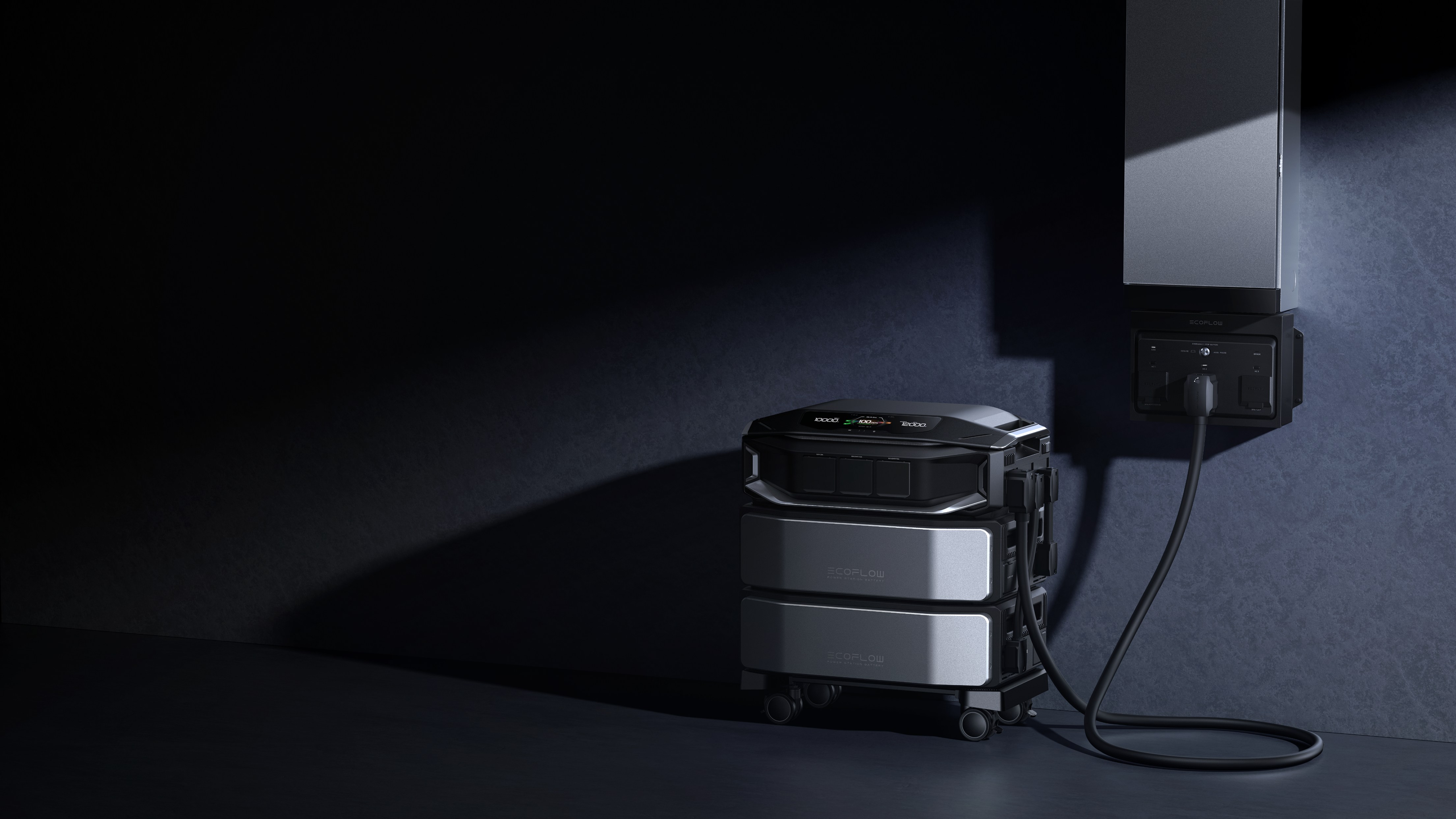
If your area gets longer outages, a home-level backup can feel less like a “nice extra” and more like peace of mind. EcoFlow DELTA Pro Ultra X fits that need well, with one clear advantage: it offers a plug-and-play system that can be installed in as little as seven days, so your home isn’t waiting weeks to be protected.
Cold-weather use comes with one important rule: portable power stations have operating temperature limits. Many units can discharge below freezing, but charging typically requires temperatures at or above 0°C for battery protection. If the station is stored in a freezing garage or car trunk, performance can drop, and charging may pause until it warms up.
Keep the unit indoors when possible, let it warm up naturally if it’s been stored cold, and charge it only once it’s back above freezing. Those habits help your backup power stay dependable through Canada’s coldest month.
Keep Life Comfortable Through Canada’s Deep Freeze with a Portable Power Station
Cold weather in January is easier to handle when you plan for the moments that disrupt everything: wind chill, frozen plumbing, and outages. Keep your heat strategy simple, protect water lines, and store key supplies where you can reach them in the dark. If you rely on a portable power station, treat it like indoor equipment and respect its operating temperature range, especially for charging. A calm plan beats last-minute scrambling, even on the coldest nights. You’ll stay warmer, stay connected, and ride out January with fewer surprises.
FAQs
Q1: Is It Possible for a Power Station to Operate a Furnace Fan During an Outage in January?
Yes. This is possible in many residential settings. The furnace in most residential settings uses gas heating. However, it requires electricity to power the blower motor and control board. The right approach is to power the furnace through the proper transfer switch or electrician-approved inlet. This should be done in residential settings without the practice of back-feeding the residential wall outlet.
Q2: How Do I Estimate How Long a Power Station Will Power My Devices?
A quick calculation is: Runtime (hours) ≈ Battery (Wh) ÷ Device Load (W) × 0.85. The 0.85 takes losses and efficiency into account for inverters. For devices that turn on and off (such as a fridge), the average load is more significant than peak loads. For any device with a motor, estimate a greater startup load and verify with a discharge test.
Q3: Is Food Still Safe to Eat after a Winter Power Outage?
Yes, sometimes. If the doors are closed, an unopened refrigerator will hold safe temperatures for about 4 hours. A full freezer will keep frozen foods frozen for about 48 hours; a half-full freezer will hold about 24 hours. If it has ice crystals in it or is refrigerator cold, it is probably safe to refreeze or cook. If in doubt, throw it out. You won't be able to tell by the taste.
Q4: Will Solar Panels Function in the Canadian Winter?
Yes. Solar panels can generate electricity during the winter, and the cold weather can be beneficial to solar panels. The largest constraints during the winter would be the reduced daylight hours, the lower sun angle, and the presence of snow. Remove the snow when it is safe to do so, face the solar panels at the sun during the winter, and the peak generation would be during midday. In emergency power generation, several hours would be adequate to recharge the power station to provide electricity to phones, lights, and Wi-Fi.
Q5: Is It Safe to Use Extension Cords Outdoors in Snowy Weather?
Yes, if the right type is selected and installed properly. Select a rated outdoor power cord (look for the "W" or "Outdoor" marking on the insulation), avoid bringing the connections into contact with the ground, and don’t coil the power cord tightly when energized. For heavy power levels, the use of heavier power cords (lower gauge numbers) will help keep the power cord cool.